

If your pet is bored out of their mind and you’re tired of watching them knock over water bowls for entertainment, interactive feeding games are about to become your new best friend. These genius contraptions turn mealtime into playtime, keeping your furry friend mentally stimulated while they munch away like they’re competing in the Pet Olympics.
Table of Contents
- Why Interactive Feeding Games Are a Game-Changer
- The Problem With Bored Pets and Feeding Solutions
- Pick #1: The Classic Snuffle Mat
- Pick #2: Puzzle Feeders and IQ Toys
- Pick #3: Treat-Dispensing Balls
- Pick #4: Lick Mats and Slow Feeders
- Pick #5: DIY Interactive Feeding Games (Budget-Friendly Options)
- How to Choose the Right Interactive Feeding Game
- Safety Tips for Interactive Feeding Games
- The Mental Health Benefits You’ll Actually Notice
- Frequently Asked Questions
- Wrapping Up: The Interactive Feeding Game Revolution
Why Interactive Feeding Games Are a Game-Changer
Let’s be real—regular bowls are boring. Your pet eats, you clean, repeat. But interactive feeding games? They’re like the Netflix of pet feeding. These toys slow down eating, engage your pet’s natural hunting instincts, and provide mental enrichment that beats scrolling through TikTok (sorry, Fido). Studies from veterinary behaviorists show that pets using puzzle feeders experience reduced anxiety and destructive behavior. Plus, they burn calories while working for their food, which means less couch potato energy and more tail-wagging joy.
The Problem With Bored Pets and Feeding Solutions
Bored pets are basically tiny furry chaos agents. They’ll chew your furniture, dig holes in your yard, and develop behavioral issues faster than you can say “vet bill.” Regular feeding bowls do absolutely nothing to combat this. That’s where puzzle feeding games come in. By making mealtime an actual challenge, you’re giving your pet’s brain a workout that rivals a crossword puzzle. This is especially important for senior pets and those needing brain health for aging pets support.
Pick #1: The Classic Snuffle Mat
The snuffle mat is the OG of interactive feeding games. It’s basically a fabric mat with hidden pockets where you scatter kibble or treats. Your pet sniffs around like they’re hunting for truffles (minus the fancy French accent). Dogs absolutely lose their minds over these things. The best part? It’s super simple and works for all ages and sizes. Even elderly dogs find snuffle mats engaging because they don’t require intense physical activity—just nose power and patience.
Pick #2: Puzzle Feeders and IQ Toys
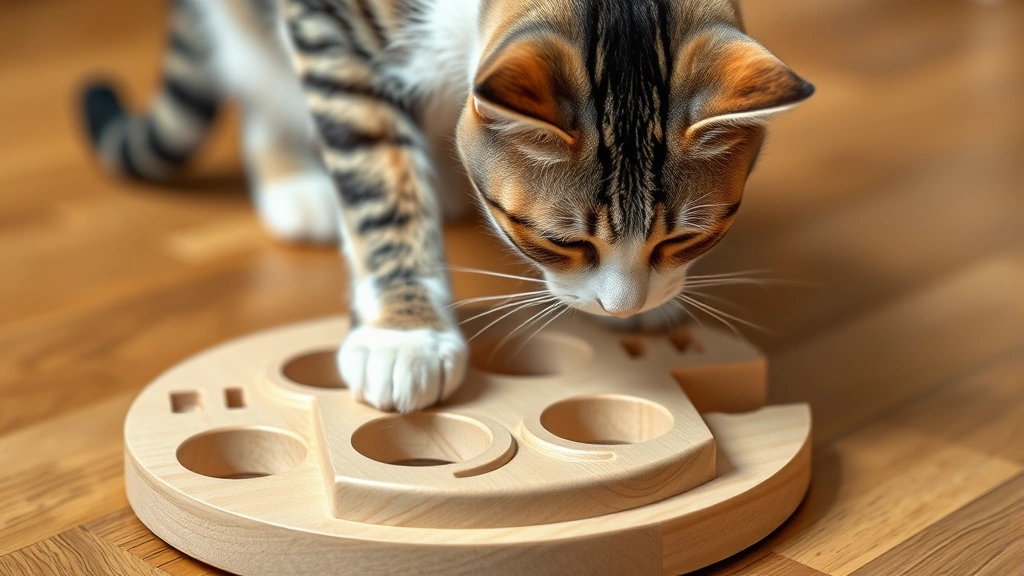
Puzzle feeders are the intellectual elite of interactive feeding games. They come with sliding compartments, rotating rings, or hidden chambers that require your pet to solve mini-puzzles to access food. Brands like Kong and Nina Ottosson make legendary versions that’ll keep your pet occupied longer than a Netflix binge. These toys are perfect for dogs with high prey drive and cats who think they’re geniuses (spoiler: they might be). They also complement a solid pet multivitamins routine by ensuring proper digestion through slower eating.
Pick #3: Treat-Dispensing Balls
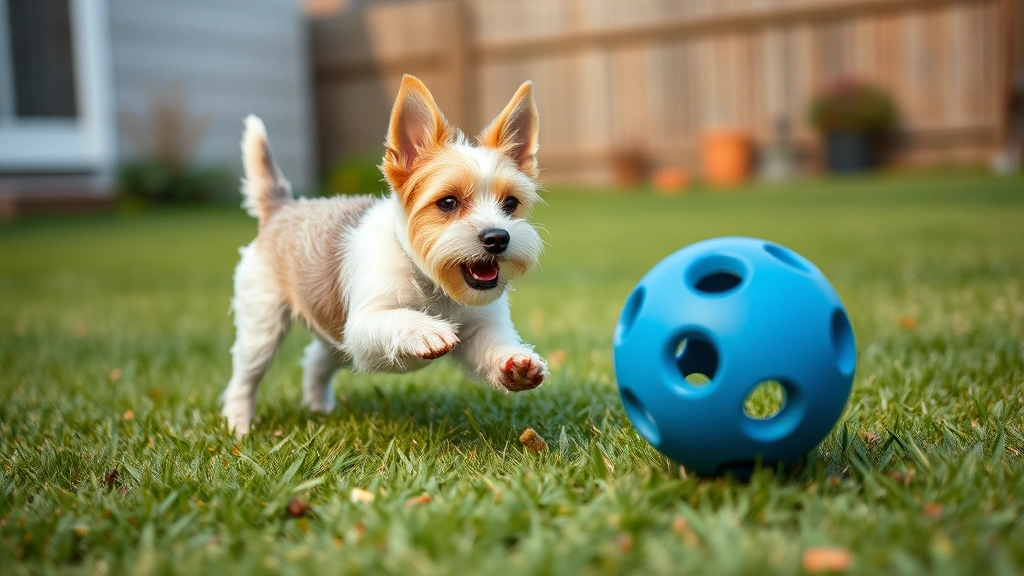
Treat-dispensing balls are the gym membership of the pet world. Your pet rolls, pushes, and pounces on the ball, and kibble tumbles out as a reward. It’s cardio meets snacking—basically the dream scenario. These balls work great for high-energy dogs who need to burn off steam before they redecorate your living room. The unpredictability of when treats fall out keeps pets engaged for extended periods. They’re also durable enough to handle aggressive chewers (mostly).
Pick #4: Lick Mats and Slow Feeders
Lick mats are the zen masters of interactive feeding games. You spread wet food, pumpkin puree, or yogurt on a textured mat and freeze it. Your pet spends 15-30 minutes licking away, which is incredibly soothing and mentally stimulating. Slow feeders with built-in obstacles serve a similar purpose—they force your pet to work around barriers to reach food. This is crucial for fast eaters who inhale their meals like they’re being chased. Slowing down eating prevents bloat, improves digestion, and gives your pet time to feel full. This works beautifully alongside preventative care supplements for overall wellness.
Pick #5: DIY Interactive Feeding Games (Budget-Friendly Options)
Not ready to drop cash on fancy toys? Make your own interactive feeding games! Hide kibble in a muffin tin and cover each cup with a tennis ball. Stuff a toilet paper roll with treats and fold the ends closed. Hide food in boxes filled with crumpled paper. Your pet’s brain doesn’t care if the toy cost $50 or $0—it just wants the challenge. These DIY options are perfect for testing what your pet actually enjoys before investing in premium toys.
How to Choose the Right Interactive Feeding Game
Consider your pet’s age, size, and play style. Puppies need softer, safer options. Senior pets benefit from less physically demanding games. Aggressive chewers need heavy-duty materials. Small pets need appropriately-sized toys. Start with one type and observe what gets your pet most excited. Some pets are sniffers (snuffle mats rock), while others are problem-solvers (puzzle feeders are their jam). You might also want to incorporate pet supplement starter kits to ensure your pet’s nutritional needs are met while they’re gaming away.
Safety Tips for Interactive Feeding Games
Always supervise your pet during playtime, especially with new toys. Check regularly for damage or loose pieces that could become choking hazards. Rotate toys to maintain novelty and prevent boredom. Wash puzzle feeders regularly to prevent bacterial growth. Make sure the toy is appropriately sized—nothing should be small enough to swallow whole. If your pet has a history of intestinal blockages, be extra cautious with anything they might consume accidentally.
The Mental Health Benefits You’ll Actually Notice
Within days of introducing interactive feeding games, you’ll see changes. Your pet will be calmer, less destructive, and more satisfied. They’ll sleep better because their brains are actually tired. Destructive behaviors often disappear because they’re getting the mental stimulation they crave. Anxiety decreases because they’re focused on problem-solving rather than worrying. This is especially true for dogs with separation anxiety—a challenging puzzle feeder can keep them occupied while you’re gone.
Frequently Asked Questions
Are interactive feeding games suitable for all pets?
Most interactive feeding games work for dogs and cats, but you need to match the toy to your pet. Kittens and puppies need softer options, while senior pets benefit from less physically demanding games. Always choose age-appropriate toys and supervise playtime.
How long should my pet play with interactive feeding games daily?
Aim for 15-30 minutes daily, depending on your pet’s energy level and the toy’s difficulty. Some pets can entertain themselves for longer. Rotate different toys to prevent boredom and keep things fresh.
Can interactive feeding games help with weight management?
Absolutely! Puzzle feeders and treat-dispensing balls make pets work for food, burning calories in the process. Combined with proper portion control and exercise, they’re excellent for weight management programs.
What’s the difference between interactive feeding games and regular puzzle toys?
Interactive feeding games specifically dispense food or treats during play, turning mealtime into enrichment. Regular puzzle toys might not have a feeding component but still provide mental stimulation. Both are valuable for pet health.
How do I introduce my pet to interactive feeding games?
Start with easier options like snuffle mats, then gradually introduce more challenging puzzles. Show your pet how it works by demonstrating or placing treats in obvious spots initially. Use positive reinforcement and patience—some pets catch on faster than others.
Wrapping Up: The Interactive Feeding Game Revolution
Interactive feeding games aren’t just toys—they’re investments in your pet’s physical and mental health. They transform boring mealtimes into engaging activities that keep boredom at bay and brains sharp. Whether you go with snuffle mats, puzzle feeders, treat-dispensing balls, lick mats, or DIY creations, your pet will thank you with happier, healthier behavior. Start with one type, observe what your pet loves, and build a rotating collection to keep things interesting. Your furniture (and your sanity) will appreciate the effort. Now go forth and let your pet’s inner genius shine through interactive feeding games!





