

Introducing solid food kittens is one of the most exciting (and messy) milestones in your feline friend’s life. Whether you’re a first-time kitten parent or a seasoned cat enthusiast, weaning your little furball from mom’s milk to actual food is a journey that requires patience, planning, and probably a few paper towels. Let’s dive into how to make this transition smooth, healthy, and hopefully not too catastrophic for your kitchen.
Table of Contents
- When Should You Start Introducing Solid Food to Kittens?
- Choose the Right Food: Wet vs. Dry for Weaning Kittens
- Step 1: Start Small and Go Slow
- Step 2: Gradually Increase Portions and Frequency
- Step 3: Monitor Digestion and Adjust as Needed
- Step 4: Establish a Feeding Schedule and Routine
- Step 5: Transition to Adult Feeding Patterns Gradually
- Common Mistakes When Introducing Solid Food Kittens
- Nutrition Essentials for Growing Kittens
- Signs Your Kitten is Ready to Progress
- Frequently Asked Questions
- Final Thoughts: You’ve Got This
When Should You Start Introducing Solid Food to Kittens?
The magic window for introducing solid food kittens typically opens around 3 to 4 weeks of age. At this point, those tiny teeth are starting to emerge, and mama cat is probably exhausted from nursing. Most kittens are ready to explore the wonderful world of wet food around this time, though they’ll still nurse until about 8 to 10 weeks old. Don’t rush the process—nature has a timeline, and your kitten’s digestive system is still developing.
Kittens at 3-4 weeks old are naturally curious and will start showing interest in what their mother is eating. This is your green light. However, if you’re bottle-feeding orphaned kittens, consult your veterinarian for specific guidance on timing and nutrition.
Choose the Right Food: Wet vs. Dry for Weaning Kittens
When introducing solid food kittens, start with wet food—not kibble. Wet food is easier for those developing teeth to manage, smells more appealing (let’s be honest, it’s closer to what they’d eat in nature), and has higher moisture content that supports hydration. Plus, kittens are notorious for not drinking enough water, so wet food helps bridge that gap.
Look for kitten-specific formulas, as they’re nutritionally balanced for growth and development. Adult cat food won’t cut it—kittens need higher protein and fat content to fuel their ridiculous energy levels and rapid growth. Quality matters here; check that meat is the first ingredient, not by-products or fillers.
Once your kitten reaches about 6-8 weeks old, you can gradually introduce high-quality dry kibble alongside wet food. This dual approach helps prevent picky eating later and gives you flexibility. Consider supplementing with pet multivitamins if recommended by your vet to ensure complete nutrition during this critical growth phase.
Step 1: Start Small and Go Slow
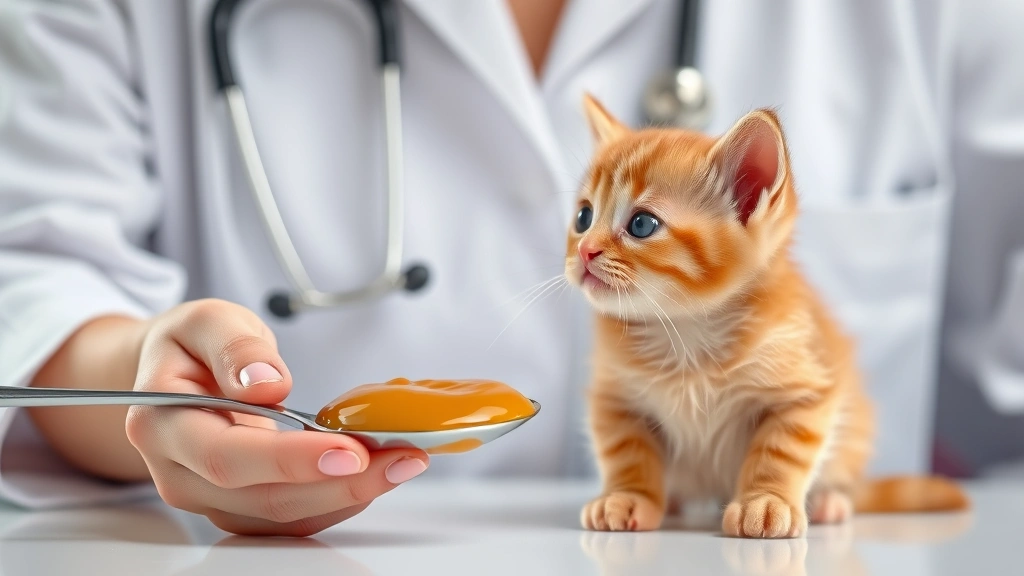
The first rule of introducing solid food kittens is: patience is your best friend. Begin by offering a tiny amount of wet kitten food—we’re talking a teaspoon or less—mixed with a bit of their mother’s milk or kitten formula. This familiar taste helps ease the transition and makes the new food less intimidating.

Offer this mixture once daily, preferably when the kitten is alert and hungry. Don’t be surprised if they’re confused at first. Some kittens dive in immediately; others need several attempts before they realize this is actually food. Let them explore at their own pace. Getting it on their face, paws, and fur is part of the learning experience.
Step 2: Gradually Increase Portions and Frequency
After a few days of successful tasting, increase the frequency to 2-3 meals daily while keeping portions small. A kitten’s stomach is about the size of a walnut, so multiple small meals work better than one large feeding. Over the next 1-2 weeks, slowly increase the amount of solid food while decreasing the milk or formula in the mixture.
By week two of introducing solid food kittens, you should be offering mostly solid food with minimal added liquid. Watch for signs that your kitten is ready to progress: eagerness to eat, healthy digestion (no diarrhea or constipation), and steady weight gain. If you notice digestive upset, slow down the transition and consider sensitive stomach supplements or liquid probiotics to support gut health.
Step 3: Monitor Digestion and Adjust as Needed
Not all kittens have cast-iron stomachs. Some are sensitive to dietary changes, and that’s completely normal. Watch for loose stools, vomiting, or loss of appetite—these are signs to pump the brakes. If digestive issues occur, slow down the transition, stick with one brand of food longer, or consult your vet.
Introducing solid food kittens with digestive sensitivity might require a more gradual approach. You can also incorporate liquid probiotics for pets to support beneficial gut bacteria during this transition. Always introduce new foods slowly—even switching between brands should happen over 7-10 days to prevent upset stomachs.
Step 4: Establish a Feeding Schedule and Routine
Kittens thrive on routine. Once you’re introducing solid food kittens regularly, establish a consistent feeding schedule. Most kittens aged 4-12 weeks need 3-4 meals daily. This consistency helps with digestion, housebreaking, and creates a bonding ritual between you and your kitten.

Feed at the same times each day if possible. Morning, midday, late afternoon, and evening work well for most households. Use the same spot, same bowl (preferably stainless steel or ceramic, not plastic), and keep water available separately. Kittens are creatures of habit, and this predictability helps them feel secure during the weaning process.
Step 5: Transition to Adult Feeding Patterns Gradually
By 12 weeks of age, most kittens can transition from 4 meals to 2-3 meals daily. Around 6 months, you can move toward the standard 2 meals daily that adult cats prefer. However, introducing solid food kittens to a mature feeding schedule is a gradual process—don’t cut meals abruptly, as this can cause hunger-related behavioral issues and digestive problems.
As your kitten matures, you can introduce a mix of wet and dry food. Some cats prefer all wet, some all dry, and some are happy with both. There’s no single “right” answer—it depends on your kitten’s preferences and your vet’s recommendations. If you’re concerned about nutritional completeness, preventative care supplements can fill any gaps, though a quality diet should provide most nutrients your kitten needs.
Common Mistakes When Introducing Solid Food Kittens
Let’s talk about what NOT to do. First, don’t introduce multiple new foods at once. If your kitten gets an upset stomach, you won’t know which food caused it. Second, avoid human foods—especially dairy (despite the stereotype, most adult cats are lactose intolerant), chocolate, onions, garlic, and anything with xylitol. These can be toxic or cause serious digestive issues.
Third, don’t force-feed or punish a kitten for not eating. Some kittens are slower learners, and pressure only creates negative associations with mealtime. Finally, don’t skip veterinary guidance. Your vet can recommend specific brands, portions, and supplements tailored to your kitten’s individual needs. Check pet supplement dosage guidance if you’re considering any additions to their diet.
Nutrition Essentials for Growing Kittens
Growing kittens need specific nutrients to develop properly. Protein is paramount—aim for at least 30% in their food. Taurine, an amino acid, is non-negotiable for feline health; cats can’t synthesize it themselves, so it must come from food. Fat provides energy and supports brain development. Calcium and phosphorus are crucial for bone growth, and the ratio matters (about 1.2:1 calcium to phosphorus).

Quality kitten foods include these nutrients in appropriate amounts. When introducing solid food kittens, read labels carefully and choose brands that meet AAFCO (Association of American Feed Control Officials) standards for kitten growth. Your vet can recommend trusted brands and assess whether your kitten needs additional supplements for optimal development.
Signs Your Kitten is Ready to Progress
How do you know introducing solid food kittens is going well? Look for enthusiasm—your kitten should show genuine interest in food, not just tolerate it. Healthy weight gain is crucial; kittens should be gaining about half an ounce per day. A shiny coat, clear eyes, and good energy levels indicate proper nutrition.
Healthy digestion means firm stools, no vomiting, and regular bathroom habits. If your kitten is thriving on the current diet and feeding schedule, you’re doing it right. If issues persist despite your best efforts, consult your veterinarian—sometimes food allergies or underlying health issues require professional intervention.
Frequently Asked Questions
At what age should I start introducing solid food to kittens?
Begin introducing solid food kittens at 3-4 weeks of age when teeth start emerging and they show interest in food. However, they’ll continue nursing until 8-10 weeks, so this is a gradual transition, not an abrupt change. Always consult your vet for personalized timing based on your kitten’s individual development.
Can I give my kitten cow’s milk when introducing solid food?
No—most kittens are lactose intolerant after weaning. Cow’s milk can cause diarrhea and digestive upset. Instead, use kitten formula or specially formulated kitten milk replacer when introducing solid food kittens. Plain water should be their primary beverage after weaning is complete.
How much should I feed my kitten during the weaning process?
Start with tiny amounts—less than a teaspoon—and gradually increase as your kitten shows interest and tolerates the food well. By 4-6 weeks, aim for about 1-2 tablespoons per meal, 3-4 times daily. Portion sizes depend on the specific food and your kitten’s size, so follow packaging guidelines and adjust based on your kitten’s growth and appetite.
What if my kitten refuses to eat solid food?
Don’t panic; some kittens are slower learners. Try different textures or brands, warm the food slightly to enhance aroma, and ensure you’re introducing solid food kittens in a calm, pressure-free environment. If refusal persists beyond a week or your kitten seems unwell, contact your veterinarian to rule out health issues.
Should I give supplements when introducing solid food kittens?
Quality kitten food should provide complete nutrition, so supplements aren’t always necessary. However, if your kitten has digestive sensitivity or you want extra assurance, consult your vet. Some kittens benefit from probiotics or multivitamins during the transition, but dosage and type matter significantly.
How do I know if my kitten has a food allergy?
Signs include chronic diarrhea, vomiting, itching, or skin issues that persist despite introducing solid food kittens with high-quality ingredients. If you suspect allergies, keep a food diary and discuss symptoms with your vet. They may recommend an elimination diet or specific kitten formulas designed for sensitive systems.
Final Thoughts: You’ve Got This
Introducing solid food kittens is genuinely one of the most rewarding parts of kitten parenthood. Yes, there will be messy faces, confused expressions, and probably some food on places you didn’t know food could reach. But watching your kitten discover the joy of eating—and grow into a healthy, thriving cat—makes every moment worthwhile.
Remember: every kitten is unique. What works for your friend’s kitten might not work for yours, and that’s perfectly fine. Stay patient, watch for signs of healthy development, consult your vet when in doubt, and enjoy this fleeting phase. Before you know it, your kitten will be a full-grown cat with strong opinions about their food preferences. Savor these early days of introducing solid food kittens—they grow up too fast.





