
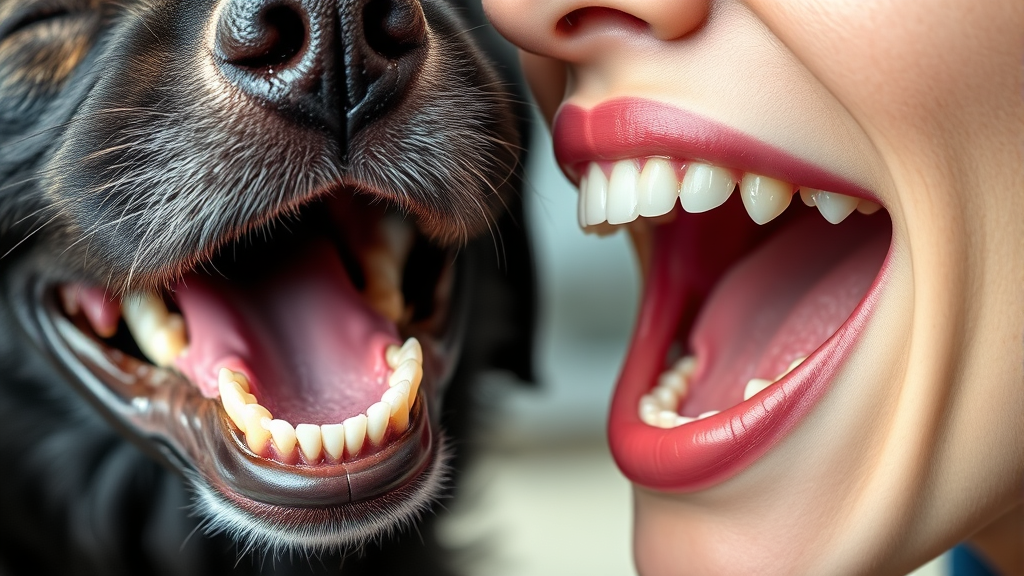
For generations, pet owners have heard the saying that a dog’s mouth is cleaner than a human’s mouth. This widespread belief has led many people to allow their furry companions to lick their faces, share food, and even “clean” wounds with their tongues. But is there any scientific truth behind this common misconception?
The reality is far more complex than this simple comparison suggests. While dogs and humans both harbor unique bacterial ecosystems in their mouths, the cleanliness of either cannot be definitively ranked as “better” or “worse.” Understanding the science behind oral bacteria, hygiene practices, and the fundamental differences between canine and human oral health can help pet owners make informed decisions about their interactions with their beloved dogs.
Let’s explore the fascinating world of oral microbiology and separate fact from fiction when it comes to comparing the cleanliness of dog mouths versus human mouths.
The Bacterial Composition of Dog vs Human Mouths
The fundamental difference between dog and human mouths lies in their bacterial composition. Both species harbor hundreds of different bacterial species, but the specific types and concentrations vary significantly. Human mouths typically contain around 600 different species of bacteria, while dogs have a somewhat different but equally diverse oral microbiome.
According to research from the National Center for Biotechnology Information, the most common bacteria in human mouths include Streptococcus species, Actinomyces, and Veillonella. These bacteria have evolved specifically to thrive in the human oral environment, with its particular pH levels, saliva composition, and dietary influences.
Dogs, on the other hand, have adapted to a different oral ecosystem. Their mouths contain bacteria such as Porphyromonas and Tannerella species, which are better suited to their carnivorous dietary history and different saliva composition. The pH level in a dog’s mouth is typically more alkaline than a human’s, creating an environment where different bacterial species flourish.
Interestingly, the overlap between human and canine oral bacteria is relatively small. Studies have shown that only about 16% of bacterial species are shared between the two species. This means that most of the bacteria in your dog’s mouth are foreign to your oral environment, and vice versa.
Oral Hygiene Practices: Dogs vs Humans
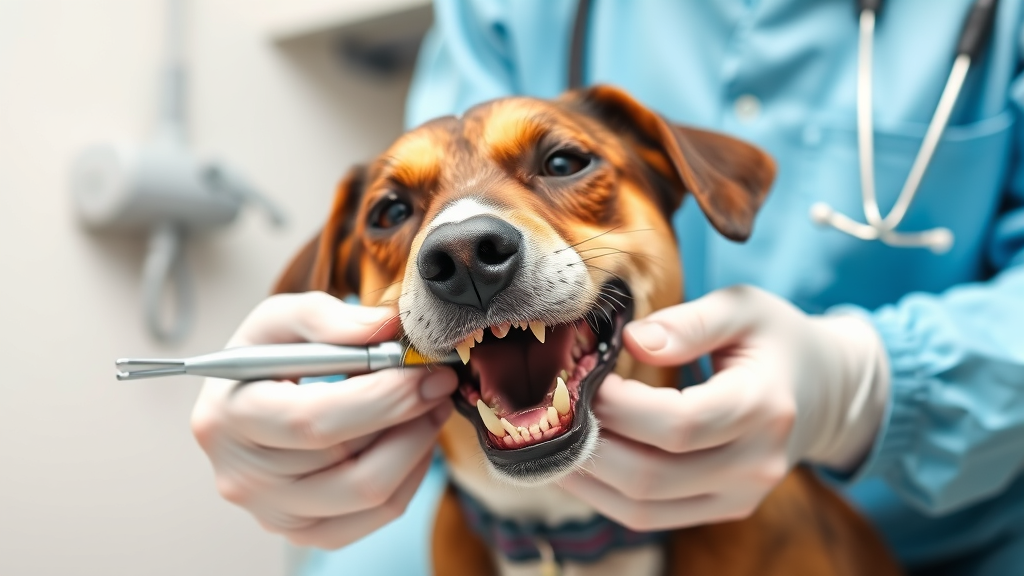
When comparing oral cleanliness, it’s essential to consider the hygiene practices of each species. Humans have developed sophisticated dental care routines including brushing, flossing, mouthwash, and regular professional cleanings. These practices significantly reduce harmful bacteria and maintain oral health.
Dogs, however, rely primarily on natural cleaning mechanisms. Their saliva production is generally higher than humans, which helps wash away food particles and bacteria. Additionally, dogs naturally chew on various objects, which can provide some mechanical cleaning action. However, domestic dogs don’t have access to the same natural cleaning mechanisms their wild ancestors used, such as gnawing on bones and tough vegetation.
The reality is that most pet dogs don’t receive adequate dental care. The American Veterinary Medical Association reports that over 80% of dogs show signs of dental disease by age three. This statistic alone challenges the notion that dog mouths are inherently cleaner.
Understanding how many teeth dogs have is important for proper dental care. Adult dogs typically have 42 teeth, compared to humans’ 32, providing more surface area for bacteria to accumulate without proper care.
Health Risks and Disease Transmission
The question of mouth cleanliness becomes more serious when considering disease transmission risks. While it’s rare, certain bacteria and pathogens can be transmitted between dogs and humans through saliva contact. This is particularly concerning for individuals with compromised immune systems, open wounds, or certain health conditions.
Capnocytophaga bacteria, naturally found in dog mouths, can cause severe infections in humans, particularly those with weakened immune systems. The Centers for Disease Control and Prevention has documented cases where dog saliva contact led to serious human infections, though these instances are relatively uncommon.
Additionally, dogs often engage in behaviors that introduce additional bacteria into their mouths. They may eat garbage, feces, dead animals, or other unsanitary items. This behavior significantly impacts the bacterial load in their mouths and contradicts the idea of superior cleanliness. Many pet owners notice that their dog’s breath stinks, which is often a sign of bacterial overgrowth or dental issues.
Parasites present another concern. Dogs can carry various parasites in their mouths and digestive systems that could potentially be transmitted to humans through close contact or saliva exchange.
What Scientific Research Reveals
Scientific research has consistently debunked the myth that dog mouths are cleaner than human mouths. A comprehensive study published in the PLOS ONE journal analyzed the oral microbiomes of both species and found significant differences in bacterial composition, but no evidence supporting superior cleanliness in either species.
Researchers at the Cornell University College of Veterinary Medicine have emphasized that the concept of “cleanliness” itself is problematic when comparing different species. Each oral environment has evolved to maintain its own bacterial balance, making direct comparisons misleading.
One study examining the antibacterial properties of dog saliva found that while canine saliva does contain some antimicrobial compounds, these are not sufficient to make dog mouths significantly cleaner than human mouths. The research showed that both species have natural defense mechanisms, but neither can be declared definitively “cleaner.”
Furthermore, veterinary dentistry research has revealed that dental disease is actually more prevalent in dogs than in humans when proper dental care is not provided. This finding directly contradicts the cleaner mouth myth and highlights the importance of canine dental health maintenance.
Maintaining Your Dog’s Oral Health
Given what we know about canine oral health, it’s crucial for pet owners to take proactive steps in maintaining their dog’s dental hygiene. Regular brushing with dog-specific toothpaste can significantly reduce bacterial buildup and prevent dental disease. The American Kennel Club recommends daily brushing for optimal oral health.
Professional dental cleanings performed by veterinarians are essential for maintaining your dog’s oral health. These procedures, typically done under anesthesia, allow for thorough cleaning below the gum line and identification of potential problems.
Diet also plays a crucial role in canine oral health. Specially formulated dental chews and kibble can help reduce plaque buildup through mechanical action. However, these should supplement, not replace, regular brushing and professional care.
Understanding why your dog’s breath smells like fish or has other unusual odors can help identify potential health issues early. Bad breath in dogs is often the first sign of dental problems or other health concerns.
Regular oral examinations at home can help pet owners identify problems early. Look for signs of tartar buildup, red or swollen gums, loose teeth, or unusual growths. Early detection and treatment can prevent more serious complications.
Safe Interactions Between Dogs and Humans
Understanding the reality of canine oral bacteria doesn’t mean you need to avoid all contact with your dog. However, it’s wise to take certain precautions to minimize any potential health risks while still enjoying the companionship of your pet.
Avoid allowing dogs to lick open wounds, cuts, or mucous membranes. While the risk of infection is low for healthy individuals, it’s an unnecessary risk that can be easily avoided. If you have a compromised immune system or are undergoing medical treatment that affects immunity, discuss appropriate precautions with your healthcare provider.
Many dogs show affection through licking, and pet owners often wonder why their dog licks them. This behavior is natural and generally harmless for healthy individuals, but understanding the reasons behind it can help manage the behavior if desired.
Hand washing after handling your dog, especially before eating or touching your face, is a simple and effective precaution. This practice helps prevent the transmission of any potentially harmful bacteria or parasites.
Consider your dog’s recent activities when deciding on the level of contact you’re comfortable with. If your dog has been engaging in particularly unsanitary behaviors, it may be wise to limit close facial contact until they’ve had a chance to drink water and naturally clean their mouth.
Frequently Asked Questions
Is it true that dog saliva has healing properties?
While dog saliva does contain some antimicrobial compounds and growth factors, there’s no scientific evidence that it has significant healing properties for humans. In fact, allowing a dog to lick wounds can introduce harmful bacteria and potentially delay healing. It’s always best to clean wounds with appropriate antiseptics and seek medical attention when necessary.
Can I get sick from my dog licking my face?
For most healthy individuals, the risk of getting sick from a dog licking your face is very low. However, there is a small risk of bacterial transmission, particularly for people with compromised immune systems. The bacteria in dog mouths are generally different from those that cause illness in humans, but some pathogens like Capnocytophaga can occasionally cause problems.
How often should I brush my dog’s teeth?
Ideally, you should brush your dog’s teeth daily, just like humans. However, even brushing 2-3 times per week can significantly improve your dog’s oral health. Start slowly and use dog-specific toothpaste, as human toothpaste can be toxic to dogs. The Humane Society provides excellent guidance on introducing tooth brushing to dogs.
Why do dogs lick themselves so much?
Dogs lick themselves for various reasons, including grooming, stress relief, boredom, or medical issues. Understanding why dogs lick their paws and other body parts can help identify when this behavior is normal versus when it might indicate a problem requiring veterinary attention.
Do dogs taste things the same way humans do?
Dogs have a different taste experience than humans. While exploring whether dogs have taste buds reveals they do have them, dogs have fewer taste buds than humans and rely more heavily on smell for food appreciation. This difference in sensory experience affects their eating behaviors and preferences.
What are signs of dental disease in dogs?
Common signs of dental disease in dogs include bad breath, yellow or brown tartar buildup on teeth, red or swollen gums, difficulty eating, pawing at the mouth, and loose or missing teeth. If you notice any of these signs, consult your veterinarian for a proper evaluation and treatment plan.
Can sharing food with my dog be harmful?
Sharing food with your dog can potentially transmit bacteria in both directions, though the risk is generally low for healthy individuals. More concerning is that many human foods are toxic to dogs, including chocolate, grapes, onions, and foods containing xylitol. It’s safer to stick to dog-appropriate treats and maintain separate eating practices.





