
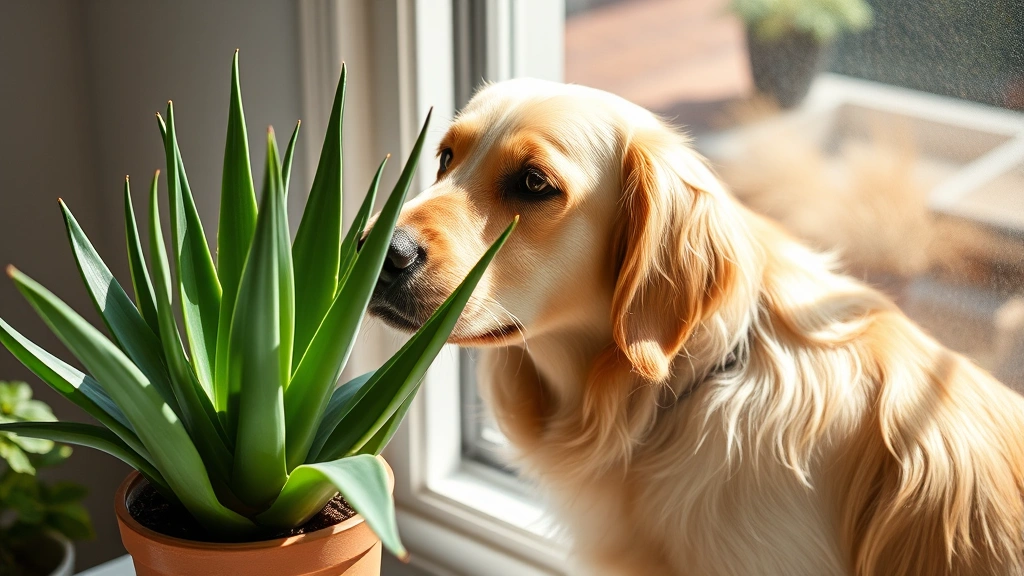
Is Aloe Vera Toxic to Dogs? A Complete Safety Guide
Aloe vera is a beloved houseplant known for its soothing gel and air-purifying qualities. Many dog owners keep aloe plants in their homes, admiring their low-maintenance nature and aesthetic appeal. However, if you’re a pet parent wondering whether this popular succulent poses a risk to your furry friend, you’ve come to the right place. The short answer is yes—aloe vera can be toxic to dogs, and understanding the specifics could help you keep your pup safe.
Dogs are naturally curious creatures, and indoor plants often become targets for their investigative sniffing and chewing. While some plants are relatively harmless, others can cause serious health complications. Aloe vera falls into the latter category, making it essential for dog owners to learn about the risks and take appropriate precautions.
In this comprehensive guide, we’ll explore everything you need to know about aloe vera toxicity in dogs, including symptoms to watch for, what to do if your dog ingests aloe, and how to keep your canine companion safe around these plants.
Why Is Aloe Vera Toxic to Dogs?
Aloe vera toxicity in dogs stems from specific compounds found within the plant. Unlike some toxic plants that affect dogs through direct chemical interactions, aloe vera works differently. The plant contains substances that can irritate your dog’s gastrointestinal tract and cause systemic issues when ingested. Understanding the mechanism of toxicity helps pet owners appreciate why even small amounts of aloe should be kept away from curious canines.
The toxic potential of aloe vera has been well-documented by veterinary professionals and animal poison control centers. According to the ASPCA Animal Poison Control Center, aloe is listed as a toxic plant for dogs. This classification means that ingestion can lead to measurable adverse health effects. The level of toxicity depends on several factors, including the amount consumed and the individual dog’s sensitivity.
It’s worth noting that aloe toxicity in dogs varies depending on which part of the plant your dog consumes. This distinction is crucial for understanding the severity of potential poisoning cases.
The Toxic Compounds in Aloe
The primary culprits behind aloe vera’s toxicity are compounds called anthraquinones, particularly aloin. These bitter-tasting chemicals are found predominantly in the latex—the yellowish substance located between the plant’s outer skin and the inner gel. When your dog ingests aloe, these compounds can cause significant gastrointestinal distress and other systemic effects.
Aloin acts as a potent laxative and irritant. When it enters your dog’s digestive system, it stimulates the colon and can cause severe diarrhea, cramping, and abdominal pain. Additionally, anthraquinones can be absorbed into the bloodstream, potentially affecting other organ systems. This is why even small exposures warrant veterinary attention.
The clear gel inside the aloe plant—the part often used in human skincare products—contains lower concentrations of these toxic compounds but is not entirely safe for dogs. The latex layer, however, is significantly more dangerous and should be considered highly toxic.

Symptoms of Aloe Vera Poisoning
If your dog has consumed aloe vera, recognizing the symptoms of poisoning is critical for prompt treatment. The signs typically appear within a few hours of ingestion, though some symptoms may develop more gradually. Being aware of what to look for allows you to act quickly and seek veterinary care when necessary.
Common symptoms of aloe vera toxicity include:
- Severe diarrhea, often watery or bloody
- Vomiting
- Abdominal pain and cramping
- Loss of appetite
- Lethargy and weakness
- Tremors
- Changes in urine color (may appear dark or reddish)
- Dehydration
- Drooling
- Refusal to eat or drink
In more severe cases or if your dog has consumed a large amount of aloe, additional symptoms may develop. These can include increased heart rate, irregular heartbeat, and electrolyte imbalances. Some dogs may also experience skin irritation if they’ve had direct contact with the latex.
The severity of symptoms depends on factors such as your dog’s size, age, health status, and the amount of aloe consumed. Smaller dogs and puppies are generally at higher risk for serious complications from the same exposure that might cause mild symptoms in larger dogs.
Severity and Risk Factors
Not all dogs will experience the same level of severity when exposed to aloe vera. Understanding the risk factors can help you assess your individual dog’s vulnerability and take appropriate precautions.
Dogs at higher risk include:
- Puppies and senior dogs – Their immune and digestive systems are more vulnerable
- Small breed dogs – Even small amounts represent a larger relative dose
- Dogs with pre-existing digestive issues – Such as inflammatory bowel disease or sensitive stomachs
- Dogs with kidney or liver disease – These organs are responsible for processing toxins
- Dogs taking medications – Some medications can interact negatively with aloe compounds
- Pregnant or nursing dogs – Additional physiological stress makes them more vulnerable
The amount of aloe consumed is also a critical factor. A dog that briefly chews on a leaf may experience mild symptoms, while a dog that consumes a significant portion of the plant could face life-threatening complications. If you’re uncertain whether your dog has eaten aloe or how much they may have consumed, it’s always better to err on the side of caution and contact a veterinarian.

What to Do If Your Dog Eats Aloe
If you suspect or know that your dog has ingested aloe vera, taking immediate action is essential. Your response in the first few hours can significantly impact your dog’s recovery and overall health outcome.
Step 1: Stay Calm and Assess the Situation
First, determine what part of the aloe plant your dog consumed and, if possible, estimate the amount. Did your dog eat the clear gel, the latex, or the entire leaf? This information will be valuable when you contact your veterinarian. Check your dog for any visible signs of distress or discomfort.
Step 2: Contact Your Veterinarian or Poison Control
Call your veterinarian immediately, even if your dog isn’t showing symptoms yet. If it’s after hours, contact an emergency veterinary clinic. You can also call the ASPCA Poison Control Center at (888) 426-4435 (a consultation fee may apply). Have the following information ready:
- Your dog’s weight and age
- Time of ingestion
- Amount and part of plant consumed
- Any symptoms currently present
- Your dog’s medical history
Step 3: Do Not Induce Vomiting Without Professional Guidance
While knowing how to induce vomiting in dogs might seem helpful, you should never do this without explicit veterinary instruction. In some cases, inducing vomiting can cause more harm than good, particularly if the dog has already absorbed the toxins or if vomiting could cause additional damage to the esophagus.
Step 4: Veterinary Treatment
Your veterinarian may recommend one or more of the following treatments:
- Activated charcoal – Administered orally to bind toxins in the stomach
- Gastric lavage (stomach pumping) – Performed if ingestion was recent and the dog is stable
- IV fluids – To address dehydration and support kidney function
- Electrolyte monitoring – Blood tests to check for imbalances
- Supportive care – Anti-nausea medication, pain relief, and dietary management
- Hospitalization – For severe cases requiring ongoing monitoring
Most dogs recover well with prompt veterinary treatment, though recovery time varies. Follow your veterinarian’s post-treatment instructions carefully, which typically include dietary restrictions and follow-up appointments.
Prevention Strategies
The best approach to aloe vera toxicity is prevention. By taking proactive steps to keep aloe away from your dog, you can eliminate this risk entirely.
Remove Aloe Plants from Your Home
The simplest solution is to remove aloe vera plants from areas where your dog has access. If you love having aloe around, consider keeping it in a room your dog cannot enter, such as a locked office or high shelf in a room you can secure.
Place Plants Out of Reach
If you want to keep your aloe plants, place them on high shelves, hanging planters, or shelving units that your dog cannot access. Remember that some dogs are surprisingly athletic and can jump or climb higher than you might expect. Evaluate your dog’s abilities and place plants accordingly.
Use Barriers and Gates
Baby gates or pet gates can restrict your dog’s access to rooms where you keep plants. This is particularly useful if you have a dedicated plant room or greenhouse.
Train Your Dog
Teaching commands like “leave it” and “drop it” can help prevent your dog from chewing on plants even if they have access. Positive reinforcement training is most effective and helps redirect your dog’s natural curiosity toward appropriate toys instead.
Provide Alternatives
Dogs often chew on plants out of boredom or curiosity. Providing appropriate chew toys, puzzle feeders, and regular enrichment activities can reduce the likelihood of your dog seeking out plants as entertainment.
Monitor Your Dog Closely
If you have houseplants, regularly inspect them for signs of chewing or damage. Watch your dog’s behavior around plants and redirect them if they show interest in chewing.
Safe Plant Alternatives
If you’re concerned about aloe vera’s toxicity, you might be wondering what plants are safe to keep around your dog. There are several beautiful, non-toxic alternatives that can brighten your home without posing a risk to your furry friend.
Dog-Safe Indoor Plants:
- Spider Plant – Hardy, attractive, and completely safe for dogs
- Boston Fern – Adds greenery and humidity to your space
- Parlor Palm – Elegant and non-toxic
- African Violet – Colorful flowers without toxicity concerns
- Petunia – Beautiful blooms that are safe for dogs
- Haworthia – A succulent similar to aloe but non-toxic
- Calathea – Stunning foliage without health risks
- Areca Palm – Tropical feel with complete safety
When selecting plants, always verify their safety status before bringing them home. Remember that while these plants are non-toxic, they can still cause mild gastrointestinal upset if consumed in large quantities, so supervision is still important.
It’s also worth being aware of other toxic plants in your home and yard. For instance, is lavender toxic to dogs is another common question pet owners have. Additionally, lilies are particularly dangerous and should never be kept in homes with dogs. Other common toxic houseplants include pothos plants, which are extremely toxic and should be avoided entirely.
If you have concerns about other substances your dog might encounter, such as what to do if your dog eats chocolate, consult with your veterinarian for specific guidance.
Frequently Asked Questions
Is the clear aloe gel toxic to dogs?
Yes, even the clear gel inside the aloe plant contains some anthraquinones, though in lower concentrations than the latex. While the gel is less toxic than the latex layer, it should still be considered unsafe for dogs. The latex layer, found between the outer skin and the gel, is significantly more dangerous and should be strictly avoided.
How much aloe does it take to poison a dog?
The toxic dose varies based on your dog’s size, age, and individual sensitivity. Generally, ingestion of even small amounts can cause symptoms in susceptible dogs. A small dog that chews on a single leaf might experience mild symptoms, while a large dog might need to consume more to show signs. However, there’s no safe threshold, so any ingestion warrants veterinary evaluation.
Can aloe vera be used topically on dogs?
While aloe vera is used topically on human skin, it should not be applied directly to your dog’s skin without veterinary approval. Dogs may lick their skin, ingesting the aloe, and even topical application can cause irritation. If you believe your dog has a skin condition requiring treatment, consult your veterinarian for safe, dog-approved options.
How long does it take for aloe poisoning symptoms to appear?
Symptoms typically appear within 6-12 hours of ingestion, though some dogs may show signs within a few hours. In some cases, symptoms might develop more gradually over 24 hours. This is why monitoring your dog closely after suspected ingestion is crucial, even if symptoms aren’t immediately apparent.
Is aloe vera toxic to all dogs equally?
No, toxicity sensitivity varies among individual dogs. Factors like size, age, health status, and genetic predisposition affect how severely a dog reacts to aloe ingestion. Puppies, senior dogs, small breeds, and dogs with pre-existing health conditions are generally more vulnerable to severe symptoms.
What should I do if my dog ate aloe vera but seems fine?
Even if your dog appears to be fine after eating aloe, contact your veterinarian or poison control. Some symptoms take time to develop, and internal damage might not be immediately apparent. Professional evaluation ensures your dog receives appropriate monitoring and treatment if needed.
Are there any long-term effects of aloe vera poisoning?
Most dogs recover fully from aloe vera poisoning with appropriate treatment. However, severe cases or delayed treatment could potentially result in complications affecting the kidneys or electrolyte balance. This is another reason why prompt veterinary care is essential.
Can I keep aloe vera if I have a well-trained dog?
While training is valuable, it’s not foolproof. Even well-trained dogs can have moments of weakness or curiosity, especially if they’re feeling unwell or stressed. The safest approach is to remove aloe plants from your home entirely or keep them completely inaccessible.





