

Apple cider vinegar has gained tremendous popularity as a natural health remedy for humans, and many dog owners are now wondering if this pantry staple can benefit their furry companions. The short answer is yes – when used properly, apple cider vinegar can offer several health benefits for dogs. This fermented apple product contains beneficial compounds like acetic acid, vitamins, minerals, and probiotics that may support various aspects of your dog’s health.
However, like any supplement or home remedy, apple cider vinegar must be used correctly and in appropriate amounts. While it can be a valuable addition to your dog’s wellness routine, it’s not a miracle cure and should never replace professional veterinary care. Understanding the proper usage, benefits, and potential risks is essential for any pet owner considering adding apple cider vinegar to their dog’s regimen.
What is Apple Cider Vinegar?
Apple cider vinegar is made through a two-step fermentation process that transforms apple juice into a potent health elixir. First, yeast converts the sugars in apple juice into alcohol, then bacteria convert the alcohol into acetic acid – the main active compound responsible for apple cider vinegar’s distinctive smell and many of its health benefits.
The best apple cider vinegar contains “the mother,” which appears as cloudy strands floating in the liquid. This mother consists of beneficial bacteria, enzymes, and proteins that contribute to the vinegar’s probiotic properties. Research published in the National Center for Biotechnology Information has shown that these compounds can have antimicrobial and antioxidant effects.
For dogs, apple cider vinegar can provide similar benefits to those experienced by humans, including improved digestion, enhanced coat shine, and natural pest deterrent properties. The key is understanding how to use it safely and effectively for your canine companion.
Health Benefits of Apple Cider Vinegar for Dogs
Apple cider vinegar offers numerous potential health benefits for dogs when used appropriately. One of the most notable advantages is its ability to support digestive health. The natural probiotics and enzymes in raw, unfiltered apple cider vinegar can help maintain a healthy gut microbiome, which is crucial for overall immune function and nutrient absorption.
Many pet owners find that apple cider vinegar helps with skin and coat issues. Its antimicrobial properties can help combat bacterial and fungal infections that cause itchy, irritated skin. When diluted and applied topically or added to your dog’s diet, it may help reduce hot spots, dandruff, and other common skin problems.
The natural acidity of apple cider vinegar also makes it an effective deterrent against fleas and ticks. While it shouldn’t be relied upon as the sole method of pest control, it can be part of a comprehensive approach to keeping your dog comfortable and pest-free.
Additionally, some studies suggest that apple cider vinegar may help regulate blood sugar levels and support weight management, though more research is needed specifically in canine subjects. The American Kennel Club notes that while apple products can be beneficial for dogs, moderation is key.
Proper Dosage and Administration
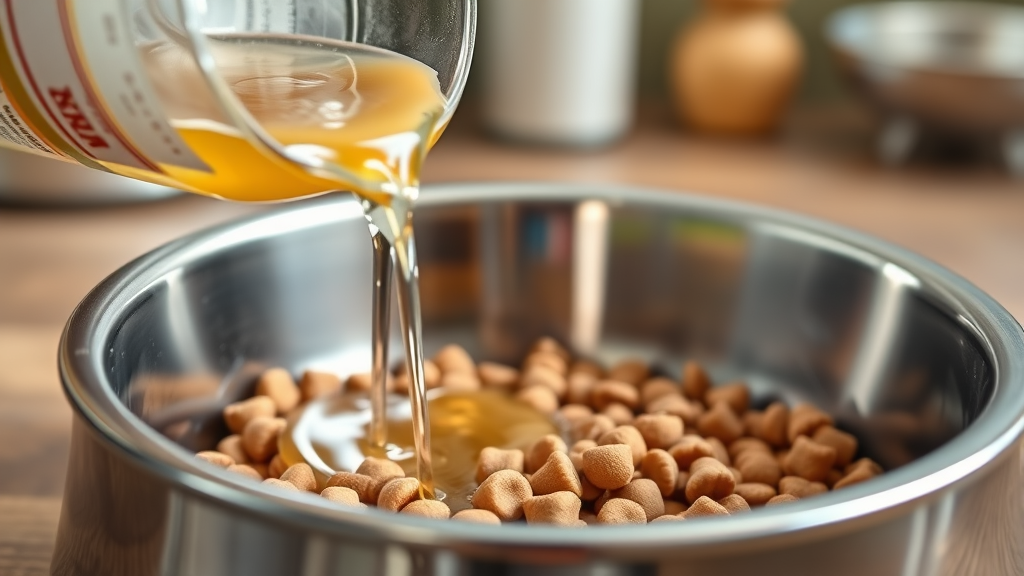
Determining the correct dosage of apple cider vinegar for your dog is crucial for safety and effectiveness. The general guideline is to start with small amounts and gradually increase if needed. For most dogs, adding 1/4 to 1/2 teaspoon of apple cider vinegar per 25 pounds of body weight to their food or water once daily is sufficient.
Never give apple cider vinegar to your dog undiluted, as the high acidity can damage tooth enamel and irritate the digestive system. Always dilute it with water at a ratio of at least 1:1, though 1:2 or 1:3 ratios are often safer for sensitive dogs. You can mix it into their food, add it to their water bowl, or administer it directly using a syringe if your dog tolerates it well.
When introducing apple cider vinegar to your dog’s routine, start with even smaller amounts – perhaps just a few drops – and monitor your pet for any adverse reactions. Some dogs may experience digestive upset initially, which usually resolves as their system adjusts. If you’re dealing with specific digestive issues, you might also want to learn about what to feed your dog during stomach troubles.
Safety Considerations and Potential Risks
While apple cider vinegar can be beneficial for dogs, it’s important to understand the potential risks and contraindications. Dogs with certain health conditions should avoid apple cider vinegar entirely. These include dogs with kidney disease, as the additional acid load can strain already compromised kidneys, and dogs with stomach ulcers or other gastrointestinal issues that could be exacerbated by acid.
The high acidity of apple cider vinegar can also interact with certain medications, particularly diuretics and insulin. If your dog is on any medications, consult with your veterinarian before adding apple cider vinegar to their routine. The American Veterinary Medical Association emphasizes the importance of discussing any complementary treatments with a qualified veterinarian.
Signs of apple cider vinegar toxicity in dogs include vomiting, diarrhea, loss of appetite, and lethargy. If you notice any of these symptoms after introducing apple cider vinegar, discontinue use immediately and contact your veterinarian. Some dogs may also be allergic to apple products, so watch for signs of allergic reactions such as itching, swelling, or difficulty breathing.
It’s also worth noting that apple cider vinegar should never be used as a substitute for proper veterinary care. While it can be a helpful supplement, serious health issues require professional medical attention. If your dog has persistent digestive problems, learning how to stop diarrhea through proper veterinary guidance is essential.
Topical Applications for Skin and Coat
Apple cider vinegar can be highly effective when applied topically to address various skin and coat issues in dogs. Its natural antimicrobial properties make it useful for treating minor skin infections, hot spots, and fungal conditions like yeast infections. When diluted properly (typically 1 part vinegar to 3-4 parts water), it can be applied directly to affected areas using a spray bottle or cotton ball.
For dogs with itchy, flaky skin, an apple cider vinegar rinse after bathing can help restore the skin’s natural pH balance and reduce irritation. Mix one cup of apple cider vinegar with two cups of warm water and pour over your dog after their regular bath, being careful to avoid the eyes and any open wounds. Don’t rinse it off – simply towel dry your dog as usual.
Ear infections are another area where apple cider vinegar can be beneficial, though this should be approached with caution. If you suspect your dog has an ear infection, it’s important to first understand how to treat ear infections properly. For routine ear cleaning and maintenance, learning the proper technique for cleaning dogs’ ears is essential before attempting any home remedies.
The natural acidity of apple cider vinegar also makes it an effective flea and tick deterrent when used as part of a comprehensive pest control program. A diluted apple cider vinegar spray can be applied to your dog’s coat before walks in heavily infested areas, though it should never replace proven flea and tick prevention methods recommended by your veterinarian.

Supporting Digestive Health
One of the most well-documented benefits of apple cider vinegar for dogs is its positive impact on digestive health. The natural probiotics and enzymes present in raw, unfiltered apple cider vinegar can help maintain a healthy balance of beneficial bacteria in your dog’s gut microbiome. This is particularly important for dogs who have been on antibiotics or those experiencing digestive upset.
Apple cider vinegar may help improve nutrient absorption by increasing stomach acid production, which is essential for breaking down proteins and absorbing minerals. This can be especially beneficial for older dogs whose natural stomach acid production may have declined with age. Studies in veterinary nutrition have shown that maintaining proper stomach pH is crucial for optimal digestion in dogs.
For dogs prone to digestive issues, apple cider vinegar can be combined with other natural remedies. Just as some pet owners explore whether dogs can eat ginger for stomach upset, apple cider vinegar offers another natural option for supporting digestive comfort. Many owners find that the combination of proper diet and small amounts of apple cider vinegar helps maintain their dog’s digestive regularity.
The prebiotic properties of apple cider vinegar can also support the growth of beneficial bacteria in the intestines, which plays a crucial role in immune function since approximately 70% of the immune system is located in the gut. This makes apple cider vinegar a valuable tool for supporting overall health, not just digestive function.
Choosing the Right Apple Cider Vinegar
Not all apple cider vinegar products are created equal, and choosing the right one for your dog is crucial for safety and effectiveness. Always opt for raw, unfiltered, unpasteurized apple cider vinegar that contains “the mother.” This cloudy, stringy substance contains the beneficial bacteria, enzymes, and proteins that provide many of the health benefits.
Avoid apple cider vinegar that has been heavily processed, filtered, or pasteurized, as these processes remove many of the beneficial compounds. Also steer clear of products with added sugars, artificial flavors, or other additives that could be harmful to your dog. The FDA provides guidelines on reading labels for animal products that can help you make informed choices.
Organic apple cider vinegar is generally preferred, as it reduces the risk of pesticide residues that could be harmful to your pet. Look for products that are specifically labeled as safe for pets, or choose high-quality human-grade options from reputable manufacturers.
Storage is also important – keep your apple cider vinegar in a cool, dark place and always check the expiration date. While apple cider vinegar has a long shelf life, using fresh product ensures maximum potency and safety for your dog.
Just as you might research whether other natural products like olive oil or avocado oil are safe for dogs, taking the time to choose quality apple cider vinegar is an investment in your pet’s health.
Frequently Asked Questions
Is apple cider vinegar safe for all dogs?
While apple cider vinegar is generally safe for most healthy dogs when used in appropriate amounts, it’s not suitable for all dogs. Dogs with kidney disease, stomach ulcers, or other gastrointestinal issues should avoid apple cider vinegar. Additionally, dogs on certain medications, particularly diuretics or insulin, should not be given apple cider vinegar without veterinary approval. Always consult with your veterinarian before adding any new supplement to your dog’s routine, especially if your pet has existing health conditions.
How much apple cider vinegar should I give my dog?
The recommended dosage is typically 1/4 to 1/2 teaspoon per 25 pounds of body weight, given once daily. Always dilute the vinegar with water at a ratio of at least 1:1, though 1:2 or 1:3 ratios are often safer. Start with smaller amounts and gradually increase if needed. Never give undiluted apple cider vinegar to your dog, as the high acidity can cause digestive upset and damage tooth enamel.
Can apple cider vinegar help with my dog’s skin allergies?
Apple cider vinegar may help with certain skin conditions due to its antimicrobial properties and ability to restore the skin’s natural pH balance. It can be effective for treating minor skin infections, hot spots, and fungal conditions. However, it’s not a cure-all for allergies. For persistent or severe skin issues, it’s important to work with a veterinarian to identify the underlying cause and develop an appropriate treatment plan. The ASPCA provides comprehensive information about common skin problems in dogs.
Will apple cider vinegar repel fleas and ticks?
Apple cider vinegar can act as a natural deterrent for fleas and ticks, but it should not be relied upon as the sole method of pest control. The acidic environment it creates on your dog’s skin and coat may make it less appealing to these parasites. However, for effective flea and tick prevention, you should use proven veterinary-approved products in combination with natural deterrents like apple cider vinegar.
Can I use apple cider vinegar to clean my dog’s ears?
Diluted apple cider vinegar can be used for routine ear cleaning in healthy dogs, but it should never be used if you suspect an ear infection or if there are any signs of irritation, redness, or discharge. Always dilute the vinegar significantly (1:4 ratio with water) and never pour it directly into the ear canal. If your dog shows any signs of ear problems, consult with a veterinarian before attempting any home treatments.
Are there any side effects of giving apple cider vinegar to dogs?
Potential side effects include digestive upset, vomiting, diarrhea, and loss of appetite, especially when first introducing apple cider vinegar or when using too large an amount. Some dogs may also experience tooth enamel erosion if given undiluted vinegar regularly. If you notice any adverse reactions, discontinue use immediately and consult with your veterinarian. Signs of toxicity include persistent vomiting, lethargy, and loss of appetite.
Can apple cider vinegar interact with my dog’s medications?
Yes, apple cider vinegar can potentially interact with certain medications, particularly diuretics, insulin, and heart medications. The acetic acid in vinegar can affect how these medications are absorbed and metabolized. If your dog is taking any medications, it’s essential to discuss the use of apple cider vinegar with your veterinarian before starting supplementation. The AVMA provides guidance on medication safety for pets.
Is it better to add apple cider vinegar to food or water?
Both methods can be effective, but adding it to food is often preferred as it ensures your dog consumes the entire dose and may be less likely to cause stomach upset. When adding to water, some dogs may refuse to drink due to the taste or smell. If using the water method, start with very small amounts to avoid deterring your dog from drinking adequate water. You can also explore other beneficial additions to your dog’s diet, such as learning about ginger’s benefits for digestive health.





