

Is asparagus good for dogs? The short answer is yes—but with some important caveats that every dog owner needs to know before tossing their pup a spear at dinner time. While asparagus can be a healthy, low-calorie treat for your furry friend, there are specific preparation methods and safety considerations that make all the difference between a nutritious snack and a potential choking hazard.
Table of Contents
- Can Dogs Eat Asparagus? The Nutritional Breakdown
- Raw vs. Cooked Asparagus for Dogs: Which Is Safer?
- Asparagus Toxicity: What You Actually Need to Worry About
- Choking Risks and How to Prevent Them
- Digestive Benefits and Fiber Content
- Asparagus for Dogs with Specific Health Conditions
- Portion Control: How Much Asparagus Can Dogs Have?
- Preparation Methods That Keep Your Dog Safe
- When to Avoid Asparagus: Red Flags and Contraindications
- Alternatives to Asparagus: Other Dog-Safe Vegetables
- Frequently Asked Questions
- Final Thoughts: Making Asparagus Work for Your Dog
Can Dogs Eat Asparagus? The Nutritional Breakdown
Asparagus is packed with vitamins and minerals that benefit both humans and dogs. This green vegetable contains vitamins A, C, E, and K, along with folate and chromium. For dogs, these nutrients support immune function, bone health, and overall wellness. The vegetable is also incredibly low in calories—perfect for dogs watching their waistline. However, the nutritional benefits only matter if you prepare it correctly and serve it safely.
When considering human foods for weight management in pets, asparagus stands out as an excellent choice. At just 3 calories per spear, it’s an ideal treat for dogs on a diet who still crave something crunchy and satisfying.
Raw vs. Cooked Asparagus for Dogs: Which Is Safer?
This is where preparation becomes critical. Raw asparagus poses a significant choking risk, especially for enthusiastic eaters and smaller breeds. The tough, fibrous texture doesn’t break down easily, and dogs often try to swallow large pieces whole. Cooked asparagus is dramatically safer because heat softens the vegetable, making it easier to chew and digest.
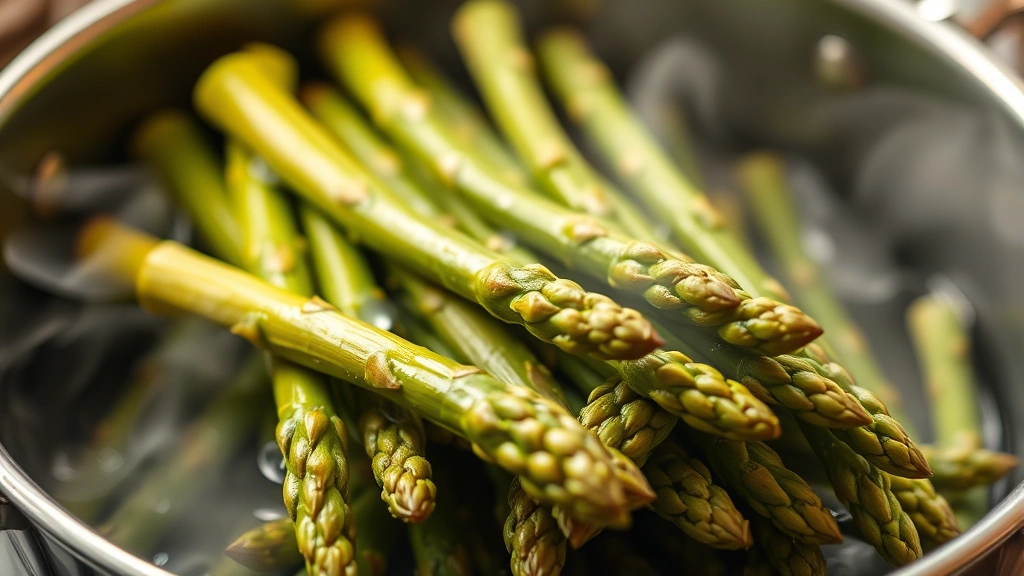
The best approach is to steam or boil asparagus until it’s tender enough that you can easily break it with a fork. Never serve it with butter, garlic, onions, or excessive salt—these additions can harm your dog. Plain, cooked asparagus is the golden standard for dog-safe preparation.
Asparagus Toxicity: What You Actually Need to Worry About
Here’s the good news: asparagus itself isn’t toxic to dogs. Unlike toxic vegetables for dogs such as onions, garlic, and grapes, asparagus won’t poison your pet. The real dangers come from how it’s prepared and served. The asparagus fern (the berry-like fruit that appears on mature plants) is mildly toxic and should never be given to dogs, but the edible spear that we eat is perfectly safe.
What makes asparagus potentially problematic is the choking hazard factor. Veterinary emergency clinics see cases of dogs choking on raw asparagus more often than you’d think, particularly in breeds with a tendency to gulp food without proper chewing.
Choking Risks and How to Prevent Them
The asparagus choking hazard is real and shouldn’t be dismissed. Raw asparagus spears are the perfect size and texture to lodge in a dog’s throat, and the fibrous nature means it won’t dissolve or break apart easily. Dogs with enthusiastic eating habits are at highest risk, but even careful eaters can have accidents.
To prevent choking incidents: always cook asparagus until soft, cut it into small pieces (no longer than half an inch), and supervise your dog while eating. Never leave asparagus lying around where your dog might snatch it unsupervised. If you’re serving it as a training treat, break it into tiny bits first.
Digestive Benefits and Fiber Content
Cooked asparagus can actually support your dog’s digestive health. The vegetable contains inulin, a type of prebiotic fiber that feeds beneficial gut bacteria. This can improve digestive efficiency and overall gut health, though you’d need to serve asparagus regularly for significant benefits. The fiber content also promotes healthy bowel movements and can help with weight management.
However, too much fiber too quickly can cause digestive upset. Introduce asparagus gradually, starting with small amounts to let your dog’s system adjust. If your dog has sensitive digestion or existing gastrointestinal issues, consult your vet before adding asparagus to their diet.
Asparagus for Dogs with Specific Health Conditions
Dogs with arthritis or joint problems may benefit from asparagus’s anti-inflammatory compounds. The vegetable contains glutathione, an antioxidant that supports joint health and may help reduce inflammation. For senior dogs or those with mobility issues, this could be a valuable addition to their diet.
Dogs with diabetes should enjoy asparagus in moderation due to its very low carbohydrate content. It won’t spike blood sugar levels, making it an excellent treat option for diabetic dogs. Always check with your veterinarian about dietary changes for dogs with existing health conditions.
Portion Control: How Much Asparagus Can Dogs Have?
Even healthy foods need portion control. Asparagus should never make up more than 10% of your dog’s daily caloric intake. For most dogs, this means 1-3 small pieces of cooked asparagus per day is appropriate. Larger breeds can handle slightly more, while small breeds and toy breeds should stick to smaller portions.
Think of asparagus as an occasional treat or supplement to their regular diet, not a meal replacement. Your dog still needs their complete and balanced commercial dog food to get all necessary nutrients. Asparagus is a supplement, not a substitute.
Preparation Methods That Keep Your Dog Safe
Steaming is the ideal preparation method because it preserves nutrients while softening the vegetable. Boiling works too but can leach some water-soluble vitamins. Never use oil, butter, salt, or seasonings. Some dogs enjoy frozen asparagus pieces as a cooling treat on hot days—just ensure they’re plain and cut into safe sizes.
Avoid canned asparagus, which often contains added sodium that isn’t appropriate for dogs. Fresh or frozen plain asparagus is always the best choice. If you’re buying frozen asparagus, check the ingredient list to ensure there are no added seasonings or preservatives.
When to Avoid Asparagus: Red Flags and Contraindications
Certain situations warrant skipping asparagus entirely. Dogs with known vegetable sensitivities, severe digestive issues, or those recovering from gastrointestinal surgery should avoid it. Dogs with difficulty swallowing or a history of choking incidents should definitely not have asparagus, regardless of how well-cooked it is.
If your dog has kidney disease, consult your vet before adding asparagus to their diet, as the vegetable contains compounds that may not be ideal for compromised kidneys. Pregnant or nursing dogs have different nutritional needs, so check with your veterinarian before introducing new foods.
Alternatives to Asparagus: Other Dog-Safe Vegetables
If asparagus doesn’t work for your dog, plenty of alternatives exist. Carrots, green beans, and pumpkin are excellent vegetable options. Can dogs eat apples? Yes, and they’re another great option. Peas, sweet potato, and broccoli (in small amounts) are also safe and nutritious choices.
Each vegetable offers different nutritional profiles, so rotating options keeps your dog’s diet interesting and provides varied nutrients. The key is always cooking appropriately and serving in safe portions.

Frequently Asked Questions
Is raw asparagus safe for dogs?
Raw asparagus poses a significant choking hazard due to its tough, fibrous texture. While not toxic, it’s safer to cook asparagus until soft before serving to your dog. Always cut cooked asparagus into small, manageable pieces.
Can asparagus cause digestive problems in dogs?
Asparagus is generally gentle on digestion and can actually support digestive health due to its prebiotic fiber content. However, introducing too much too quickly can cause mild digestive upset. Start with small amounts and increase gradually.
How often can I give my dog asparagus?
Asparagus can be offered as an occasional treat a few times per week. It should never exceed 10% of your dog’s daily caloric intake. For most dogs, 1-3 small pieces of cooked asparagus per serving is appropriate.
What parts of asparagus are toxic to dogs?
The edible asparagus spear is safe, but the asparagus fern (berries on mature plants) is mildly toxic. Always use only the tender spears and avoid any other parts of the plant.
Can puppies eat asparagus?
Puppies can eat cooked, soft asparagus in very small amounts once they’re eating solid food. However, their primary nutrition should come from high-quality puppy food formulated for their developmental needs. Introduce new foods gradually and consult your vet.
Should I be concerned about pesticides on asparagus for dogs?
Washing asparagus thoroughly before cooking helps remove surface pesticides. Organic asparagus is an option if you’re concerned about pesticide residue, though conventional asparagus is safe when properly washed.
Final Thoughts: Making Asparagus Work for Your Dog
So, is asparagus good for dogs? Absolutely—when prepared correctly and served safely. This nutritious, low-calorie vegetable can be a wonderful addition to your dog’s diet, offering vitamins, minerals, and fiber without the guilt of high-calorie treats. The key is remembering that cooked, soft, and properly portioned asparagus is the only safe way to serve it.
Check out our guide on what not to feed your dog for a comprehensive overview of foods to avoid, and explore skin and coat health foods to learn about other nutritious options that support your dog’s overall wellness.
Always introduce new foods gradually and monitor your dog for any adverse reactions. When in doubt, consult your veterinarian—they know your individual dog’s health status and can provide personalized dietary recommendations. Your dog’s safety and health should always come first, and with proper preparation, asparagus can be a safe, healthy treat that your pup will enjoy.





