
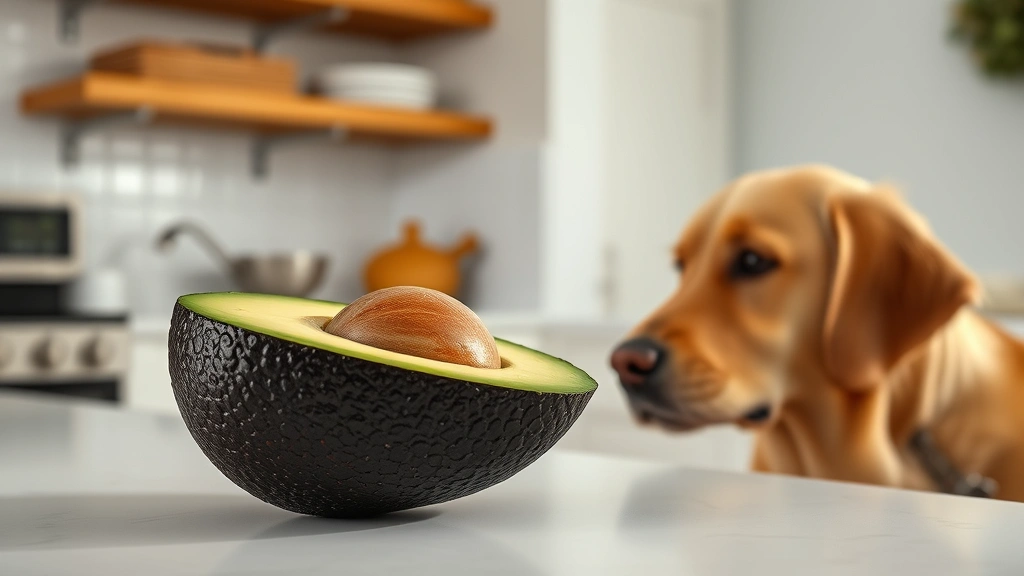
Is avocado bad for dogs? Yes, and it’s way more complicated than just saying “don’t feed it to Fido.” If you’re a dog owner who loves avocado toast as much as your pup loves stealing food off the counter, we need to have a serious chat. The truth is, avocados contain a compound called persin that can make your furry friend genuinely sick, but the devil’s in the details—and those details might just save your dog’s life.
Table of Contents
- What Exactly Is Persin and Why Should You Care?
- The Pit and Leaves: The Real Dangerous Parts
- Avocado Toxicity Symptoms: What to Watch For
- Breed and Size Matter: Why Your Chihuahua Isn’t Your Lab
- The Guacamole Complication: It’s Not Just Avocado
- When Should You Actually Panic? The Real Risk Assessment
- Safe Alternatives: What Your Dog Can Actually Eat Instead
- Prevention: How to Avocado-Proof Your Home
- What Vets Actually Say About Avocado and Dogs
- Related Toxic Foods: Expand Your Dog Food Safety Knowledge
- Frequently Asked Questions
- Conclusion: Keep Avocado Away From Your Furry Friend
What Exactly Is Persin and Why Should You Care?
Let’s talk about the villain in this story: persin. This naturally occurring fungicidal toxin is found in avocado trees, leaves, bark, and most importantly, the fruit itself. When your dog ingests persin, it can cause some seriously unpleasant side effects. The compound is the plant’s defense mechanism against fungi, but your dog’s digestive system? Not equipped to handle it.
Persin primarily affects the heart, lungs, and digestive tract. In severe cases, it can lead to myocarditis (inflammation of the heart muscle), which sounds way scarier than it probably needs to be right now, but it’s important to understand the severity. Most vets agree that the concentration of persin in avocado flesh is relatively low compared to other parts of the plant, which is why some avocado exposure might not cause immediate catastrophe.
The Pit and Leaves: The Real Dangerous Parts
Here’s where it gets interesting. The highest concentration of persin isn’t actually in the creamy green flesh you’re spreading on your toast—it’s in the pit, leaves, and bark. If your dog somehow manages to swallow an avocado pit whole (and yes, dogs do stupid things), you’re looking at a dual problem: persin toxicity AND a potential choking hazard or intestinal blockage.
The pit is roughly the size of a small fist, and while it’s unlikely to pass through your dog’s digestive system smoothly, it can absolutely cause serious complications. This is one of those scenarios where you should definitely call your vet immediately. Check out our guide on when to call the vet about food to understand the warning signs better.
Avocado Toxicity Symptoms: What to Watch For
So your golden retriever just ate half an avocado from your plate. Panic mode: activated. But before you rush to the emergency vet, let’s talk about what symptoms actually indicate a problem. Avocado poisoning in dogs isn’t always immediately obvious, and symptoms can develop over several hours.
Common signs of avocado toxicity include vomiting, diarrhea, abdominal pain, difficulty breathing, and in severe cases, heart arrhythmias. Your dog might seem lethargic or depressed. Some dogs experience pancreatitis, which is inflammation of the pancreas—and that’s genuinely painful. If your pup ate a large amount or consumed the pit, you should absolutely contact your veterinarian or poison control immediately.
The good news? Most dogs who eat a small amount of avocado flesh experience mild to moderate symptoms that resolve with supportive care. The bad news? There’s no way to know exactly how much is “too much” for your specific dog without professional guidance.
Breed and Size Matter: Why Your Chihuahua Isn’t Your Lab
A critical factor in avocado toxicity is your dog’s size. A 100-pound German Shepherd who steals a bite of avocado is in a very different situation than a 5-pound Chihuahua who eats the same amount. Toxicity is often dose-dependent, meaning the amount of toxin relative to body weight matters significantly.
Smaller breeds are more susceptible to serious complications from the same exposure that might cause only mild symptoms in larger dogs. This is why you absolutely need to know your dog’s weight and provide that information to your vet if poisoning is suspected. It’s also why leaving avocados on your kitchen counter is basically asking for trouble if you have a small dog who thinks your food is communal property.
The Guacamole Complication: It’s Not Just Avocado
Here’s where it gets really tricky. Most people don’t eat plain avocado—they make guacamole. And guacamole contains ingredients that are even worse for dogs than avocado itself. Garlic and onions, common guacamole ingredients, are toxic to dogs and can damage their red blood cells. Lime juice, salt, and spices add additional risks.
So if your dog ate guacamole instead of plain avocado, you’re dealing with a compound toxicity situation. This absolutely warrants a call to your vet or the ASPCA Animal Poison Control Center. Don’t assume it’s fine just because it’s “only a little bit.”
When Should You Actually Panic? The Real Risk Assessment
Let’s be honest: not every avocado exposure requires an emergency vet visit. A dog who ate a small piece of avocado flesh might experience nothing at all, or mild digestive upset that resolves on its own. However, certain scenarios definitely warrant professional attention.
If your dog consumed the pit, leaves, or a large amount of flesh, call your vet immediately. If your dog is showing any symptoms like vomiting, diarrhea, difficulty breathing, or lethargy after avocado exposure, don’t wait—get professional help. If your dog is a small breed or has pre-existing health conditions, err on the side of caution. Your vet would rather have you call with a false alarm than miss something serious.
According to the American Kennel Club, avocado toxicity in dogs is relatively uncommon compared to other food poisonings, but it’s still serious enough to prevent intentional feeding.
Safe Alternatives: What Your Dog Can Actually Eat Instead
If you’re looking to share healthy human foods with your pup, you’ve got plenty of options that won’t make you nervous. Check out our comprehensive guide on puppy safe human foods for detailed suggestions. In the meantime, here are some avocado alternatives that are actually dog-friendly.
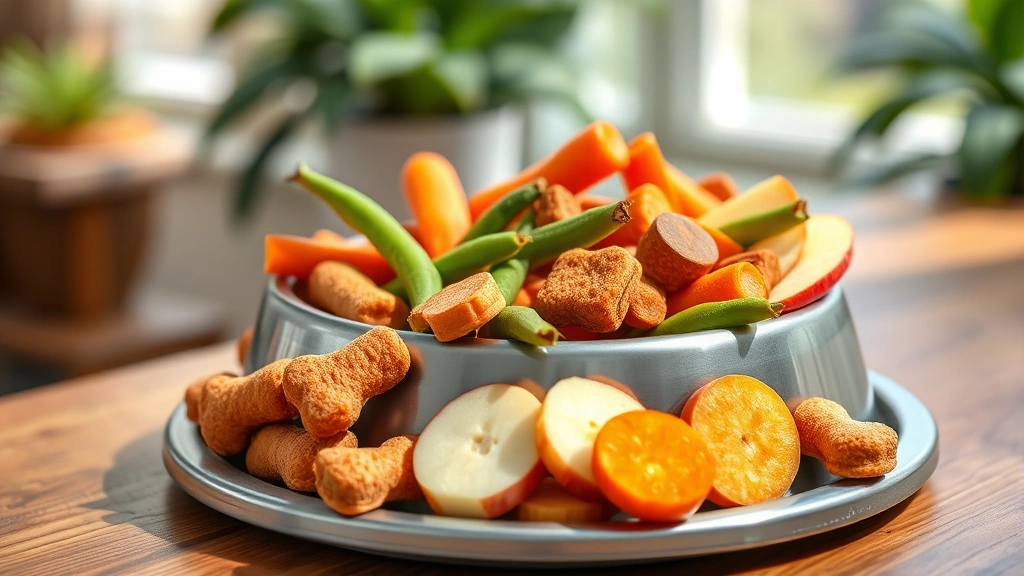
Carrots, green beans, sweet potatoes, and pumpkin are all excellent options that provide fiber and nutrients without the toxicity risk. Apples (without seeds) are great too—learn more about can dogs eat apples for specific guidelines. Watermelon, bananas, and blueberries are also safe choices for occasional treats.
The key is moderation. These should supplement your dog’s regular diet, not replace it. And if your dog has food allergies or sensitivities, consult your vet before introducing new foods. For more information on this topic, check out human foods for pets with food allergies.
Prevention: How to Avocado-Proof Your Home
The easiest way to handle avocado toxicity is to prevent exposure in the first place. This means being intentional about where you store avocados and how you handle them around your dog. Keep avocados in a secure location—preferably somewhere your dog can’t access, even if they’re being their most creative self.
Don’t leave avocado pits lying around in the trash where curious dogs might dig them out. Dispose of them securely. If you’re eating avocado or guacamole, don’t leave your plate unattended, and definitely don’t share bites with your dog. Train your dog to respect your personal space during meals—this is a good rule for many reasons beyond avocado safety.
If you have avocado trees in your yard, ensure your dog can’t access the leaves, bark, or fallen fruit. This is especially important if you live in a climate where avocados grow naturally. Some dog owners with avocado trees actually fence off the area to prevent accidental ingestion.
What Vets Actually Say About Avocado and Dogs
Most veterinarians take a conservative approach to avocado and dogs. According to PetMD, while avocado toxicity is possible, most cases result in mild symptoms. However, vets universally recommend avoiding avocado entirely rather than playing Russian roulette with your dog’s health.
The reason for this conservative stance is simple: there’s too much individual variation. We don’t know exactly how much persin will cause serious symptoms in your specific dog. We don’t know if your dog has underlying health conditions that make them more susceptible. We don’t know if the avocado they ate was particularly high in persin content.
Given all these unknowns, the safest recommendation is: don’t feed avocado to your dog, period. It’s not worth the risk when there are so many safer alternatives available.
Related Toxic Foods: Expand Your Dog Food Safety Knowledge
If you’re worried about avocado, you should probably expand your knowledge about other toxic foods too. There are plenty of human foods that are way more dangerous than avocado. Chocolate, grapes, raisins, xylitol (artificial sweetener), and macadamia nuts are all significantly more toxic to dogs than avocado.

For a comprehensive overview of foods to avoid, check out our guide on toxic vegetables for dogs. This will help you understand the broader landscape of food safety for your pup. Building a solid understanding of which foods are dangerous is one of the best investments you can make in your dog’s health.
Frequently Asked Questions
Can dogs eat avocado at all?
Technically, a small amount of avocado flesh is unlikely to cause serious harm in most dogs, but veterinarians universally recommend avoiding it entirely. The risk isn’t worth it when safer alternatives exist. If your dog accidentally ate a small piece, monitor them for symptoms, but don’t intentionally feed avocado to your dog.
What should I do if my dog ate avocado?
First, determine what part of the avocado they ate and how much. If they ate the pit, leaves, or a large amount of flesh, contact your vet or poison control immediately. If they ate a small piece of flesh, monitor them closely for symptoms like vomiting, diarrhea, difficulty breathing, or lethargy. Call your vet if any symptoms develop.
How much avocado is toxic to dogs?
There’s no universally established toxic dose because it depends on your dog’s size, health status, and individual sensitivity. However, the pit and leaves contain much higher concentrations of persin than the flesh. To be safe, assume that any intentional avocado feeding is a bad idea.
Is guacamole safer than plain avocado?
No, guacamole is actually worse because it typically contains garlic and onions, which are toxic to dogs. These ingredients can damage red blood cells and cause serious health problems. Never feed guacamole to your dog under any circumstances.
What are the first signs of avocado poisoning in dogs?
Early signs include vomiting, diarrhea, abdominal pain, and loss of appetite. More serious symptoms include difficulty breathing, lethargy, heart arrhythmias, and signs of pancreatitis. If you notice any of these symptoms after avocado exposure, contact your vet immediately.
Can avocado cause death in dogs?
While fatal cases are rare, severe avocado toxicity can cause myocarditis (heart inflammation) and other serious complications that could potentially be life-threatening, especially in small breeds or dogs with pre-existing health conditions. This is why prevention and early intervention are so important.
Conclusion: Keep Avocado Away From Your Furry Friend
So, is avocado bad for dogs? Yes, absolutely. While not every avocado exposure will result in a veterinary emergency, the compound persin poses a genuine health risk that’s simply not worth taking. The pit, leaves, and bark are particularly dangerous, and guacamole adds additional toxins to the equation.
Your best strategy is prevention: keep avocados secure, don’t share your guacamole, and educate yourself about other toxic foods. If your dog accidentally eats avocado, stay calm, assess the situation, and contact your vet if necessary. Most importantly, remember that there are plenty of dog-safe alternatives that will make your pup just as happy without the health risks.
By understanding the real risks and taking appropriate precautions, you can keep your dog safe while still enjoying your avocado toast guilt-free. Your dog will thank you—or at least, they’ll stop giving you those sad eyes from under the table.





