
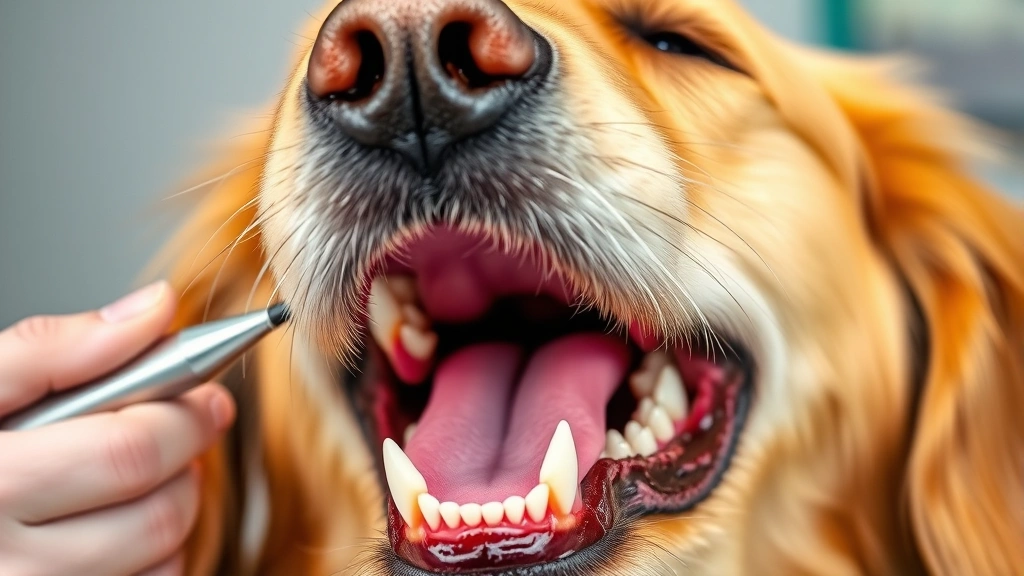
Is Bad Breath in Dogs a Sign of Illness? Find Out
If your furry best friend greets you with a kiss that could knock you over, you’re not alone. Bad breath in dogs is one of the most common complaints pet parents bring to their veterinarians, and it’s definitely not something to ignore. While that morning “puppy breath” might be endearing, persistent foul odor coming from your dog’s mouth could be waving a red flag about their health. The question isn’t really whether bad breath is normal—it’s whether it’s telling you something important about what’s going on inside your pup’s body.
Here’s the thing: a dog’s breath shouldn’t smell like roses, but it also shouldn’t smell like a garbage disposal. There’s a significant difference between the mild, slightly sweet smell of healthy dog breath and the overwhelming stench that makes you want to fumigate the living room. Understanding this distinction could be the key to catching serious health issues early and keeping your four-legged companion in tip-top shape.
Let’s dive into the world of canine halitosis and discover what your dog’s breath is really trying to tell you about their wellbeing.
Understanding Normal vs. Abnormal Dog Breath
Before you panic about every whiff of dog breath, let’s establish what’s actually normal. Puppies, particularly those under six months old, often have what’s called “puppy breath”—a slightly sweet, inoffensive odor that many dog lovers find charming. This natural scent typically fades as they mature. Adult dogs with healthy mouths should have breath that’s relatively neutral; you might notice a mild, slightly meaty smell, but nothing that’s revolting.
The problem arises when that smell crosses into unpleasant territory. If your dog’s breath smells like rotten food, sulfur, or something genuinely foul, that’s your cue to pay attention. Some dogs’ breath can smell like fish, which often indicates specific health issues that deserve investigation. In fact, if you’re wondering why your dog’s breath smells like fish, it could point to several underlying conditions worth exploring.
The intensity and persistence of bad breath matter too. Occasional, mild odor after eating certain foods is different from constant, overwhelming stench that lingers no matter what your pup has consumed. The latter is definitely abnormal and warrants veterinary attention. Think of it this way: normal dog breath might occasionally catch your attention, but abnormal dog breath will actively make you want to avoid your dog’s face—that’s the distinction you’re looking for.
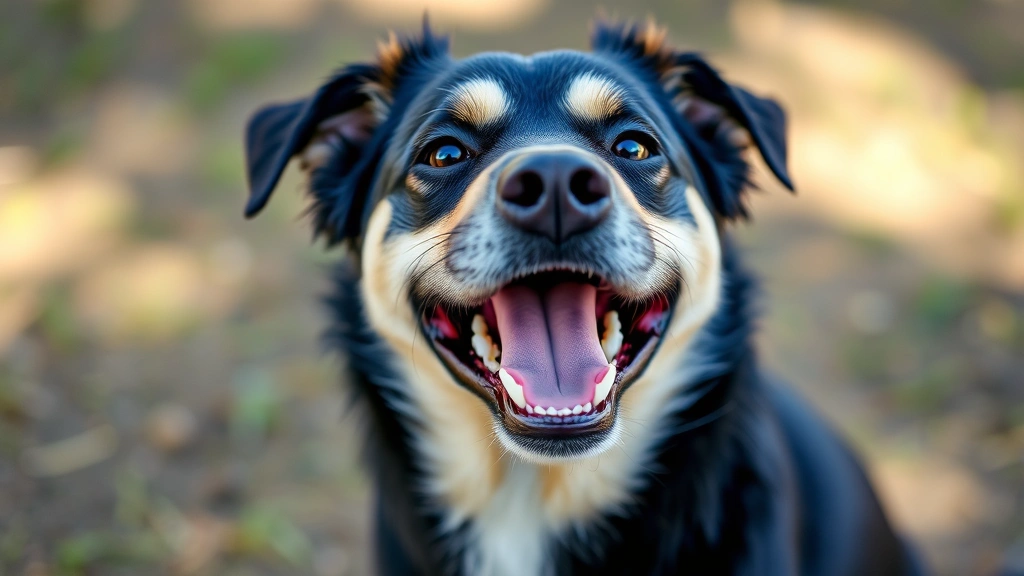
Dental Disease: The Primary Culprit
If bad breath were a crime, dental disease would be the prime suspect in about 80-90% of cases. Periodontal disease is the most common health issue in dogs, affecting millions of canines worldwide. Here’s how it works: bacteria accumulate on your dog’s teeth and gums, forming plaque. Over time, that plaque hardens into tartar, which creates the perfect environment for nasty bacteria to thrive and multiply.
When periodontal disease takes hold, the results are unpleasant. Your dog develops inflamed gums, tooth decay, and potential tooth loss. The bacteria producing acids and toxins create that distinctive foul odor that announces your dog’s dental problems from across the room. But here’s what makes this particularly concerning: it’s not just about fresh breath. Untreated dental disease can lead to systemic infections, where bacteria enter the bloodstream and affect the heart, kidneys, and liver.
The progression typically looks like this: initial plaque buildup (often invisible to the naked eye), visible tartar accumulation (brown or yellow buildup on teeth), gum inflammation and bleeding, tooth loosening, and eventually tooth loss. Throughout this process, bad breath gets progressively worse. If you’ve been wondering why your dog’s breath stinks, dental disease is likely your answer.
Regular dental check-ups during your annual veterinary visits are crucial. Your vet can catch early-stage periodontal disease before it becomes serious. Professional dental cleanings under anesthesia are sometimes necessary to remove tartar buildup and prevent further damage. The good news? There are ways to help, and learning how to get rid of bad dog breath fast often starts with addressing dental health.
Systemic Illnesses Behind the Stink
While dental disease dominates the bad breath conversation, several systemic illnesses can also cause or contribute to foul-smelling canine breath. These conditions go beyond just the mouth and represent broader health concerns that need veterinary investigation.
Kidney Disease: One of the most telling signs of kidney disease in dogs is breath that smells like ammonia or urine. When kidneys aren’t functioning properly, they can’t filter waste effectively, and those waste products end up on your dog’s breath. Senior dogs are particularly susceptible to kidney disease, making regular blood work essential for aging pets. This ammonia-like smell is distinctive enough that experienced veterinarians can often recognize it immediately.
Diabetes: Diabetic dogs sometimes have breath that smells fruity or sweet, almost like nail polish remover or rotting fruit. This occurs when the body breaks down fats for energy, producing ketones that are exhaled through the lungs. Other diabetes symptoms include increased thirst, frequent urination, and weight loss despite increased appetite. If you notice this combination of symptoms, contact your vet promptly.
Liver Disease: Liver problems can cause a distinctive “musty” or “sulfurous” smell on the breath. When the liver isn’t processing toxins effectively, those toxins can be expelled through the lungs and mouth. Dogs with liver disease might also show signs of yellowing in the eyes or gums, lethargy, or changes in appetite.
Oral Infections and Abscesses: Beyond simple plaque buildup, serious infections in the mouth or tooth root abscesses can create intensely foul breath. These conditions are often painful and require immediate veterinary intervention. You might notice your dog pawing at their mouth, difficulty eating, or swelling around the jaw area.

Gastrointestinal Issues: Sometimes bad breath originates from problems further down the digestive tract. Acid reflux, gastritis, or other GI issues can cause unpleasant odors. If your dog’s breath smells like vomit or decaying food, gastrointestinal problems might be responsible.
According to the Association of American Feed Control Officials, nutritional deficiencies can also contribute to oral health problems and bad breath. Ensuring your dog receives proper nutrition is foundational to their overall health, including their breath quality.
Dietary and Lifestyle Factors
Not all bad breath originates from disease. Sometimes it’s simply about what your dog is eating or how they’re living their life. Certain foods naturally produce stronger odors, and some lifestyle habits can exacerbate oral hygiene issues.
Food Choices: Some dogs thrive on raw diets, while others do better on commercial kibble. Regardless of the diet type, certain foods can temporarily affect breath. Garlic and onions, which are actually toxic to dogs and should be avoided entirely, can cause particularly strong odors if accidentally consumed. Fish-based dog foods or treats can also create that distinctive fishy smell on the breath, which isn’t necessarily indicative of illness but rather just the food breaking down in the mouth.
Dry Mouth: Dogs who don’t drink enough water or who have naturally dry mouths are more susceptible to bacterial overgrowth. Saliva is nature’s natural cleanser for the mouth, so when it’s insufficient, bacteria flourish and bad breath develops. Encouraging your dog to drink more water is a simple but effective preventative measure.
Oral Hygiene Habits: Just like humans, dogs benefit tremendously from regular tooth cleaning. While many people assume dogs can’t have their teeth brushed, it’s entirely possible and highly beneficial. If traditional brushing seems challenging, there are alternative methods available. Learning how to clean dog teeth without brushing can help you maintain oral health even if your pup resists the toothbrush.
Chewing Habits: Dogs who chew on appropriate toys and treats naturally clean their teeth through friction. Dental chews, rubber toys, and even raw carrots can help reduce plaque buildup. However, ensure any chewing items are appropriate for your dog’s size and chewing strength to avoid choking hazards or broken teeth.
Allergies and Inflammation: If your dog suffers from allergies, the inflammation and secondary infections that result can contribute to bad breath. Allergic dogs often have inflamed gums and oral tissues, creating an environment where bacteria thrive. If you suspect allergies are playing a role, exploring what you can give your dog for allergies might help address the root cause.
When to Contact Your Veterinarian
Knowing when to schedule a vet appointment versus when to wait is an important part of responsible pet ownership. Here are the situations where bad breath warrants immediate veterinary attention:
- Sudden onset: If your dog’s breath suddenly becomes foul when it was previously normal, that’s a red flag. Sudden changes often indicate acute illness or infection.
- Accompanied by other symptoms: If bad breath appears alongside lethargy, loss of appetite, excessive drooling, difficulty eating, or behavioral changes, contact your vet promptly.
- Visible oral abnormalities: Swelling, bleeding gums, loose teeth, or visible sores in the mouth all require professional evaluation.
- Ammonia-like smell: This distinctive odor suggests kidney disease or other serious conditions and warrants immediate investigation.
- Accompanied by fever symptoms: If you’re concerned your dog might have a fever along with bad breath, learning how to tell if a dog has a fever can help you assess the situation.
- Persistent despite diet changes: If you’ve adjusted your dog’s diet and maintained good oral hygiene but bad breath persists for more than a few weeks, professional help is needed.
Even if none of these specific situations apply, bad breath that’s noticeably different from your dog’s baseline is worth mentioning at your next regular veterinary check-up. Your vet can perform a thorough oral examination and recommend appropriate next steps, whether that’s professional cleaning, additional testing, or dietary modifications.
Prevention and Treatment Strategies
Now that we’ve covered the causes, let’s focus on what you can actually do to prevent or treat bad breath in your dog. Prevention is always preferable to treatment, so establishing good habits early pays dividends.
Daily Dental Care: Brushing your dog’s teeth daily is the gold standard for oral hygiene. Use a dog-specific toothpaste (human toothpaste can upset their stomach) and a soft-bristled brush. Start slowly if your dog isn’t accustomed to it, making it a positive experience with praise and treats. Even three to four times per week provides significant benefits.
Professional Dental Cleanings: Schedule professional dental cleanings with your veterinarian as recommended, typically annually or more frequently for dogs with existing dental disease. These cleanings remove tartar buildup that brushing alone can’t address and allow your vet to identify problems early.
Appropriate Diet: Feed high-quality dog food that supports oral health. Some premium kibbles are specifically designed with dental benefits, featuring a texture that provides gentle abrasion as your dog chews. Avoid table scraps and foods that promote bacterial growth.
Dental Treats and Toys: Incorporate dental-specific treats and toys into your dog’s routine. Look for products approved by the Veterinary Oral Health Council, which evaluates products for safety and efficacy.
Regular Veterinary Check-ups: Annual or twice-yearly veterinary visits allow your vet to monitor your dog’s oral health and catch problems before they become serious. Regular blood work can also help identify systemic illnesses that might contribute to bad breath.
Hydration: Ensure your dog has constant access to fresh water. Proper hydration supports saliva production, which naturally cleanses the mouth. Some dogs benefit from water additives that promote oral health, though these should only be used under veterinary guidance.
Addressing Underlying Conditions: If your dog has been diagnosed with diabetes, kidney disease, allergies, or other systemic conditions, managing those conditions effectively will often improve breath quality as a bonus benefit. Work closely with your veterinarian to optimize your dog’s overall health.
According to the American Veterinary Medical Association, dental disease prevention is one of the most important aspects of canine preventive medicine. Taking these steps now can save you money on expensive treatments later while keeping your dog healthier and happier.
Frequently Asked Questions
Is it normal for dogs to have bad breath?
A mild odor is normal in dogs, but distinctly foul or overwhelming breath is not. Healthy adult dog breath should be relatively neutral. If you’re noticing a significant odor, it’s worth investigating the cause with your veterinarian.
What does it mean if my dog’s breath smells like ammonia?
Ammonia-like breath often indicates kidney disease or urinary tract issues. This is a distinctive smell that warrants immediate veterinary evaluation, as kidney disease requires proper management to prevent serious complications.
Can bad breath in dogs be cured?
Yes, in many cases! If the underlying cause is dental disease, professional cleaning and improved home oral care can resolve the issue. If bad breath stems from systemic illness, treating that condition will often improve breath quality. The key is identifying the root cause.
How often should I brush my dog’s teeth?
Daily brushing is ideal, but even three to four times per week provides significant benefits. Any regular brushing is better than none. Consistency matters more than frequency—establishing a routine your dog enjoys is the key to success.
Are there any home remedies for dog bad breath?
While professional veterinary care is essential for serious issues, home remedies can support oral health. These include dental chews, increased water intake, appropriate diet, and regular tooth brushing. However, these are preventative measures, not treatments for existing dental disease or systemic illness.
When is bad breath in dogs an emergency?
Seek emergency care if your dog has severe facial swelling, difficulty breathing, inability to eat, or if the bad breath is accompanied by signs of severe illness like collapse or unresponsiveness. For non-emergency but concerning symptoms, contact your regular veterinarian for an appointment.
Can diet change help with bad breath?
Yes, switching to high-quality food with dental benefits can help. Additionally, if your dog has food allergies or sensitivities causing inflammation, addressing those through diet modification can improve breath. Always consult your veterinarian before making significant dietary changes.
Is professional teeth cleaning safe for older dogs?
Professional cleanings are generally safe for older dogs, though they require pre-anesthetic bloodwork to ensure the dog can safely undergo anesthesia. Many senior dogs benefit from dental cleanings that improve their quality of life and prevent infections.





