
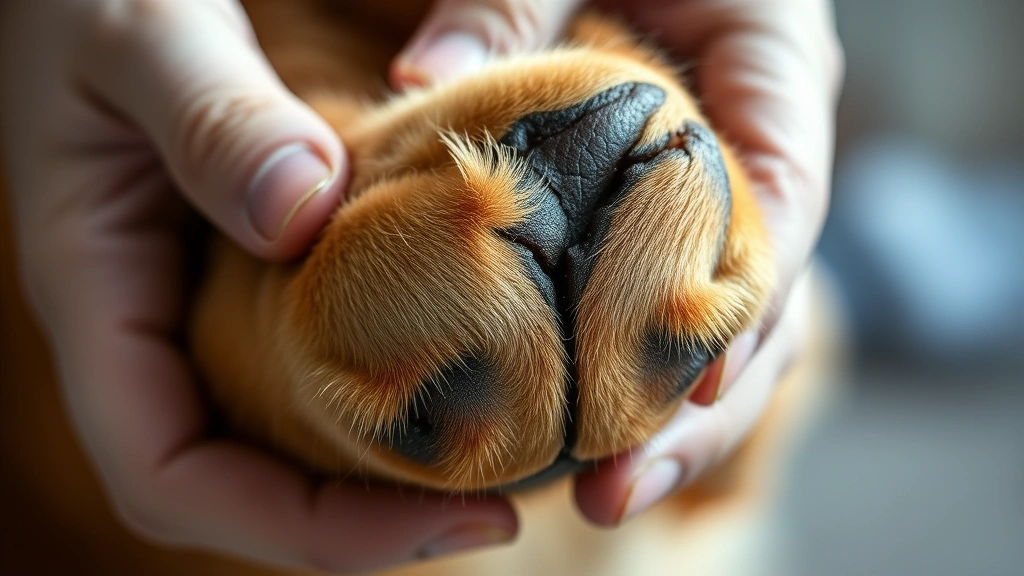
Is bag balm safe for dogs? This is a question that pops up in dog owner forums more often than you’d think, usually around 2 AM when your pup has raw paws or crusty nose leather. The short answer: yes, bag balm is generally safe for dogs when used correctly, but there are some important caveats you need to know before slathering it all over your furry friend.
Table of Contents
- What Exactly Is Bag Balm?
- Understanding Canine Skin and Coat Health
- Is Bag Balm Safe for Dogs? The Verdict
- Safe Uses of Bag Balm for Dogs
- When NOT to Use Bag Balm on Dogs
- Better Alternatives for Your Dog’s Skin
- Potential Side Effects and Risks
- What Vets Actually Recommend
- Application Tips If You Choose to Use It
- Signs Your Dog Might Have Skin Problems
- The Bottom Line on Bag Balm for Dogs
- Frequently Asked Questions
- Summary: Making the Right Choice for Your Pup
What Exactly Is Bag Balm?
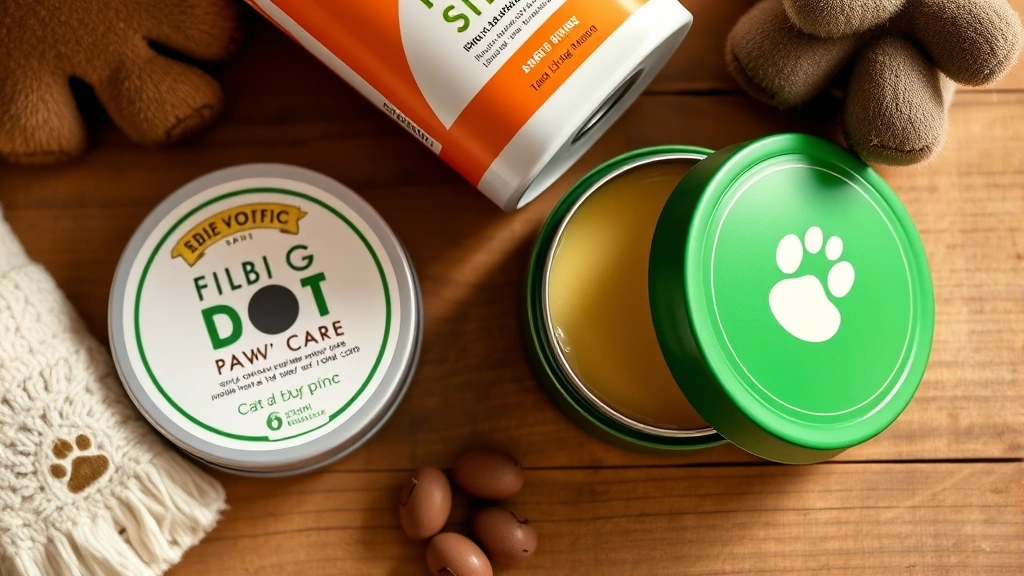
Bag Balm is this iconic green tin of salve that’s been around since 1899—yes, you read that right. Originally formulated for cow udders (yes, really), this lanolin and petrolatum-based balm became a multi-purpose miracle worker for farmers and eventually, pet owners everywhere. The stuff is basically a thick, waxy moisturizer packed with lanolin, which comes from sheep’s wool, mixed with petrolatum and some essential oils. It smells weirdly pleasant in a medicinal, old-timey kind of way.
Understanding Canine Skin and Coat Health
Before we dive deeper into whether bag balm is appropriate for your pup, let’s talk about why your dog’s skin is different from yours. Dogs have a much more acidic skin pH than humans—around 6.5 compared to our 4.5-5.5—which means their skin barrier is naturally more sensitive. This is why human products often cause problems. Your dog’s skin and coat health depends on maintaining that delicate balance, and introducing the wrong products can throw everything off. If you’re concerned about your pup’s skin condition, check out our guide on skin and coat health foods to see if dietary changes might help first.
Is Bag Balm Safe for Dogs? The Verdict
Here’s the honest truth: bag balm is technically safe for topical use on dogs, but it’s not specifically formulated for them. The ingredients themselves—lanolin, petrolatum, and the mineral oil base—aren’t toxic to dogs. However, the essential oils in the formula (which give it that distinctive smell) can be problematic if ingested in large quantities. Since dogs lick everything, this is a legitimate concern.
The American Kennel Club doesn’t specifically endorse bag balm for dogs, which tells you something. It’s not dangerous, but it’s also not the ideal choice when dog-specific alternatives exist. Think of it like using duct tape on your car—it might work, but there’s probably a better option.
Safe Uses of Bag Balm for Dogs
If you’re determined to use bag balm on your pup, there are specific scenarios where it’s relatively safe:
Paw Pad Protection: Cracked, dry paw pads are common, especially in winter when salt and cold weather wreak havoc. A thin application of bag balm on the pads (not between the toes where it’ll just get licked off) can help. Just make sure your dog doesn’t lick it excessively.
Nose Leather: Dogs with dry, crusty noses might benefit from a tiny dab of bag balm. Again, minimal licking is key. Your pup’s nose should be slightly moist and cool, so if it’s dry and cracked, something’s up.
Elbow Calluses: Some dogs, especially larger breeds who lay on hard floors, develop thick calluses on their elbows. A light application here is generally safe since it’s not an area dogs typically lick.
When NOT to Use Bag Balm on Dogs
There are definitely situations where bag balm is a no-go for your furry friend. Never use it on open wounds, hot spots, or infected skin—the occlusive nature of the balm can trap bacteria and make things worse. If your dog has any kind of skin infection or fungal issue, bag balm will make it worse, not better. Additionally, if your dog has known sensitivities to lanolin or petrolatum, skip it entirely. Dogs with allergies or atopic dermatitis should avoid it unless your vet specifically approves it. For dogs with food allergies that manifest as skin issues, check out our article on food allergies in pets to see if dietary management might be the real solution.
Better Alternatives for Your Dog’s Skin
Honestly? There are dog-specific products that are safer and more effective. Dog-specific paw balms are formulated with your pup’s pH balance in mind and usually contain ingredients like shea butter, beeswax, and dog-safe oils. Mushers Secret is a popular choice that’s specifically designed for paws. For dry nose issues, a simple coconut oil application (in tiny amounts) is often safer since it’s edible and won’t cause problems if licked. Our guide on vet approved human foods for pets can give you more insight into safe topical options that are also edible.
Potential Side Effects and Risks
While bag balm isn’t toxic, excessive ingestion of the essential oils could cause mild gastrointestinal upset. You might notice vomiting, diarrhea, or loss of appetite if your dog manages to consume a significant amount. The petrolatum base can also interfere with nutrient absorption if ingested regularly, though a small lick here and there won’t cause problems. Some dogs might develop contact dermatitis if they’re sensitive to lanolin, showing redness, itching, or hives at the application site.
What Vets Actually Recommend
Most veterinarians won’t tell you bag balm is dangerous, but they’ll usually recommend dog-specific alternatives instead. If your dog has chronic skin issues, your vet might suggest medicated shampoos, prescription creams, or dietary changes. For acute paw pad issues, many vets recommend booties to protect the area while it heals, combined with a dog-safe moisturizer. If you’re dealing with a skin issue that’s not responding to over-the-counter treatments, consider getting online vet advice for food reactions to rule out dietary causes.
Application Tips If You Choose to Use It
If you decide to use bag balm despite the alternatives, here’s how to do it safely. Apply only a thin layer to the affected area—you’re not frosting a cupcake here. Focus on paw pads, nose, or elbows only. Apply it at night when your dog is less likely to lick it off, or use a cone collar if necessary. Wash your hands afterward and monitor your dog for any signs of irritation or excessive licking. Never apply it to areas your dog can easily reach with their tongue. If your dog shows any signs of gastrointestinal upset, stop using it immediately.
Signs Your Dog Might Have Skin Problems
Before you start treating anything with bag balm or any other product, make sure you’re actually addressing a real problem. Excessive scratching, red or inflamed skin, hair loss, odor, or discharge are all signs something’s wrong. Dry skin alone isn’t necessarily a problem—some dogs just have naturally drier skin. But if your dog is uncomfortable, that’s when intervention is needed. Sometimes the issue is dietary, which is why understanding harmful foods for dogs and what your pup should be eating is crucial.
The Bottom Line on Bag Balm for Dogs
Is bag balm safe for dogs? Yes, in limited, supervised applications on specific areas like paw pads and nose. Is it the best option? Not really. Dog-specific products are formulated with your pup’s unique needs in mind and are less likely to cause problems. If you’re already using bag balm and your dog seems fine, you can probably continue with caution. But if you’re shopping for a solution to your dog’s skin issues, there are better alternatives available that your vet will likely recommend.
Frequently Asked Questions
Can I use Bag Balm on my dog’s paws?
Yes, you can apply a thin layer of Bag Balm to your dog’s paw pads, especially if they’re cracked or dry. However, dog-specific paw balms are safer and more effective. Apply it sparingly and prevent your dog from licking it excessively.

Will my dog get sick if they lick Bag Balm?
A small amount of licking won’t cause serious harm, but the essential oils in Bag Balm can cause mild gastrointestinal upset if ingested in larger quantities. Watch for vomiting, diarrhea, or loss of appetite. If these symptoms develop, contact your vet.
Is lanolin safe for dogs?
Lanolin is generally safe for dogs in topical applications, though some dogs may have sensitivity to it. It’s not toxic, but it’s not specifically formulated for canine skin pH either.
What’s a better alternative to Bag Balm for dogs?
Dog-specific paw balms like Mushers Secret, or small amounts of coconut oil are safer alternatives. These are formulated for dogs and won’t cause problems if licked. Always consult your vet before introducing new topical products.
Can I use Bag Balm on my dog’s nose?
A tiny dab of Bag Balm on a dry nose is unlikely to cause harm, but it’s not ideal. If your dog’s nose is consistently dry and crusty, this could indicate a health issue worth discussing with your vet.
Should I use Bag Balm for my dog’s hot spots?
No. Never use Bag Balm or any occlusive product on hot spots or infected skin. This can trap bacteria and make the condition worse. Hot spots need air circulation and often require veterinary treatment.
Summary: Making the Right Choice for Your Pup
Bag Balm is safe for dogs in limited applications, but it’s not specifically formulated for your furry friend’s unique skin needs. While the basic ingredients—lanolin and petrolatum—aren’t toxic, the essential oils and lack of pH-balanced formulation make dog-specific alternatives a smarter choice. If you’re dealing with paw pad issues, dry nose, or calluses, reach out to your veterinarian first to rule out underlying health problems. Once you’ve got the all-clear, invest in products designed specifically for dogs. Your pup’s skin will thank you, and you’ll sleep better knowing you’re using the safest option available. Remember, when in doubt, always ask your vet before applying any product to your dog’s skin.





