
Is Baking Soda Bad for Dogs? Safety Tips Every Pet Owner Should Know
If you’re a dog owner, you’ve probably wondered about the safety of common household items around your furry best friend. Baking soda is one of those ubiquitous pantry staples that many of us use for everything from cleaning to deodorizing, and it’s natural to question whether it poses any risks to our canine companions. The short answer? It’s complicated, and the devil is definitely in the details.
Baking soda, also known as sodium bicarbonate, is generally considered safe for dogs in small amounts, but there are important nuances to understand before you start sprinkling it around your pup’s favorite sleeping spots. Whether you’re considering using it as a natural deodorizer, a cleaning agent for your dog’s bedding, or wondering if your dog accidentally ingested some, this comprehensive guide will walk you through everything you need to know.
Our mission at Your Local Scoop is to help you make informed decisions about your dog’s health and safety. In this article, we’ll explore the science behind baking soda, discuss potential risks, share safe usage guidelines, and provide practical alternatives when necessary. Let’s dig into the facts!
What Is Baking Soda and How Does It Work?
Baking soda is a naturally occurring mineral compound that’s been used in households for generations. It’s a mild alkaline substance that works through chemical reactions to neutralize odors, absorb moisture, and act as a gentle abrasive cleaner. When you sprinkle baking soda on a surface, it doesn’t just mask smells—it actually chemically neutralizes odor-causing compounds, which is why it’s so effective for freshening up carpets, furniture, and laundry.
The compound is so versatile that it’s found in countless products, from toothpaste to antacids. In fact, the Association of American Feed Control Officials recognizes certain forms of sodium bicarbonate as acceptable food additives in pet products. This speaks to its generally low toxicity profile when used appropriately.
Understanding what baking soda does chemically helps us understand why it might pose different risks depending on how it’s used around dogs. The key is recognizing the difference between topical application, incidental exposure, and accidental ingestion in large quantities.

Is Baking Soda Toxic to Dogs?
The straightforward answer is: baking soda is not inherently toxic to dogs in small amounts. However, this doesn’t mean it’s completely risk-free. The toxicity of any substance depends on the dose, the method of exposure, and your individual dog’s health status.
According to the ASPCA Animal Poison Control Center, baking soda itself isn’t listed as a primary toxin for dogs. That said, ingesting large quantities can cause problems due to its sodium content and alkaline nature. A dog would need to consume a significant amount to experience serious toxicity, but smaller amounts can still cause gastrointestinal upset.
The concern isn’t so much about baking soda being a poison like chocolate or xylitol are, but rather about the physiological effects of consuming too much sodium and the potential for electrolyte imbalances. Dogs have different metabolic needs than humans, and their tolerance for sodium is lower. This is especially true for senior dogs, dogs with kidney disease, or those on restricted sodium diets for heart conditions.
Research from veterinary toxicology resources indicates that the Merck Veterinary Manual doesn’t classify sodium bicarbonate as a major toxin, but acknowledges that excessive ingestion can lead to metabolic alkalosis—a condition where the blood becomes too alkaline.
Safe Uses of Baking Soda Around Dogs
So where can you safely use baking soda in a dog-friendly home? There are actually quite a few applications that are perfectly safe when done thoughtfully.
Odor Control in the Home
One of the most common uses for baking soda is freshening up spaces where your dog spends time. You can safely sprinkle baking soda on dog bedding, under the bed, or on carpets where your pup lounges. The key is to apply it sparingly and vacuum thoroughly afterward to prevent your dog from inhaling or ingesting the powder. When used this way, baking soda poses minimal risk because the exposure is minimal.
Natural Cleaning for Dog Spaces
If you’re looking to get rid of dog smell naturally, you can create a solution by mixing baking soda with water to clean dog bedding, crates, and play areas. This is much safer than using harsh chemical cleaners that could irritate your dog’s respiratory system or skin. Just ensure the area is completely dry before your dog returns to it, and use minimal amounts.
Dental Care
While you’re exploring options for how to clean dog teeth without brushing, baking soda sometimes comes up as a suggestion. A tiny amount of baking soda mixed with water can be used as an occasional rinse, but it shouldn’t replace proper dental care. Never let your dog swallow baking soda paste, and always consult your veterinarian before using it in your dog’s mouth.
Skin and Coat Health
Some pet owners use baking soda baths for dogs with skin issues. If your dog is dealing with hot spots on dogs or dry skin on dogs, a dilute baking soda bath (one tablespoon per gallon of warm water) might provide temporary relief due to its mild alkaline nature, which can soothe irritated skin. However, this should only be done under veterinary guidance, as it’s not appropriate for all skin conditions.
Risks and Warning Signs
Despite baking soda’s generally safe reputation, there are specific scenarios where it poses genuine risks to your dog’s health.
The Sodium Content Problem
The primary concern with baking soda ingestion is its sodium content. Dogs with certain health conditions—particularly heart disease, kidney disease, or hypertension—should avoid baking soda entirely. High sodium intake can exacerbate these conditions and lead to serious complications. If your dog has any of these health issues, it’s best to steer clear of baking soda altogether and opt for truly safe alternatives.
Respiratory Irritation
When baking soda powder is inhaled, it can irritate your dog’s respiratory tract. This is particularly concerning if you have a dog with asthma or other respiratory conditions. Always vacuum thoroughly after using baking soda as a deodorizer, and never apply it directly near your dog’s face.
Gastrointestinal Upset
If your dog ingests a moderate amount of baking soda, they may experience nausea, vomiting, diarrhea, or loss of appetite. These symptoms typically resolve on their own within a few hours, but they’re certainly uncomfortable for your pup.
Metabolic Alkalosis
In cases of large ingestion, baking soda can cause metabolic alkalosis—an imbalance in blood pH that can be serious. Symptoms include lethargy, muscle weakness, tremors, and in severe cases, seizures. This is rare but possible with significant ingestion.
Warning Signs Your Dog Has Ingested Too Much
Watch for these red flags after potential baking soda exposure:
- Vomiting or retching
- Loss of appetite
- Diarrhea or constipation
- Excessive thirst
- Lethargy or weakness
- Muscle tremors
- Rapid or irregular breathing
- Disorientation or confusion
Dog-Friendly Alternatives to Baking Soda
If you’re concerned about using baking soda around your dog, or if your pup has health conditions that make it inadvisable, there are plenty of excellent alternatives that accomplish the same goals without the risks.
Enzymatic Cleaners
Enzymatic cleaners are specifically designed to break down organic matter like urine and feces. These are actually more effective than baking soda for eliminating pet odors because they address the source rather than just masking the smell. Look for products that are certified safe for pets.
Activated Charcoal
Similar to baking soda in its odor-absorbing properties, activated charcoal is an excellent natural alternative. It’s less likely to cause respiratory irritation and poses minimal risk if ingested in small amounts. You can find activated charcoal products specifically designed for pet spaces.
Essential Oil Diffusers
While some essential oils aren’t safe for dogs, using a pet-safe diffuser with appropriate oils can freshen your home. Always research which oils are dog-safe first—lavender and chamomile are generally considered safer options, but it’s best to consult your vet.
Vinegar Solutions
White vinegar mixed with water creates an effective, non-toxic cleaning solution that’s safe for dogs. The smell dissipates as it dries, leaving behind a fresh scent. This is particularly useful for cleaning dog bedding and play areas.
Professional Pet Odor Services
If odor control is a significant concern, professional pet odor elimination services can address the problem thoroughly without any risk to your dog’s health.
What to Do If Your Dog Ingests Baking Soda
Despite your best efforts to keep baking soda away from your pup, accidents happen. Here’s what you should do if your dog consumes baking soda.
Assess the Situation
First, try to determine how much baking soda your dog ingested and when it happened. A small lick or taste (less than a teaspoon) is unlikely to cause serious problems, but larger amounts warrant immediate attention. The American Animal Hospital Association recommends calling your veterinarian whenever you’re uncertain about ingestion amounts.
Contact Your Veterinarian
If your dog consumed more than a small amount, contact your vet or an emergency veterinary clinic immediately. Have information ready about your dog’s weight, the approximate amount of baking soda ingested, and the time of ingestion. This helps your vet determine the appropriate response.
Monitor for Symptoms
Even if your dog seems fine initially, watch carefully for the warning signs mentioned earlier. Symptoms can develop over several hours, so don’t assume everything is okay just because your pup acts normal immediately after ingestion.
Don’t Induce Vomiting
Unlike some toxins, you generally shouldn’t induce vomiting if your dog swallows baking soda. Your vet will advise you on the best course of action, which might include supportive care, IV fluids, or monitoring for complications.
Prevention is Key
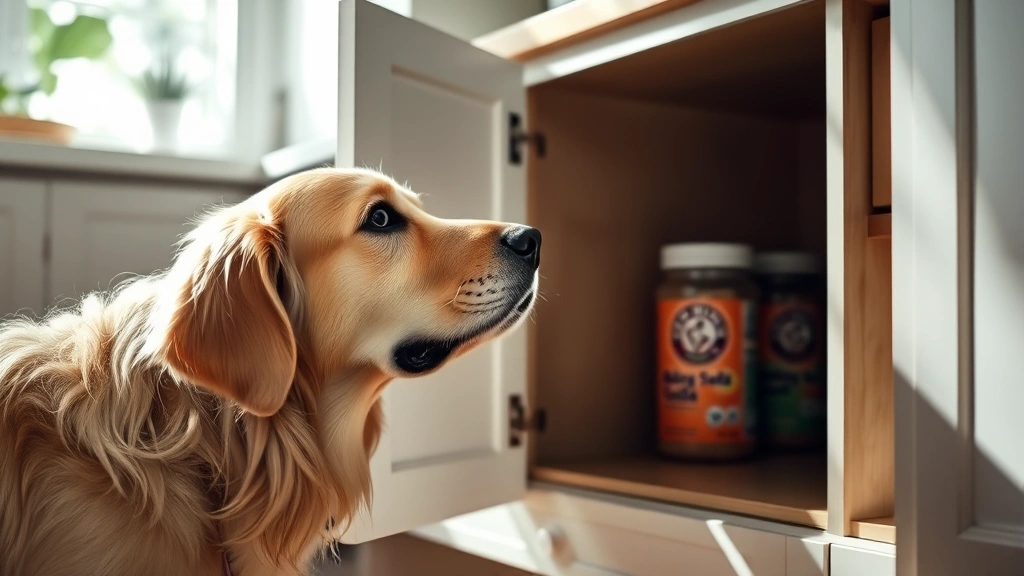
The best approach is to prevent accidental ingestion in the first place. Store baking soda in sealed containers in cabinets your dog can’t access, and be cautious when using it in spaces where your dog might nose around.
Frequently Asked Questions
Can I use baking soda to clean my dog’s ears?
While baking soda is sometimes suggested for ear cleaning, it’s not ideal for dogs. The ear canal is sensitive, and baking soda can disrupt the natural pH balance. If your dog has ear issues, consult your veterinarian for appropriate cleaning solutions designed specifically for canine ears.
Is baking soda safe for puppies?
Puppies are more vulnerable to the effects of baking soda than adult dogs because their systems are still developing. Their kidneys and other organs are less efficient at processing electrolytes. It’s best to avoid baking soda use entirely in homes with puppies.
Can baking soda help with my dog’s itching?
While a dilute baking soda bath might provide temporary relief for itchy skin, it’s not a cure-all. If your dog is itching excessively, there’s usually an underlying cause—allergies, parasites, or skin conditions—that needs professional treatment. See your vet to address the root problem.
Is baking soda better than commercial dog deodorizers?
Not necessarily. Many commercial dog deodorizers are specifically formulated to be safe for pets and more effective than baking soda. Read labels carefully and choose products designed for dogs rather than general household use.
What about baking powder—is that safe for dogs?
Baking powder contains baking soda plus additional ingredients like cream of tartar and cornstarch. Some formulations also contain aluminum compounds, which can be problematic for dogs. Baking powder is less safe than pure baking soda and should be avoided.
Can I use baking soda in my dog’s water bowl?
Absolutely not. Never add baking soda to your dog’s drinking water. This concentrates the sodium intake and increases the risk of electrolyte imbalances and alkalosis. Always provide fresh, plain water for your dog.
Is baking soda safe for senior dogs?
Senior dogs are at higher risk for complications from baking soda due to declining kidney function and potential underlying health conditions. If you have an older dog, it’s best to avoid baking soda entirely and use alternative deodorizing methods.
Can baking soda treat my dog’s bad breath?
While a tiny amount of dilute baking soda might temporarily freshen breath, it doesn’t address underlying causes of bad breath like dental disease or digestive issues. If your dog has persistent bad breath, see your vet to rule out serious conditions. For dental health, proper tooth brushing and professional cleanings are far more effective than baking soda.





