
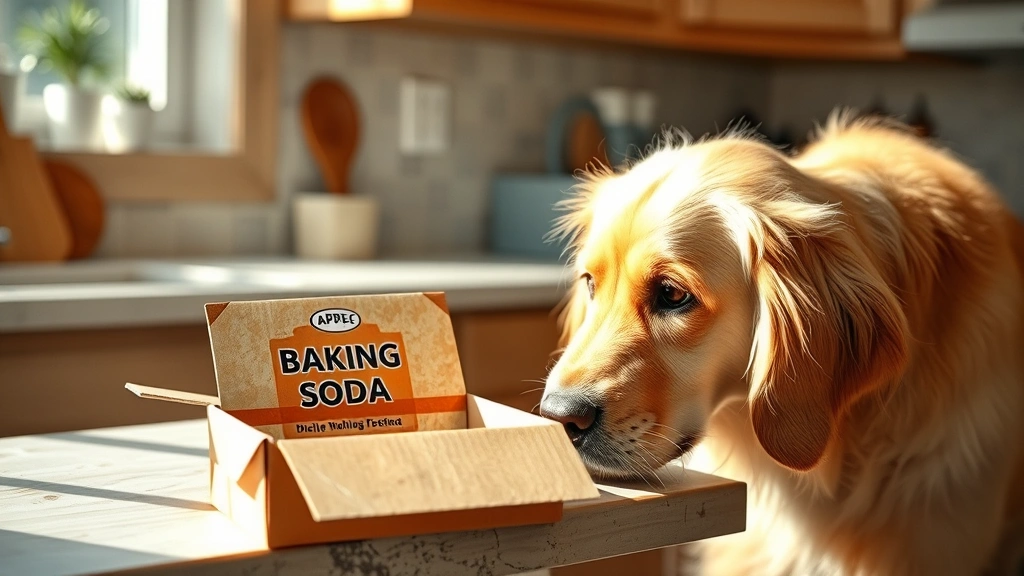
Is Baking Soda Toxic to Dogs? Safety Insights Every Pet Owner Should Know
If you’re a dog parent who loves keeping your home sparkling clean and fresh-smelling, you’ve probably reached for that trusty box of baking soda more times than you can count. But here’s a question that might have crossed your mind while your furry friend sniffed around the kitchen: Is baking soda toxic to dogs? The answer isn’t quite as straightforward as a simple yes or no, and understanding the nuances could genuinely protect your beloved pooch from harm.
Baking soda, scientifically known as sodium bicarbonate, is one of those multipurpose household staples that seems harmless enough. We use it for everything from deodorizing carpets to baking delicious treats. But when it comes to our four-legged companions, what’s safe for humans isn’t always safe for dogs. The good news? Small amounts of baking soda typically won’t cause serious problems, but large quantities or repeated exposure can definitely pose risks worth understanding.
In this comprehensive guide, we’ll explore exactly what happens when dogs encounter baking soda, how much is too much, and what you should do if your pup accidentally ingests it. We’ll also cover practical ways to keep your dog safe while still enjoying the benefits of this versatile household product.
What Is Baking Soda and Why Is It Everywhere?
Baking soda is a chemical compound called sodium bicarbonate (NaHCO₃) that’s been used for centuries in cooking, cleaning, and personal care. It’s alkaline, which means it can neutralize acids and absorb odors—two properties that make it incredibly useful around the house. You’ll find it in kitchen cabinets, laundry rooms, refrigerators, and under bathroom sinks in homes across the country.
The reason baking soda is so prevalent is simple: it’s inexpensive, effective, and generally recognized as safe for human consumption in appropriate quantities. However, the fact that it’s safe for us doesn’t automatically mean it’s safe for our dogs. Dogs have different metabolisms, different digestive systems, and different tolerances for various substances. What’s a harmless pinch for a 200-pound human might affect a 20-pound dog quite differently.
Understanding the distinction between baking soda’s safety profile for humans versus dogs is crucial for responsible pet ownership. Just like we’ve learned that chocolate is toxic to dogs, we need to understand how baking soda affects our canine companions.
Understanding Baking Soda Toxicity in Dogs
Here’s where things get interesting: baking soda itself isn’t technically classified as a highly toxic substance for dogs in the same way that certain other household items are. However, it can definitely cause problems depending on the amount ingested and your individual dog’s health status. The key is understanding the dose-response relationship.
According to veterinary toxicology resources, sodium bicarbonate toxicity in dogs typically occurs when large quantities are ingested. The concern isn’t usually acute poisoning like you’d see with certain household items that can kill a dog instantly, but rather metabolic imbalances and gastrointestinal distress.
When a dog ingests baking soda, several things can happen. First, baking soda reacts with stomach acid, producing carbon dioxide gas. This gas can cause bloating and gastric distension, which is uncomfortable and potentially dangerous. Second, the sodium content in baking soda can affect your dog’s electrolyte balance. Third, the alkaline nature of baking soda can disrupt normal stomach pH, potentially interfering with digestion.
The ASPCA Animal Poison Control Center receives calls about baking soda ingestion, and while they don’t classify it as highly toxic, they do recommend monitoring and veterinary consultation for significant ingestions.

Warning Signs Your Dog Has Ingested Baking Soda
If your dog has gotten into the baking soda, knowing what symptoms to watch for can help you determine whether veterinary care is needed. The signs of baking soda toxicity can appear relatively quickly, usually within 30 minutes to a few hours after ingestion.
Common symptoms include:
- Vomiting – This is one of the most frequent signs, as the dog’s stomach reacts to the chemical
- Diarrhea – Gastrointestinal upset is typical
- Abdominal pain – Your dog might seem uncomfortable, restless, or assume a play-bow position repeatedly
- Excessive drooling – Nausea often triggers increased salivation
- Loss of appetite – Your dog might refuse meals or treats
- Tremors or muscle twitching – In more severe cases, muscle symptoms can develop
- Lethargy – Your dog might seem unusually tired or depressed
- Rapid or labored breathing – This can indicate metabolic changes
- Seizures – In severe cases with very large ingestions, seizures are possible
The severity of symptoms depends on how much baking soda your dog consumed and their body weight. A small dog eating a large quantity of baking soda will likely show more severe symptoms than a large dog eating the same amount. Pre-existing health conditions, especially those affecting the kidneys or heart, can also make symptoms worse.
How Much Baking Soda Is Actually Safe?
This is the million-dollar question, and unfortunately, there’s no one-size-fits-all answer because it depends on your individual dog. However, veterinary toxicologists generally agree that small, incidental amounts of baking soda aren’t typically problematic.
Research suggests that toxic doses of sodium bicarbonate in dogs are generally considered to be above 5 grams per kilogram of body weight. For a 50-pound dog (approximately 23 kg), this would mean more than 115 grams of baking soda would be needed to reach potentially toxic levels. For perspective, a standard teaspoon of baking soda weighs about 5 grams.
This means that if your 50-pound dog accidentally licked up a teaspoon or two of baking soda from the counter, you probably don’t need to panic. However, if your dog ate a full cup of baking soda or got into an open box and consumed significant quantities, that’s a different story entirely.
The problem is that even sub-toxic amounts can cause uncomfortable gastrointestinal symptoms. So while your dog might not experience life-threatening toxicity from small amounts, they could still feel pretty miserable. Additionally, baking soda in the context of baked goods is often combined with other ingredients that might be problematic—similar to how dogs shouldn’t eat cake due to sugar and other additives, baking soda in baked goods comes with other concerns.
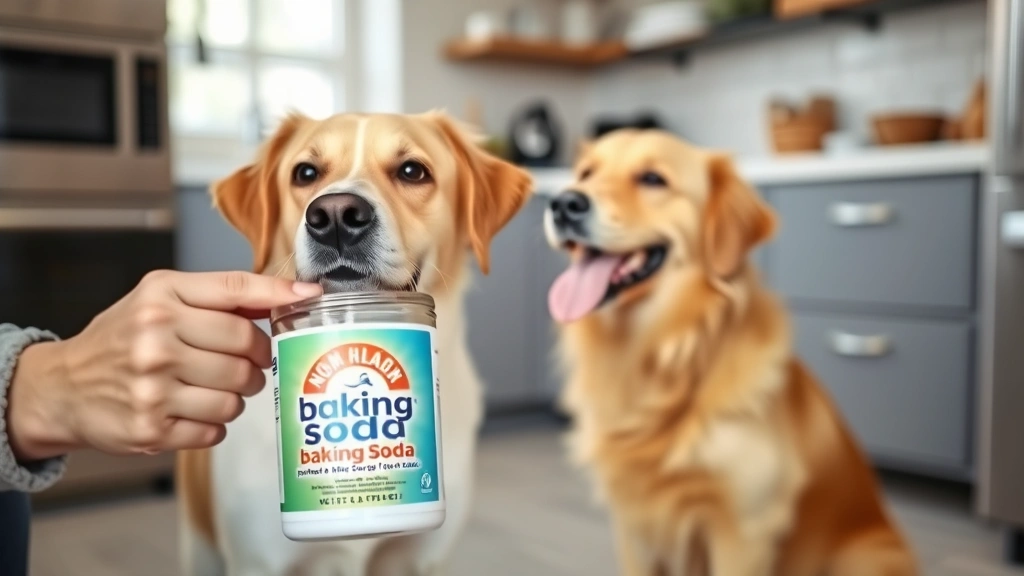
Common Household Uses and Dog Safety
Understanding where baking soda is used in your home helps you prevent accidental ingestion. Let’s break down common applications and the associated risks:
Kitchen and Baking: This is the most obvious source. If you bake regularly, you probably have baking soda in your kitchen. The risk here is relatively low if you store it properly, but baking projects can create opportunities for spills. When you’re mixing ingredients, your dog might be underfoot, hoping for dropped treats. Keep baking soda containers sealed and stored in cabinets your dog can’t access.
Refrigerator Deodorizing: Many people keep an open box of baking soda in the fridge to absorb odors. While the amount is small, an curious dog could knock it over or push it around. The bigger concern is that a dog with access to the fridge has access to other foods that might be toxic, like salt and pepper, which can also cause problems.
Carpet and Upholstery Cleaning: Many pet owners sprinkle baking soda on carpets before vacuuming to freshen them up. While the amount used is typically small, a dog could inhale powder particles, which might cause respiratory irritation. More concerning is if your dog licks the carpet after baking soda application.
Litter Box Deodorizing: If you have both cats and dogs, using baking soda in or around the litter box creates a potential ingestion risk. Dogs who get into litter boxes might consume baking soda along with other materials.
Toothpaste and Personal Care: Some natural toothpastes and personal care products contain baking soda. If your dog gets into your bathroom cabinet or chews on your toothpaste tube, they could ingest baking soda this way.
Homemade Dog Treats: Some well-meaning pet owners make homemade dog treats using recipes that include baking soda as a leavening agent. While small amounts in occasional treats are usually fine, it’s worth being mindful of the frequency and quantity.
Prevention Strategies for Pet Parents
The best approach to baking soda safety is prevention. Here’s how to keep your dog safe:
Storage is Key: Store all baking soda containers in sealed, airtight containers placed in cabinets or shelves that your dog cannot access. Don’t leave open boxes sitting around, even for convenience. If you have a particularly clever or athletic dog, consider locking cabinets with childproof locks.
Clean Up Immediately: If you spill baking soda while cooking or cleaning, clean it up immediately. Don’t leave piles of powder sitting on counters or floors where your dog might investigate.
Supervise Baking Projects: When you’re baking, keep your dog in another room or supervised in a pen. Baking projects create opportunities for spills and crumbs, and your dog’s excitement about kitchen activities could lead to accidents.
Choose Alternatives for Cleaning: Consider using dog-safe cleaning alternatives instead of baking soda for household cleaning tasks. This eliminates the risk entirely while still keeping your home fresh and clean.
Educate Family Members: Make sure everyone in your household understands the importance of keeping baking soda away from your dog. Children especially might not realize the potential risk.
Monitor Homemade Treats: If you make homemade dog treats, use recipes specifically designed for dogs and follow them carefully. The amount of baking soda in appropriate dog treat recipes is minimal and shouldn’t cause problems.
Be Cautious with Baked Goods: Don’t leave baked goods containing baking soda within your dog’s reach. Not only is the baking soda a concern, but many baked goods contain sugar, chocolate, or other problematic ingredients. This is especially important to remember when considering what your dog eats—just as dogs can technically eat bread, they shouldn’t eat bread made with excessive baking soda or other additives.
What to Do If Your Dog Eats Baking Soda
Despite your best prevention efforts, accidents happen. If you suspect your dog has ingested baking soda, here’s what you should do:
Step 1: Stay Calm and Assess the Situation First, try to determine how much baking soda your dog ate and when. Calculate your dog’s weight if you don’t know it off the top of your head. This information will be crucial when you contact your veterinarian.
Step 2: Contact Your Veterinarian or Poison Control Don’t wait to see if symptoms develop. Call your vet immediately, or contact the Pet Poison Helpline or the ASPCA Animal Poison Control Center. Have the following information ready: your dog’s weight, the approximate amount of baking soda ingested, and when it happened. Both services can provide guidance based on your specific situation.
Step 3: Don’t Induce Vomiting Unless Directed While vomiting might seem like a good way to get the baking soda out of your dog’s system, it’s not always recommended. In some cases, inducing vomiting can cause additional harm. Only induce vomiting if a veterinary professional specifically instructs you to do so.
Step 4: Monitor Your Dog Closely Watch for the symptoms we discussed earlier. Keep a notepad handy and record any symptoms, their severity, and when they started. This information helps your vet provide appropriate treatment.
Step 5: Provide Supportive Care Your vet might recommend withholding food and water for a few hours to allow the stomach to settle. Follow their instructions carefully. In most cases, dogs recover from baking soda ingestion without complications, but professional guidance ensures the best outcome.
Step 6: Follow Up If your vet recommends monitoring at home, follow their instructions precisely. If symptoms worsen or don’t improve, bring your dog back in for examination.
Dog-Safe Alternatives to Baking Soda
If you want to minimize baking soda in your home, several alternatives can serve similar purposes:
For Cleaning: White vinegar is an excellent natural cleaner that’s safer around dogs. Castile soap is another dog-friendly option. For carpets, simply vacuuming regularly is often sufficient, and you can use pet-safe enzymatic cleaners for odor control.
For Deodorizing: Activated charcoal is an effective odor absorber and poses less risk if your dog encounters it. Some pet owners use specialized pet-safe air purifiers instead of powder deodorizers.
For Baking: If you’re concerned about baking soda in recipes, you can often substitute other leavening agents. For dog treat recipes specifically, many excellent dog-safe formulations exist that don’t require baking soda at all.
For Refrigerator Freshness: Instead of an open box of baking soda, consider keeping your fridge clean and organized, using sealed containers for foods, and ensuring your dog can’t access the fridge in the first place. This also prevents your dog from getting into other potentially problematic foods like coffee, which is toxic to dogs.
The American Kennel Club provides extensive information about household toxins and pet-safe alternatives, which can be incredibly helpful as you evaluate your home environment.
Frequently Asked Questions
Can baking soda kill a dog?
Baking soda is unlikely to kill a dog unless extremely large quantities are ingested. However, large amounts can cause serious metabolic problems and severe gastrointestinal distress. Most cases of baking soda ingestion in dogs result in mild to moderate symptoms that resolve with time and supportive care. Always consult a veterinarian if you’re concerned about your dog’s health.
Is baking powder the same as baking soda, and is it also toxic to dogs?
Baking powder and baking soda are different products. Baking soda is pure sodium bicarbonate, while baking powder contains baking soda plus other ingredients like cream of tartar and cornstarch. Baking powder poses similar risks to baking soda but often in slightly smaller quantities since it’s less concentrated. Both should be kept away from dogs.
What if my dog ate baked goods containing baking soda?
The amount of baking soda in a single serving of baked goods is typically quite small—usually a quarter teaspoon or less. If your dog ate one or two baked goods containing baking soda, the amount of baking soda ingested is probably not concerning. However, if your dog ate an entire batch of cookies or a large cake, contact your vet. Also consider other ingredients in the baked goods, which might be problematic independent of the baking soda.
How long does it take for baking soda toxicity symptoms to appear?
Symptoms typically appear within 30 minutes to a few hours after ingestion. Some dogs might show signs almost immediately, while others might take several hours. This is why monitoring your dog closely after suspected ingestion is important.
Can small amounts of baking soda in dog treats be harmful?
Small amounts of baking soda in properly formulated dog treats are generally not harmful. Dog treat recipes that use baking soda typically use very small quantities—usually just a pinch to help the treats rise slightly. The concern is more about large quantities or frequent exposure rather than the tiny amounts found in occasional treats.
Is there a specific breed of dog that’s more susceptible to baking soda toxicity?
While all dogs can be affected by baking soda ingestion, smaller breeds are at higher risk simply because the same amount of baking soda represents a larger dose relative to their body weight. A teaspoon of baking soda affects a 10-pound dog much more than a 100-pound dog. Additionally, dogs with pre-existing heart, kidney, or digestive conditions might be more sensitive to the effects.
Can baking soda cause long-term problems in dogs?
In most cases, baking soda ingestion doesn’t cause long-term problems. Once the baking soda passes through the system, the dog typically returns to normal. However, if a dog ingests large amounts repeatedly over time, chronic electrolyte imbalances could potentially develop. This is another reason to maintain strict prevention practices.





