

So, is beef jerky good for dogs? Short answer: it’s complicated. Your pup gives you those irresistible puppy-dog eyes while you’re snacking on beef jerky, and naturally, you wonder if sharing is caring. But before you toss Fido a piece, let’s dig into what veterinarians actually say about this savory snack. The truth is, plain beef jerky in tiny amounts might not kill your dog, but it’s far from ideal—and most store-bought varieties come with hidden dangers that could land your furry friend in hot water (literally, with their digestive system).
Table of Contents
- What Is Beef Jerky Made Of?
- The Sodium Problem: Why Salt Is a Big Deal
- Dangerous Additives and Seasonings to Avoid
- Choking and Digestive Hazards
- Safe Beef Jerky Alternatives for Your Pup
- Understanding Portion Sizes and Treat Guidelines
- What If Your Dog Already Ate Beef Jerky?
- Beef Jerky and Weight Management
- Breed-Specific Considerations
- Reading Labels: What to Watch For
- The Veterinary Consensus
- Frequently Asked Questions
- The Bottom Line: Skip the Jerky
What Is Beef Jerky Made Of?
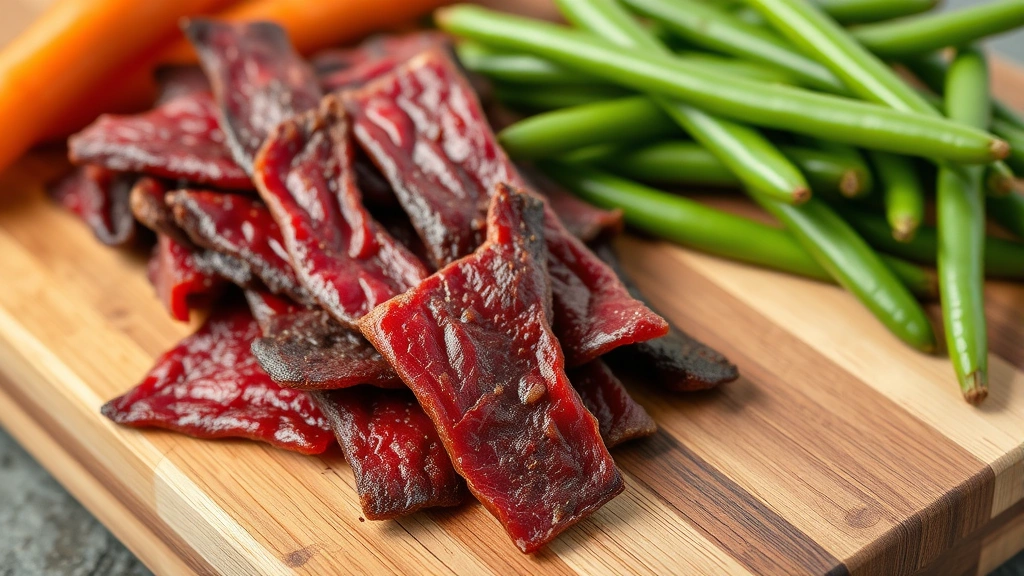
Understanding what goes into beef jerky is step one in determining whether it’s safe for your canine companion. Commercial beef jerky isn’t just dried meat—it’s a cocktail of ingredients designed to make it shelf-stable and delicious for humans. Most beef jerky contains high levels of sodium, preservatives like sodium nitrite, spices, and sometimes garlic or onion powder. Some brands even add sugar or honey for sweetness. While these ingredients make jerky irresistible to us, they’re problematic for dogs. The American Kennel Club warns that many human food seasonings and additives can cause digestive upset or worse in our four-legged friends.

The Sodium Problem: Why Salt Is a Big Deal
Let’s talk about the elephant in the room—sodium. Beef jerky is absolutely loaded with salt, which is one of the main reasons veterinarians recommend against it for dogs. While dogs do need some sodium to maintain proper electrolyte balance, the amount in a single serving of jerky can exceed their daily recommended intake. Excessive salt consumption in dogs can lead to sodium ion poisoning, causing symptoms like excessive thirst, vomiting, diarrhea, and in severe cases, seizures or organ damage. Even if your dog doesn’t experience acute toxicity, regularly consuming high-sodium treats contributes to long-term health issues like hypertension and kidney problems.

Dangerous Additives and Seasonings to Avoid
Beyond sodium, beef jerky often contains ingredients that are straight-up toxic to dogs. Garlic and onion powder, found in many flavored varieties, contain compounds called thiosulfates that damage red blood cells and can cause hemolytic anemia. Even small amounts can be problematic, especially for smaller breeds or dogs with existing health conditions. Spices like black pepper and cayenne can irritate your dog’s digestive tract. Some premium jerky brands add xylitol (an artificial sweetener) as a sugar substitute, and xylitol is extremely toxic to dogs—it can cause rapid insulin release, leading to hypoglycemia and liver failure. Always check ingredient labels if you’re even considering sharing.

Choking and Digestive Hazards
Beyond the chemical composition, beef jerky presents physical risks. The chewy, fibrous texture can be a choking hazard, especially for dogs that don’t chew thoroughly before swallowing. Large pieces can also cause intestinal blockages, which is a serious emergency requiring surgery. Puppies and senior dogs with dental issues are particularly vulnerable. Additionally, the high protein and fat content in beef jerky can trigger pancreatitis in susceptible dogs, a painful inflammation of the pancreas that requires immediate veterinary attention. Even dogs without a history of pancreatitis can develop it from sudden dietary indiscretions.
Safe Beef Jerky Alternatives for Your Pup
If you want to give your dog a meaty treat, there are much better options. Plain, unseasoned, cooked beef (boiled or baked with no added salt or spices) is a safe occasional treat in small portions. You can also explore healthy snack alternatives for dogs that are specifically formulated for canine nutrition. Commercial dog treats made from beef are formulated to be safe for dogs, with appropriate sodium levels and no dangerous additives. Freeze-dried raw beef treats are another excellent option—they’re minimally processed and don’t contain the preservatives found in jerky. Carrots, green beans, and apples (without seeds) are also great low-calorie options that satisfy that chewing urge.

Understanding Portion Sizes and Treat Guidelines
Even if you’re offering dog-safe treats, portion control matters. Treats should comprise no more than 10% of your dog’s daily caloric intake, with the remaining 90% coming from balanced dog food. For a medium-sized dog (around 50 pounds), this typically means no more than 150-200 calories from treats daily. One piece of beef jerky can contain 20-30 calories, so while a tiny sliver might technically fit within guidelines, it’s not worth the risk given the sodium and additive concerns. Check out our guide on human food portion sizes for pets for more detailed information on appropriate amounts.

What If Your Dog Already Ate Beef Jerky?
Don’t panic if your pup snagged a small piece or two. Most dogs won’t experience serious issues from a tiny amount of beef jerky. However, monitor them for signs of distress over the next 24-48 hours: vomiting, diarrhea, excessive drooling, lethargy, or loss of appetite. If your dog consumed a significant amount, shows any of these symptoms, or if the jerky contained garlic, onion, or xylitol, contact your veterinarian immediately. Provide them with the ingredient list if you have it. In cases of potential toxin ingestion, it’s better to err on the side of caution and get professional advice.

Beef Jerky and Weight Management
If your dog is overweight or at risk for obesity, beef jerky is particularly problematic. The high fat and calorie content can quickly derail weight management efforts. According to PetMD, obesity in dogs is linked to numerous health conditions including diabetes, arthritis, and heart disease. If you’re struggling with your dog’s weight, explore our resource on low-calorie human foods for pets to find better treat options. Your vet can also recommend prescription or therapeutic treats designed for weight management.

Breed-Specific Considerations
Some breeds are more susceptible to the risks posed by beef jerky. Small breeds like Chihuahuas and Yorkshire Terriers are at higher risk for choking and intestinal blockages due to their tiny digestive tracts. Breeds predisposed to pancreatitis, like Schnauzers and Dachshunds, should absolutely avoid high-fat treats. Dogs with existing kidney disease or heart conditions need to be especially careful about sodium intake. Senior dogs and puppies also have more fragile digestive systems. If your dog falls into any of these categories, steer clear of beef jerky entirely and consult your vet about appropriate treat options.

Reading Labels: What to Watch For
If you’re determined to offer your dog any human food, label-reading is essential. Look for these red flags: garlic, onion, xylitol, excessive sodium (over 300mg per serving), artificial preservatives, and excessive spices. Be aware that “natural” doesn’t mean safe for dogs—many natural ingredients are toxic. Also check the fat content; anything over 10% fat is too high for regular dog treats. When in doubt, ask your veterinarian if a specific product is safe. They can give you personalized advice based on your dog’s age, size, health status, and dietary needs.

The Veterinary Consensus
The overwhelming consensus among veterinarians is clear: beef jerky is not recommended for dogs. The risks—from sodium toxicity to choking hazards to toxic additives—outweigh any potential benefits. Dogs don’t need variety in their diet the way humans do; they thrive on consistent, balanced nutrition. If you want to strengthen your bond with your dog through food, there are countless safer options available. Your vet can recommend treats that are both safe and nutritionally appropriate for your specific dog.
Frequently Asked Questions
Can dogs eat plain beef jerky with no seasoning?
Even plain beef jerky is problematic due to its high sodium content and chewy texture that poses choking risks. While it’s less dangerous than seasoned varieties, it’s still not recommended. Plain, cooked beef without salt is a much safer alternative if you want to give your dog beef.
Is a small piece of beef jerky dangerous to dogs?
A tiny piece of beef jerky is unlikely to cause immediate harm, but it’s not worth the risk. The sodium content, potential additives, and choking hazard make it an unnecessary gamble. There are plenty of safer treats that provide the same satisfaction.
What should I do if my dog ate beef jerky with garlic?
Contact your veterinarian immediately. Garlic is toxic to dogs and can cause hemolytic anemia. Your vet may recommend monitoring or treatment depending on the amount consumed and your dog’s size. Don’t wait to see if symptoms develop—get professional advice right away.
Are there dog treats that taste like beef jerky?
Yes! Many pet companies make beef-flavored treats that are safe for dogs. Look for freeze-dried beef treats, beef-flavored dental chews, or other commercial options specifically formulated for canine safety. These provide the meaty flavor without the dangerous additives.
Can I make homemade beef jerky for my dog?
Homemade beef jerky without salt, spices, or preservatives is safer than commercial varieties, but it’s still not ideal due to the chewy texture and choking risk. If you want to make homemade treats, consider baking plain beef pieces until they’re fully cooked and breaking them into small, soft pieces instead.
How much sodium is safe for dogs daily?
Dogs require only about 200mg of sodium per day for basic physiological function. Most commercial dog foods contain appropriate sodium levels. A single serving of beef jerky often exceeds this entire daily requirement, which is why it’s problematic.
The Bottom Line: Skip the Jerky
So, is beef jerky good for dogs? The answer is a definitive no. While a tiny accidental nibble won’t likely cause catastrophic harm, beef jerky offers no nutritional benefit to your dog and comes with significant risks. The high sodium content, potentially toxic additives, choking hazards, and high fat content make it one of the worst human snacks to share with your furry friend. Instead, invest in treats specifically designed for dogs, or offer safe human foods like plain cooked chicken, pumpkin, or carrots. Your dog doesn’t need beef jerky to be happy—they just need you, consistency, and appropriate treats that support their health. When in doubt, consult your veterinarian about what’s safe for your specific dog. They’re your best resource for keeping your pup healthy and thriving. Check out our comprehensive guide on safe human snacks for pets for more approved options, and learn about pet food safety to ensure every meal and treat supports your dog’s wellbeing. For dogs struggling with weight issues, also review our guide on obesity and human food treats to understand how snacking impacts your dog’s health long-term.





