
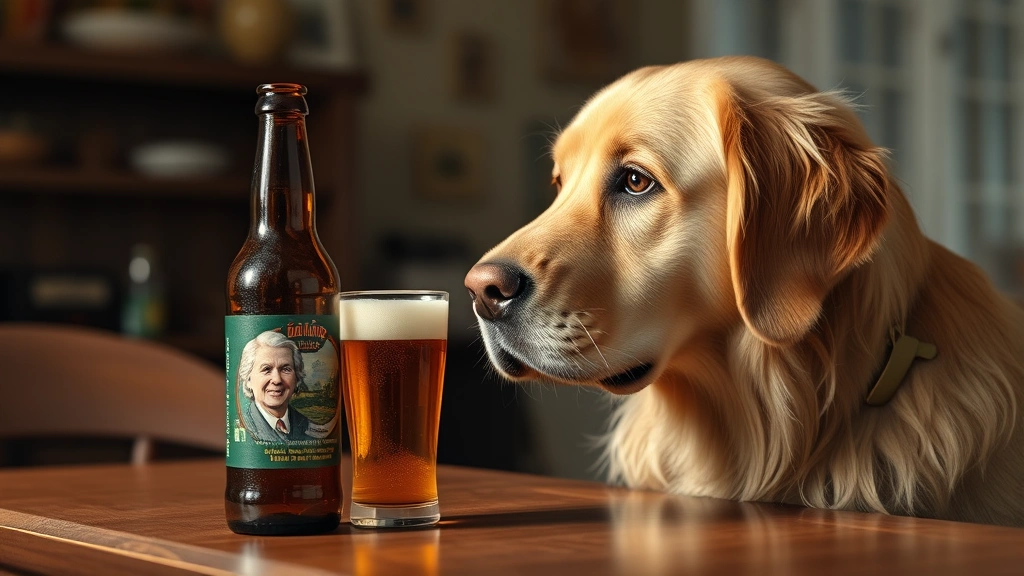
Is beer bad for dogs? The short answer is yes—absolutely, positively, without a doubt. Beer is toxic to dogs and should never be given to your furry friend, even in small amounts. Whether it’s a fancy craft IPA, a light lager, or non-alcoholic beer, the risks far outweigh any curiosity your pup might have. Let’s dive into why beer is dangerous for dogs and what you need to know to keep your pet safe.
Table of Contents
- Why Is Beer Toxic to Dogs?
- Alcohol Poisoning Symptoms in Canines
- How Much Beer Is Dangerous for Dogs?
- The Hops Problem: More Than Just Alcohol
- Beer and Carbohydrates: A Nutritional Nightmare
- What About Non-Alcoholic Beer?
- Accidental Beer Consumption: What to Do
- Prevention: Keeping Beer Away From Your Dog
- Other Alcoholic Beverages to Avoid
- Understanding Your Dog’s Vulnerability
- The Legal and Ethical Side
- Frequently Asked Questions
- Summary: Keep Beer Away From Your Dog
Why Is Beer Toxic to Dogs?
Dogs metabolize alcohol differently than humans do, and their bodies simply can’t handle ethanol the way ours can. When a dog consumes beer, the alcohol enters their bloodstream quickly and affects their central nervous system, liver, and kidneys. Even small amounts of alcohol can cause serious health issues in dogs because of their smaller body size and different metabolic rates.
The ethanol in beer depresses a dog’s nervous system, leading to loss of coordination, difficulty breathing, and potentially life-threatening complications. A dog doesn’t need to drink much beer to experience toxic effects—sometimes just a few laps from a beer bottle or a shared drink can trigger problems.
Alcohol Poisoning Symptoms in Canines
If your dog has accidentally consumed beer, watch for these warning signs of alcohol poisoning:
- Vomiting and diarrhea
- Tremors and seizures
- Difficulty walking or loss of coordination (ataxia)
- Drooling excessively
- Lethargy and depression
- Rapid heart rate
- Respiratory depression
- Coma in severe cases
If you notice any of these symptoms after your dog has consumed alcohol, contact your veterinarian or ASPCA Animal Poison Control Center immediately. Time is critical in alcohol poisoning cases.
How Much Beer Is Dangerous for Dogs?
The toxic dose of alcohol for dogs is relatively low compared to humans. As little as 0.5 ounces of pure ethanol per pound of body weight can cause intoxication in dogs. This means a 10-pound dog could experience serious effects from just a few ounces of beer. A 50-pound dog might show symptoms from consuming a standard 12-ounce beer or more.
The percentage of alcohol in the beer matters too. Higher ABV (alcohol by volume) beers are more dangerous than light beers, but no beer is safe for dogs. Even non-alcoholic beers, which contain trace amounts of ethanol, should be avoided.
The Hops Problem: More Than Just Alcohol
Here’s something many pet owners don’t realize: beer contains hops, and hops are toxic to dogs independently of the alcohol content. Hops are used to bitter and flavor beer, and they can cause a serious condition called hops toxicity in dogs.
Hops toxicity can lead to malignant hyperthermia, a dangerous condition where a dog’s body temperature rises uncontrollably. Symptoms include panting, restlessness, drooling, vomiting, and muscle rigidity. This condition can be fatal if not treated immediately. So even if you’re tempted to give your dog non-alcoholic beer, the hops still pose a serious risk.
Beer and Carbohydrates: A Nutritional Nightmare
Beyond the toxic components, beer is loaded with carbohydrates and empty calories that dogs don’t need. Dogs on proper diets don’t require beer or any alcoholic beverages. Carbohydrates safe for pets are best sourced from vegetables and whole grains, not fermented grain beverages.
Regular consumption of beer would lead to obesity, dental problems, and nutritional imbalances in dogs. Their digestive systems are designed for meat-based proteins and specific nutrient ratios, not the sugars and additives found in beer.
What About Non-Alcoholic Beer?
You might think non-alcoholic beer is a safer option, but it’s not. Non-alcoholic beer still contains hops and trace amounts of ethanol (usually 0.5% or less). While the ethanol content is minimal, the hops remain fully present and dangerous. Additionally, non-alcoholic beer still has unnecessary sugars and carbohydrates that provide no nutritional benefit to your dog.
The bottom line: skip the non-alcoholic beer too. Your dog won’t appreciate it, and it poses unnecessary health risks.
Accidental Beer Consumption: What to Do
Accidents happen. Maybe your dog grabbed a beer bottle from a party, or a guest wasn’t paying attention. Here’s what you should do:
- Stay calm—panic won’t help your dog
- Determine the amount—try to figure out how much beer your dog consumed
- Note the time—when did the consumption occur?
- Contact your vet immediately—don’t wait to see if symptoms develop
- Monitor closely—watch for any of the symptoms mentioned earlier
- Seek emergency care if needed—if your vet is closed, go to an emergency veterinary clinic
Your veterinarian can provide supportive care, which may include IV fluids, monitoring, and medications to manage symptoms. Early intervention significantly improves outcomes.
Prevention: Keeping Beer Away From Your Dog
The best medicine is prevention. Here are practical steps to keep beer away from your pup:
- Store beer in secure cabinets or the refrigerator where dogs can’t access it
- Never leave drinks unattended around dogs, especially at parties
- Educate guests about the dangers—ask them not to offer your dog any food or drinks
- Be extra vigilant during social gatherings when supervision might be lax
- Keep your dog in a separate room during parties if necessary
- What not to feed your dog is essential knowledge for all pet owners
Creating a safe environment is your responsibility as a pet owner, and it’s much easier than dealing with alcohol poisoning.
Other Alcoholic Beverages to Avoid
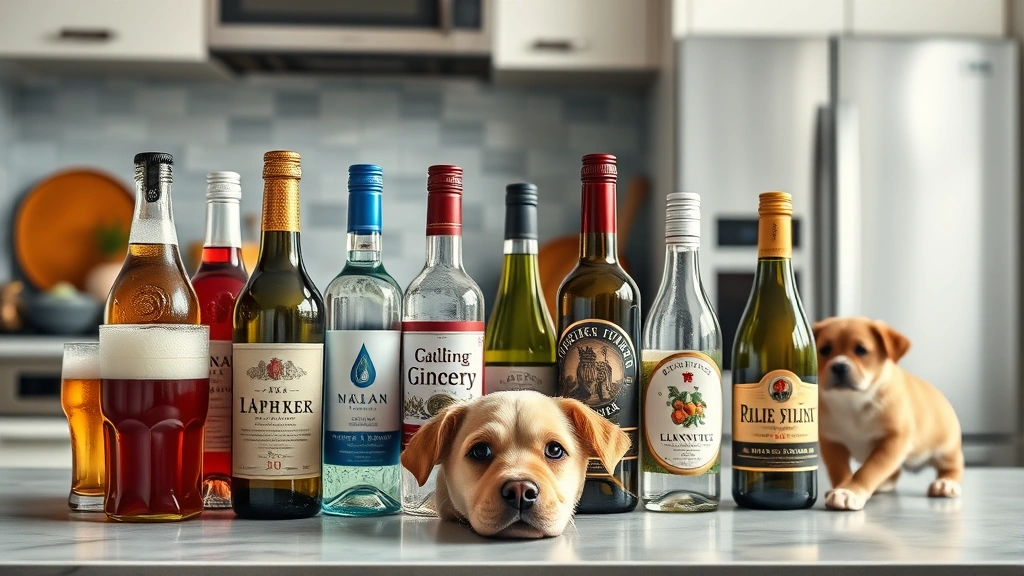
Beer isn’t the only alcoholic drink that’s dangerous for dogs. Keep all of these away from your pup:
- Wine and champagne
- Liquor and spirits
- Cocktails and mixed drinks
- Hard seltzers
- Energy drinks with alcohol
- Homemade fermented foods or drinks
Any beverage containing ethanol is toxic to dogs. The rule is simple: if it’s alcoholic, it’s dangerous for dogs.
Understanding Your Dog’s Vulnerability
Some dogs are more vulnerable to alcohol toxicity than others. Puppies, senior dogs, and dogs with pre-existing liver or kidney conditions are at higher risk. Small breed dogs are also more susceptible because the toxic dose is calculated by body weight—a tiny Chihuahua needs far less alcohol to become dangerously intoxicated than a large Labrador.
If your dog has any underlying health conditions, discuss alcohol exposure risks with your veterinarian. Dogs with food allergies in pets may also have sensitivities to beer ingredients.
The Legal and Ethical Side
Deliberately giving alcohol to a dog can be considered animal cruelty in many jurisdictions and may result in legal consequences. Beyond legality, it’s simply unethical to intentionally harm your pet. Your dog depends on you to make safe choices on their behalf.
Frequently Asked Questions
Can dogs drink beer in very small amounts?
No. There is no safe amount of beer for dogs. Even small quantities can cause intoxication and health problems. The toxic dose is based on body weight, and even a few laps of beer can be dangerous for small dogs.
Is non-alcoholic beer safe for dogs?
No, non-alcoholic beer is not safe for dogs. It still contains hops, which are toxic to dogs and can cause malignant hyperthermia. Additionally, it contains trace amounts of ethanol and unnecessary sugars.
What should I do if my dog drinks beer?
Contact your veterinarian or ASPCA Animal Poison Control Center immediately. Provide information about the amount consumed and the time of consumption. Seek emergency veterinary care if your vet is unavailable. Don’t wait for symptoms to develop.
How long does alcohol poisoning last in dogs?
The duration depends on the amount consumed and the dog’s size. Mild cases may resolve in a few hours with supportive care, while severe cases can take longer. Some dogs may require hospitalization for monitoring and treatment.
Are all dog breeds equally vulnerable to beer toxicity?
No. Smaller breeds are more vulnerable because the toxic dose is calculated per pound of body weight. Puppies, senior dogs, and dogs with liver or kidney disease are also at higher risk.
What’s the difference between alcohol poisoning and hops toxicity in dogs?
Alcohol poisoning affects the nervous system and causes intoxication symptoms, while hops toxicity causes malignant hyperthermia with uncontrollable body temperature increases. Beer contains both toxins, making it doubly dangerous.
Summary: Keep Beer Away From Your Dog
Is beer bad for dogs? Absolutely. Beer poses serious health risks due to its ethanol content and hops, which are both toxic to canines. There’s no safe amount, no safe type, and no reason to ever give your dog beer. Even accidental consumption requires immediate veterinary attention.
As a responsible pet owner, your job is to protect your dog from harmful substances. This means securing beer and other alcoholic beverages, educating guests about the dangers, and knowing what to do in case of accidental exposure. Your dog’s health and safety depend on the choices you make.
For more information on keeping your dog safe, check out our guides on pet nutrition advice and harmful foods for cats to understand the broader picture of pet safety in your home.





