

Is Beneful Good for Dogs? What Pet Nutritionists Say
If you’ve wandered the dog food aisle at your local pet store, you’ve probably spotted Beneful’s colorful packaging and tempting product names. With options like “Originals” and “Grain Free,” it’s easy to see why this Purina brand has become a household name for dog owners seeking affordable nutrition. But here’s the question that keeps many pet parents up at night: Is Beneful actually good for your furry friend?
The truth is, choosing the right dog food involves more than just picking up whatever’s on sale. It requires understanding ingredient lists, nutritional standards, and what veterinary professionals actually recommend. We’ve dug into the research, consulted expert opinions, and examined what makes a dog food truly beneficial—and where Beneful might fall short.
In this comprehensive guide, we’ll break down everything you need to know about Beneful, compare it to other popular brands, and help you make an informed decision about whether it’s the right choice for your dog.
What Is Beneful Dog Food?
Beneful is a dog food brand owned by Purina, one of the largest pet food manufacturers in the world. Launched in 2001, Beneful has positioned itself as an affordable option for everyday dog owners who want variety and palatability in their pet’s diet. The brand offers multiple product lines, including dry kibble, wet food, and treats, with formulas designed for different life stages and dietary needs.
The brand’s marketing emphasizes colorful, varied meals that appeal to dogs and owners alike. You’ll notice the distinctive mix of colors and textures in their kibble—pieces that look like different ingredients to create visual variety. However, as any pet nutritionist will tell you, what looks good to us in a bowl doesn’t necessarily translate to what’s best for your dog’s health.
Beneful products are widely available and typically priced in the mid-to-lower range of the dog food market, making them accessible to budget-conscious pet owners. But accessibility and affordability don’t always align with nutritional quality—a distinction that’s crucial when evaluating any pet food.
Ingredient Analysis: Breaking Down the Label
To determine if Beneful is good for dogs, we need to examine what’s actually in the food. Let’s look at a typical Beneful Original formula to understand the ingredient profile:
The first ingredient in most Beneful formulas is corn, not meat. This is significant because dogs are facultative carnivores, meaning while they can digest plant-based ingredients, they thrive on meat-based proteins. When corn appears as the primary ingredient, it raises questions about the food’s protein quality and sourcing.
Following corn, you’ll typically find soybean meal, another plant-based protein source. While dogs can process soy, it’s not considered a premium protein source compared to whole meat proteins. The inclusion of multiple plant-based proteins early in the ingredient list suggests that meat content may be lower than ideal.
Beneful does include meat by-products and poultry by-products in many formulas. By-products are the rendered parts of animals not typically consumed by humans—things like organs, beaks, and feet. While these do contain protein and some nutrients, they’re generally considered lower quality than whole meat sources. The vague term “by-products” also makes it difficult to know exactly what your dog is consuming.
The presence of artificial colors and flavors in many Beneful formulas is another concern raised by pet nutritionists. Dogs don’t see their food the way we do, so the vibrant colors in Beneful are primarily for human appeal. Some studies suggest that artificial dyes and additives may contribute to digestive issues in sensitive dogs.
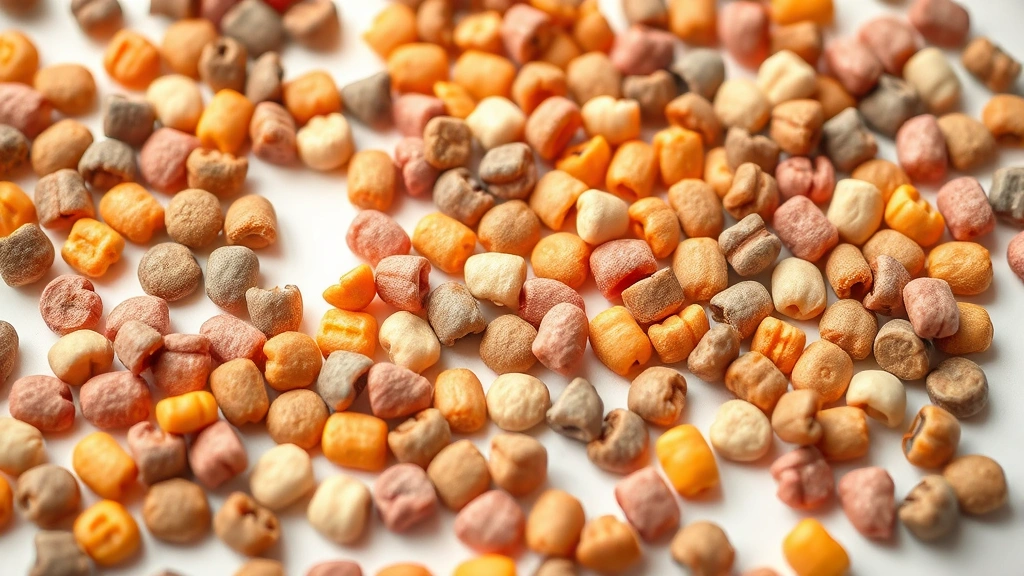
Most Beneful formulas contain corn syrup or sugar, which adds unnecessary calories and can contribute to obesity and dental problems. Dogs don’t need sugar in their diet, and its presence suggests the formula prioritizes palatability over nutritional optimization.
Nutritional Concerns Pet Experts Raise
When veterinary nutritionists evaluate Beneful, several concerns consistently emerge:
- Protein Quality: While Beneful meets AAFCO (Association of American Feed Control Officials) minimum protein standards, the quality and digestibility of those proteins is questionable due to plant-based sources and by-products.
- Corn as Primary Ingredient: The reliance on corn as the first ingredient is not ideal for dogs. Corn is an inexpensive filler that provides calories but limited nutritional value compared to meat-based proteins.
- Artificial Additives: The inclusion of artificial colors, flavors, and preservatives is unnecessary and potentially problematic for dogs with sensitivities.
- Nutritional Imbalances: Some Beneful formulas have been criticized for lacking optimal levels of essential nutrients like omega-3 fatty acids and certain vitamins.
- Digestibility: Many dog owners report that their pets experience digestive upset when fed Beneful, including diarrhea and vomiting—a sign that the food may not be highly digestible.
According to AAFCO standards, dog foods must meet minimum nutritional requirements, but “meeting minimum” is very different from providing optimal nutrition. It’s like saying a diet that meets minimum caloric requirements is ideal—technically adequate, but not necessarily optimal for health.
How Beneful Compares to Other Brands
Understanding where Beneful stands in the broader dog food marketplace helps put things in perspective. When compared to similar mid-range brands and premium options, several patterns emerge:
Beneful vs. Purina Pro Plan: If you’re already considering Purina products, it’s worth noting that Purina Pro Plan is a good dog food with better ingredient quality than Beneful. Pro Plan uses higher-quality protein sources and has fewer artificial additives. While more expensive, many nutritionists recommend Pro Plan as a better choice within the Purina family.
Beneful vs. Purina One: Similarly, Purina One is a good dog food that represents a step up in quality. Purina One uses real meat as the primary ingredient and avoids corn as the first component, making it a more nutritionally sound choice than Beneful.
Beneful vs. Pedigree: Both are budget-friendly brands, but Pedigree and Beneful share similar nutritional profiles, with comparable concerns about ingredient quality and artificial additives. Neither is considered ideal by most veterinary nutritionists.
Beneful vs. Blue Buffalo: Blue Buffalo is good for dogs and offers a more premium formulation with higher meat content and fewer artificial ingredients than Beneful. However, Blue Buffalo commands a higher price point.
The pattern is clear: you generally get what you pay for in dog food. More expensive brands typically use higher-quality ingredients and more rigorous quality control processes.
Digestive Health and Beneful
One of the most common complaints from dog owners who feed Beneful is digestive upset. Many report their dogs experience loose stools, diarrhea, or vomiting after eating Beneful. Why might this happen?
Several factors could contribute to digestive issues:
- Poor Ingredient Digestibility: The combination of plant-based proteins and by-products may be harder for some dogs to digest efficiently.
- Artificial Additives: Colors, flavors, and preservatives can trigger sensitivities in some dogs.
- Sudden Diet Changes: If you’re switching your dog to Beneful without a gradual transition, digestive upset is common with any food.
- Individual Sensitivities: Some dogs simply don’t tolerate certain ingredients well.
If your dog experiences digestive issues and you’re considering a diet change, understanding what to feed a dog with diarrhea becomes important. Digestive upset may signal that the current food isn’t the best match for your individual dog.
It’s also worth noting that how much food you should feed your dog matters too. Even a high-quality food can cause problems if portions are excessive. However, when digestive issues persist despite proper portions and gradual transitions, the food itself may be the culprit.
According to the ASPCA’s pet care guidelines, dogs should maintain healthy digestion and consistent stool quality on their regular diet. If this isn’t happening, it’s time to reconsider your food choice.
Price vs. Quality: Is It Worth It?
Beneful’s primary appeal is its affordability. A bag of Beneful typically costs $20-35 depending on size and formula, making it one of the cheaper options available. For budget-conscious pet owners, this price point is attractive. But the real question is: does the low price represent good value?
Consider these factors:
Long-term Health Costs: Feeding a lower-quality food might save money initially, but can lead to health problems down the road. Digestive issues, allergies, obesity, and nutritional deficiencies can result in expensive veterinary bills. A premium food that costs $50-70 per bag but keeps your dog healthier might be more economical over your dog’s lifetime.
Portion Sizes: Lower-quality foods are often less digestible, meaning your dog needs larger portions to feel satisfied. This can offset the initial savings. A premium food with better digestibility might actually cost the same or less per feeding.
Vet Recommendations: Most veterinarians don’t recommend Beneful as a primary diet. When your vet recommends a different food, following that advice typically costs less than treating the health issues that might result from feeding an suboptimal diet.
Ingredient Transparency: Many premium brands provide detailed information about their ingredient sourcing and manufacturing processes. Beneful’s vague ingredient descriptions make it harder to know exactly what you’re feeding your dog.
The reality is that while Beneful might seem like a budget-friendly option, the potential health trade-offs may not make it the most economical choice in the long run.
According to AAFCO guidance on pet food standards, all dog foods must meet minimum nutritional requirements, but this doesn’t mean all foods are created equal. Meeting minimum standards is different from providing optimal nutrition for your dog’s health and longevity.
Frequently Asked Questions
Is Beneful recalled often?
Beneful has faced several recalls over the years, though major recalls are not frequent. However, any recalls are concerning and suggest quality control issues. Check the FDA’s pet food recall database regularly if you feed Beneful to ensure you’re not using a recalled batch.
Can I feed my puppy Beneful?
While Beneful makes puppy formulas, most veterinarians recommend higher-quality puppy foods that provide better nutrition during critical growth stages. Puppies have specific nutritional requirements, and Beneful’s ingredient quality may not meet optimal standards for developing dogs.
Is Beneful grain-free better than regular Beneful?
Beneful’s grain-free options don’t significantly improve the ingredient quality. They still rely on plant-based proteins and by-products as primary components. Grain-free doesn’t automatically mean better—it’s just a different approach that doesn’t address the core quality concerns with the brand.
What should I feed my dog instead of Beneful?
Better alternatives include Purina Pro Plan, Purina One, Royal Canin, Hill’s Science Diet, or other premium brands that use whole meat as primary ingredients and avoid artificial additives. Talk to your veterinarian about the best option for your specific dog’s age, size, and health status.
Why do dogs seem to love Beneful if it’s not ideal?
Beneful is specifically formulated to be highly palatable through the use of artificial flavors, fats, and colors. Dogs find it delicious for the same reason junk food appeals to humans—it’s engineered for taste, not necessarily for optimal nutrition. Palatability doesn’t equal nutritional quality.
Can Beneful cause allergies?
While Beneful doesn’t cause true allergies in the clinical sense, the artificial additives and common allergens (corn, soy, wheat) can trigger sensitivities in some dogs. If your dog shows signs of itching, skin irritation, or digestive upset, Beneful could be contributing to the problem.
Is Beneful appropriate for senior dogs?
Beneful does make senior formulas, but the ingredient quality concerns remain the same. Senior dogs often benefit from higher-quality proteins and specific nutrient profiles. Discuss with your vet whether Beneful’s senior formula meets your older dog’s specific needs.





