
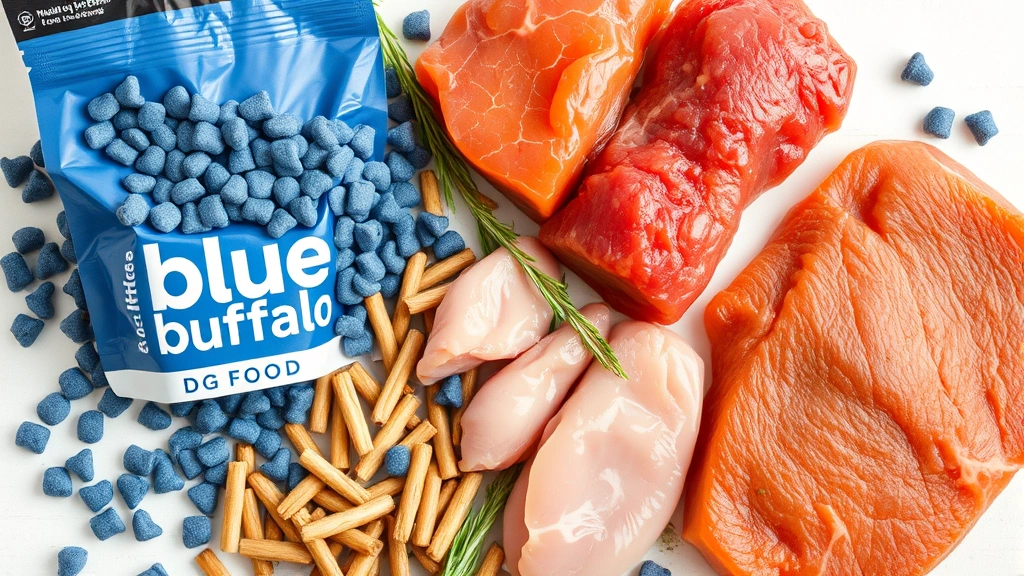
Is blue buffalo good dog food? That’s the question every dog parent asks when standing in the pet food aisle, staring at those distinctive blue bags. After years of marketing hype and some serious controversy, it’s time to cut through the noise and give you the real scoop on whether Blue Buffalo deserves a spot in your dog’s bowl.
Table of Contents
- What Exactly Is Blue Buffalo?
- Ingredient Quality: The Good, The Bad, and The “Wait, What?”
- Blue Buffalo vs. Competitor Dog Food Brands
- The Lawsuit Controversy: What Happened?
- Nutritional Analysis: Does Blue Buffalo Meet AAFCO Standards?
- Real Dog Owner Experiences: What Are People Actually Saying?
- Blue Buffalo Grain-Free vs. Traditional Formulas
- Price Point: Is Blue Buffalo Worth the Premium Cost?
- Specific Health Considerations and Blue Buffalo
- Environmental and Ethical Considerations
- The Bottom Line: Should Your Dog Eat Blue Buffalo?
- Frequently Asked Questions
What Exactly Is Blue Buffalo?
Blue Buffalo burst onto the pet food scene like a golden retriever at a dog park—with lots of energy and big promises. Founded in 2002, this company built its empire on the idea that dogs deserve “natural” ingredients, much like their wolf ancestors supposedly ate. Their signature blue bags feature a wolf on the front, because nothing says “premium dog food” like reminding you of your pup’s wild past, right?
The brand positions itself as a premium alternative to mainstream brands, and the price tag definitely reflects that positioning. You’ll find Blue Buffalo products ranging from budget-friendly to “yes, I’m spending more on my dog’s food than my own lunch” expensive.
Ingredient Quality: The Good, The Bad, and The “Wait, What?”
Let’s talk about what’s actually in those blue bags. Blue Buffalo does use some genuinely quality ingredients—real meat proteins like chicken, beef, and fish appear as primary ingredients in most formulas. They also include vegetables, fruits, and grains (in some lines) or grain-free options (in others).
Here’s where it gets interesting: Blue Buffalo emphasizes their use of “LifeSource Bits,” which are supposedly nutrient-dense, antioxidant-rich morsels. While antioxidants sound fancy, the actual nutritional advantage over standard kibble is debatable. The company also avoids artificial flavors, colors, and preservatives, which is genuinely a plus.
However—and this is a big however—Blue Buffalo faced multiple lawsuits claiming their products contained heavy metals and other contaminants not listed on labels. While the company settled these lawsuits without admitting wrongdoing, it raised some eyebrows in the pet parent community. We’ll dig deeper into this controversy later.
Blue Buffalo vs. Competitor Dog Food Brands
When comparing Blue Buffalo dog food quality to competitors, you need to consider both price and performance. Brands like Orijen, Acana, and Taste of the Wild offer similar premium positioning. Some dog owners report better results with these alternatives, while others swear by Blue Buffalo exclusively.
The key difference? Blue Buffalo invests heavily in marketing. Those commercials with happy dogs and wholesome family vibes? That costs money. Some of that premium price goes toward advertising rather than ingredients. Not necessarily a bad thing—it means more people know about the brand—but it’s worth acknowledging.
If you’re looking for alternatives, check out our guide on Nutrish Dog Food, which offers similar positioning at different price points.
The Lawsuit Controversy: What Happened?
In 2014, Blue Buffalo faced a significant lawsuit claiming their products contained heavy metals, melamine, and other contaminants. The company had marketed their food as containing no such substances. Blue Buffalo ultimately paid a $32 million settlement, though they maintained they did nothing wrong—a classic legal move.
This controversy doesn’t necessarily mean Blue Buffalo is unsafe today. Manufacturing standards have evolved, and the company has presumably tightened quality control. However, it’s important context for anyone researching this brand. The incident revealed that “natural” and “premium” marketing doesn’t automatically guarantee purity.
For more information about potentially harmful ingredients, our article on Harmful Foods for Dogs provides comprehensive guidance.
Nutritional Analysis: Does Blue Buffalo Meet AAFCO Standards?
The Association of American Feed Control Officials (AAFCO) sets nutritional standards for pet food. Blue Buffalo products do meet these standards, which is the baseline requirement. However, meeting minimum standards and exceeding them are two different things.
Most Blue Buffalo formulas contain adequate protein (typically 18-25% for adult dogs), which is appropriate for most canines. Their fat content is reasonable, and they include fiber for digestive health. The macronutrient profile is solid—nothing revolutionary, but nothing alarming either.
The real question isn’t whether Blue Buffalo meets standards; it’s whether the specific formula matches your individual dog’s needs. A senior dog with joint issues has different requirements than an active young pup.

Real Dog Owner Experiences: What Are People Actually Saying?
Online reviews are mixed, which is honestly the most honest answer you’ll find. Some dog owners report their pets have shinier coats, better digestion, and increased energy on Blue Buffalo. Others say their dogs experienced digestive upset, allergic reactions, or showed no noticeable improvement compared to cheaper brands.
This variation makes sense because dogs are individuals. What works for your neighbor’s Labrador might cause issues for your Dachshund. Genetics, age, activity level, and existing health conditions all play roles in how a dog responds to specific foods.
The most common complaint? Price versus perceived value. Many owners feel they’re paying premium prices without seeing premium results. Others are completely satisfied and wouldn’t switch for anything.
Blue Buffalo Grain-Free vs. Traditional Formulas
Blue Buffalo offers both grain-inclusive and grain-free options. Here’s the nuanced take: grain-free diets became trendy based on the assumption that dogs don’t need grains. However, recent research suggests grain-free diets might be linked to dilated cardiomyopathy (DCM) in some dogs, particularly certain breeds.
The FDA investigated this connection, and while the jury’s still somewhat out, many veterinarians now recommend grain-inclusive diets as a safer default option. If your dog has genuine grain allergies (which are rare), grain-free makes sense. Otherwise, traditional formulas with grains like brown rice or oats are perfectly fine and potentially healthier.
Blue Buffalo’s grain-inclusive lines use quality grains, so if your dog tolerates them, these formulas represent solid choices.
Price Point: Is Blue Buffalo Worth the Premium Cost?
Blue Buffalo typically costs 30-50% more than mainstream brands like Purina or Iams. The question becomes: do you get 30-50% better nutrition and results?
Honestly? Probably not. The ingredient quality difference between Blue Buffalo and a solid mid-range brand is smaller than the price difference suggests. You’re definitely paying for the brand name, marketing, and “natural” positioning.
That said, if Blue Buffalo produces noticeably better results in your specific dog (better coat, better digestion, better energy), then the premium might be justified for your situation. Pet nutrition isn’t one-size-fits-all, and sometimes the “expensive” option is the right one for your individual pup.
Specific Health Considerations and Blue Buffalo
Dogs with specific health issues deserve specific attention. If your dog has allergies, Blue Buffalo offers limited ingredient diets that can help. Their fish-based formulas work well for dogs with chicken sensitivities. For dogs needing high protein, their beef and bison formulas deliver.
However, if your dog has serious health conditions, consult your veterinarian before making diet changes. They might recommend prescription diets or specific formulations that Blue Buffalo doesn’t offer. For dietary questions specific to your dog’s health, consider a Virtual Vet Consultation for Diet Questions.
Some dogs thrive on Chicken Free Dog Food options, and Blue Buffalo does offer alternatives in this category.
Environmental and Ethical Considerations
Blue Buffalo uses real meat proteins, which raises questions about sourcing and sustainability. The company doesn’t provide extensive transparency about where their ingredients come from or how their supply chain operates. If ethical sourcing is important to you, this is worth researching further.
The company is owned by General Mills (as of 2018), which is a massive corporation. Some pet parents prefer supporting independent brands, while others see corporate backing as ensuring quality control and consistency.
The Bottom Line: Should Your Dog Eat Blue Buffalo?
Is blue buffalo good dog food? The answer is: it depends. Blue Buffalo is a legitimate, reasonably high-quality dog food that meets nutritional standards and uses decent ingredients. It’s not the best food on the market, nor is it among the worst. It occupies the “solid premium option” category.
Blue Buffalo works great for some dogs and produces no noticeable benefit for others. The price premium is partially justified by ingredient quality but is largely driven by brand positioning and marketing. The past lawsuit is concerning but doesn’t necessarily reflect current product safety.
Before switching to Blue Buffalo, consider your dog’s individual needs, your budget, and whether your current food is working. If your dog is healthy, has a shiny coat, good energy, and solid digestion on their current food, switching might not be necessary. If they’re experiencing issues, Blue Buffalo might help—but so might several other brands at various price points.
The best dog food is the one that keeps your individual dog healthy, happy, and thriving. For some dogs, that’s Blue Buffalo. For others, it’s something else entirely. Do a trial period, watch your dog’s response, and make your decision based on results rather than marketing.
Frequently Asked Questions
Is Blue Buffalo better than Purina Pro Plan?
Blue Buffalo uses higher-quality ingredients overall, but Purina Pro Plan is formulated by veterinary nutritionists and often produces excellent results. The “better” choice depends on your individual dog’s needs and response. Blue Buffalo is pricier; Purina Pro Plan offers more veterinary backing.
Did Blue Buffalo get sued? Is it safe now?
Yes, Blue Buffalo settled a $32 million lawsuit in 2014 regarding undisclosed contaminants. While they admitted no wrongdoing, it raised safety concerns. The brand presumably improved quality control since then, but this history is worth considering when making your decision.
Can Blue Buffalo cause allergies in dogs?
Blue Buffalo can trigger allergies in dogs with specific sensitivities, just like any food brand. If your dog has allergies, try their limited ingredient formulas. However, allergies aren’t inherent to Blue Buffalo—they’re individual to each dog.
What’s the difference between Blue Buffalo Life Source Bits and regular kibble?
LifeSource Bits are supposedly nutrient-dense morsels containing antioxidants. While they sound premium, the actual nutritional advantage over standard kibble is minimal. It’s more marketing appeal than functional difference.
Should I switch my dog to Blue Buffalo gradually?
Yes, always transition any dog food gradually over 7-10 days, mixing increasing amounts of the new food with the old. This prevents digestive upset. Blue Buffalo is no exception to this rule.
Is Blue Buffalo grain-free safe?
Grain-free diets have been linked to potential heart issues in some dogs. Unless your dog has genuine grain allergies, Blue Buffalo’s grain-inclusive formulas are likely the safer choice. Consult your vet if unsure.
Where should I buy Blue Buffalo?
Blue Buffalo is widely available at pet stores, grocery stores, and online retailers. Prices vary by retailer, so shopping around can save money. Online subscriptions sometimes offer discounts.
How does Blue Buffalo compare to Orijen and Acana?
All three are premium brands with quality ingredients. Orijen and Acana are slightly higher-protein and more expensive. Blue Buffalo is more widely available and slightly less pricey. Differences in results are minimal and individual to each dog.





