

Is Borax Toxic to Dogs? What Pet Experts Say
As a dog owner, you probably use borax-based products around your home for cleaning, laundry, and pest control. But have you ever wondered if these common household items could harm your furry best friend? The answer is yes—borax can be toxic to dogs, and understanding the risks is crucial for keeping your pet safe.
Borax, a naturally occurring mineral compound, is found in many everyday products we use without thinking twice. From laundry boosters to DIY cleaning solutions, it’s everywhere. However, what’s safe for humans isn’t always safe for our four-legged companions. Dogs are naturally curious creatures who explore their environment with their noses and mouths, making accidental ingestion a real concern for pet owners.
In this comprehensive guide, we’ll explore everything you need to know about borax toxicity in dogs, including symptoms of exposure, safe alternatives, and what to do if your dog accidentally ingests this harmful substance.
What Is Borax and Where Is It Found?
Borax, chemically known as sodium tetraborate, is a naturally occurring mineral compound derived from boron. It’s been used for decades in household cleaning products, laundry detergents, and pest control solutions. You’ll find it listed on product labels as an ingredient in many commercial cleaners, though it’s often disguised under various names.
Common products containing borax include:
- Laundry boosters and detergents
- Multi-surface cleaners
- Bathroom and kitchen cleaners
- Dishwasher tablets
- Pest control products (particularly ant and roach baits)
- DIY cleaning solutions and recipes
- Some craft supplies and slimes
- Pool maintenance products
Many pet owners also use borax in homemade cleaning recipes, thinking natural ingredients are automatically safe. Unfortunately, this assumption can put their dogs at serious risk. The mineral is particularly concerning because it’s often found in concentrated forms in products designed specifically for pest control.
Understanding Borax Toxicity in Dogs
According to veterinary toxicology experts, borax is classified as a toxic substance for dogs. The ASPCA Animal Poison Control Center receives numerous calls each year regarding borax ingestion in pets. The compound affects multiple body systems when absorbed, making it a serious health concern.
Borax toxicity works by damaging the gastrointestinal tract and nervous system. When ingested, it can cause irritation to the stomach and intestines, leading to vomiting and diarrhea. In more severe cases, borax can affect the brain and spinal cord, resulting in neurological symptoms.
It’s worth noting that borax toxicity is dose-dependent, meaning the amount your dog ingests matters significantly. However, even small amounts can cause problems in smaller dog breeds. A chihuahua ingesting the same amount as a golden retriever would experience more severe effects due to body weight differences.
The Association of American Feed Control Officials recognizes borax as a harmful substance for pets, and veterinary professionals consistently recommend avoiding its use in homes with dogs.
Signs and Symptoms of Borax Poisoning
Recognizing the symptoms of borax poisoning is essential for getting your dog prompt veterinary care. The signs can appear within hours of ingestion or develop gradually, depending on the amount consumed.
Immediate symptoms may include:
- Vomiting (sometimes with blood)
- Diarrhea (often watery or bloody)
- Loss of appetite
- Abdominal pain and discomfort
- Drooling or excessive salivation
- Lethargy and weakness
- Dehydration
More serious symptoms in cases of significant exposure:
- Tremors or muscle twitching
- Seizures
- Weakness or paralysis
- Confusion or disorientation
- Rapid heart rate
- Difficulty breathing
- Loss of consciousness
If you notice any of these symptoms and suspect your dog has been exposed to borax, contact your veterinarian immediately or call the ASPCA Poison Control at (888) 426-4435. Time is critical in cases of toxin ingestion, and prompt treatment can make a significant difference in your dog’s outcome.

Some pet owners wonder about other household substances as well. For instance, you might be curious about whether eucalyptus is safe for dogs or if lavender is safe for dogs, as these are also common household items. Similarly, understanding the safety of products like hydrogen peroxide for dogs helps you make informed decisions about what to keep in your home.
How Much Borax Is Toxic to Dogs?
The toxic dose of borax for dogs varies based on several factors, including body weight, age, and overall health status. Generally, toxicity begins at doses as low as 10-25 mg per kilogram of body weight. However, even lower amounts can cause gastrointestinal upset.
To put this in perspective:
- A small dog weighing 5 pounds could experience symptoms from as little as 225-560 mg of borax
- A medium dog weighing 30 pounds could show effects from 1,360-3,400 mg
- A large dog weighing 80 pounds might tolerate up to 3,600-9,000 mg before serious symptoms appear
These calculations highlight why smaller breeds are at greater risk. A curious toy poodle who finds a borax-containing product is more likely to ingest a toxic amount than a large breed would be.
It’s also important to understand that concentrated products pose greater risks than diluted solutions. Ant bait stations, for example, contain much higher concentrations of borax than a general-purpose cleaner would. A dog that chews through a single ant bait station could easily ingest a toxic dose.
Safe Cleaning Alternatives for Pet Owners
The good news is that you don’t need to use borax to maintain a clean home. Many safer alternatives work just as effectively without putting your dog at risk. These natural and commercial options are pet-friendly while still tackling tough cleaning jobs.
Natural cleaning solutions:
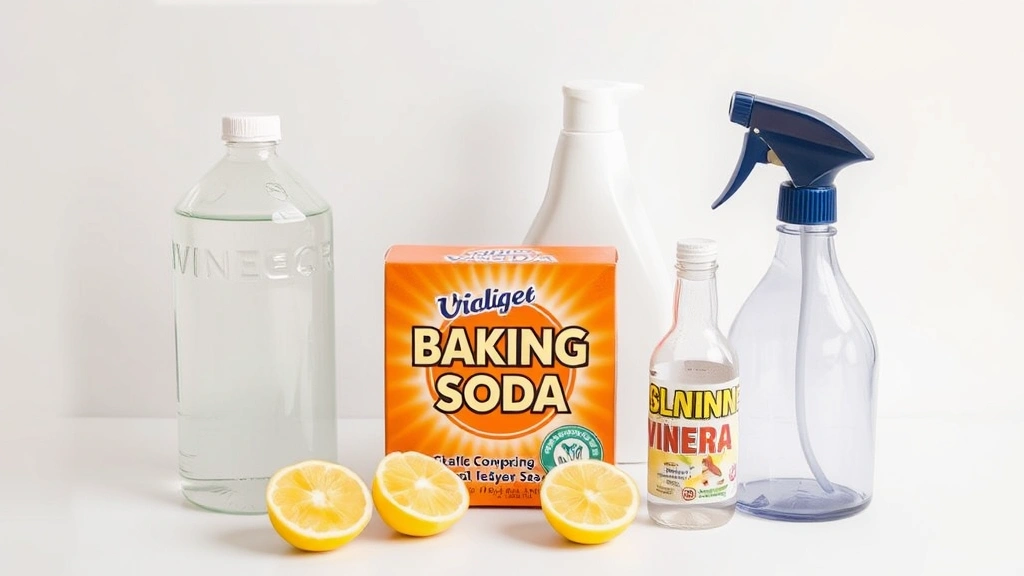
- Vinegar and water: A 50/50 solution works great for windows, floors, and countertops. While some smells dogs hate include vinegar, the diluted solution is safe and the smell dissipates quickly.
- Baking soda: Excellent for deodorizing carpets, upholstery, and litter areas. Sprinkle, let sit, then vacuum thoroughly.
- Lemon juice: Natural degreaser with antimicrobial properties. Mix with water for general cleaning.
- Castile soap: A plant-based soap that’s gentle yet effective for most cleaning tasks.
- Hydrogen peroxide: While you should be careful about concentrated solutions, diluted hydrogen peroxide is generally safe for dogs and works as a disinfectant. Learn more about hydrogen peroxide safety for dogs before use.
Commercial pet-safe cleaners:
Many brands now offer pet-friendly cleaning products specifically formulated without harmful chemicals. Look for products labeled as:
- Pet-safe or pet-friendly
- Non-toxic to animals
- Free from borax and boron compounds
- Veterinarian-recommended
When shopping, always read product labels carefully. Don’t assume a product is safe just because it’s labeled “natural” or “eco-friendly.” Verify that borax is not listed among the ingredients.
Prevention and Safety Tips
The best approach to borax toxicity is prevention. By being proactive about how you store and use cleaning products, you can significantly reduce the risk of your dog being exposed to this harmful substance.
Storage best practices:
- Keep all cleaning products, including borax, in a secure cabinet or closet that your dog cannot access
- Store products in their original containers with clear labeling
- Never transfer borax to unmarked containers that might confuse you or other household members
- Keep pest control products, especially borax-based baits, completely out of reach
- Consider using child-proof locks on cabinets if your dog is particularly clever or persistent
Usage precautions:
- Never use borax-containing products when your dog is in the room
- Ensure complete ventilation and allow surfaces to dry fully before your dog has access
- Don’t use borax in homemade cleaning recipes—the risk isn’t worth the savings
- Avoid DIY slimes and craft projects containing borax if you have dogs in your home
- Be cautious with laundry boosters and wash your dog’s bedding separately from these products
- Dispose of borax-containing products properly in sealed bags
If you have questions about what to do in emergency situations, understanding what to do if your dog eats something toxic provides a useful framework. Similarly, knowing about inducing vomiting in dogs can be valuable information, though this should only be done under veterinary guidance.
Consider involving all family members in your prevention strategy. Teach children that cleaning products are not toys and should never be left accessible. Make sure visitors know about your pet-safe policies if they’re bringing products into your home.
Frequently Asked Questions
What should I do if my dog ingests borax?
If you suspect your dog has ingested borax, contact your veterinarian or the ASPCA Animal Poison Control Center immediately at (888) 426-4435. Have the product container available so you can provide information about the concentration and amount. Don’t attempt to induce vomiting unless specifically instructed by a veterinary professional. Time is critical, and professional guidance can make the difference between a full recovery and serious complications.
Is borax dangerous if my dog just licks a surface that was cleaned with it?
The risk depends on the concentration and how much residue remains. A single lick of a diluted solution is unlikely to cause serious problems, but repeated exposure or licking concentrated product residue can lead to toxicity. To be safe, thoroughly rinse all surfaces after cleaning and ensure they’re completely dry before allowing your dog access to the area. If your dog frequently licks cleaned surfaces, consider switching to a borax-free cleaner.
Can borax be absorbed through my dog’s skin?
While borax is primarily a concern when ingested, it can potentially be absorbed through the skin in high concentrations, especially if your dog has open wounds or irritated skin. This is another reason to keep your dog away from areas being cleaned with borax and to ensure products dry completely before pets are present.
Are all dogs equally susceptible to borax toxicity?
No, susceptibility varies based on several factors. Small dog breeds are at higher risk because toxic doses are based on body weight. Puppies and senior dogs may also be more vulnerable. Additionally, dogs with existing gastrointestinal issues or compromised immune systems may experience more severe symptoms from borax exposure. Always err on the side of caution, regardless of your dog’s age or size.
What’s the difference between borax and boric acid?
While related, borax and boric acid are different compounds. Boric acid is also toxic to dogs and should be avoided. Both contain boron and can cause similar health effects in pets. If you’re looking to eliminate products containing either compound, check labels carefully for both names and any reference to boron-containing ingredients.
Can I use borax-based products if my dog doesn’t go in certain rooms?
While this reduces risk, it’s not completely safe. Dogs can wander into unexpected areas, and borax residue can be tracked throughout your home on shoes and clothing. Additionally, if you ever forget to close a door or your dog manages to slip past you, exposure becomes possible. For maximum safety, it’s best to eliminate borax products from your home entirely.
Are there any borax-free laundry products I can use?
Absolutely. Many laundry detergents don’t contain borax. Look for products specifically labeled as borax-free or choose enzyme-based detergents. You can also use baking soda as a natural booster, or try oxygen-based bleach alternatives. Many major brands now offer pet-safe laundry options.





