
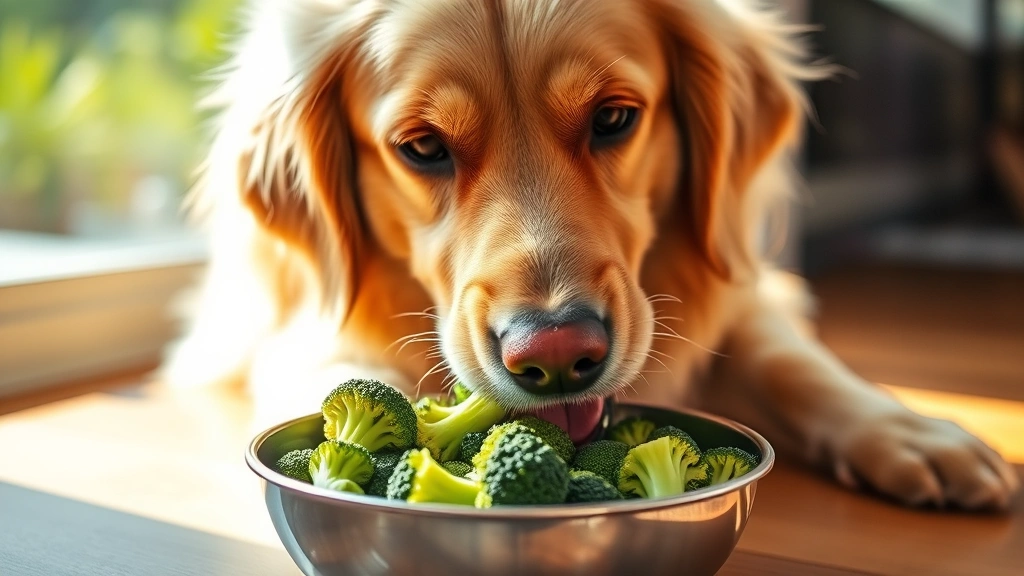
Is Broccoli Bad for Dogs? Vet-Approved Insights
If you’re a dog parent who loves sharing your meals with your furry best friend, you’ve probably wondered about broccoli. After all, it’s packed with vitamins and nutrients that are fantastic for humans—so surely it’s equally amazing for dogs, right? Well, the answer is a bit more nuanced than a simple yes or no. The truth is, broccoli can be a healthy treat for your pup, but there are some important guidelines you need to follow to keep your canine companion safe and happy.
Every day, dog owners face the challenge of determining which human foods are safe to share with their pets. From carrots to chicken, the list of possibilities can feel overwhelming. Broccoli is one of those foods that sits in a gray area—it’s not toxic, but it’s not exactly a superfood for dogs either. Understanding the benefits and potential risks of broccoli will help you make informed decisions about your dog’s diet and snack choices.
In this comprehensive guide, we’ll explore everything you need to know about broccoli and dogs, from portion sizes to preparation methods, and how to incorporate this cruciferous vegetable safely into your pet’s routine.
Is Broccoli Toxic to Dogs?
The short answer is no—broccoli is not toxic to dogs. Unlike certain foods such as chocolate, grapes, or xylitol-containing products, broccoli won’t poison your pup. However, this doesn’t mean you should toss unlimited amounts of this green vegetable into your dog’s bowl. According to the American Kennel Club, broccoli is generally safe for dogs when given in moderation and prepared appropriately.
The confusion often stems from the compound called isothiocyanate, which is naturally present in broccoli and other cruciferous vegetables. While this compound isn’t technically toxic, it can cause mild gastrointestinal upset in some dogs, especially when consumed in large quantities. This is why portion control is absolutely critical when offering broccoli to your furry friend.
Many pet owners have successfully incorporated broccoli into their dogs’ diets without any issues, while others have noticed their pups experiencing digestive discomfort. The key difference usually comes down to the amount given and your individual dog’s sensitivity to this particular vegetable. If you’re unsure whether your dog can tolerate broccoli, start with tiny amounts and monitor their reaction closely.
Nutritional Benefits of Broccoli
When prepared correctly, broccoli can offer some genuine nutritional advantages for your dog. This humble green vegetable is loaded with vitamins, minerals, and antioxidants that support overall health. Let’s break down what makes broccoli nutritionally interesting for canines:
- Vitamin C: Supports immune function and acts as an antioxidant, helping fight free radicals in your dog’s body
- Vitamin K: Essential for bone health and blood clotting, promoting proper healing and bone density
- Fiber: Aids in digestive health and can help maintain healthy weight when given in appropriate amounts
- Potassium: Supports heart health, muscle function, and nerve transmission
- Folate: Important for cell division and DNA synthesis in your dog’s body
- Antioxidants: Compounds like sulforaphane help reduce inflammation and may support cellular health
The low-calorie nature of broccoli makes it an excellent choice for dogs that need to maintain a healthy weight. A small floret contains virtually no fat and is packed with water and fiber, making it filling without being calorically dense. This is why many veterinarians recommend broccoli as an occasional treat for weight-conscious pups.
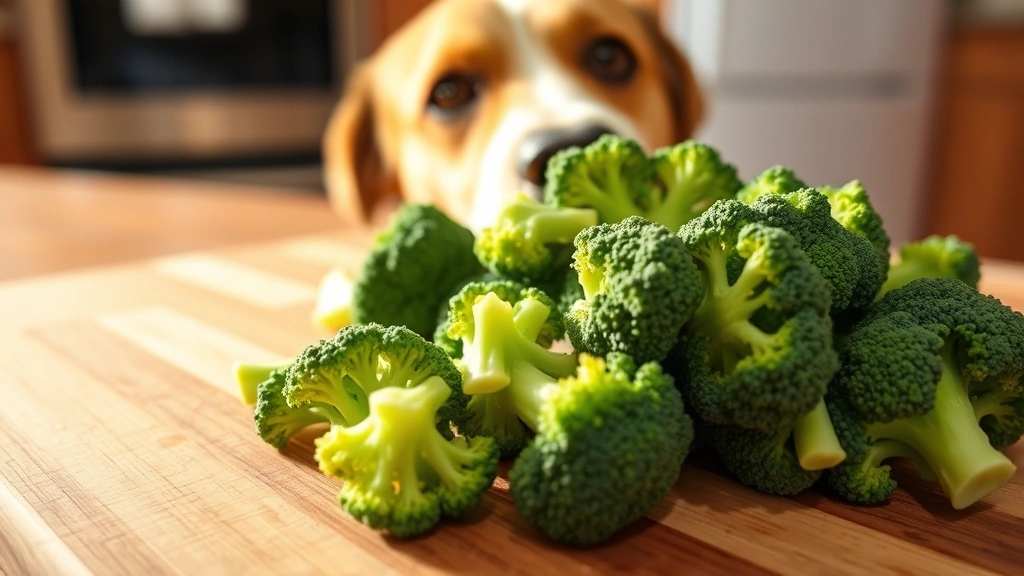
When you consider that dogs can eat broccoli safely in small amounts, the nutritional profile becomes quite appealing. However, it’s important to remember that while broccoli is nutrient-dense, it shouldn’t replace a complete, balanced diet formulated specifically for dogs.
Health Concerns and Risks
While broccoli isn’t inherently dangerous, there are several health considerations you should be aware of before offering it to your dog. Understanding these potential issues will help you make the best decision for your specific pet.
Isothiocyanates and Digestive Issues: The primary concern with broccoli is the presence of isothiocyanates. These sulfur-containing compounds give broccoli its distinctive smell and taste, but they can irritate your dog’s stomach lining, particularly in sensitive animals. Signs of digestive upset include vomiting, diarrhea, or excessive gas. This is why portion control is absolutely essential.
Choking Hazard: The texture and structure of broccoli florets, especially raw ones, can pose a choking risk for some dogs, particularly those who don’t chew thoroughly before swallowing. Large dogs might be less at risk, but small breeds need extra caution.
Goitrogens: Broccoli contains compounds called goitrogens that can interfere with thyroid function when consumed in excessive amounts. For most dogs eating broccoli occasionally, this isn’t a concern, but dogs with pre-existing thyroid conditions should avoid this vegetable altogether.
The ASPCA suggests consulting with your veterinarian before introducing any new foods to your dog’s diet, especially if your pet has existing health conditions.

If your dog has a sensitive stomach, suffers from gastrointestinal issues, or has thyroid problems, it’s best to skip broccoli entirely and explore other vegetable options that are gentler on their system.
Safe Serving Guidelines
If you’ve decided that broccoli is appropriate for your dog, following proper serving guidelines is absolutely crucial. The golden rule is moderation—broccoli should make up no more than 10% of your dog’s daily caloric intake.
Portion Sizes by Weight:
- Small dogs (under 25 lbs): One small floret, 1-2 times per week maximum
- Medium dogs (25-50 lbs): 2-3 small florets, 1-2 times per week maximum
- Large dogs (50+ lbs): 3-4 small florets, 1-2 times per week maximum
These portions are conservative and designed to prevent any digestive upset. Many vets recommend starting with even smaller amounts to test your individual dog’s tolerance. Some dogs might handle broccoli with no issues, while others might experience mild discomfort.
When learning about whether dogs can have broccoli, remember that treats should never make up more than 10% of your dog’s daily caloric intake. The other 90% should come from a high-quality, complete dog food formulated by veterinary nutritionists.
Always introduce broccoli gradually into your dog’s diet. Start with a tiny piece and wait 24-48 hours to observe any adverse reactions before offering more. This slow introduction helps you identify whether your specific dog has sensitivity to this vegetable.
Preparation Methods
How you prepare broccoli for your dog matters significantly. Different preparation methods can impact digestibility, safety, and nutritional value.
Raw Broccoli: When considering whether dogs can eat raw broccoli, the answer is yes, but with caveats. Raw broccoli retains more nutrients but poses a greater choking risk and can be harder to digest. If you offer raw broccoli, cut it into very small, manageable pieces and supervise your dog closely during consumption.
Steamed Broccoli: Steaming is often the preferred preparation method for dogs. It softens the florets, making them easier to chew and digest, while retaining most nutrients. Simply steam broccoli for 5-7 minutes until it’s tender but not mushy, then let it cool completely before serving.
Boiled Broccoli: Cooked broccoli is generally easier on the digestive system than raw. Boiling is acceptable, though it leaches some nutrients into the water. If you boil broccoli, use minimal water and don’t add salt, seasonings, or butter.
What to Avoid:
- Never add salt, butter, garlic, onion, or any seasoning to broccoli intended for your dog
- Avoid broccoli with cheese sauce or cream-based toppings
- Don’t serve broccoli that’s been cooked with other potentially harmful ingredients
- Skip frozen broccoli with added sauces or seasonings
The simplest and safest approach is plain, steamed broccoli with nothing added. Your dog doesn’t need flavor enhancers—they’ll be perfectly happy with plain, healthy vegetables.
Healthy Vegetable Alternatives
If you’re interested in expanding your dog’s vegetable options beyond broccoli, there are plenty of excellent choices. When exploring what vegetables dogs can eat, you’ll find many safer and equally nutritious options.
Some dog-friendly vegetables include:
- Carrots: Excellent for dental health, low in calories, and safe in generous portions
- Green beans: High in fiber, low in calories, and generally well-tolerated by most dogs
- Sweet potatoes: Rich in beta-carotene and fiber, though higher in calories
- Pumpkin: Great for digestive health and very palatable to most dogs
- Cucumbers: Hydrating, low-calorie, and refreshing, especially in warm weather
- Zucchini: Mild flavor, easy to digest, and safe in generous portions
For more comprehensive information about which vegetables are good for dogs, consult with your veterinarian about your specific dog’s dietary needs and any health conditions that might affect food choices.
The Pet MD veterinary resource provides extensive information about dog nutrition and safe food options that can help you make informed decisions about your pet’s diet.
Frequently Asked Questions
Can puppies eat broccoli?
Puppies have more sensitive digestive systems than adult dogs, so broccoli should be avoided during the first year of life. Once your puppy reaches adulthood (timing varies by breed), you can introduce broccoli in tiny amounts if desired. Always consult your veterinarian before introducing new foods to your puppy’s diet.
What should I do if my dog eats too much broccoli?
If your dog consumes a large amount of broccoli, monitor them closely for signs of digestive upset such as vomiting, diarrhea, or excessive gas. Most dogs will recover without intervention, but contact your veterinarian if symptoms persist for more than a few hours or seem severe.
Can dogs with diabetes eat broccoli?
Yes, broccoli can be an excellent treat for diabetic dogs due to its low sugar content and low calories. However, always consult your veterinarian before making dietary changes for a diabetic dog, as individual circumstances vary.
Is broccoli better than other dog treats?
Broccoli can be a healthier alternative to many commercial dog treats because it’s low in calories and contains no artificial ingredients. However, the best treats are those specifically formulated for dogs and recommended by your veterinarian.
How often can I give my dog broccoli?
Broccoli should be offered no more than 1-2 times per week in very small portions. This frequency helps prevent digestive upset and ensures broccoli remains a special treat rather than a dietary staple.
Can dogs eat broccoli stems?
Yes, broccoli stems are safe for dogs and actually contain many of the same nutrients as florets. However, they’re tougher and pose more of a choking risk, so they should be cut into small pieces and steamed until soft before serving.
Are there any dog breeds that shouldn’t eat broccoli?
Dogs with thyroid conditions, sensitive stomachs, or a history of gastrointestinal issues should avoid broccoli. Additionally, brachycephalic breeds (flat-faced dogs like Bulldogs and Pugs) might have difficulty chewing and digesting raw broccoli, so cooked versions are safer if broccoli is offered at all.
What are the signs that broccoli is bothering my dog?
Watch for vomiting, diarrhea, loss of appetite, excessive gas, bloating, or lethargy following broccoli consumption. If you notice any of these symptoms, eliminate broccoli from your dog’s diet and consult your veterinarian if symptoms persist.





