
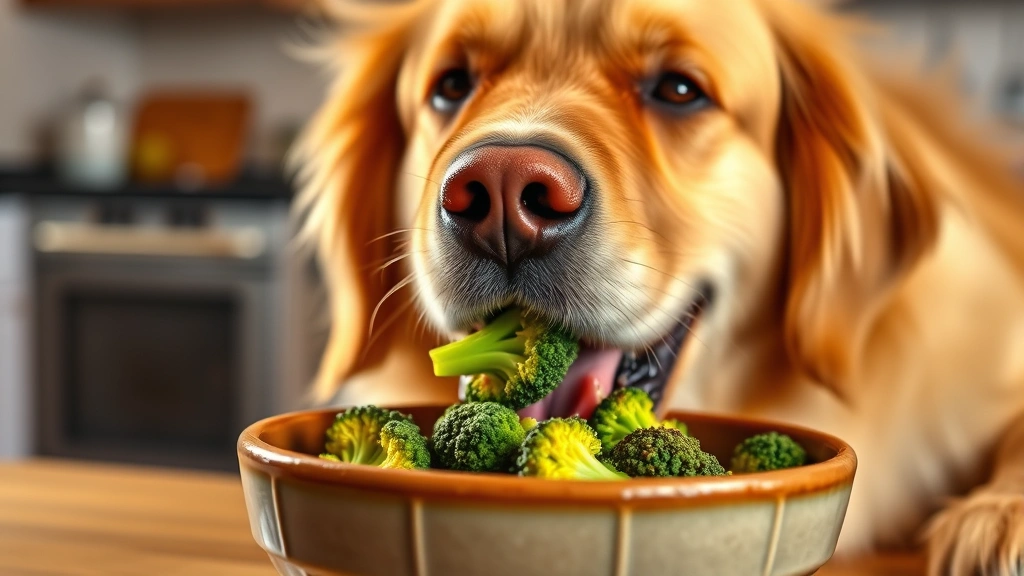
Is Broccoli Safe for Dogs? What Experts Say
If you’ve ever caught your furry friend eyeing your dinner plate with those irresistible puppy-dog eyes, you’ve probably wondered what human foods are actually safe to share. Broccoli is one of those vegetables that seems like it should be healthy for dogs—after all, it’s packed with nutrients that benefit us humans. But the real question is: is broccoli safe for dogs? The answer is more nuanced than a simple yes or no, and we’re here to break down exactly what veterinarians recommend.
As pet parents, we want to provide the best nutrition for our canine companions while keeping them safe from potential hazards. Broccoli falls into that interesting category of foods that can be beneficial in moderation but requires careful preparation and portion control. Whether you’re looking to add variety to your dog’s diet or simply want to know if sharing your steamed broccoli is okay, this comprehensive guide will walk you through everything experts want you to know.
Throughout this article, we’ll explore the nutritional benefits, potential risks, proper preparation methods, and expert recommendations from veterinarians. By the end, you’ll have all the information you need to make informed decisions about feeding broccoli to your beloved pup.
The Nutritional Profile of Broccoli for Dogs
Broccoli is undeniably nutritious. This cruciferous vegetable contains vitamins C and K, fiber, and various antioxidants that support immune function and overall health. For humans, broccoli is considered a superfood. But dogs have different nutritional needs than we do, so the benefits don’t translate exactly the same way.
When we look at what broccoli offers your dog, the picture becomes clearer. Dogs can absorb vitamin C naturally through their diet, and they produce their own vitamin C, so supplementing with broccoli isn’t necessary for this nutrient. However, the fiber content in broccoli can support digestive health, and the antioxidants may provide some anti-inflammatory benefits. The key is understanding that while these nutrients aren’t harmful, they’re also not essential in your dog’s diet if they’re already eating a complete and balanced commercial dog food.
The reality is that most quality dog foods already contain all the nutrients your pup needs. Adding broccoli shouldn’t replace their regular meals but rather serve as an occasional treat or supplement. If you’re interested in learning more about what dogs can eat, you might want to explore whether dogs can eat broccoli in our detailed guide, or check out similar vegetables like whether dogs can have cauliflower.
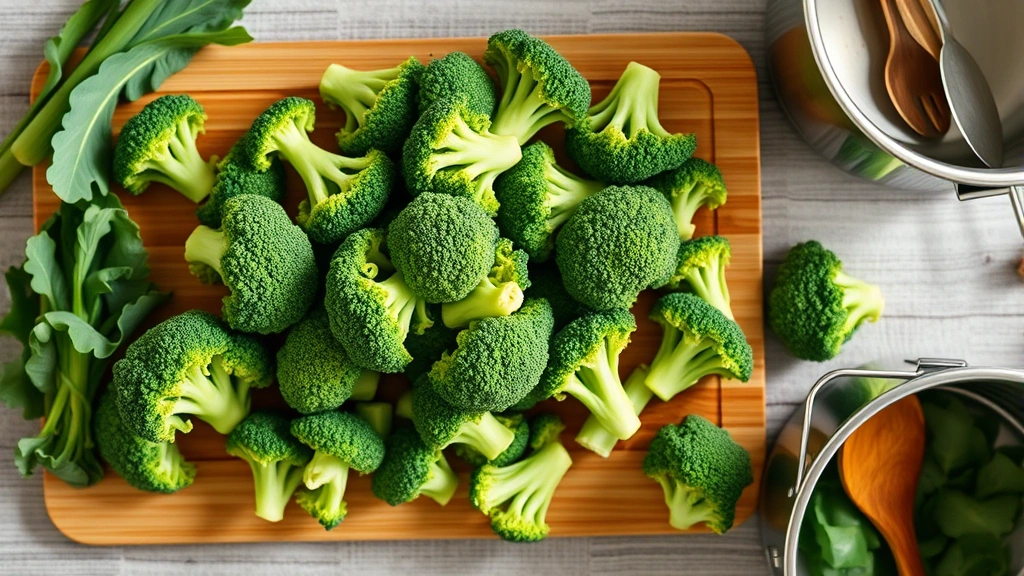
Is Broccoli Safe? What Veterinarians Say
The good news: yes, broccoli is generally safe for dogs when prepared correctly and given in appropriate amounts. The American Kennel Club (AKC) acknowledges that broccoli can be a safe treat option for dogs. However, this comes with important caveats that every dog owner should understand.
According to the American Kennel Club’s guidelines on broccoli for dogs, the vegetable itself isn’t toxic, but certain compounds and preparation methods require attention. Veterinarians generally agree that small amounts of plain broccoli are acceptable for most healthy adult dogs. However, if your dog has specific health conditions, you should always consult with your veterinarian before introducing new foods.
The consensus among canine nutrition experts is that broccoli can be a low-calorie treat option, which is particularly useful if you’re trying to manage your dog’s weight. Some veterinarians even recommend whether dogs can have broccoli as part of a weight management strategy, though it should never be a primary food source.
It’s worth noting that the ASPCA maintains a comprehensive list of foods that are safe and unsafe for dogs. Their research supports the safety of broccoli in moderation. The key phrase here is “moderation”—and we’ll explore exactly what that means in terms of portion sizes.
The Risks and Concerns
While broccoli is generally safe, there are legitimate concerns that responsible pet owners should be aware of. Understanding these risks helps you make the best decision for your individual dog.
Isothiocyanates and Digestive Issues: Broccoli contains compounds called isothiocyanates, which can cause gastrointestinal irritation in dogs, particularly when consumed in large quantities. These compounds are what give broccoli its bitter taste and are generally harmless in small amounts, but excessive consumption can lead to stomach upset, vomiting, or diarrhea. If your dog experiences digestive issues after eating broccoli, you might want to review our guide on what to feed dogs with diarrhea.
Choking Hazard: Broccoli florets can pose a choking risk, especially for dogs who don’t chew thoroughly before swallowing. Large pieces of broccoli can also cause intestinal blockages in some cases. This is why preparation method matters significantly.
Thyroid Concerns: Some pet owners worry that the goitrogens in broccoli (compounds that can interfere with thyroid function) pose a risk. While these compounds are present, the amount in broccoli isn’t typically problematic for dogs with normal thyroid function. However, dogs with existing thyroid issues should avoid broccoli altogether, and you should consult your vet before introducing it.
Individual Sensitivities: Just like humans, some dogs have individual sensitivities to certain foods. Your dog might react negatively to broccoli even if most dogs tolerate it fine. Always introduce new foods gradually and monitor for adverse reactions.

How to Safely Prepare Broccoli for Dogs
If you’ve decided that broccoli is appropriate for your dog, proper preparation is absolutely essential. The way you prepare this vegetable can mean the difference between a safe treat and a potential health hazard.
Raw vs. Cooked: When considering whether dogs can eat raw broccoli, both options can work, but each has advantages and disadvantages. Raw broccoli is higher in vitamin C and fiber but is harder to digest and poses more of a choking risk. Cooked broccoli is easier on the digestive system and less likely to cause choking, making it the safer option for most dogs.
Cooking Methods: The best way to prepare broccoli for your dog is to steam or boil it plain, without any added seasonings, oils, or butter. Steaming preserves more nutrients than boiling, so this is the preferred method. Simply cut the broccoli into small, bite-sized pieces and cook until soft. Avoid roasting or pan-frying, as these methods often involve added fats and oils that aren’t necessary for your dog’s diet.
Never Add Seasonings: This cannot be stressed enough. Garlic and onion, which are common seasonings added to human broccoli dishes, are toxic to dogs and can cause serious health issues. Salt, while not toxic in small amounts, isn’t beneficial for dogs either. Always prepare your dog’s broccoli completely plain.
Size Matters: Cut broccoli into appropriately sized pieces for your dog. For small dogs, pieces should be no larger than a pea. For medium to large dogs, pieces can be slightly larger but should still be small enough to swallow without choking. The general rule is that pieces should be about the size of a pea or smaller for safety.
Cool Before Serving: If you’re cooking broccoli, allow it to cool completely before offering it to your dog. Hot food can burn their mouth and throat, and it’s simply uncomfortable for them.
Portion Control and Feeding Guidelines
Even safe foods can be problematic if given in excessive amounts. Understanding proper portion sizes is crucial for maintaining your dog’s health and preventing digestive upset.
The general guideline from veterinarians is that treats, including vegetables like broccoli, should make up no more than 10% of your dog’s daily caloric intake. The remaining 90% should come from their regular, balanced dog food. This “10% rule” ensures that your dog still receives all necessary nutrients from their primary diet while enjoying occasional treats.
For most dogs, this translates to just a few small pieces of broccoli as an occasional treat—perhaps once or twice per week at most. A small dog might enjoy just 2-3 small broccoli florets, while a large dog could have up to a handful, but this should still be considered a treat, not a regular meal component.
Age and Health Considerations: Puppies, senior dogs, and dogs with existing health conditions may need different guidelines. Puppies have developing digestive systems and should be introduced to new foods very gradually. Senior dogs may have more sensitive digestion. Always consult your veterinarian about appropriate portions for your individual dog.
Monitoring Your Dog: When you first introduce broccoli to your dog, start with a very small amount and observe them for 24-48 hours. Look for signs of digestive upset, allergic reactions, or changes in behavior. If everything seems fine, you can occasionally offer small amounts in the future.
Alternative Vegetables Your Dog Might Enjoy
If you’re looking to add variety to your dog’s diet with vegetables, broccoli isn’t your only option. Many dogs enjoy other vegetables that might be safer or more palatable alternatives.
Carrots: Carrots are good for dogs and offer excellent benefits. They’re crunchy, which dogs often enjoy, and they’re great for dental health. Carrots are also lower in problematic compounds than broccoli and can be served raw or cooked.
Green Beans: These are often recommended by veterinarians as a safe vegetable treat. They’re low in calories, easy to digest, and don’t contain the compounds that make broccoli concerning. You can serve them fresh, cooked, or even frozen.
Sweet Potatoes: These are slightly higher in calories than broccoli but offer excellent nutritional benefits. They’re rich in beta-carotene and are generally well-tolerated by most dogs. Serve them cooked and cut into small pieces.
Pumpkin: Plain pumpkin (not pumpkin pie filling) is another excellent vegetable option that’s often recommended by veterinarians for digestive health. It’s mild, easily digestible, and many dogs find it delicious.
Cucumbers: These are hydrating, low-calorie options that many dogs enjoy, especially on warm days. They’re very safe and have virtually no risk of digestive upset.
Frequently Asked Questions
Can puppies eat broccoli?
Puppies can technically eat small amounts of broccoli, but it’s generally not recommended for young dogs. Their digestive systems are still developing and are more sensitive to new foods. The risk of choking and digestive upset is higher in puppies. It’s best to wait until your dog is at least one year old before introducing broccoli, and even then, only in very small amounts. Consult your veterinarian before introducing any new foods to your puppy.
What should I do if my dog eats a large amount of broccoli?
If your dog has consumed a large quantity of broccoli, monitor them closely for signs of digestive upset, including vomiting, diarrhea, or abdominal discomfort. In most cases, mild gastrointestinal upset will resolve on its own within 24 hours. However, if your dog shows signs of severe distress, seems to be in pain, or symptoms persist beyond 24 hours, contact your veterinarian immediately. If the broccoli was prepared with garlic, onion, or other toxic ingredients, seek veterinary attention right away.
Is frozen broccoli safe for dogs?
Frozen broccoli is generally safe for dogs, provided it doesn’t contain added seasonings or sauces. Plain frozen broccoli can be thawed and cut into appropriate sizes before serving. Some dogs even enjoy frozen broccoli pieces as a cooling treat on hot days, though you should supervise to ensure they don’t choke. Always check the packaging to confirm there are no added ingredients.
Can dogs with allergies eat broccoli?
Dogs with food allergies can potentially eat broccoli, as it’s not a common allergen. However, if your dog has a history of food sensitivities, introduce broccoli very gradually and watch carefully for any reactions. Some dogs with sensitive digestive systems might react negatively to the compounds in broccoli even if they don’t have a true allergy. When in doubt, consult your veterinarian before introducing any new foods.
How often can I give my dog broccoli?
Broccoli should be considered an occasional treat, not a regular part of your dog’s diet. Most veterinarians recommend offering it no more than once or twice per week, in small amounts. This ensures it doesn’t interfere with your dog’s nutritional balance and keeps the risk of digestive upset minimal. Remember, your dog’s primary nutrition should come from their regular, balanced dog food.
Are broccoli stems safe for dogs?
Yes, broccoli stems are safe for dogs and are actually less likely to cause choking than florets since they’re less likely to crumble. However, they should still be cut into small pieces and cooked until soft. Stems can be a good option if you’re looking to reduce waste and share your broccoli preparation with your pup, but follow the same portion guidelines as you would with florets.
Can broccoli help with dog weight management?
Yes, broccoli can be a useful tool in weight management programs for dogs. It’s very low in calories—about 30 calories per cup—and high in fiber, which can help dogs feel fuller longer. Some veterinarians recommend using broccoli as a low-calorie treat alternative to higher-calorie dog treats. However, it should be part of a comprehensive weight management plan that includes appropriate portion control of regular dog food and adequate exercise. Always work with your veterinarian to develop a safe weight loss plan for your dog.





