
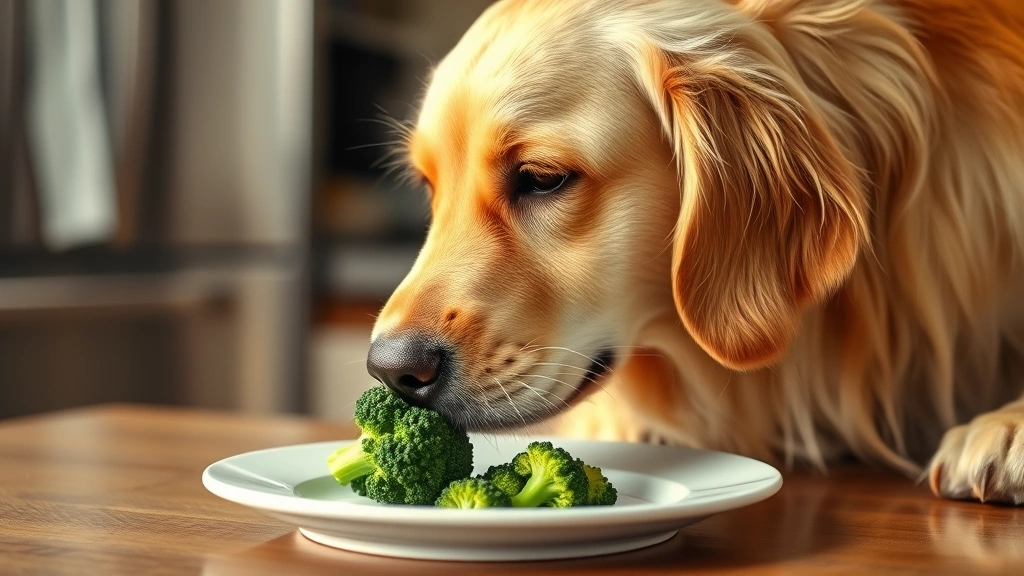
So you’re sitting at the dinner table munching on some delicious broccoli, and your pup gives you those irresistible puppy-dog eyes. You start wondering: is broccoli good for dogs? The short answer? Yes, but with some pretty important caveats that every dog parent needs to know before tossing their furry friend a floret.
Table of Contents
- Can Dogs Eat Broccoli Safely?
- Nutritional Benefits of Broccoli for Dogs
- The Main Concern: Isothiocyanates and Digestive Issues
- How Much Broccoli Can Dogs Actually Eat?
- Preparation Methods: Raw vs. Cooked Broccoli
- Broccoli Alternatives and Better Vegetable Choices
- Special Considerations for Different Dog Types
- Signs Your Dog Shouldn’t Eat Broccoli
- Frequently Asked Questions
- The Bottom Line: Is Broccoli Good for Dogs?
Let’s be real—dogs would eat basically anything that doesn’t actively bite them back. But just because they can eat something doesn’t mean they should. Broccoli falls into that tricky middle ground where it’s not toxic, but it’s definitely not a free-for-all snack either.
Can Dogs Eat Broccoli Safely?
The good news: broccoli isn’t poisonous to dogs. Your pup won’t end up in the emergency vet clinic if they snag a piece off your plate. In fact, broccoli contains some genuinely beneficial nutrients that can support your dog’s health when given appropriately.
However—and this is a big however—broccoli comes with a built-in portion control problem. The vegetable contains compounds that can cause digestive upset and other issues if your dog eats too much. Think of broccoli as the friend who’s fun in small doses but becomes a problem at a party.
According to veterinary guidelines, broccoli should make up no more than 10% of your dog’s daily caloric intake. For most dogs, that means a small piece or two as an occasional treat, not a regular side dish.
Nutritional Benefits of Broccoli for Dogs
Before we get into the warnings, let’s talk about why broccoli actually deserves a spot in your dog’s treat rotation. This green cruciferous vegetable packs some serious nutritional punch:
Vitamin C: Supports immune function and acts as an antioxidant. Dogs can manufacture their own vitamin C, but extra doesn’t hurt.
Vitamin K: Essential for blood clotting and bone metabolism. Your dog needs this, and broccoli delivers it.
Fiber: Promotes digestive health and can help with weight management. This is especially useful for dogs prone to constipation.
Calcium and Iron: Both crucial for bone health and oxygen transport through the bloodstream.
Potassium: Supports heart and muscle function.
So yeah, nutritionally speaking, broccoli isn’t just safe—it’s actually pretty solid. The problem isn’t what’s in broccoli; it’s how much your dog eats.
The Main Concern: Isothiocyanates and Digestive Issues
Here’s where things get complicated. Broccoli contains compounds called isothiocyanates, which are sulfur-based chemicals that give broccoli (and other cruciferous veggies) their distinctive flavor and pungent smell. These compounds are fine for humans, but they can irritate a dog’s gastrointestinal tract.
When dogs eat too much broccoli, they often experience:
- Mild to moderate stomach upset
- Gas and bloating (your dog will be a real crowd-pleaser at the dog park)
- Diarrhea
- Nausea
The good news? These symptoms are usually temporary and not serious. Your dog’s digestive system will bounce back. But that doesn’t mean you should ignore them—chronic digestive upset isn’t fun for anyone, canine or otherwise.
If your dog has a sensitive stomach or existing digestive issues, broccoli becomes even riskier. Check out our guide on food allergies in pets to learn more about identifying problematic foods for your specific pup.
How Much Broccoli Can Dogs Actually Eat?
So what’s the magic number? How much broccoli is safe?
For most adult dogs, the safe amount is approximately one small floret, maybe twice a week. For smaller breeds (think Chihuahuas and toy poodles), even less—we’re talking a tiny piece about the size of a pea.
Larger breed dogs might handle slightly more, but we’re still not talking about broccoli becoming a staple food. Think of it as an occasional treat, not a vegetable serving.
Here’s a helpful framework:

- Small dogs (under 15 lbs): A piece the size of a pea, once a week maximum
- Medium dogs (15-50 lbs): One small floret, twice a week maximum
- Large dogs (50+ lbs): Two small florets, twice a week maximum
These are conservative estimates designed to keep your dog’s digestive system happy. You can experiment with slightly more if your dog tolerates it well, but start small and monitor carefully.
Preparation Methods: Raw vs. Cooked Broccoli
The way you prepare broccoli matters more than you might think.
Raw Broccoli: While raw broccoli isn’t toxic, it’s harder for dogs to digest and poses a choking hazard, especially for enthusiastic eaters and smaller breeds. Those dense florets can be tough to break down.
Cooked Broccoli: This is the better option. Steaming or boiling broccoli (without any seasoning, butter, or salt) makes it softer and easier to digest. Cooking also breaks down some of those problematic isothiocyanates, though not all of them.
Never give your dog:
- Broccoli with garlic or onions (toxic to dogs)
- Buttered or oiled broccoli (unnecessary calories)
- Salted or seasoned broccoli (excessive sodium)
- Broccoli with cheese sauce (too much fat)
Plain, steamed broccoli is your best bet. Boring? Yes. Safe? Absolutely.
Broccoli Alternatives and Better Vegetable Choices
If you’re looking to add vegetables to your dog’s diet for nutritional variety, broccoli isn’t your only option. In fact, several alternatives are safer and less likely to cause digestive upset.
Check out our comprehensive guide on safe vegetables for dogs for a full breakdown, but here are some top choices:
Carrots: Low in calories, great for dental health, and dogs generally love them. Raw or cooked both work.
Green Beans: Gentle on the digestive system and packed with nutrients. A much safer choice than broccoli.
Pumpkin: Excellent for digestive health and a natural source of fiber. Many dogs find it delicious.
Sweet Potatoes: Nutrient-dense and generally well-tolerated. Learn more in our article on can dogs eat sweet potatoes.
Zucchini: Low-calorie, easy to digest, and safe in larger quantities than broccoli.
If your primary goal is adding fiber to your dog’s diet, high-fiber human foods for pets offers better alternatives that won’t upset their stomach.
Special Considerations for Different Dog Types
Not all dogs are created equal, and some have specific reasons to avoid broccoli altogether.
Puppies: Young dogs have developing digestive systems that are even more sensitive to irritating compounds. Skip broccoli until they’re at least six months old, and even then, keep it minimal.
Senior Dogs: Older dogs often have more sensitive stomachs and may be taking medications that interact poorly with certain compounds. Always check with your vet before introducing new foods.
Dogs with Thyroid Issues: Cruciferous vegetables like broccoli contain goitrogens, compounds that can interfere with thyroid function in large quantities. If your dog has thyroid problems, avoid broccoli entirely and consult your vet.
Dogs with Sensitive Stomachs: If your pup has a history of digestive issues, food allergies, or inflammatory bowel disease, broccoli is probably not worth the risk. Stick with proven safe options instead.
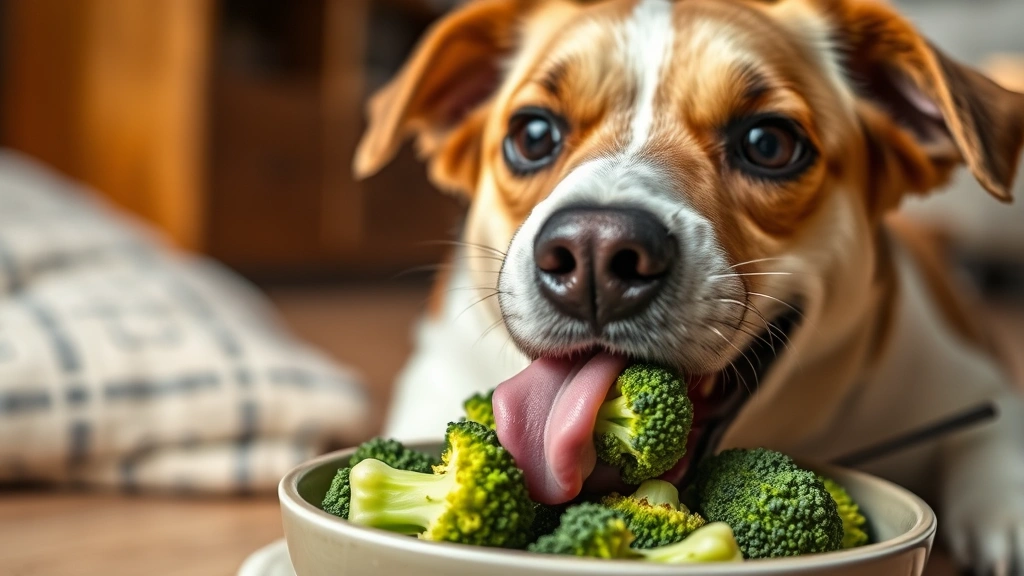
Overweight Dogs: While broccoli is low in calories, the digestive upset it causes isn’t worth the minimal nutritional benefit for weight management. Better options exist.
Signs Your Dog Shouldn’t Eat Broccoli
Some dogs simply shouldn’t eat broccoli, period. Watch for these red flags:
- History of pancreatitis (any new food is risky)
- Chronic diarrhea or loose stools
- Food sensitivities or allergies
- Inflammatory bowel disease
- Currently on medications for digestive issues
- Thyroid disease or hypothyroidism
- Extreme enthusiasm that leads to choking hazards
When in doubt, ask your vet. That’s what they’re there for, and most vets appreciate when pet parents ask before introducing new foods rather than calling in a panic afterward.
Frequently Asked Questions
Is broccoli toxic to dogs?
No, broccoli is not toxic to dogs. The compounds it contains won’t poison your pup, but they can cause digestive upset in large quantities. The key is moderation and proper preparation.
What happens if my dog eats a whole head of broccoli?
Your dog will likely experience significant digestive upset—we’re talking diarrhea, vomiting, gas, and general discomfort. While this isn’t a life-threatening emergency, it’s unpleasant and could require a vet visit if symptoms persist. Call your vet if your dog seems to be in pain or the symptoms don’t improve within 24 hours.
Can dogs eat broccoli stems?
Yes, broccoli stems are actually safer than florets because they’re less dense and easier to digest. Remove the outer tough layer and cut them into small pieces. They’re still subject to the same portion guidelines as the florets.
Is frozen broccoli safe for dogs?
Frozen broccoli is fine, as long as there’s no added salt or seasoning. Thaw it first and cut it into appropriate sizes. Some dogs enjoy frozen broccoli as a cooling treat on hot days, similar to frozen carrots.
Can broccoli help with my dog’s weight loss?
While broccoli is low in calories, there are much better vegetable options for weight management that won’t upset your dog’s stomach. Green beans and carrots are superior choices. If weight loss is a concern, talk to your vet about a comprehensive nutrition plan.
Should I add broccoli to my dog’s regular meals?
No. Broccoli shouldn’t be a regular part of your dog’s diet. It’s an occasional treat only. Your dog’s primary nutrition should come from high-quality commercial dog food formulated to meet their specific needs.
What should I do if my dog ate broccoli and seems sick?
Monitor your dog closely for the next 24 hours. Mild digestive upset is normal and should resolve on its own. However, if your dog is vomiting repeatedly, seems to be in severe pain, or symptoms persist beyond 24 hours, contact your vet. Have your vet consultation ready—check out virtual vet consultation for diet questions if you need quick professional guidance.
The Bottom Line: Is Broccoli Good for Dogs?
So, circling back to the original question: is broccoli good for dogs?
The honest answer is: it’s complicated. Broccoli isn’t bad for dogs in small quantities, and it does contain beneficial nutrients. However, it’s not an ideal vegetable choice for regular feeding due to the digestive upset it commonly causes.
Think of broccoli as an occasional treat—something you can offer your pup maybe once or twice a week in tiny portions if they enjoy it and tolerate it well. But it shouldn’t be a staple in their diet, and it’s definitely not necessary for their health.
If you want to supplement your dog’s diet with vegetables, there are genuinely better options available. Carrots, green beans, and sweet potatoes offer similar nutritional benefits without the digestive drama.
Most importantly, remember that dogs don’t need vegetables to thrive. A complete and balanced commercial dog food formulated by veterinary nutritionists will provide everything your pup needs. Vegetables are nice additions, but they’re not requirements.
When in doubt about what’s safe for your specific dog, consult with your veterinarian. They know your dog’s health history, existing conditions, and dietary needs better than anyone. A quick question during your next checkup could save you a lot of digestive cleanup later.
Your dog might give you those big sad eyes when you’re eating broccoli, but trust us—they’re not actually missing out on anything. And your carpet will thank you for the restraint.





