
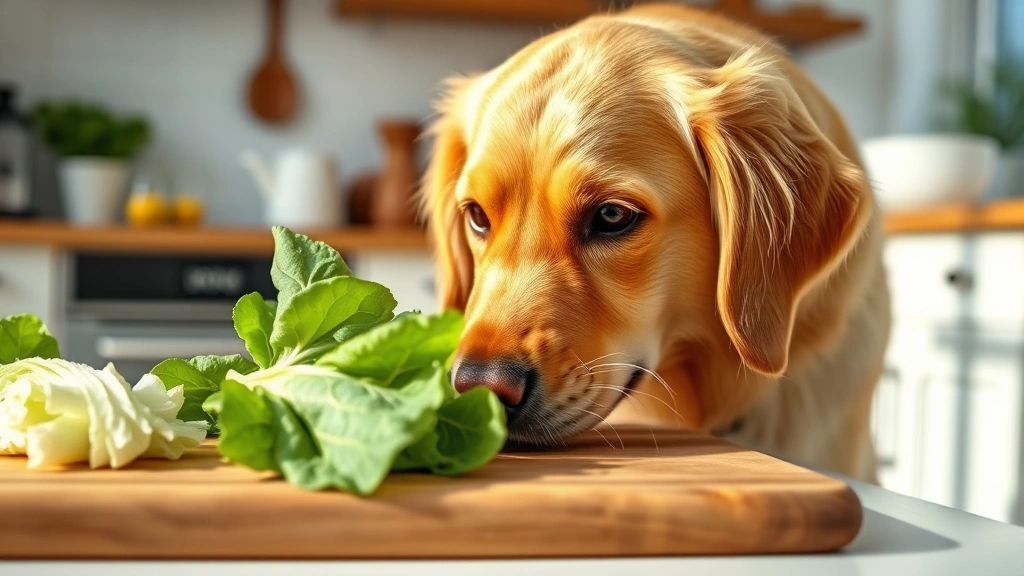
So your dog just scarfed down a chunk of cabbage from your dinner plate, and now you’re frantically googling whether is cabbage bad for dogs. Take a breath—we’ve got the vet-approved answer, and it’s mostly good news.
Table of Contents
- The Short Answer: Cabbage is Generally Safe for Dogs
- Nutritional Benefits of Cabbage for Canines
- When Cabbage Becomes Problematic for Dogs
- Raw vs. Cooked Cabbage: Which is Better?
- Portion Control: How Much Cabbage is Safe?
- Signs Your Dog Isn’t Handling Cabbage Well
- Cabbage Varieties: Are They All Safe?
- Better Vegetable Alternatives to Consider
- Thyroid Concerns and Cruciferous Vegetables
- What About Cabbage for Weight Management?
- Common Myths About Cabbage and Dogs
- Frequently Asked Questions
- The Vet’s Final Verdict on Cabbage for Dogs
The Short Answer: Cabbage is Generally Safe for Dogs
Here’s the deal: cabbage isn’t toxic to dogs. In fact, when given in moderation, it can be a crunchy, low-calorie treat that many pups actually enjoy. Unlike grapes, chocolate, or xylitol (which are genuinely dangerous), cabbage won’t poison your furry friend. But—and this is important—there are some conditions and considerations that make it not quite a free-for-all veggie situation.
Nutritional Benefits of Cabbage for Canines
Cabbage packs some legitimate nutritional punch for dogs. It’s loaded with vitamin C, vitamin K, and fiber, which can support immune function and digestive health. It’s also super low in calories, making it perfect for dogs who need to watch their waistline. The crunchy texture can even help clean teeth naturally as your dog chews. If you’re looking for healthy vegetable alternatives, cabbage definitely ranks among the better options alongside other nutrient-dense veggies.
When Cabbage Becomes Problematic for Dogs
Now here’s where things get tricky. While cabbage itself isn’t toxic, certain situations can make it problematic for your pup’s digestive system. Raw cabbage contains compounds called thiocyanates, which in large quantities can interfere with iodine absorption. For most dogs eating normal portions, this isn’t a concern. But if your dog has thyroid issues or you’re feeding excessive amounts, it becomes something to monitor.
Additionally, cabbage is high in fiber. Dogs with sensitive stomachs or digestive sensitivities might experience gas, bloating, or loose stools after munching on raw cabbage. Think of it like when you eat too much fiber too quickly—your stomach lets you know about it.
Raw vs. Cooked Cabbage: Which is Better?
Here’s a pro tip from the vet world: cooked cabbage is generally easier on your dog’s digestive system than raw cabbage. Cooking breaks down the fiber and makes it more digestible. Plain steamed or boiled cabbage (with absolutely no added salt, garlic, or onions) is the gold standard if you want to share this veggie with your pup. Raw cabbage is fine in small amounts, but if your dog has a sensitive stomach, cooking it first is the safer play.
Portion Control: How Much Cabbage is Safe?
The golden rule: cabbage should never make up more than 10% of your dog’s daily caloric intake. For most dogs, this means a few small pieces as an occasional treat. A small dog might get away with a tablespoon or two, while a large breed could handle a quarter cup. Think of it as a supplementary treat, not a meal replacement. If your dog has food allergies or dietary restrictions, check with your vet before introducing cabbage.
Signs Your Dog Isn’t Handling Cabbage Well
Watch for these red flags after your dog eats cabbage: excessive gas, diarrhea, vomiting, abdominal pain, or lethargy. If your pup seems uncomfortable or shows these symptoms, skip the cabbage and contact your veterinarian. Some dogs are just more sensitive to cruciferous vegetables than others, and that’s totally normal. Every dog’s digestive system is unique, so what works for your neighbor’s Golden Retriever might not work for yours.
Cabbage Varieties: Are They All Safe?
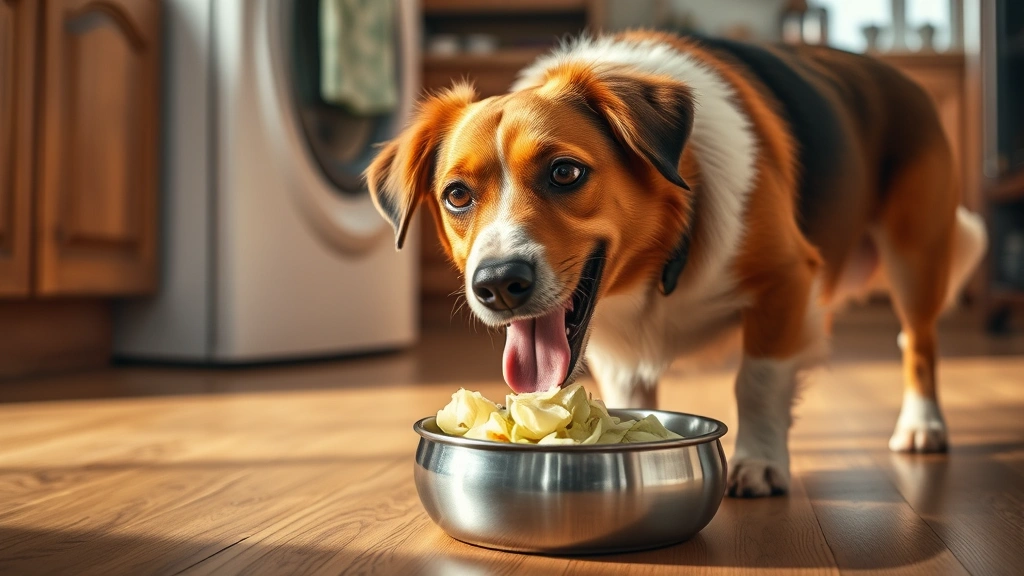
Green cabbage, red cabbage, and napa cabbage are all safe for dogs in moderation. However, avoid cabbage that’s been prepared with garlic, onions, salt, or seasoning—these additions can actually be harmful. Garlic and onions are toxic to dogs and can damage their red blood cells. So if you’re thinking about sharing your coleslaw or cabbage soup, skip it. Plain is the only way to go.
Better Vegetable Alternatives to Consider
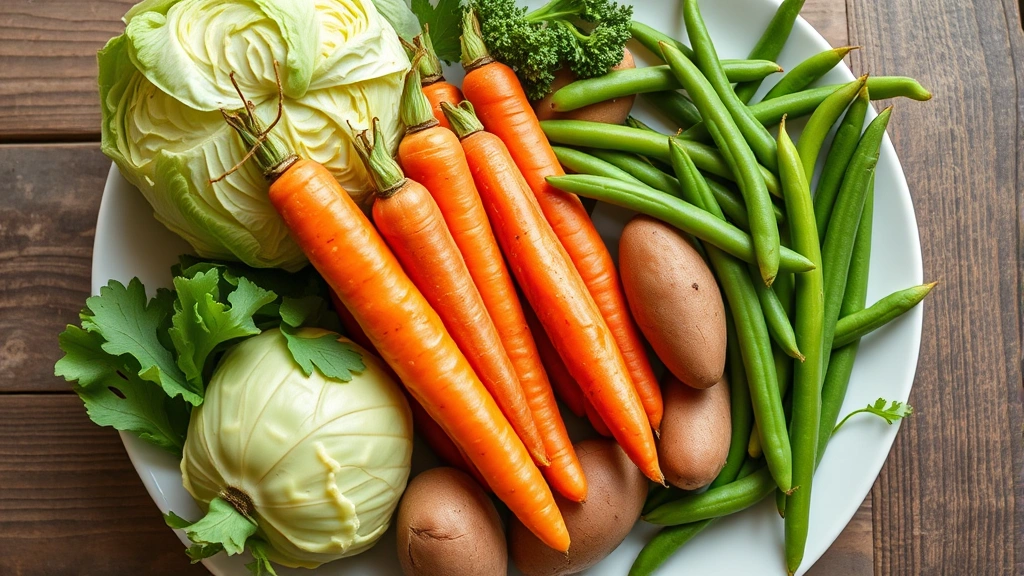
If you’re looking to expand your dog’s veggie repertoire, there are other excellent options. Carrots, green beans, and pumpkin are fantastic choices that most dogs tolerate beautifully. Sweet potatoes are nutrient powerhouses that many vets recommend. Zucchini and cucumber are hydrating and gentle on sensitive stomachs. The variety keeps mealtime interesting while reducing the risk of digestive upset.
Thyroid Concerns and Cruciferous Vegetables
Let’s talk about the thyroid issue more seriously. Cruciferous vegetables like cabbage contain compounds that can interfere with iodine absorption when consumed in excessive amounts. For dogs with hypothyroidism or those taking thyroid medication, this is worth discussing with your vet. They might recommend limiting cabbage or choosing other vegetables instead. If your dog is already on thyroid medication, don’t introduce cabbage without veterinary clearance.
What About Cabbage for Weight Management?
Here’s where cabbage actually shines: it’s an excellent low-calorie filler for overweight dogs. If your pup is on a diet, small amounts of cooked cabbage can help them feel fuller without adding significant calories. Some vets actually recommend it as a healthy treat option for weight management programs. Just remember it’s a supplement to their regular diet, not a replacement.
Common Myths About Cabbage and Dogs
Myth #1: All cabbage is toxic to dogs. False—it’s not toxic at all. Myth #2: Dogs should never eat raw vegetables. False—many dogs do fine with raw veggies. Myth #3: One piece of cabbage will cause thyroid problems. False—occasional small amounts won’t harm healthy dogs. The internet loves to catastrophize, but the reality is much more nuanced.
Frequently Asked Questions
Can puppies eat cabbage?
Yes, but in even smaller amounts than adult dogs. Puppies have more sensitive digestive systems, so start with tiny pieces of cooked cabbage and monitor for any digestive upset. Always introduce new foods gradually to puppies.
What should I do if my dog ate a large amount of cabbage?
Don’t panic. Monitor your dog for signs of digestive distress over the next 24 hours. If they seem uncomfortable, have severe gas, or show other concerning symptoms, contact your veterinarian. Most likely, they’ll be fine with just some temporary gas.
Is cabbage safe for dogs with pancreatitis?
Dogs with pancreatitis should follow their vet’s specific dietary recommendations. While plain cooked cabbage is low in fat, it’s best to get explicit approval from your veterinarian before introducing any new foods.
Can I give my dog cabbage juice or fermented cabbage?
Plain cabbage juice in tiny amounts is technically safe, but it’s not necessary. Fermented cabbage (like sauerkraut) should be avoided due to high sodium content and potential probiotics that might upset sensitive stomachs. Stick with plain, cooked cabbage.
Are there any dog breeds that shouldn’t eat cabbage?
No specific breeds are barred from cabbage. However, individual dogs with sensitive stomachs, thyroid conditions, or food sensitivities should avoid it. It’s about the individual dog’s health status, not their breed.
How does cabbage compare to commercial dog treats?
Cabbage is actually a healthier option than many commercial treats loaded with fillers and artificial ingredients. It’s whole food, low-calorie, and nutrient-dense. For training treats or snacks, plain cooked cabbage beats most store-bought options.
The Vet’s Final Verdict on Cabbage for Dogs
Bottom line: is cabbage bad for dogs? No, it’s not. When given appropriately—in small amounts, cooked when possible, and without any seasonings—cabbage can be a healthy, crunchy treat for most dogs. It’s not a superfood that will transform your pup’s health, but it’s a safe, low-calorie option that many dogs enjoy. The key is moderation and knowing your individual dog’s digestive tendencies.
If your dog has underlying health conditions, particularly thyroid issues or chronic digestive problems, check with your veterinarian before making cabbage a regular treat. For healthy dogs with normal digestion, occasional cabbage snacks are perfectly fine. And if your pup accidentally ate some of your dinner? Don’t stress—they’re probably going to be totally fine.
Remember, when in doubt about any food, the Pet Poison Hotline is an excellent resource, and your veterinarian is always your best source for personalized dietary advice. Your dog’s safety is worth the quick phone call if you’re ever truly concerned.





