
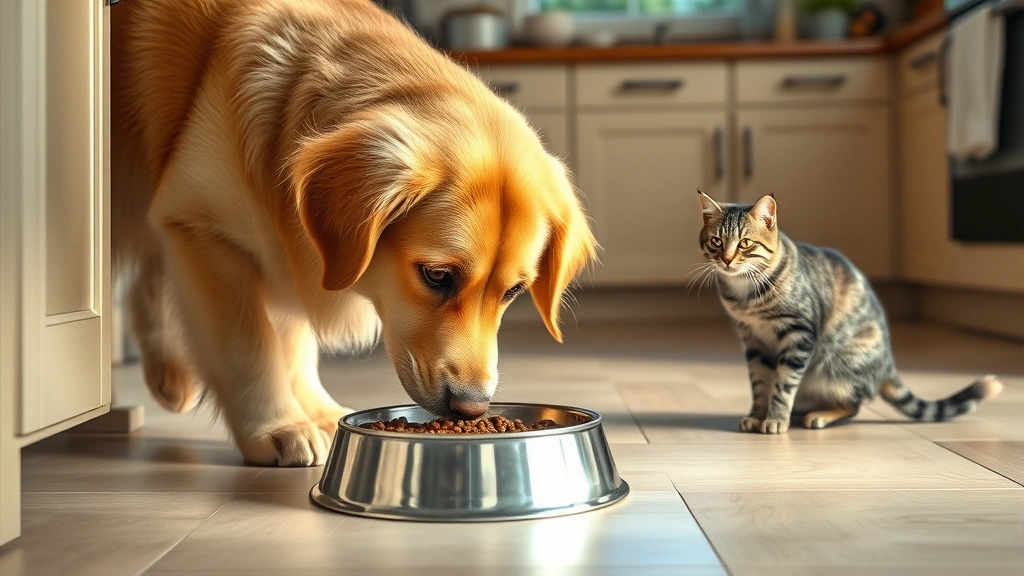
Is cat food harmful to dogs? Yes, and more often than you’d think, your pooch is sneaking bites from the kitty’s bowl when you’re not looking. Here’s the thing: cat food and dog food are fundamentally different nutritional profiles designed for different species with different digestive systems. Let’s dig into why your dog shouldn’t be munching on Fluffy’s dinner.
Table of Contents
- Why Cat Food Isn’t Designed for Dogs
- The Fat Content Problem in Feline Nutrition
- Protein Overload: When Too Much of a Good Thing Goes Bad
- Digestive Upset and Gastrointestinal Issues
- Special Ingredients in Cat Food That Dogs Don’t Need
- The Obesity Factor: Why Your Dog Gets Chunky
- Specific Health Risks and Medical Conditions
- How to Prevent Your Dog from Eating Cat Food
- What If Your Dog Already Eats Cat Food?
- Cat Food vs. Dog Food: The Nutritional Breakdown
- When Professional Veterinary Help Is Needed
- Frequently Asked Questions
- Summary: Keeping Your Pup Safe
Why Cat Food Isn’t Designed for Dogs
Cat food is formulated specifically for felines, who are obligate carnivores. Dogs, on the other hand, are facultative carnivores—meaning they can digest and thrive on a more varied diet. The protein content in cat food is significantly higher (often 30-40%) compared to dog food (typically 18-25%). While this sounds great, it’s actually a problem for your pup’s system.
When dogs consume cat food regularly, their digestive systems struggle to process the excessive protein and fat content. This isn’t just about upset stomachs; it’s about long-term metabolic stress. According to the American Kennel Club (AKC), feeding your dog cat food can lead to nutritional imbalances and health complications over time.
The Fat Content Problem in Feline Nutrition
Here’s where things get spicy—literally. Cat food contains higher fat levels than dog food, typically ranging from 9-15% compared to dog food’s 5-15%. Your dog’s pancreas might throw a tantrum when processing all that fat. Pancreatitis, an inflammation of the pancreas, is one of the most serious consequences of dogs eating high-fat cat food repeatedly.
The symptoms of pancreatitis include vomiting, diarrhea, abdominal pain, and lethargy. In severe cases, it requires emergency veterinary care. Even one incident of your dog raiding the cat food bowl might cause temporary digestive upset, but chronic access to cat food can trigger this serious condition.
Protein Overload: When Too Much of a Good Thing Goes Bad
Dogs need protein, sure. But the excessive protein in cat food can strain their kidneys and liver, especially in older dogs or those with pre-existing health conditions. Senior dogs are particularly vulnerable because their organs are already working harder. If your aging golden retriever has been stealing from the cat’s bowl for years, you might be looking at accelerated kidney disease.
Additionally, the specific amino acid profiles differ between cat and dog food. Cats require taurine as an essential amino acid, while dogs can synthesize it themselves. When dogs consume excessive amounts of cat food, they’re getting amino acid ratios that don’t match their physiological needs, creating metabolic inefficiencies.
Digestive Upset and Gastrointestinal Issues
The most immediate consequence of your dog eating cat food is usually digestive distress. You’ll notice symptoms like diarrhea, vomiting, gas, and general intestinal upset within hours or days. This happens because your dog’s digestive enzymes and gut bacteria are optimized for dog food, not the concentrated nutrients in feline formulas.
Some dogs have more sensitive stomachs than others. Small breeds and dogs with existing food allergies are particularly prone to severe reactions. If your pup already deals with food sensitivities, cat food is basically a guaranteed ticket to digestive chaos.
Special Ingredients in Cat Food That Dogs Don’t Need
Cat food often contains ingredients and supplements formulated specifically for feline health. Arachidonic acid, for instance, is added to cat food because cats can’t synthesize it efficiently. Dogs produce their own arachidonic acid, so extra amounts serve no purpose and can contribute to inflammation in their bodies.
Some premium cat foods also contain higher levels of certain vitamins and minerals optimized for cats’ unique needs. When dogs consume these in excess, it can lead to mineral imbalances, particularly with calcium, phosphorus, and magnesium. This is especially concerning for growing puppies whose skeletal systems are still developing.
The Obesity Factor: Why Your Dog Gets Chunky
Let’s be real—cat food is calorie-dense. A single serving of cat food contains significantly more calories than an equivalent serving of dog food. If your dog has regular access to the cat’s bowl, they’re essentially getting extra meals throughout the day. Combined with the high fat content, this is a recipe for obesity.
Overweight dogs face increased risks of diabetes, joint problems, heart disease, and reduced lifespan. The problem compounds when you consider that many pet owners don’t adjust their dog’s main meals when the pup is snacking on cat food. Your dog could be consuming 20-30% more calories than recommended without you realizing it.
Specific Health Risks and Medical Conditions
Dogs with certain pre-existing conditions should absolutely never eat cat food. Dogs with pancreatitis history, diabetes, kidney disease, or liver problems are at heightened risk for complications. Even a single meal of cat food could trigger a medical emergency in these cases.
Additionally, dogs on prescription diets for specific health conditions should never have access to cat food. If your vet has prescribed a special diet for urinary health, digestive issues, or allergies, cat food directly contradicts that medical recommendation and undermines the treatment plan.
Check out our comprehensive guide on what not to feed your dog for more information on dietary restrictions and health considerations.
How to Prevent Your Dog from Eating Cat Food
The best solution is prevention. Feed your cat in a separate room with a door your dog can’t access. Baby gates work great for this—install one that’s low enough for cats to jump over but too high for dogs. Alternatively, use a cat door that only your feline can fit through.
Feed them on different schedules if possible. Give your cat food during times when your dog is occupied elsewhere—maybe during a walk or playtime. Use elevated feeders for your cat; most dogs can’t comfortably reach food that’s up high. Automatic feeders with timers can also help manage separate feeding routines.
Supervise meal times and clean up immediately after your cat finishes eating. Don’t leave cat food sitting out all day. If your cat is a grazer, consider using a timed feeder that opens and closes automatically.
What If Your Dog Already Eats Cat Food?
If you’ve discovered your dog has been raiding the cat’s bowl, don’t panic. A single incident usually causes temporary digestive upset but nothing serious. Monitor your dog for vomiting, diarrhea, or abdominal discomfort over the next 24-48 hours.
If your dog has chronic access to cat food and is experiencing symptoms like weight gain, digestive issues, or lethargy, contact your veterinarian. They can assess whether any damage has been done and recommend appropriate dietary adjustments. Blood work might be necessary to check kidney and liver function if this has been ongoing.
Once you’ve implemented prevention strategies, gradually transition your dog back to their proper diet if you’ve made any changes. Sudden dietary shifts can cause more digestive upset, so mix the new food gradually over 7-10 days.
Cat Food vs. Dog Food: The Nutritional Breakdown
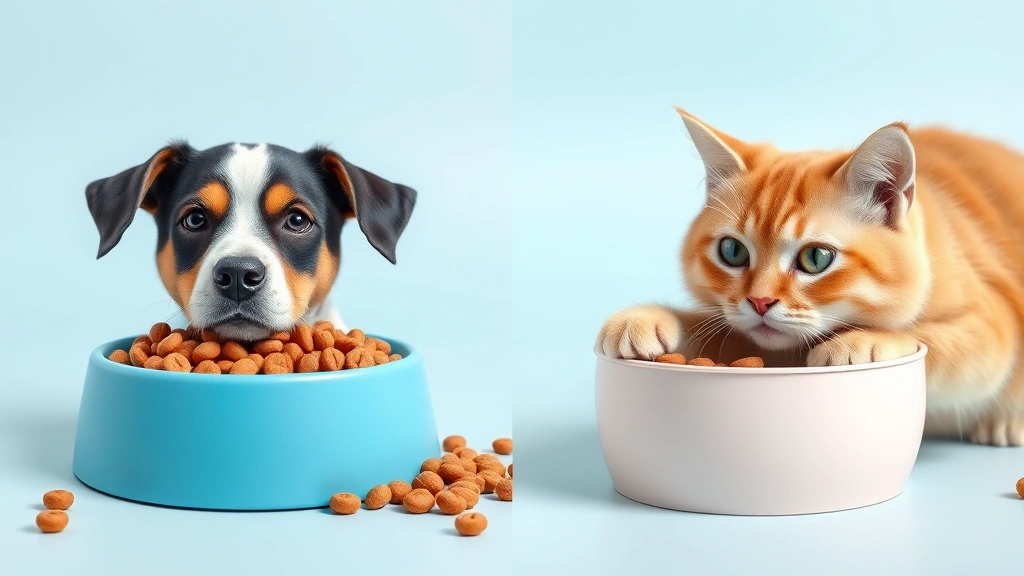
Understanding the differences helps explain why cat food is problematic for dogs. Cat food typically contains 30-40% protein, 9-15% fat, and lower carbohydrate content. Dog food usually has 18-25% protein, 5-15% fat, and higher carbohydrate content designed for their omnivorous digestive system.
These aren’t arbitrary differences—they reflect each species’ evolutionary dietary needs. Cats are strict carnivores that evolved eating prey animals. Dogs evolved alongside humans, scavenging on leftover food scraps that included plant matter. Their digestive systems are fundamentally different, and their nutritional requirements reflect these differences.
For more information on toxic substances and dietary concerns, review our guide on nuts toxic to dogs and other dangerous foods.

When Professional Veterinary Help Is Needed
Contact your vet immediately if your dog shows signs of pancreatitis after eating cat food: severe vomiting, inability to keep food down, abdominal pain, fever, or lethargy. Also seek help if your dog has eaten cat food and has a known history of digestive issues, pancreatitis, or other medical conditions.
If your dog regularly has access to cat food and you’re noticing weight gain, chronic diarrhea, or other health changes, schedule a veterinary checkup. Your vet can perform bloodwork to assess organ function and recommend appropriate interventions.
According to PetMD, veterinarians increasingly see complications from dogs consuming inappropriate foods, and early intervention can prevent serious health consequences.
Frequently Asked Questions
Can dogs eat cat food occasionally without harm?
Occasional small amounts usually won’t cause serious problems, but it’s not recommended. Regular or frequent consumption is where the real health risks emerge. Even occasional access can contribute to digestive upset and nutritional imbalances over time.
Is all cat food bad for dogs, or just certain types?
All cat food is formulated for cats’ nutritional needs, so all types pose similar risks. Wet cat food, dry kibble, grain-free, organic—it doesn’t matter. The fundamental nutritional profile is the problem, regardless of quality or ingredients.
What should I do if my dog eats cat food once?
Monitor your dog for 24-48 hours for digestive upset like vomiting or diarrhea. Most dogs recover fine from a single incident. Provide plenty of fresh water and consider feeding a bland diet temporarily if upset occurs.
Can kittens eat dog food?
This is a different issue, but similarly problematic. Kittens need the high protein and taurine in cat food. Dog food lacks sufficient taurine and has different nutrient ratios, so kittens shouldn’t eat dog food regularly.
Are there any benefits to dogs eating cat food?
No legitimate health benefits exist. While the high protein and fat content might seem appealing, they’re actually harmful for dogs when consumed regularly. Proper dog food provides all necessary nutrition in appropriate proportions.
How can I stop my dog from eating my cat’s food?
Separate feeding areas with baby gates or doors, use elevated cat feeders, feed on different schedules, and clean up immediately after meals. Supervise meal times and remove access to cat food when you’re not present.
Summary: Keeping Your Pup Safe
So, is cat food harmful to dogs? Absolutely. The high protein and fat content, combined with feline-specific nutrient formulations, makes cat food inappropriate for canine consumption. While a single meal might cause temporary digestive upset, chronic access to cat food can lead to obesity, pancreatitis, nutrient imbalances, and long-term organ damage.
The best approach is prevention. Implement separate feeding areas, use baby gates or cat doors, and maintain strict feeding schedules. If your dog has already consumed significant amounts of cat food or is experiencing health issues, consult your veterinarian. They can assess any damage and recommend appropriate dietary adjustments.
Your dog and cat can coexist peacefully with proper feeding management. Respect each pet’s nutritional needs, and you’ll avoid unnecessary health complications. Keep those food bowls separate, supervise meal times, and your furry family will thrive.





