
Is Chicken Liver Good for Dogs? A Complete Nutrition Guide
If you’ve ever wondered whether your pup can enjoy chicken liver as a treat or dietary addition, you’re asking exactly the right question. Chicken liver is one of those foods that sparks genuine curiosity among dog owners—it’s nutrient-dense, relatively affordable, and most dogs absolutely love it. But just because your furry friend is enthusiastic doesn’t mean it’s automatically safe or beneficial, right?
The good news? Chicken liver can absolutely be part of a healthy dog diet when prepared and served correctly. This humble organ meat packs an impressive nutritional punch, offering vitamins, minerals, and proteins that support everything from immune function to coat health. However, like any food addition, moderation and proper preparation are key to keeping your canine companion happy and healthy.
Whether you’re considering chicken liver as an occasional treat, a training reward, or a supplement to your dog’s regular meals, we’ve got you covered. Let’s dive into the nutritional science, preparation methods, and everything else you need to know about feeding chicken liver to dogs.
Nutritional Profile of Chicken Liver
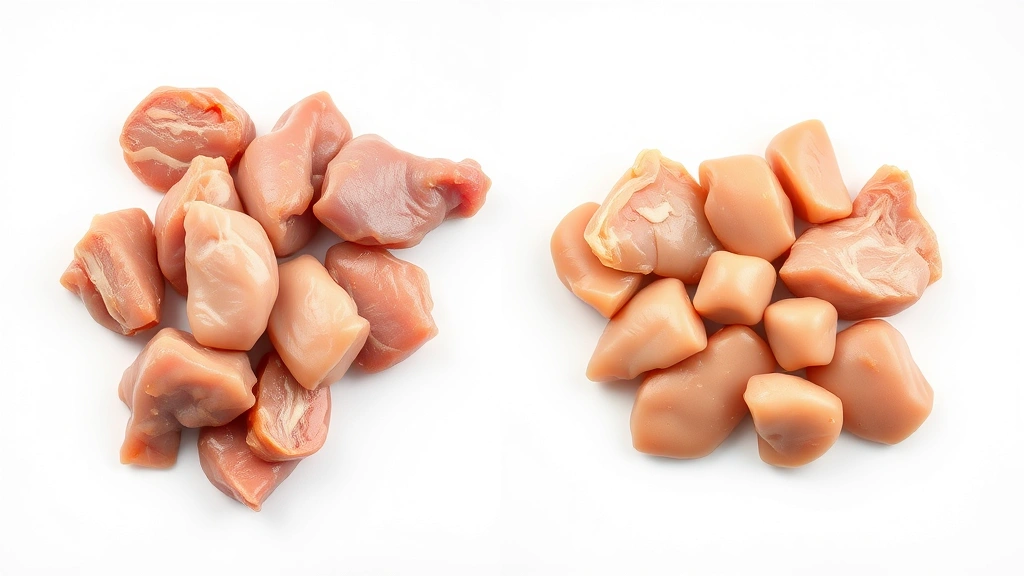
Chicken liver is genuinely impressive when you look at the numbers. Per 100 grams of raw chicken liver, you’re looking at approximately 110 calories, 16.9 grams of protein, and just 3.6 grams of fat. But the real magic lies in the micronutrients. This organ meat is absolutely loaded with B vitamins, particularly B12, which plays a crucial role in your dog’s nervous system function and energy metabolism.
The mineral content is equally noteworthy. Chicken liver contains significant amounts of iron, selenium, phosphorus, and zinc—all essential for maintaining your dog’s overall health. Iron is particularly important for oxygen transport in the blood, while selenium acts as a powerful antioxidant that helps protect cells from damage. These aren’t just trace amounts either; chicken liver is genuinely one of the most nutrient-dense foods you can offer your dog.
One fascinating aspect is the choline content. This nutrient supports cognitive function and liver health, making chicken liver particularly beneficial for aging dogs or those with cognitive concerns. Additionally, chicken liver contains taurine, an amino acid that’s especially important for heart health in dogs, though dogs can synthesize it independently.
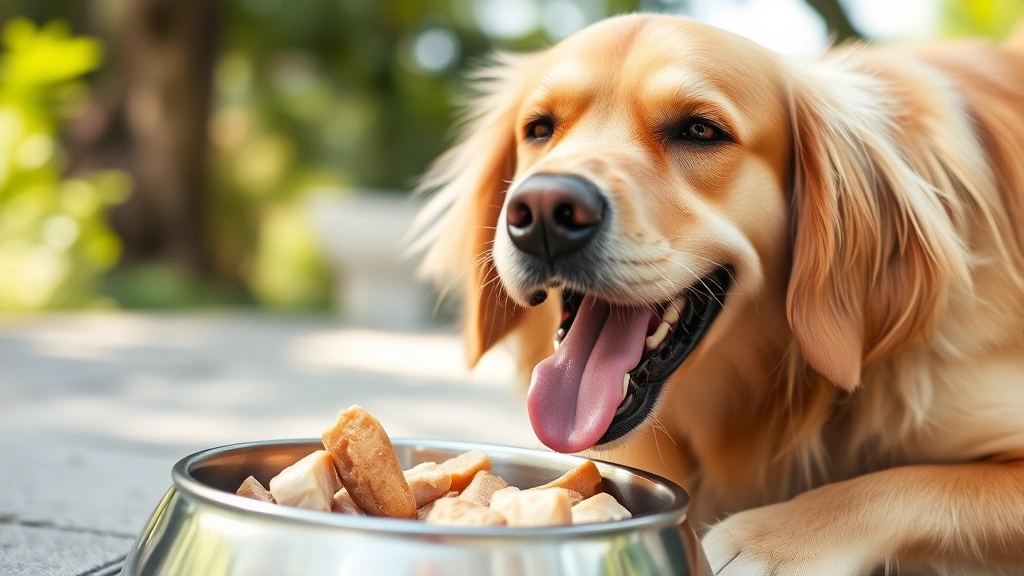
When compared to other protein sources, chicken liver stands out for its bioavailability—meaning your dog’s body can actually absorb and utilize these nutrients effectively. This isn’t just about the nutrients being present; it’s about your dog’s digestive system being able to extract and use them efficiently. That’s why many veterinarians and nutritionists recommend organ meats as valuable dietary additions.
Health Benefits for Dogs
The nutritional profile we discussed translates into real, tangible health benefits for your furry friend. Let’s break down how chicken liver can support your dog’s wellness:
Immune System Support: The combination of B vitamins, zinc, and selenium in chicken liver creates a powerful immune-boosting trio. These nutrients help your dog’s white blood cells function optimally, supporting their natural defense against illness and infection. This is particularly valuable during seasonal changes or when your dog is stressed.
Coat and Skin Health: The protein and B vitamins in chicken liver directly support healthy skin and a lustrous coat. If your dog has been dealing with dull fur or flaky skin, adding chicken liver to their diet might make a noticeable difference within a few weeks. The bioavailable nutrients get to work quickly.
Liver Function: Here’s something interesting: feeding liver actually supports liver function through a concept called “like supports like” in nutritional science. The nutrients found in chicken liver help support your dog’s own liver’s detoxification processes. Just make sure you’re not overfeeding, as too much vitamin A (which liver contains in abundance) can actually stress the liver.
Energy and Vitality: The B12 and iron content makes chicken liver excellent for maintaining energy levels, particularly in active dogs or aging companions who might benefit from an extra nutritional boost. Many dog owners report their pups seem more vibrant after incorporating chicken liver into their diet.
Brain Function: The choline and B vitamins support cognitive function, making chicken liver a smart choice for puppies developing their brains or senior dogs showing signs of cognitive decline. Some research suggests these nutrients can help maintain mental sharpness as dogs age.
Safety Concerns and Precautions
While chicken liver is generally safe for most dogs, there are some important considerations to keep in mind. The biggest concern is vitamin A toxicity, which can occur with excessive liver consumption. Chicken liver is naturally rich in vitamin A, and while some vitamin A is essential, too much can accumulate in your dog’s body and cause health issues.
Signs of vitamin A toxicity include joint pain, brittle bones, dry skin, and hair loss. However, this typically only occurs with consistent overfeeding of liver over extended periods. If you’re following reasonable portion guidelines (which we’ll discuss), this shouldn’t be a concern for most dogs.
Puppies and dogs with existing liver disease require special consideration. If your dog has liver problems, consult your veterinarian before adding chicken liver to their diet. While the nutrients can be beneficial for healthy livers, dogs with compromised liver function might struggle to process the concentrated nutrients efficiently.
Choking is another consideration, particularly for enthusiastic eaters or dogs who don’t chew thoroughly. Always supervise your dog when offering chicken liver treats, and consider cutting it into appropriately sized pieces based on your dog’s size and eating habits.
Food safety is crucial too. Always source chicken liver from reputable suppliers, and handle it with the same food safety practices you’d use for human consumption. Bacterial contamination, particularly from salmonella or E. coli, can affect both you and your dog. When in doubt, cooking the chicken liver (which we’ll discuss in detail) eliminates most foodborne pathogen risks.
Additionally, if your dog has a sensitive stomach or has previously experienced digestive issues like diarrhea, introduce chicken liver gradually. Start with small amounts and monitor your dog’s digestive response before increasing portions.
How to Prepare Chicken Liver for Dogs
Preparation method significantly impacts both the safety and nutritional value of chicken liver for your dog. Let’s explore the most effective approaches:
Boiling Method: This is the safest preparation method for most dog owners. Simply place chicken liver in a pot of water without any seasoning, bring to a boil, then simmer for about 10-15 minutes until fully cooked. The liver should be firm and no longer pink inside. This method eliminates bacterial risks while preserving most nutrients. The cooking water (broth) is also safe for dogs and can be poured over their regular food for added flavor and nutrition. This approach aligns with best practices for preparing boiled chicken for dogs, following the same safety principles.
Baking Method: Preheat your oven to 375°F and place chicken liver on a baking sheet. Bake for 15-20 minutes until completely cooked through. This method concentrates flavors slightly and creates a firmer texture that some dogs prefer. Again, no seasoning—just plain liver.
Pan-Searing Method: Cook chicken liver in a non-stick pan over medium heat for about 8-10 minutes, turning occasionally. Avoid using oil or butter; the liver contains enough natural fat. This method creates an appealing texture and is quick for busy dog owners.
Raw Feeding Consideration: Some raw feeding advocates argue that raw chicken liver offers superior nutritional value. However, raw chicken carries bacterial contamination risks. If you choose this route, source from suppliers specializing in pet-grade raw food and consult your veterinarian about proper handling and storage. For most dog owners, cooking is the safer option.
What NOT to Do: Never season chicken liver with garlic, onions, salt, or spices. These additions can be harmful to dogs. Don’t use any cooking methods involving oils, butter, or seasonings meant for human consumption. Keep it simple and plain—your dog doesn’t need fancy preparation to enjoy and benefit from this nutritious food.
Serving Guidelines and Portions
The key to safely feeding chicken liver is understanding appropriate portion sizes. Organ meats like liver are nutrient-dense, meaning a little goes a long way. Here’s a practical framework:
General Rule: Chicken liver should comprise no more than 5-10% of your dog’s daily caloric intake. For most dogs, this translates to about 1-3 ounces of chicken liver per week, distributed across multiple servings.
Small Dogs (Under 15 lbs): Offer about 1/4 to 1/2 ounce of cooked chicken liver, 2-3 times per week. This might be a small teaspoon-sized portion, which is perfect for training treats.
Medium Dogs (15-50 lbs): Serve about 1/2 to 1 ounce of cooked chicken liver, 2-3 times per week. This provides excellent nutritional benefits without overdoing it.
Large Dogs (Over 50 lbs): Can handle 1-2 ounces of cooked chicken liver, 2-3 times per week. Larger dogs have higher caloric needs, so they can accommodate slightly more.
Puppies: Start conservatively with tiny portions (about 1/4 ounce) 1-2 times per week. Their developing digestive systems need time to adjust to new foods.
Senior Dogs: Chicken liver can be particularly beneficial for older dogs, so you might offer it more frequently—up to 3-4 times weekly—in appropriate portions. The nutrient density supports aging bodies effectively.
Remember, these portions assume chicken liver is an addition to a complete, balanced diet—not a replacement for regular meals. If you’re using it as a training treat, reduce your dog’s regular meal portions slightly to account for the extra calories.
Alternatives and Comparisons
While chicken liver is excellent, it’s worth understanding how it compares to other protein sources and organ meats. This helps you create variety in your dog’s diet while maintaining nutritional balance.
Other Chicken Parts: If you’re wondering about whether chicken is good for dogs, the answer is definitively yes. Plain chicken breast is leaner and lower in vitamin A, making it suitable for daily feeding. However, chicken liver offers superior nutrient density. Some owners rotate between chicken breast and liver for variety. Just avoid chicken bones, which present choking and splintering hazards, and be cautious with chicken feet, which require careful supervision.
Other Organ Meats: Beef liver offers similar nutritional benefits to chicken liver but is often higher in vitamin A, so portion control becomes even more critical. Kidney is another nutrient-dense organ that dogs typically enjoy. Turkey liver provides a similar nutritional profile to chicken liver. Rotating between different organ meats prevents overexposure to any single nutrient while maintaining variety.
Lean Proteins: Ground beef offers good protein but lacks the micronutrient density of organ meats. Turkey and fish provide quality proteins with different nutrient profiles. None quite match liver’s nutritional bang-for-buck, but they’re excellent for rotation.
Commercial Dog Food Comparison: Quality commercial dog foods already contain organ meats in their formulations. If you’re adding chicken liver to a complete, balanced commercial diet, you’re supplementing—not replacing. This distinction matters for overall nutritional balance.
The ideal approach? Create a rotation system that includes chicken liver 2-3 times weekly, alternates with other protein sources, and maintains your dog’s primary nutrition from a complete, balanced diet. This provides nutritional benefits without risking imbalance.
Frequently Asked Questions
Can puppies eat chicken liver?
Yes, puppies can eat chicken liver, but introduce it gradually in very small portions (about 1/4 ounce) 1-2 times per week. Their developing digestive systems need time to adjust. Monitor for any digestive upset, and consult your veterinarian if your puppy has a sensitive stomach. The nutrient density can be particularly beneficial for growing puppies, but moderation is essential.
How often can I feed my dog chicken liver?
Most dogs can safely enjoy chicken liver 2-3 times per week in appropriate portions. Some sources suggest up to 4 times weekly for senior dogs or active dogs with higher nutritional needs. The key is ensuring it doesn’t exceed 5-10% of daily caloric intake and that your dog’s overall diet remains balanced. If your dog has liver disease or is on a restricted diet, consult your veterinarian about frequency.
Is raw chicken liver safe for dogs?
Raw chicken liver carries bacterial contamination risks, particularly salmonella and E. coli. While some raw feeding advocates argue for nutritional benefits, most veterinarians recommend cooking to eliminate these risks. If you choose raw feeding, source from suppliers specializing in pet-grade products and follow strict food safety protocols. For most dog owners, cooking is the safer option.
Can dogs with liver disease eat chicken liver?
Dogs with liver disease should consult their veterinarian before consuming chicken liver. While the nutrients can support healthy liver function, dogs with compromised livers might struggle to process the concentrated nutrients. Your vet can provide personalized recommendations based on your dog’s specific condition and needs.
What are signs my dog is getting too much chicken liver?
Signs of excessive chicken liver consumption include joint pain or stiffness, brittle or dull coat, dry skin, hair loss, and general lethargy. These symptoms typically emerge only with consistent overfeeding over extended periods. If you’re following recommended portion guidelines, these risks are minimal. If symptoms appear, reduce chicken liver portions and consult your veterinarian.
Can I freeze chicken liver for later use?
Absolutely! Cooked chicken liver freezes well for up to 3 months in an airtight container. This is a convenient way to prepare portions in advance. You can also freeze raw chicken liver for up to 3 months, though we recommend cooking before feeding. Thaw in the refrigerator before serving, and don’t refreeze after thawing.
Should I include chicken liver in homemade dog food?
If you’re preparing homemade dog food, chicken liver can be a valuable component, but balance is crucial. Homemade diets often lack nutritional completeness unless carefully formulated. Consider consulting a veterinary nutritionist to ensure your homemade recipes include appropriate ratios of organ meats, muscle meat, vegetables, and supplements. The American Association of Feed Control Officials (AAFCO) provides guidelines for complete and balanced pet diets.





