
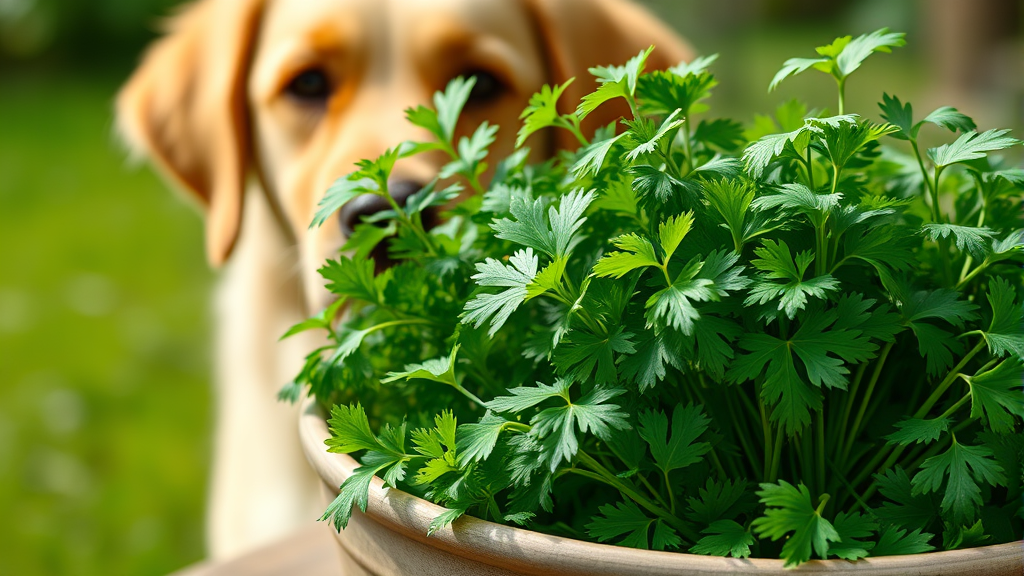
As a dog owner, you’ve likely found yourself questioning whether various human foods and herbs are safe for your furry companion. Cilantro, also known as coriander or Chinese parsley, is a popular herb that adds fresh flavor to countless dishes worldwide. But when it comes to sharing this aromatic green with your dog, is cilantro bad for dogs, or can it actually provide health benefits?
The good news is that cilantro is generally safe for dogs when given in moderation. This versatile herb contains valuable nutrients and antioxidants that can complement your dog’s diet. However, like many human foods, there are important considerations regarding portion sizes, preparation methods, and individual sensitivities that every responsible pet owner should understand before introducing cilantro to their dog’s meal plan.
Nutritional Benefits of Cilantro for Dogs
Cilantro offers several nutritional advantages that can support your dog’s overall health when incorporated appropriately into their diet. This herb is packed with essential vitamins, minerals, and antioxidants that provide various health benefits. Understanding these nutritional components helps explain why many veterinarians consider cilantro a safe addition to canine diets.
The herb contains significant amounts of vitamin K, which plays a crucial role in blood clotting and bone health. Additionally, cilantro provides vitamin A, supporting eye health and immune function, and vitamin C, which acts as a powerful antioxidant. The presence of folate helps with cell division and DNA synthesis, while potassium supports proper heart and muscle function.
Cilantro also contains natural compounds called aldehydes, which give the herb its distinctive aroma and may provide antimicrobial properties. The antioxidants present in cilantro, including beta-carotene and quercetin, can help combat free radicals and support your dog’s immune system. These compounds may also contribute to reducing inflammation throughout the body.
For more comprehensive information about dogs and cilantro, it’s important to understand that the herb’s natural detoxifying properties may help support liver function, though these effects are generally mild and should not replace proper veterinary care for serious health conditions.
Safety Considerations and Potential Risks
While cilantro is generally safe for dogs, several important safety considerations must be addressed to ensure your pet’s wellbeing. The primary concern with cilantro consumption in dogs relates to portion control and individual sensitivities rather than inherent toxicity. Understanding these potential risks helps you make informed decisions about including this herb in your dog’s diet.
Some dogs may experience digestive upset when consuming cilantro, particularly if introduced too quickly or in large quantities. Symptoms can include mild stomach discomfort, gas, or loose stools. These reactions are typically temporary and resolve once the herb is removed from the diet or reduced to smaller amounts.
According to the ASPCA’s list of toxic and non-toxic plants, cilantro is not listed among plants that are toxic to dogs. However, this doesn’t mean unlimited consumption is advisable, as excessive amounts of any herb can potentially cause gastrointestinal issues.
Dogs with sensitive stomachs or existing digestive conditions should be introduced to cilantro very gradually, if at all. Additionally, puppies under six months old should generally avoid herbs and spices until their digestive systems are more mature. Always consult with your veterinarian before introducing new foods to puppies or dogs with health conditions.
It’s also crucial to ensure that any cilantro given to your dog is fresh, clean, and free from pesticides or other chemical treatments. Organic cilantro is preferable when available, as it reduces the risk of chemical exposure that could potentially harm your pet.
Proper Serving Methods and Portion Control
Implementing proper serving methods and maintaining appropriate portion control are essential when offering cilantro to your dog. The key to safely incorporating this herb into your pet’s diet lies in moderation and gradual introduction. Most veterinarians recommend starting with tiny amounts and observing your dog’s response before increasing the quantity.
For small dogs weighing under 20 pounds, a few finely chopped cilantro leaves sprinkled over their regular food once or twice per week is sufficient. Medium-sized dogs between 20-50 pounds can safely consume about one teaspoon of chopped cilantro per week, while larger dogs over 50 pounds may handle up to one tablespoon weekly, divided into smaller portions.
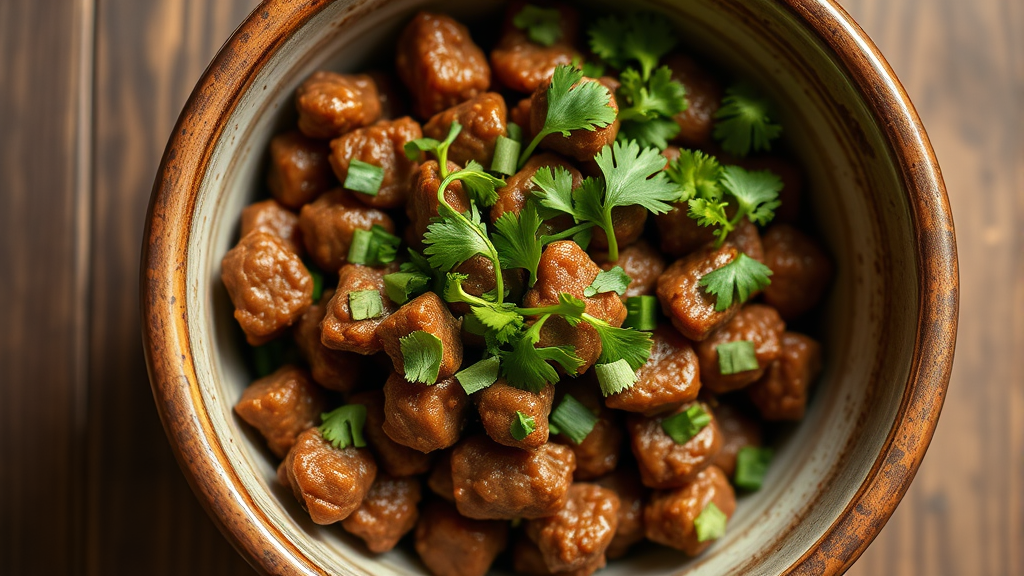
The freshest and safest way to serve cilantro is by washing the leaves thoroughly under cool running water, removing any wilted or damaged portions, and finely chopping the herb before mixing it into your dog’s regular food. Avoid serving cilantro stems, as they can be harder to digest and may pose a choking hazard for smaller dogs.
When exploring other herbs for your canine companion, you might also consider whether dogs can eat oregano or other culinary herbs, as many pet owners are curious about expanding their dog’s palate safely.
Never serve cilantro that has been cooked with onions, garlic, or other potentially toxic ingredients. Plain, fresh cilantro is always the safest option. Additionally, avoid dried cilantro or cilantro-containing spice blends, as these may contain additives or concentrated compounds that could be problematic for dogs.
Comparing Cilantro to Other Dog-Safe Herbs
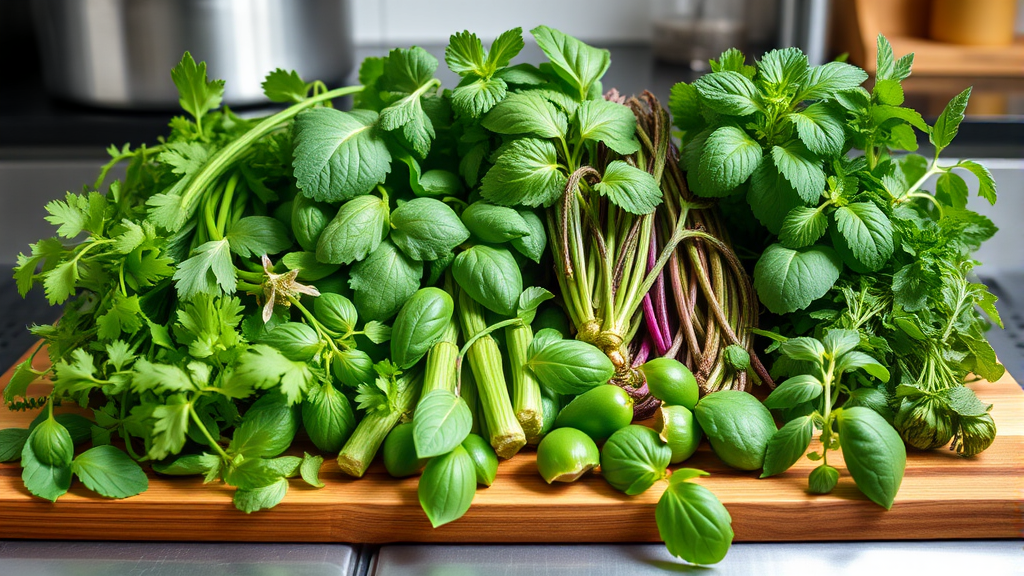
Understanding how cilantro compares to other dog-safe herbs helps pet owners make informed decisions about incorporating various seasonings into their dog’s diet. Many common culinary herbs offer unique benefits and safety profiles that are worth considering alongside cilantro.
Basil, for instance, shares many similarities with cilantro in terms of safety and nutritional benefits. Like cilantro, basil is generally safe for dogs when given in moderation and provides antioxidants and anti-inflammatory compounds. Both herbs should be served fresh and in small quantities to avoid digestive upset.
Mint represents another herb category that many dog owners consider. While certain types of mint can be safe for dogs, it’s important to distinguish between different mint varieties, as some can be more potent than others. Spearmint and peppermint are generally safer options compared to other mint varieties.
Rosemary presents a more complex consideration in the herb comparison. While rosemary can be given to dogs, it requires more careful attention to dosage due to its potent compounds. Unlike cilantro, rosemary should be used more sparingly and may not be suitable for all dogs.
According to research from PubMed studies on herbs and pet nutrition, many culinary herbs contain beneficial compounds that can support canine health when used appropriately. However, each herb has its own unique profile of active compounds and potential effects.
When considering which spices are beneficial for dogs, cilantro consistently ranks among the safer options due to its mild nature and relatively low risk of adverse reactions. This makes it an excellent starting point for pet owners interested in adding variety to their dog’s diet.
Signs to Watch for After Feeding Cilantro
Monitoring your dog’s response after introducing cilantro is crucial for ensuring their safety and comfort. While adverse reactions to cilantro are relatively uncommon in dogs, being aware of potential signs allows for quick intervention if needed. Most reactions, when they occur, are mild and digestive in nature.
The most common signs to watch for include changes in bowel movements, such as loose stools or diarrhea, which may indicate that your dog’s digestive system is adjusting to the new herb. Some dogs may also experience increased gas or mild stomach discomfort, manifested through restlessness or reluctance to eat their next meal.
Vomiting, while less common, can occur if a dog consumes too much cilantro at once or has a particular sensitivity to the herb. If vomiting occurs more than once or is accompanied by other concerning symptoms, it’s important to discontinue cilantro and consult with your veterinarian.
According to the American Veterinary Medical Association guidelines on pet poisoning, any persistent gastrointestinal symptoms lasting more than 24 hours warrant professional veterinary attention, regardless of the suspected cause.
Behavioral changes such as excessive drooling, pawing at the mouth, or signs of abdominal discomfort should also be monitored. While these symptoms are unlikely with cilantro consumption, they could indicate an allergic reaction or sensitivity that requires attention.
Most dogs who tolerate cilantro well will show no adverse signs and may even demonstrate increased interest in their food when the herb is included. Positive signs include normal digestion, maintained appetite, and typical energy levels following cilantro consumption.
Preparation and Storage Tips
Proper preparation and storage of cilantro ensure maximum safety and nutritional value for your dog. Following correct handling procedures reduces the risk of bacterial contamination and preserves the herb’s beneficial compounds. These practices are essential for maintaining food safety standards when preparing herbs for canine consumption.
Begin by selecting fresh, vibrant cilantro with bright green leaves and firm stems. Avoid cilantro that appears wilted, yellowed, or has dark spots, as these signs indicate deterioration that could potentially harbor harmful bacteria. Fresh cilantro should have a distinctive, pleasant aroma without any sour or off odors.
Thoroughly wash the cilantro under cool, running water, gently rubbing the leaves to remove any dirt, debris, or potential pesticide residues. Pat the herb dry with clean paper towels or use a salad spinner to remove excess moisture. This step is particularly important when preparing herbs for dogs, as their digestive systems can be more sensitive to contaminants than humans.
When considering various seasonings for dogs, proper preparation becomes even more critical, as different herbs may require specific handling techniques to ensure safety and palatability.
Store prepared cilantro in the refrigerator in a sealed container or wrapped in damp paper towels inside a plastic bag. Fresh cilantro typically maintains its quality for 5-7 days when properly stored. Avoid storing cilantro near strong-smelling foods, as it can absorb odors that might make it less appealing to your dog.
For convenience, you can pre-chop small portions of cilantro and freeze them in ice cube trays with a small amount of water. This method preserves the herb’s nutritional value while providing easy portion control for future use. However, fresh cilantro is generally preferred over frozen for optimal taste and nutritional content.
According to FDA guidelines for safe food handling, any herbs or vegetables that have been left at room temperature for more than two hours should be discarded to prevent bacterial growth that could harm both humans and pets.
Frequently Asked Questions
Can puppies eat cilantro safely?
Puppies under six months old should generally avoid herbs and spices, including cilantro, as their digestive systems are still developing. For older puppies, cilantro can be introduced in very small amounts (just a pinch of finely chopped leaves) once they’re established on solid food. Always consult your veterinarian before introducing new foods to puppies, and monitor closely for any digestive upset.
How much cilantro is too much for my dog?
The safe amount of cilantro varies by dog size. Small dogs under 20 pounds should have no more than a few chopped leaves per week, medium dogs (20-50 pounds) can have up to one teaspoon weekly, and large dogs over 50 pounds can safely consume up to one tablespoon per week, divided into smaller portions. Exceeding these amounts may cause digestive upset.
Can cilantro help with my dog’s bad breath?
Cilantro may provide mild freshening effects for your dog’s breath due to its natural antimicrobial properties and fresh aroma. However, persistent bad breath in dogs often indicates underlying dental or health issues that require veterinary attention. While cilantro can be a healthy addition to your dog’s diet, it shouldn’t be relied upon as a treatment for chronic halitosis.
Is dried cilantro safe for dogs, or should I only use fresh?
Fresh cilantro is always the preferred option for dogs because it retains more nutrients and is less likely to contain additives or preservatives. Dried cilantro isn’t toxic, but it’s more concentrated and may be harder for dogs to digest. If you must use dried cilantro, use even smaller amounts than you would with fresh, and ensure it doesn’t contain any additional seasonings or anti-caking agents.
What should I do if my dog ate a large amount of cilantro?
If your dog consumed a large quantity of cilantro, monitor them closely for signs of digestive upset such as vomiting, diarrhea, or excessive gas. Provide fresh water and withhold food for a few hours to allow their stomach to settle. Most dogs will recover without intervention, but contact your veterinarian if symptoms persist beyond 24 hours or if you notice signs of severe discomfort.
Can cilantro interact with my dog’s medications?
While cilantro is generally safe, it’s always wise to discuss any dietary additions with your veterinarian, especially if your dog is taking medications. Some herbs can potentially interact with certain medications or affect their absorption. Your vet can provide personalized advice based on your dog’s specific health conditions and medication regimen.
Are cilantro stems safe for dogs to eat?
Cilantro stems are not toxic but are not recommended for dogs. The stems are tougher and harder to digest than the leaves, and they may pose a choking hazard, especially for smaller dogs. Additionally, stems can cause digestive discomfort or blockage if consumed in large pieces. Always remove stems and use only the fresh leaves when offering cilantro to your dog.





