

So, is cinnamon good for dogs? The short answer is: it depends on the amount, the type, and your individual pup. Cinnamon isn’t toxic to dogs in small quantities, but it’s definitely not a superfood either. Let’s dig into what you actually need to know before sprinkling this spice on your furry friend’s food bowl.
Table of Contents
- Understanding Cinnamon: The Basics for Pet Parents
- The Coumarin Concern: Why Less Is More
- Potential Benefits (If Any) for Your Canine Companion
- Cinnamon Toxicity in Dogs: What Are the Real Risks?
- Safe Cinnamon Alternatives and Better Treat Options
- Cinnamon in Commercial Dog Foods and Treats
- What Veterinarians Actually Say About Spiced Dog Treats
- Cinnamon and Specific Dog Health Conditions
- The Bottom Line: Should You Give Your Dog Cinnamon?
- Frequently Asked Questions
- Summary: Making Smart Choices for Your Dog’s Diet
Understanding Cinnamon: The Basics for Pet Parents
Cinnamon comes from the bark of cinnamon trees, and there are two main types: Ceylon cinnamon (the “true” stuff) and Cassia cinnamon (the cheaper, more common variety). Most of the cinnamon you find in grocery stores is Cassia, which contains higher levels of coumarin—a compound that can be problematic in large doses. When we talk about whether cinnamon for dogs safety is a concern, this distinction matters big time.
The good news? A tiny pinch of cinnamon won’t send your dog to the emergency vet. The bad news? Your dog probably doesn’t need it, and there are way better ways to support their health. Check out our guide on spices safe for pets for a broader perspective on what seasonings are actually beneficial.
The Coumarin Concern: Why Less Is More
Here’s where things get real. Cassia cinnamon contains coumarin, which can cause liver damage and blood clotting issues if consumed in large quantities over time. A dog would need to ingest a pretty substantial amount to experience serious toxicity, but why risk it? The ASPCA considers cinnamon generally safe in small amounts, but veterinarians often recommend skipping it altogether since dogs don’t benefit from it nutritionally.
If your pup accidentally ate a cinnamon roll or licked some cinnamon toast, don’t panic. One-off exposures to small amounts won’t cause harm. But making cinnamon a regular treat? That’s where you need to pump the brakes.
Potential Benefits (If Any) for Your Canine Companion
Some pet owners swear that cinnamon has anti-inflammatory properties and could help with joint health or blood sugar regulation. While cinnamon does contain antioxidants in human studies, the evidence for dogs is pretty thin. Your dog’s digestive system processes foods differently than yours does, and what works for humans doesn’t automatically work for pets.
If you’re interested in actual anti-inflammatory options for your dog, we’ve got a comprehensive resource on anti-inflammatory foods for pets that includes scientifically-backed options like fish oil and turmeric (in appropriate amounts).
Cinnamon Toxicity in Dogs: What Are the Real Risks?
Let’s talk symptoms. If a dog consumes excessive cinnamon, you might notice:
- Coughing or difficulty breathing (especially with cinnamon powder)
- Vomiting or diarrhea
- Low blood sugar (hypoglycemia)
- Liver damage (with chronic exposure to high amounts)
- Skin irritation around the mouth
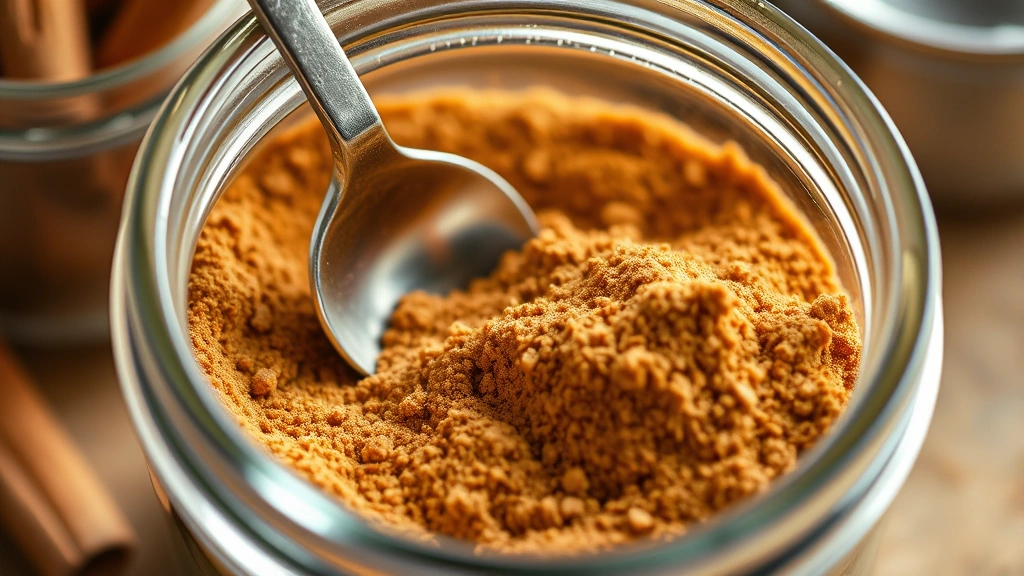
The cinnamon challenge that went viral? Yeah, don’t let your dog participate. Inhaling cinnamon powder can irritate airways and cause respiratory distress. Stick to keeping this spice in your kitchen cabinet, not your pet’s diet.
Safe Cinnamon Alternatives and Better Treat Options
Want to give your dog something that actually has proven health benefits? Skip the cinnamon and try these instead:
- Apples (without seeds)—great for dental health
- Carrots—low calorie, crunchy, and good for teeth
- Pumpkin—excellent for digestive health
- Blueberries—packed with antioxidants
- Plain chicken or turkey—protein-rich and satisfying
These options deliver actual nutritional value without the “maybe it’s okay, maybe it’s not” uncertainty. For more ideas on what’s safe to share with your pup, check out our guide on safe human snacks for pets.
Cinnamon in Commercial Dog Foods and Treats
Some dog food manufacturers include cinnamon in their formulas, claiming it supports digestive or metabolic health. While the amounts are typically minimal and “safe,” there’s limited scientific evidence that these amounts provide any real benefit to dogs. When shopping for treats and food, read labels carefully. If cinnamon is listed, it’s probably not a dealbreaker, but it’s also not a selling point.
What Veterinarians Actually Say About Spiced Dog Treats
Most veterinarians recommend keeping your dog’s diet simple and free from unnecessary seasonings. Your vet’s primary concern is preventing accidental poisoning and ensuring your dog gets balanced nutrition. If you’re considering adding cinnamon or any other spice to your dog’s meals, chat with your vet first. They know your dog’s health history and can give personalized advice.
Cinnamon and Specific Dog Health Conditions
If your dog has liver disease, diabetes, or blood clotting disorders, cinnamon is definitely off the menu. The coumarin content could interfere with medications or exacerbate existing conditions. Similarly, if your dog has a sensitive stomach or food allergies, introducing new substances—even spices—can trigger digestive upset.
Puppies and senior dogs might be more sensitive to dietary changes too. When in doubt, stick with their regular food and proven-safe treats rather than experimenting with human spices.
The Bottom Line: Should You Give Your Dog Cinnamon?
Here’s the honest truth: is cinnamon good for dogs? Probably not necessary, and potentially risky if used regularly. While a tiny amount won’t cause immediate harm, there are zero benefits that justify the potential risks. Your dog doesn’t crave cinnamon, doesn’t need it nutritionally, and would be perfectly happy with safer, more beneficial treat options.
If your dog accidentally ingested cinnamon, don’t stress. Monitor them for any unusual symptoms, and contact your vet if you notice coughing, vomiting, or behavioral changes. For healthy dogs who ate a small amount once, you’re almost certainly fine.

For comprehensive food safety information, our article on pet food safety covers the essentials every pet parent should know.
Frequently Asked Questions
Is a little bit of cinnamon safe for dogs?
Yes, a tiny amount of cinnamon (like what’s in one cinnamon roll or a light sprinkle) won’t poison your dog. However, regular consumption or large amounts could lead to coumarin buildup, especially with Cassia cinnamon. It’s best avoided as a routine addition to their diet.
Can cinnamon help with dog arthritis or inflammation?
While cinnamon has anti-inflammatory properties in humans, there’s insufficient evidence it helps dogs in meaningful ways. Proven options like fish oil supplements, appropriate exercise, and veterinary-recommended treatments are far more effective for joint health.
What should I do if my dog ate cinnamon?
If your dog ate a small amount once, monitor them for symptoms like coughing, vomiting, or diarrhea. Contact your vet if symptoms develop. For large amounts or regular exposure, call your vet immediately for guidance specific to your dog’s weight and health status.
Is Ceylon cinnamon safer than Cassia cinnamon for dogs?
Ceylon cinnamon contains less coumarin than Cassia, making it technically “safer,” but it’s still unnecessary for your dog’s diet and not worth the cost or effort to source specifically for pets.
What spices are actually safe for dogs?
Most common kitchen spices should be avoided for dogs. Turmeric (in small amounts), ginger, and parsley are generally considered safe, but always check with your vet before introducing any new seasonings. Our spices safe for pets guide has more details.
Can I give my dog cinnamon for bad breath?
While cinnamon might freshen human breath, it’s not an effective solution for dogs and carries unnecessary risk. Better options include dental chews, regular teeth brushing, and professional cleanings from your vet.
Summary: Making Smart Choices for Your Dog’s Diet
The takeaway? Is cinnamon good for dogs? Not really. It’s not toxic in tiny amounts, but it offers no nutritional benefit and carries potential risks with regular use. As a responsible pet parent, you have dozens of safer, more beneficial treat options that your dog will actually enjoy. Stick with proven-safe foods, follow your vet’s recommendations, and save the cinnamon for your morning coffee. Your pup will thank you with wagging tail and good health.





