
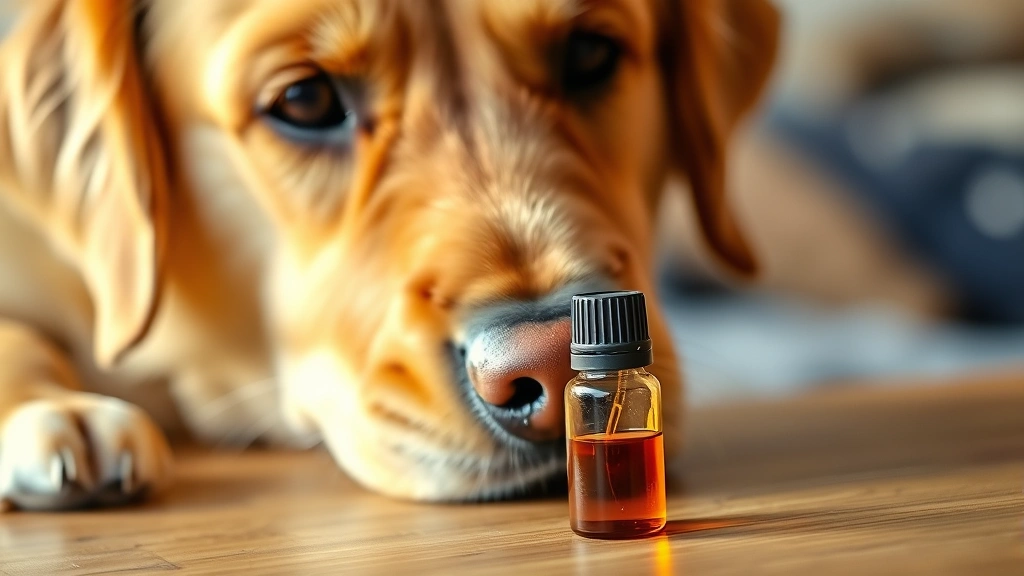
So, is clove oil safe for dogs? The short answer is: not really, and you’ll want to keep it far away from your furry best friend. While clove oil might smell amazing to us humans and has some legit health benefits for people, it’s a whole different story when it comes to our canine companions. Let’s dig into what you need to know about clove oil toxicity in dogs and why your pup’s safety should be your top priority.
Table of Contents
- What Exactly Is Clove Oil and Why Do People Use It?
- The Toxicity Problem: Why Clove Oil Is Dangerous for Dogs
- Symptoms of Clove Oil Poisoning in Canines
- Clove Oil vs. Other Spices: How Does It Compare?
- Products That Might Contain Clove Oil (And Why You Should Check Labels)
- What to Do If Your Dog Ingests Clove Oil
- Safe Alternatives to Clove Oil for Dogs
- Understanding Clove Oil Toxicity in Different Dog Sizes
- Prevention: The Best Medicine for Your Pup
- The Bottom Line on Clove Oil and Canine Safety
- Frequently Asked Questions
What Exactly Is Clove Oil and Why Do People Use It?
Clove oil is an essential oil extracted from the dried flower buds of the clove plant (Syzygium aromaticum). It’s packed with compounds like eugenol, which gives it antimicrobial and anti-inflammatory properties. Humans use it for everything from dental pain relief to cooking to natural cleaning products. It smells warm, spicy, and kind of cozy—basically the autumn candle of the essential oil world.
But here’s the thing: just because something is natural and beneficial for humans doesn’t mean it’s safe for dogs. Dogs metabolize things differently than we do, and their bodies can’t handle many substances that we find perfectly harmless.
The Toxicity Problem: Why Clove Oil Is Dangerous for Dogs
The main culprit behind clove oil’s danger to dogs is eugenol, the active compound we mentioned earlier. Eugenol is toxic to dogs and can cause serious health problems even in small amounts. When dogs ingest or are exposed to clove oil, eugenol can damage their red blood cells and liver, leading to hemolytic anemia and hepatotoxicity.
What makes this particularly tricky is that clove oil is highly concentrated. A little goes a long way, which means even a small amount your dog accidentally ingests could potentially cause problems. We’re not talking about needing to consume a whole bottle—even a few drops can be problematic depending on your dog’s size and health status.
If you’re concerned your dog has been exposed to clove oil, a virtual vet consultation for diet questions can help you determine if immediate action is needed.
Symptoms of Clove Oil Poisoning in Canines
If your dog has ingested clove oil or products containing it, watch for these warning signs:
- Vomiting and diarrhea
- Lethargy and weakness
- Pale gums (indicating anemia)
- Jaundice (yellowing of the skin and eyes)
- Abdominal pain
- Decreased appetite
- Tremors or seizures in severe cases
Some symptoms might not appear immediately—they can develop over hours or even days. This is why it’s crucial to contact your veterinarian right away if you suspect your dog has been exposed to clove oil, even if they seem fine at first.
Clove Oil vs. Other Spices: How Does It Compare?
You might be wondering how clove oil stacks up against other common spices. If you’re already worried about what’s safe, check out our guide on cinnamon and dogs to see how these spices compare in terms of safety.
While cinnamon in small amounts is generally considered safe for dogs (though not particularly beneficial), clove oil is in a different category entirely. Clove is significantly more toxic, especially in its concentrated oil form. Other spices to avoid include nutmeg, garlic, and onions—basically, the warm spice rack of your kitchen can be a minefield for dog safety.
Products That Might Contain Clove Oil (And Why You Should Check Labels)
Clove oil doesn’t just hide in obvious places. It can show up in:

- Essential oil diffusers and aromatherapy products
- Natural flea and tick treatments
- Some commercial dog treats and dental chews
- Homemade dog treat recipes
- Natural toothpastes and oral care products
- Certain supplements marketed for dogs
- Cleaning products used around the home
This is why reading ingredient labels is absolutely critical. If you see eugenol or clove listed anywhere on a product you’re considering for your dog, skip it. When in doubt, online vet advice for food reactions can help you determine whether a specific product is safe for your pup.
What to Do If Your Dog Ingests Clove Oil
If your dog has eaten or been exposed to clove oil, here’s your action plan:
- Don’t panic, but act fast: Contact your veterinarian or poison control immediately. Have the product information handy so you can tell them exactly what your dog was exposed to.
- Know your dog’s weight: Vets will need this information to assess toxicity risk.
- Don’t induce vomiting: Unless specifically instructed by your vet, don’t try to make your dog throw up. This can sometimes make things worse.
- Bring the product: If possible, bring the clove oil bottle or product packaging to the vet so they can see the concentration and ingredients.
- Monitor closely: Keep a close eye on your dog’s behavior and physical symptoms over the next 24-72 hours.
The ASPCA Animal Poison Control Center (888-426-4435) is available 24/7 and can provide guidance specific to your situation.
Safe Alternatives to Clove Oil for Dogs
If you’re looking to support your dog’s health naturally, there are actually safe options that don’t come with the toxicity risk:
- Turmeric: In appropriate amounts, this anti-inflammatory spice is generally safe for dogs.
- Ginger: Can help with nausea and has anti-inflammatory properties.
- Bone broth: Packed with nutrients and delicious to dogs.
- Pumpkin: Great for digestive health.
- Plain coconut oil: In moderation, this can support skin and coat health.
Always check with your vet before introducing any new supplement or spice to your dog’s diet, especially if your pup has existing health conditions or is on medications.
Understanding Clove Oil Toxicity in Different Dog Sizes
A critical factor in clove oil poisoning is your dog’s size. A tiny Chihuahua is at much higher risk from a small amount of clove oil than a large Great Dane would be. That said, no dog is safe from clove oil—it’s just a matter of degree.
Small dogs (under 10 pounds) can be affected by just a few drops. Medium-sized dogs might tolerate slightly more before showing symptoms, but we’re still talking about very small quantities. Large breed dogs have a bit more buffer, but they’re absolutely not immune. This is why the safest approach is to avoid clove oil entirely for all dogs, regardless of size.
Prevention: The Best Medicine for Your Pup
The absolute best way to keep your dog safe from clove oil is prevention:
- Store clove oil and products containing it in a secure cabinet out of reach.
- Be mindful when using essential oil diffusers—never use clove oil around your dog.
- Read all product labels before giving anything to your dog.
- Educate family members and visitors about what’s safe for your pup.
- Be cautious with homemade treats and remedies—stick to proven, vet-approved recipes.
- If someone recommends a natural remedy for your dog, verify it’s safe before using it.
If your dog has food allergies or sensitivities, understanding what triggers reactions is equally important. Learn more about this in our article on food allergies in pets.
The Bottom Line on Clove Oil and Canine Safety
To directly answer the question: is clove oil safe for dogs? Absolutely not. Clove oil is toxic to dogs due to its eugenol content, and there’s no safe amount for your furry friend. While it might be a wonderful natural remedy for humans, it poses real health risks to your pup.

The good news? This is an easy toxin to avoid by simply keeping clove oil and products containing it away from your dog. There are plenty of safe, vet-approved ways to support your dog’s health without resorting to potentially dangerous essential oils.
When in doubt about any substance or product, your veterinarian is your best resource. They know your dog’s individual health status and can give you personalized guidance on what’s safe and what isn’t.
Frequently Asked Questions
Can dogs have clove-scented products?
Even scented products containing clove should be avoided. Whether it’s a candle, diffuser, or potpourri, keep them away from your dog. Inhalation of clove oil vapors can still pose risks, and dogs might try to chew on or ingest scented items.
What if my dog ate a clove-containing treat by accident?
Contact your veterinarian or poison control immediately. Provide information about how much your dog ate and their weight. Don’t wait for symptoms to appear—early intervention is crucial. Most cases have better outcomes when treated promptly.
Are clove supplements safe for dogs?
No. Any supplement containing clove or eugenol should not be given to dogs. Even if marketed as a natural health product for pets, clove is still toxic. Always verify with your vet before giving any supplement.
Can I use clove oil topically on my dog’s skin?
No. Topical application is also unsafe. Dogs lick their skin, and even small amounts absorbed through the skin or ingested while grooming can be problematic. Additionally, concentrated clove oil can irritate your dog’s skin.
What’s a safe alternative for dental health in dogs?
Instead of clove oil, focus on regular dental care: brushing teeth, providing dental chews approved by your vet, and having professional cleanings. These methods are proven effective and completely safe for your pup.
How long does clove oil toxicity last in dogs?
The effects depend on the amount ingested and your dog’s health status. With veterinary treatment, most dogs recover well. However, severe cases can result in lasting liver damage. This is why prevention and early treatment are so important.





