
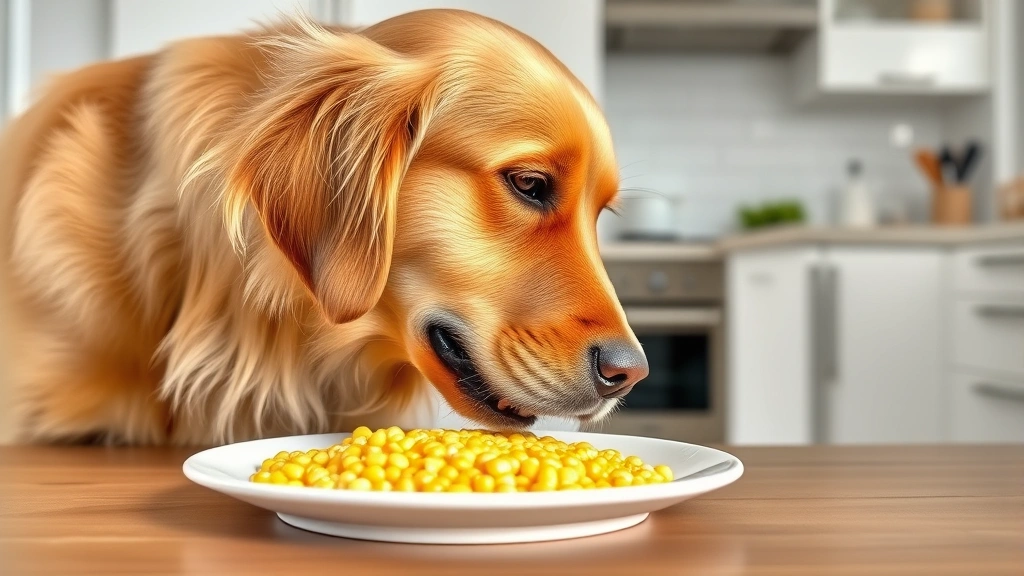
So, is corn harmful to dogs? The short answer: not really, but it’s complicated. If you’ve ever caught your pup eyeing that corn on the cob at a summer barbecue, you’ve probably wondered whether sharing a bite is a friendly gesture or a one-way ticket to the vet’s office. Let’s dig into what science and veterinary experts actually say about corn and canine health.
Table of Contents
- Corn Itself Isn’t Toxic to Dogs
- The Corn Cob Problem: Why Your Dog Shouldn’t Chew It
- Corn as a Dog Food Ingredient: The Filler Debate
- Corn Allergies in Dogs: Separating Myth from Reality
- Buttered, Seasoned, or Creamed Corn: The Real Danger
- Corn and Canine Weight Management
- Reading Dog Food Labels: Understanding Corn Listings
- Corn vs. Other Grain Alternatives for Dogs
- The Bottom Line: Moderation and Common Sense
- Healthier Treat Alternatives to Consider
- Frequently Asked Questions
- Summary: Making the Right Choice for Your Dog
Corn Itself Isn’t Toxic to Dogs
Here’s the good news that’ll make your dog’s tail wag: plain, cooked corn (without the cob) isn’t toxic to dogs. Your furry friend won’t suffer organ failure or mysterious illness from munching on some corn kernels. Dogs can digest corn just fine, and it won’t poison them. This is where a lot of pet parent panic ends—but the story doesn’t stop there.
The real issue isn’t whether corn is poisonous; it’s whether corn is actually beneficial or just filler in your dog’s diet. Many commercial dog foods contain corn as an ingredient, which brings us to the nuance that matters.
The Corn Cob Problem: Why Your Dog Shouldn’t Chew It
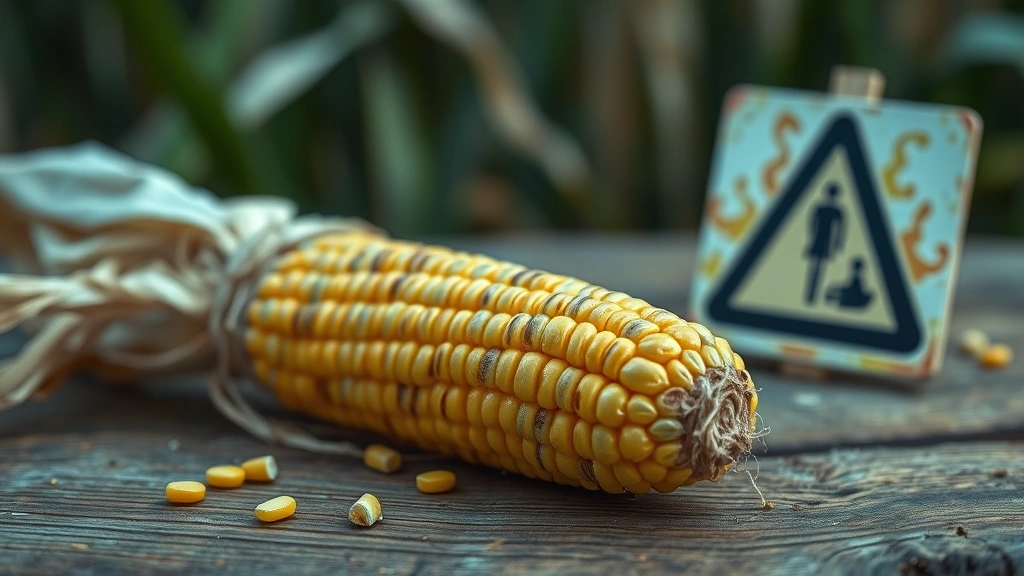
Here’s where things get serious: corn cobs are a major hazard. If your dog gets hold of a corn cob and decides it’s a chew toy, you’re looking at potential intestinal blockage. Corn cobs don’t digest well in the canine digestive system and can cause serious complications requiring emergency surgery. So while the kernels are fine, the woody core? That’s a no-go zone.
Keep corn cobs far away from your dog, especially during grilling season. It’s one of those situations where prevention beats a $3,000 vet bill any day.
Corn as a Dog Food Ingredient: The Filler Debate
Many budget-friendly dog foods use corn as a primary ingredient. The question pet owners ask is: why? The answer is simple—cost. Corn is cheap, and it adds bulk to kibble without breaking the manufacturer’s bank. But is it good for your dog?
This is where carbohydrates safe for pets becomes relevant. Dogs are carnivores by nature, but they’ve adapted to digest carbohydrates over thousands of years of domestication. Corn provides carbs and some nutrients, but it’s not a nutritional powerhouse. Premium dog foods typically use more digestible carb sources like sweet potatoes or brown rice, which offer better nutritional value.
The real concern isn’t that corn is harmful—it’s that it might not be the most beneficial ingredient for your dog’s specific needs.
Corn Allergies in Dogs: Separating Myth from Reality
You’ve probably heard that corn is a common allergen in dogs. Here’s the truth: corn allergies exist, but they’re actually pretty rare. Most dogs don’t have corn allergies. When vets see food allergies in dogs, the culprits are usually beef, chicken, dairy, or wheat—not corn.
That said, some dogs do develop sensitivities to corn. If your dog has chronic ear infections, itchy skin, or digestive issues, corn might be worth eliminating from their diet to see if symptoms improve. But jumping to remove corn without evidence is like taking antibiotics for a virus—unnecessary and potentially counterproductive.
If you suspect your dog has a food allergy, work with your vet to identify the actual trigger through elimination diets or allergy testing.
Buttered, Seasoned, or Creamed Corn: The Real Danger
Plain, unseasoned corn? Generally okay. But corn prepared the way humans like it? That’s a different story. Buttered corn, creamed corn, corn with salt, or corn with spices can cause digestive upset in dogs. Butter and cream add unnecessary fat, which can trigger pancreatitis in susceptible dogs. Salt isn’t great for dogs in large quantities, and certain seasonings can be downright dangerous.
This is where spices safe for pets matters. Never share your seasoned corn with your pup. If you want to give your dog corn as a treat, boil plain kernels with no added ingredients and serve in moderation.
Corn and Canine Weight Management
Dogs that are overweight or prone to weight gain need careful dietary management. Corn-based foods, especially those high in carbohydrates, might not be ideal for weight management. If your vet has recommended weight loss for your dog, discussing food ingredients—including corn content—is worthwhile.
Look for low-fat human food options and consider higher-protein dog foods that keep your pup feeling fuller longer. Corn isn’t inherently fattening, but it’s calorie-dense and less satiating than protein.
Reading Dog Food Labels: Understanding Corn Listings
When you see “corn” on a dog food label, it might appear as corn meal, corn flour, or whole corn. These are different products with different nutritional profiles. Whole corn is less processed than corn meal or flour, but all three are digestible by dogs.
The position of corn on the ingredient list matters too. If corn is the first ingredient, it’s the most abundant component by weight. Premium foods typically list meat proteins first. This doesn’t mean corn-based foods are bad, but it tells you where the manufacturer’s priorities lie.
Corn vs. Other Grain Alternatives for Dogs
If you’re considering grain-free or low-corn diets, understand that “grain-free” doesn’t automatically mean “healthier.” Some grain-free foods replace corn with legumes like peas and lentils, which come with their own considerations. Recent research has suggested potential links between legume-heavy diets and heart issues in certain dogs, though this remains an area of ongoing investigation.
The best diet for your dog depends on their individual health, age, activity level, and any existing conditions—not on whether it contains corn.
The Bottom Line: Moderation and Common Sense
So, is corn harmful to dogs? In its plain, kernel form—no. But context matters. Plain corn kernels as an occasional treat won’t hurt your dog. Corn as the primary ingredient in budget dog foods might not be optimal. Corn cobs are dangerous. Seasoned or buttered corn is a no-go.
Your approach should be individualized. If your dog thrives on a corn-containing food, there’s no need to switch. If your dog has digestive issues, skin problems, or weight concerns, eliminating corn might help—but it’s worth doing under veterinary guidance.
Healthier Treat Alternatives to Consider
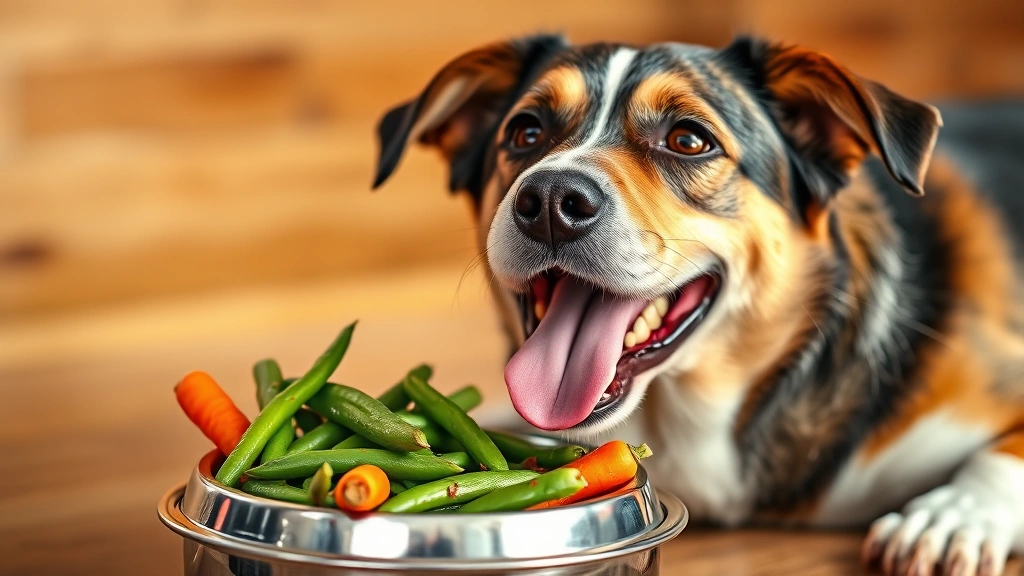
If you want to avoid corn entirely, plenty of alternatives exist. Check out healthy snack alternatives for dogs for options that might suit your pup better. Carrots, green beans, pumpkin, and apples (without seeds) are nutritious, low-calorie treats that most dogs love.
Frequently Asked Questions
Can dogs eat popcorn?
Plain, air-popped popcorn without butter, salt, or seasonings is safe for dogs in small amounts. However, it’s not particularly nutritious and poses a choking hazard, especially for small breeds. Skip it and offer healthier treats instead.
Is corn syrup in dog treats dangerous?
Corn syrup adds unnecessary sugar to dog treats. While small amounts won’t cause immediate harm, excessive sugar contributes to obesity, dental disease, and diabetes in dogs. Look for treats with minimal added sugars.
What about corn oil in dog food?
Corn oil is a source of omega-6 fatty acids, which dogs need in their diet. It’s not harmful and is found in many quality dog foods. The key is balanced omega-6 to omega-3 ratios, which a complete and balanced diet should provide.
Can I give my dog corn on the cob to chew?
Absolutely not. Corn cobs can cause intestinal blockages that require emergency surgery. Even if your dog has successfully chewed corn cobs before without incident, it only takes one piece lodging in their intestines to create a life-threatening situation.
Are corn-free dog foods better?
Not necessarily. A corn-free diet is only better if your dog has a specific corn sensitivity or if your vet recommends it for health reasons. Many healthy dogs do fine on foods containing corn. Focus on overall nutritional quality rather than the presence or absence of a single ingredient.
What are signs my dog might have a corn allergy?
Signs include chronic ear infections, excessive itching, skin rashes, vomiting, diarrhea, or excessive gas. If you notice these symptoms, consult your vet before assuming corn is the culprit. Food allergies require proper diagnosis, not guesswork.
Summary: Making the Right Choice for Your Dog
Is corn harmful to dogs? The evidence suggests plain corn kernels are safe, but context is everything. Avoid corn cobs entirely, be cautious with seasoned or buttered corn, and understand that while corn isn’t toxic, it might not be the most nutritionally optimal ingredient in your dog’s diet.
The best approach is working with your veterinarian to choose foods that match your dog’s individual health profile. Whether that includes corn or not depends on your specific dog—not on general rules. If your dog is healthy, happy, and thriving on a corn-containing food, there’s no reason to make a change. If issues arise, elimination diets under professional guidance can help identify actual problems.
Your dog’s nutrition deserves thoughtful consideration, and that means looking beyond fear-based headlines to actual evidence. Corn itself? Not the villain it’s sometimes made out to be.





