

Is Dasuquin Safe for Senior Dogs? Vet Insights and Expert Guidance
If you’ve got a senior pup whose joints aren’t quite what they used to be, you’ve probably heard about Dasuquin. This popular supplement has been making waves in the pet health world, promising relief for aging dogs dealing with arthritis and joint discomfort. But here’s the million-dollar question: is it actually safe for your golden-years companion? Let’s dig into what vets really think about this supplement and whether it deserves a spot in your senior dog’s wellness routine.
As our beloved canine friends age, their bodies go through significant changes. Cartilage breaks down, joints stiffen, and that enthusiastic bounce in their step gradually diminishes. Many pet parents find themselves searching for solutions that can help their seniors enjoy their twilight years comfortably. Dasuquin has emerged as a go-to option for countless dog owners, but it’s crucial to understand what you’re actually giving your furry friend and whether it’s the right choice for your specific situation.
Throughout this comprehensive guide, we’ll explore the science behind Dasuquin, examine its safety profile, compare it with other joint support options, and provide you with the veterinary insights you need to make an informed decision about your senior dog’s health.
What Is Dasuquin and How Does It Work?
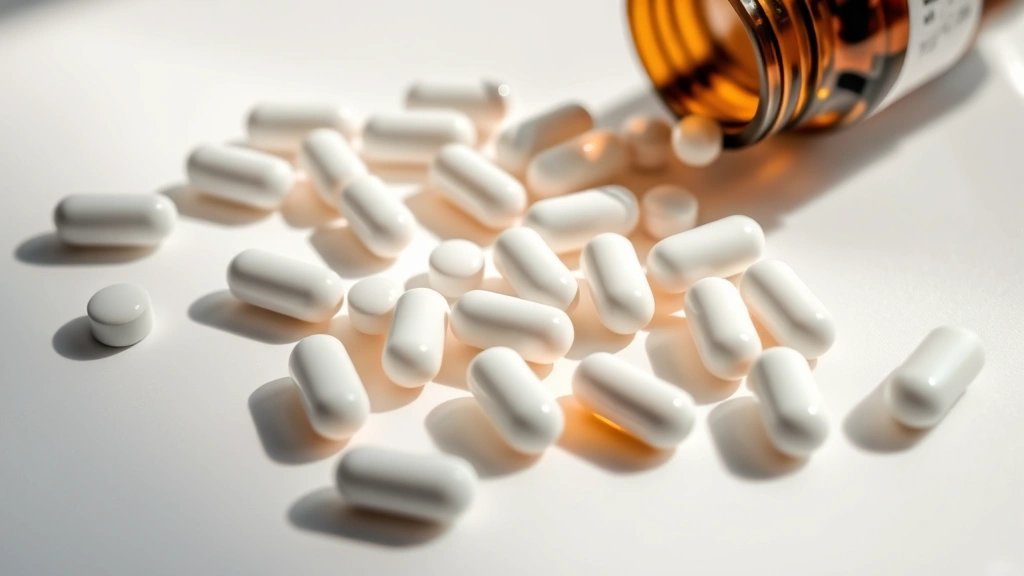
Dasuquin is a patented joint supplement designed specifically for dogs, and it’s become one of the most recommended options by veterinarians across the country. Unlike generic glucosamine supplements, Dasuquin contains a proprietary ingredient called ASU (avocado/soybean unsaponifiables) combined with glucosamine, which sets it apart from the competition.
The supplement works by targeting the underlying mechanisms of joint degeneration. Glucosamine serves as a building block for cartilage, helping to maintain its structural integrity and potentially slowing down the breakdown process. ASU, on the other hand, has been studied for its ability to reduce inflammatory markers and support cartilage metabolism. Together, these ingredients create a synergistic effect that many veterinarians believe offers superior joint support compared to glucosamine alone.
Dasuquin comes in several formulations, including the standard version and Dasuquin Advanced, which includes additional ingredients like boswellia and curcumin for enhanced anti-inflammatory benefits. This variety allows veterinarians to tailor recommendations based on individual dog needs and the severity of joint issues.
Understanding Senior Dogs and Joint Health
Before diving deeper into Dasuquin’s safety, it’s important to understand what qualifies as a senior dog and why joint health becomes such a critical concern. When is a dog considered a senior varies based on breed and size, but most veterinarians classify dogs as seniors between 7-10 years of age, with larger breeds reaching senior status earlier than smaller breeds.
During their senior years, dogs experience natural changes in joint cartilage, decreased synovial fluid production, and weakening of supporting muscles and ligaments. These physiological changes can lead to osteoarthritis, a degenerative joint disease affecting millions of older dogs. The condition causes pain, stiffness, and reduced mobility, significantly impacting quality of life.
Joint health in senior dogs isn’t just about comfort—it’s about maintaining independence and activity levels that contribute to overall well-being. Dogs that remain mobile tend to have better cardiovascular health, cognitive function, and emotional stability. This is why proactive joint support, like what Dasuquin offers, has become such an integral part of senior dog care strategies.
Safety Profile: What Veterinarians Say
When it comes to safety, Dasuquin has an excellent track record backed by veterinary consensus. The supplement has been extensively studied and used in veterinary practice for over a decade, with minimal reported adverse effects. According to the American Kennel Club’s guidance on senior dog supplements, Dasuquin is considered one of the safest joint support options available for aging dogs.
Veterinarians generally agree that Dasuquin is safe for long-term use in senior dogs when administered at recommended dosages. Unlike prescription pain medications, which carry more significant risks and side effects, Dasuquin is a natural supplement with a gentle safety profile. This makes it an attractive option for pet parents concerned about their senior dog’s overall health and potential medication interactions.
The safety of Dasuquin extends to its ingredient sourcing and manufacturing standards. Nutramax Laboratories, the company behind Dasuquin, maintains rigorous quality control standards and conducts regular third-party testing to ensure product consistency and purity. This commitment to quality assurance provides additional confidence in the supplement’s safety profile.

Proven Benefits and Efficacy
Research into Dasuquin’s effectiveness has yielded promising results. Multiple clinical studies have demonstrated that dogs receiving Dasuquin show measurable improvements in mobility, activity levels, and reduced signs of joint discomfort. One landmark study published in veterinary journals showed that dogs on Dasuquin experienced significantly better joint function compared to placebo groups after just a few weeks of consistent use.
Pet parents report notable improvements including:
- Increased willingness to play and exercise
- Improved ability to climb stairs or jump on furniture
- Reduced stiffness, particularly after rest periods
- Enhanced overall mobility and comfort levels
- Better quality of life during their senior years
It’s important to note that while Dasuquin can provide substantial relief, results aren’t always immediate. Most veterinarians recommend giving the supplement at least 4-6 weeks before evaluating its effectiveness, as the body needs time to build up therapeutic levels of the active ingredients.
When considering joint support options, many pet parents wonder about what painkillers can I give my dog. Dasuquin offers a preventative and supportive approach that can potentially reduce or delay the need for stronger pharmaceutical interventions.
Potential Side Effects and Contraindications
While Dasuquin is generally very safe, pet parents should be aware of potential side effects, though they’re relatively rare. Some dogs may experience mild gastrointestinal upset, including occasional loose stools or mild nausea, particularly when first starting the supplement. These effects typically resolve within a few days as the dog’s system adjusts.
Certain dogs should be cautious or avoid Dasuquin altogether. Dogs with shellfish allergies should note that glucosamine is often derived from shellfish, though Dasuquin offers a vegetarian glucosamine option for these sensitive pups. Additionally, dogs scheduled for surgery should inform their veterinarian about Dasuquin use, as some components may have mild anticoagulant properties.
Dogs on blood thinners or with bleeding disorders should only use Dasuquin under veterinary supervision. Similarly, diabetic dogs may require monitoring, as glucosamine can theoretically affect blood glucose levels, though this is generally not a significant concern at recommended doses. Your veterinarian can help determine if Dasuquin is appropriate for your senior dog’s specific health situation.
It’s worth noting that while exploring joint support, some pet parents also inquire about how to treat dog ear infection without vet care and other home remedies. However, for joint health, professional veterinary guidance combined with proven supplements like Dasuquin remains the gold standard approach.
How Dasuquin Compares to Other Options
The pet supplement market offers numerous joint support alternatives, but Dasuquin stands out for several reasons. When compared to basic glucosamine supplements, Dasuquin’s inclusion of ASU provides additional anti-inflammatory benefits and has shown superior efficacy in clinical comparisons.
Here’s how Dasuquin stacks up against other common options:
- Basic Glucosamine: More affordable but lacks the ASU component that makes Dasuquin unique. Studies show Dasuquin performs better in head-to-head comparisons.
- Chondroitin-based supplements: These work differently but can be combined with Dasuquin. Some vets recommend both for maximum benefit.
- Prescription joint supplements: Veterinary-prescribed options like Cosequin are similar to Dasuquin and equally safe, with choice often coming down to individual dog response.
- Omega-3 supplements: These provide general anti-inflammatory support but don’t specifically target joint cartilage like Dasuquin does.
When considering pain management alongside supplements, understanding is aspirin safe for dogs helps context how Dasuquin fits into a broader pain management strategy. Many veterinarians recommend starting with supplements like Dasuquin before escalating to NSAIDs or prescription medications.
Proper Dosage and Administration Guidelines
Correct dosing is crucial for both safety and effectiveness. Dasuquin dosing is based on your dog’s weight, and the supplement comes in convenient capsule or tablet forms. Most senior dogs fall into standard dosage categories:
- Small dogs (under 30 lbs): Typically 1 capsule daily
- Medium dogs (30-60 lbs): Usually 1-2 capsules daily
- Large dogs (over 60 lbs): Often 2 capsules daily
Your veterinarian may recommend a loading dose for the first 4-6 weeks to achieve faster results, followed by a maintenance dose. Always follow your specific vet’s recommendations, as individual health factors may warrant adjustments.
Administration tips for success:
- Give Dasuquin with food to enhance absorption and reduce gastrointestinal upset
- Maintain consistent timing—daily administration at the same time works best
- Be patient—allow at least 4-6 weeks before assessing results
- Store in a cool, dry place away from direct sunlight
- Never exceed recommended dosages
For pet parents managing multiple health concerns, understanding medication interactions is important. Questions about how much Benadryl can I give my dog or can dogs have Benadryl alongside Dasuquin should be directed to your veterinarian, as they can evaluate your senior dog’s complete health profile.
Frequently Asked Questions
How long does it take for Dasuquin to work in senior dogs?
Most dogs show noticeable improvements within 4-6 weeks of consistent daily use, though some may take up to 8-12 weeks. The timeline varies based on the severity of joint issues, individual metabolism, and overall health status. Patience and consistency are key—discontinuing the supplement too early may prevent you from seeing its full benefits.
Can Dasuquin be used alongside other pain medications?
Yes, Dasuquin can often be used with other joint support supplements and even with prescription pain medications under veterinary supervision. In fact, many veterinarians recommend combining approaches for optimal results. Always inform your vet about all supplements and medications your senior dog is taking.
Is Dasuquin safe for dogs with kidney disease?
Dogs with kidney disease require careful monitoring with any supplement. While Dasuquin is generally considered safe, your veterinarian should evaluate your specific dog’s kidney function before recommending it. The vet may recommend specific formulations or adjusted dosages based on blood work results.
What’s the difference between regular Dasuquin and Dasuquin Advanced?
Dasuquin Advanced includes additional ingredients like boswellia and curcumin, which provide enhanced anti-inflammatory benefits. The original Dasuquin contains glucosamine and ASU. Your veterinarian can recommend which formulation best suits your senior dog’s needs based on the severity of joint issues and overall health profile.
Can I give Dasuquin to my younger dog for prevention?
While Dasuquin is primarily marketed for senior dogs, some veterinarians recommend it for younger dogs with joint risk factors, such as large breeds prone to hip dysplasia or dogs with previous injuries. Discuss preventative joint support strategies with your vet to determine if it’s appropriate for your dog’s specific situation.
Are there any breed-specific considerations for Dasuquin?
Large and giant breed dogs often benefit more from Dasuquin due to their higher predisposition to joint issues. However, dogs of all breeds and sizes can develop arthritis, making Dasuquin potentially beneficial for any senior dog experiencing joint discomfort. Your vet can assess whether your dog’s breed and individual health factors warrant supplementation.
What should I do if my dog shows no improvement after 6 weeks?
If you haven’t noticed any improvement after 6-8 weeks, contact your veterinarian. They may recommend increasing the dose, switching to Dasuquin Advanced, combining it with other therapies, or exploring alternative treatments. Every dog responds differently, and your vet can help identify the best approach for your senior companion.





