

Is Diamond Dog Food Good? What Pet Owners Say
When it comes to choosing the right food for your furry best friend, the options can feel absolutely overwhelming. Pet parents are constantly bombarded with marketing claims, ingredient lists that read like a chemistry textbook, and passionate opinions from other dog lovers. One brand that frequently pops up in these conversations is Diamond Dog Food. But is it actually a good choice for your pup, or is it just another name on the shelf? Let’s dig into what real pet owners are saying and what the facts reveal about this popular kibble.
Diamond Pet Foods has been around since 1982, and they’ve built a reputation as a mid-range dog food brand available in most pet stores across the country. The brand offers numerous formulas, from basic adult maintenance diets to specialized recipes for puppies, senior dogs, and pups with sensitive stomachs. But popularity doesn’t always equal quality, and that’s why we’re here to break down the real story behind Diamond dog food.
In this comprehensive guide, we’ll examine the ingredients, compare Diamond to other brands like Purina Pro Plan and Blue Buffalo, hear what pet owners are actually experiencing, and help you decide if Diamond is the right fit for your four-legged companion.
Diamond Dog Food Overview
Diamond Pet Foods is a subsidiary of Schell and Kampeter, Inc., a family-owned company based in Kansas. They manufacture a wide variety of dog food products under different brand names, including Diamond Naturals, which is their premium line. If you’re specifically interested in their premium offering, check out our detailed review on whether Diamond Naturals is a good dog food.
The brand positions itself as an affordable option for dog owners who want decent quality without breaking the bank. Diamond offers formulas for different life stages, activity levels, and dietary needs. Their product lines include:
- Diamond Adult Dog Food – Their standard adult maintenance formula
- Diamond Puppy Formula – Designed for growing dogs with appropriate calorie and nutrient levels
- Diamond Performance – For active dogs requiring higher protein and fat content
- Diamond Care – Specialized formulas for digestive health and weight management
- Diamond Naturals – Their grain-free and natural ingredient line
One thing that sets Diamond apart is their pricing strategy. You’ll typically find Diamond dog food at a lower price point than premium brands, yet higher than the cheapest grocery store options. This middle-ground positioning appeals to budget-conscious pet parents who don’t want to sacrifice quality entirely.
Ingredient Analysis
Let’s talk about what’s actually in Diamond dog food, because this is where the rubber meets the road. Looking at a typical Diamond Adult Dog Food formula, the first few ingredients matter most, as they make up the bulk of the food.
Most Diamond formulas list meat meals as primary protein sources. For example, you might see “chicken meal” or “beef meal” listed first. While meat meal sounds less appealing than fresh chicken, it’s actually a concentrated protein source. Meat meal is made from rendered animal tissues and contains more protein per pound than fresh meat because moisture has been removed.
The carbohydrate base in many Diamond formulas includes corn, corn meal, or corn gluten meal. Here’s where things get a bit controversial. Many pet nutritionists note that while corn is safe for dogs, it’s not the most nutrient-dense carbohydrate option. Dogs are facultative carnivores, meaning they can digest plant-based ingredients, but they thrive on meat-based nutrition. Some owners prefer foods with whole grains or vegetables as primary carbs.
However, it’s worth noting that corn itself isn’t inherently harmful to dogs—it’s a digestible carbohydrate that provides fiber and energy. The issue some people raise is more about ingredient quality and whether there are better options available.
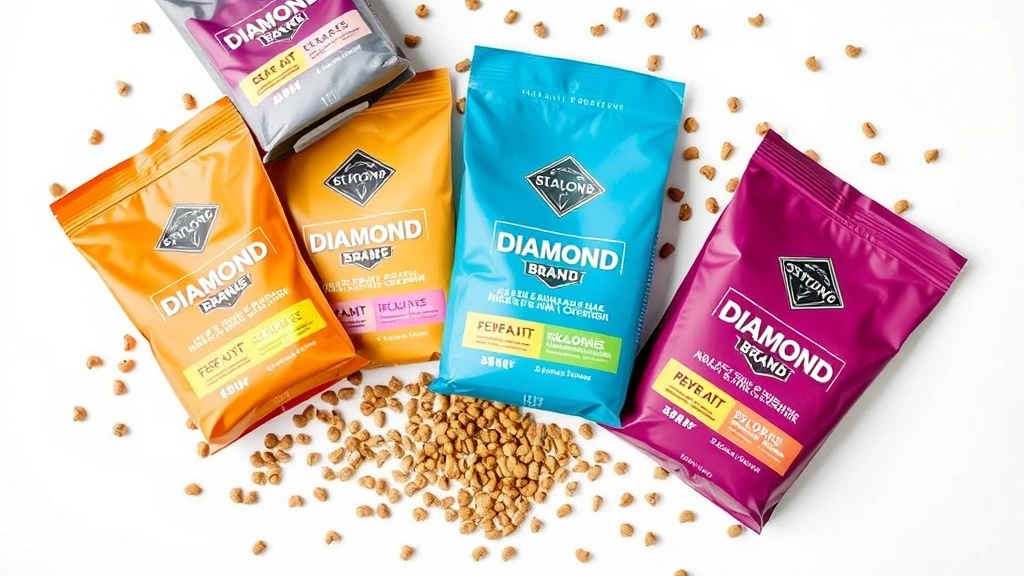
Diamond formulas typically include fats from animal sources or oils, which are essential for skin and coat health. Most formulas include vitamin and mineral supplements to ensure complete nutrition. The brand generally avoids artificial colors and flavors, which is a positive point.
When comparing ingredients, it’s important to remember that ingredient lists are ordered by weight, but that doesn’t tell the whole story. A food with chicken as the first ingredient might actually contain less total protein than a food with chicken meal listed first, because fresh chicken contains water weight.
Quality and Manufacturing
Diamond’s manufacturing practices have been a point of discussion among pet owners and veterinarians. The company manufactures their products at facilities in Kansas and other locations. According to their website, they conduct quality testing throughout the manufacturing process.
One concern some pet owners raise is that Diamond products are sometimes available at discount retailers and warehouse clubs at significantly reduced prices. While this doesn’t necessarily indicate poor quality, some people wonder if products sold at deep discounts are older stock or formulated differently.
Diamond does publish information about their manufacturing standards, and they state that they follow FDA guidelines for pet food production. They claim to source ingredients from approved suppliers and maintain quality control measures. However, independent verification of these claims is limited.
The brand has invested in traceability systems to track ingredients through their supply chain. This is important for responding quickly if a safety issue arises. When you’re evaluating any dog food, understanding the manufacturer’s commitment to safety and quality should be a significant factor in your decision-making process.

Safety Record and Recalls
Diamond Pet Foods has experienced recalls in the past, which is important information for potential buyers. In 2012, the company issued a voluntary recall due to potential salmonella contamination. While this incident occurred over a decade ago, it’s part of the brand’s history and demonstrates that no manufacturer is immune to safety issues.
More recently, like most pet food manufacturers, Diamond has had sporadic recalls related to potential contamination or labeling issues. You can check the FDA’s pet food recall database to see the complete history of any brand you’re considering.
It’s worth putting recalls in perspective: even the most premium brands occasionally have recalls. What matters is how a company responds. Does the manufacturer issue recalls promptly and provide clear information to consumers? Diamond has generally followed industry-standard protocols when recalls have occurred.
To stay informed about potential recalls, pet owners should register with the FDA’s animal and veterinary products recalls and alerts system. This ensures you’ll be notified immediately if there’s an issue with your dog’s food.
How Diamond Compares to Other Brands
To give you context, let’s compare Diamond to some other popular brands in similar price ranges and quality tiers.
Diamond vs. Purina Pro Plan: Purina Pro Plan generally costs slightly more than Diamond but is backed by more extensive research. Purina has a larger research and development department and conducts more feeding trials. Both brands use meat meals as protein sources, but Purina Pro Plan typically includes more whole meat proteins in premium formulas.
Diamond vs. Blue Buffalo: Blue Buffalo positions itself as a premium natural brand and commands higher prices than Diamond. Blue Buffalo emphasizes natural ingredients and includes whole meat proteins more prominently. However, Blue Buffalo has also faced recalls and lawsuits, so neither brand has a perfect record.
Diamond vs. Diamond Naturals: If you’re considering Diamond’s premium line, Diamond Naturals offers grain-free options and emphasizes natural ingredients while commanding a higher price point than standard Diamond formulas.
In the value category, Diamond competes well. For the price, you’re getting a complete and balanced diet that most dogs tolerate well. It’s not the absolute cheapest option, nor is it positioned as a premium brand, making it a solid middle-ground choice.
What Pet Owners Say
Real-world experiences from pet owners provide valuable insights that go beyond marketing claims. When we look at what people are actually saying about Diamond dog food, we see a mixed but generally positive picture.
The Positive Feedback: Many dog owners report that their pets do well on Diamond. Common praise includes:
- Good digestion and healthy stools
- Shiny coats and healthy skin
- Reasonable price for the quality level
- Availability at most pet retailers
- Dogs with sensitive stomachs doing better on Diamond Care formulas
- No issues with recalls in their personal experience
The Concerns: Some pet owners express reservations:
- Preference for foods with whole meat as the first ingredient rather than meat meals
- Concerns about corn content in some formulas
- Past recalls making them hesitant to trust the brand
- Dogs experiencing digestive upset when switching to Diamond
- Feeling that premium brands offer better ingredient quality
It’s important to note that dog food tolerance is highly individual. What works beautifully for one dog might cause digestive issues for another. Some dogs thrive on Diamond, while others do better on different brands. This is completely normal in the pet food world.
If your dog has specific dietary needs, like if you’re dealing with what to feed a dog with diarrhea, you might need to try different brands to find the best fit. Similarly, understanding how much food to feed your dog ensures you’re providing appropriate portions regardless of which brand you choose.
Pros and Cons of Diamond Dog Food
Pros:
- Affordability: Diamond offers decent quality at reasonable prices, making it accessible to budget-conscious pet owners
- Availability: You can find Diamond at most pet stores, Walmart, and online retailers
- Variety: They offer multiple formulas for different life stages and dietary needs
- Complete nutrition: All Diamond formulas are formulated to meet AAFCO standards for complete and balanced nutrition
- No artificial colors or flavors: The brand avoids artificial additives in their formulas
- Specialized formulas: Diamond Care line addresses specific health concerns like digestive sensitivity
Cons:
- Meat meals as primary proteins: While nutritionally adequate, some prefer whole meat proteins
- Corn content: Some formulas rely heavily on corn, which isn’t ideal for all dogs
- Past recalls: The brand’s history includes recalls that concern some pet owners
- Limited research: Diamond doesn’t publish as much nutritional research as larger competitors
- Mixed ingredient quality: Some ingredients in lower-tier formulas could be upgraded
- Marketing vs. reality: Marketing claims sometimes outpace actual ingredient quality
Frequently Asked Questions
Is Diamond dog food safe for my dog?
Diamond dog food is generally safe for most dogs. The brand manufactures products according to FDA guidelines and has quality control measures in place. However, individual dogs may have sensitivities to specific ingredients. Always introduce new food gradually over 7-10 days to minimize digestive upset. If your dog shows signs of allergies or digestive issues, consult your veterinarian.
Why is Diamond dog food so cheap compared to premium brands?
Diamond’s lower price reflects their business model and ingredient sourcing. They use meat meals rather than whole meats as primary proteins, which is less expensive but still nutritionally adequate. They also have less extensive research and development compared to larger companies. Lower price doesn’t necessarily mean lower quality—it reflects different ingredient choices and company structure.
Is Diamond dog food good for dogs with allergies?
Diamond offers specialized formulas through their Diamond Care line designed for dogs with sensitivities. However, if your dog has specific allergies, you’ll need to check the ingredient list carefully. Common allergens include chicken, beef, wheat, and corn. Some dogs do well on Diamond formulas, while others with severe allergies may need prescription or specialized diets. Always consult your vet about allergy concerns.
How does Diamond compare to veterinary-recommended brands?
Veterinary-recommended brands like Hill’s Science Diet and Royal Canin are backed by extensive research and clinical trials. Diamond doesn’t have the same level of veterinary backing or research support. However, this doesn’t mean Diamond is inferior—it simply means less clinical data supports it. Your veterinarian can help determine if Diamond is appropriate for your dog’s specific health needs.
Can I add supplements or toppers to Diamond dog food?
You can add certain supplements and toppers to Diamond dog food, but do so cautiously. Adding chicken broth or other dog-safe toppers can add variety and appeal. However, adding too many extras can unbalance the complete nutrition that Diamond provides. If you want to supplement your dog’s diet, discuss options with your veterinarian to ensure you’re not creating nutritional imbalances.
What should I do if my dog doesn’t tolerate Diamond food well?
If your dog experiences digestive upset, skin issues, or other problems after switching to Diamond, try transitioning more slowly over 2-3 weeks rather than the standard 7-10 days. If problems persist, your dog may simply do better on a different formula or brand. Some dogs have individual sensitivities that require specific ingredient profiles. Work with your vet to identify what your dog needs.
Is Diamond dog food grain-free?
Some Diamond formulas are grain-free, specifically their Diamond Naturals line. However, not all Diamond products are grain-free. Many standard Diamond formulas include grains like corn and wheat. If grain-free is important for your dog, check the specific formula’s ingredient list. It’s worth noting that grain-free diets have become somewhat controversial, with some concerns raised about their potential links to certain heart conditions in dogs.
Where can I buy Diamond dog food?
Diamond dog food is widely available at pet stores like PetSmart and Petco, general retailers like Walmart and Target, warehouse clubs like Costco, and online retailers including Amazon and Chewy. The wide availability makes it convenient for most pet owners to find and purchase consistently.





