
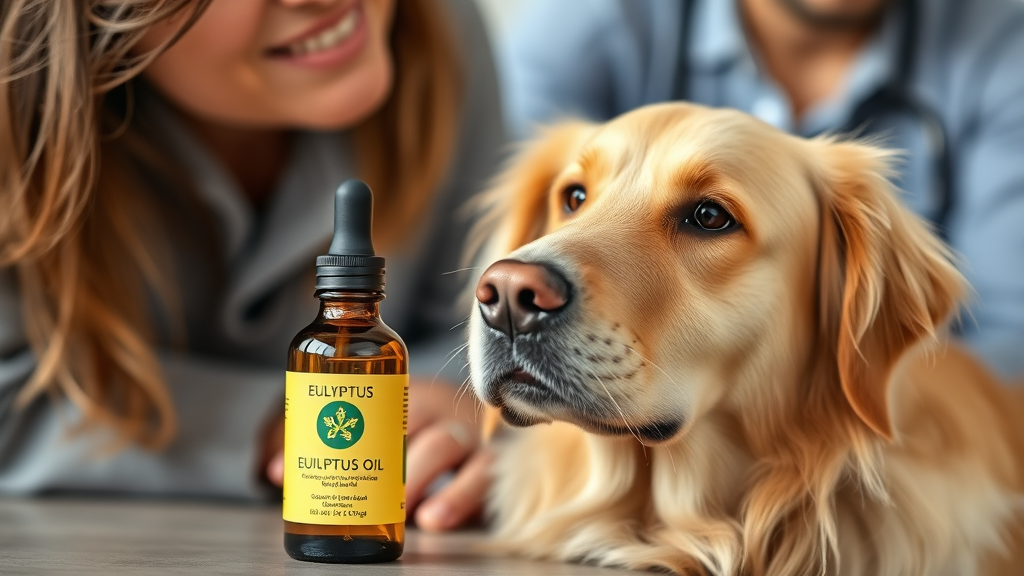
Eucalyptus Oil and Dogs: What Every Pet Owner Should Know
Eucalyptus oil has gained popularity as a natural remedy for various household uses, from aromatherapy to cleaning products. However, when you’re a dog owner, it’s crucial to understand that not all natural products are safe for your furry companions. The question “is eucalyptus oil safe for dogs” is one that every responsible pet owner should ask before introducing this essential oil into their home.
While eucalyptus oil offers numerous benefits for humans, including antimicrobial and anti-inflammatory properties, its safety profile for dogs is significantly different. Understanding the potential risks, proper usage guidelines, and safe alternatives can help you make informed decisions about your pet’s health and well-being. This comprehensive guide will explore everything you need to know about eucalyptus oil and its effects on dogs, ensuring you can create a safe environment for your beloved pet.
What is Eucalyptus Oil?
Eucalyptus oil is an essential oil derived from the leaves of eucalyptus trees, primarily Eucalyptus globulus and Eucalyptus radiata. This potent oil contains high concentrations of eucalyptol (also known as 1,8-cineole), which gives it its characteristic strong, camphor-like scent and therapeutic properties. The oil is extracted through steam distillation and has been used for centuries in traditional medicine and aromatherapy.
The primary active compound, eucalyptol, makes up 70-85% of eucalyptus oil’s composition and is responsible for its antimicrobial, anti-inflammatory, and decongestant effects. While these properties make eucalyptus oil valuable for human use, they also contribute to its potential toxicity in dogs. The concentrated nature of essential oils means that even small amounts can have significant effects on our canine companions.
Common household products containing eucalyptus oil include diffuser blends, cleaning products, topical pain relievers, cough drops, and insect repellents. Understanding where eucalyptus oil might be present in your home is essential for maintaining your dog’s safety. According to the ASPCA, eucalyptus is considered toxic to dogs, cats, and horses.

Eucalyptus Oil Toxicity in Dogs
Dogs are significantly more sensitive to essential oils than humans due to their different metabolism and smaller body size. The liver enzymes responsible for processing essential oils are less efficient in dogs, making it difficult for them to break down and eliminate these compounds from their systems. This metabolic difference means that even small amounts of eucalyptus oil can accumulate to toxic levels in a dog’s body.
The toxicity of eucalyptus oil in dogs is primarily attributed to eucalyptol, which can cause central nervous system depression and gastrointestinal irritation. When dogs are exposed to eucalyptus oil through ingestion, inhalation, or dermal contact, the compound is rapidly absorbed into their bloodstream and can affect multiple organ systems. The Pet Poison Helpline classifies eucalyptus oil as moderately toxic to dogs.
Factors that influence the severity of eucalyptus oil toxicity include the concentration of the oil, the amount of exposure, the duration of contact, and the individual dog’s size, age, and health status. Puppies, senior dogs, and those with compromised immune systems or liver conditions are at higher risk for severe reactions. Even diluted eucalyptus oil can be problematic, as dogs’ heightened sense of smell makes them more susceptible to respiratory irritation from aromatic compounds.
Similar concerns exist with other essential oils, and pet owners should be equally cautious about peppermint oil safety when considering aromatherapy options for their homes.
Signs and Symptoms of Eucalyptus Poisoning
Recognizing the signs of eucalyptus oil poisoning is crucial for prompt intervention and treatment. Symptoms can appear within minutes to hours after exposure, depending on the route of contact and the amount involved. The severity of symptoms can range from mild gastrointestinal upset to life-threatening neurological complications.
Gastrointestinal symptoms are often the first to appear and may include vomiting, diarrhea, excessive drooling, and loss of appetite. These symptoms occur because eucalyptol irritates the mucous membranes of the digestive tract. Dogs may also exhibit signs of abdominal pain, such as hunched posture, restlessness, or reluctance to move.
Respiratory symptoms can develop from inhalation exposure and include difficulty breathing, coughing, wheezing, and nasal discharge. Dogs may exhibit open-mouth breathing or appear to be gasping for air. In severe cases, respiratory depression can occur, which is a medical emergency requiring immediate veterinary intervention.
Neurological symptoms are among the most serious and can include weakness, lethargy, loss of coordination, tremors, seizures, or even coma. These symptoms indicate that the eucalyptol has affected the central nervous system and require immediate emergency care. The VCA Animal Hospitals emphasizes that neurological symptoms warrant immediate veterinary attention.
Dermal exposure can cause skin irritation, redness, swelling, and chemical burns. Dogs may excessively lick or scratch the affected area, potentially worsening the irritation. It’s important to note that symptoms can worsen over time, so even mild initial reactions should be taken seriously.
Safe Usage Guidelines and Precautions
While eucalyptus oil poses risks to dogs, there are ways to minimize exposure while still enjoying some of its benefits in your home. The key is understanding proper dilution, application methods, and environmental controls that can reduce the risk to your pet.
If you choose to use eucalyptus oil in your home, never apply it directly to your dog or use it in areas where your pet spends significant time. Diffusing eucalyptus oil should be done with extreme caution, using minimal amounts in well-ventilated areas where your dog can easily leave if they become uncomfortable. Always ensure your dog has access to fresh air and an escape route from any room where essential oils are being diffused.
When using eucalyptus oil for cleaning or personal care, store all products containing the oil in secure locations where your dog cannot access them. This includes keeping essential oil bottles, cleaning supplies, and personal care products in closed cabinets or high shelves. Many dogs are curious and may investigate new scents, potentially leading to accidental ingestion or contact.
Consider the cumulative effect of multiple essential oils in your home. Just as you might be cautious about lavender safety, combining different essential oils can increase the overall toxic load and risk to your pet.
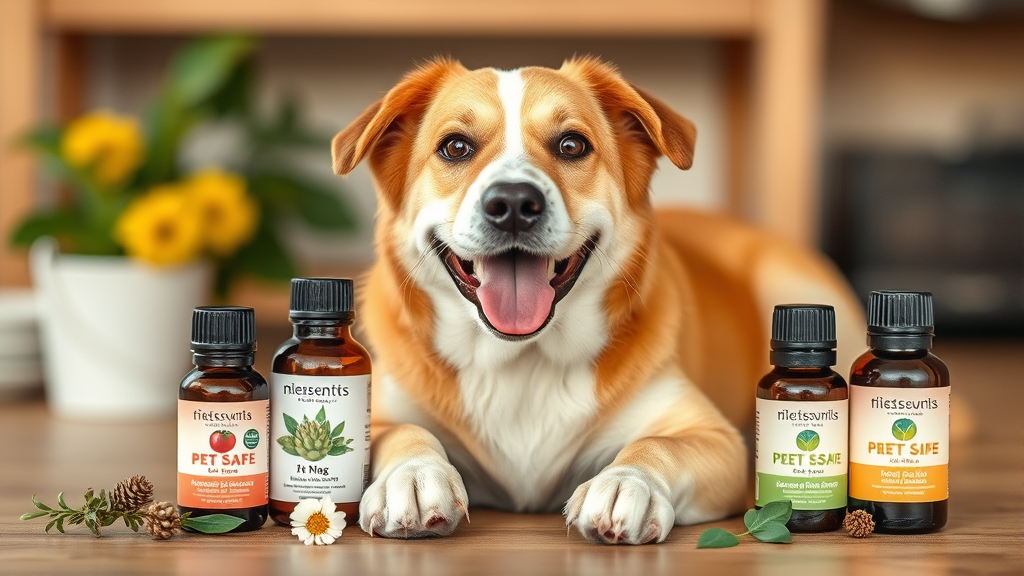
Dog-Safe Essential Oil Alternatives
Fortunately, there are several dog-safe alternatives that can provide similar benefits to eucalyptus oil without the associated risks. Understanding these alternatives allows you to maintain a pleasant home environment while prioritizing your pet’s safety.
Cedarwood oil is considered one of the safer essential oils for dogs when used appropriately. It has natural insect-repelling properties and a pleasant woody scent that many people find appealing. However, even cedarwood should be used sparingly and never applied directly to your dog without veterinary guidance.
Chamomile, particularly Roman chamomile, is generally considered safe for dogs in small amounts and can provide calming effects. The oil has anti-inflammatory properties and a gentle, soothing scent that is less likely to cause respiratory irritation than stronger oils like eucalyptus.
For cleaning purposes, consider using white vinegar, baking soda, or commercial pet-safe cleaning products instead of essential oil-based cleaners. These alternatives can provide effective cleaning power without exposing your dog to potentially harmful compounds. The Humane Society provides guidelines for pet-safe household products.
When considering any essential oil alternative, it’s worth researching each option thoroughly. For instance, while some herbs are safe, others require caution – you might wonder about rosemary safety or peppermint usage before introducing these into your pet’s environment.
What to Do in Case of Exposure
If you suspect your dog has been exposed to eucalyptus oil, quick action is essential to minimize potential harm. The appropriate response depends on the type and extent of exposure, but certain immediate steps should always be taken regardless of the situation.
For ingestion, do not induce vomiting unless specifically instructed by a veterinarian or pet poison control center. Eucalyptus oil can cause additional damage to the esophagus and throat if vomited back up. Instead, remove any remaining source of the oil from your dog’s reach and contact your veterinarian or the Pet Poison Helpline immediately.
If eucalyptus oil has contacted your dog’s skin, immediately flush the area with large amounts of cool water for at least 15 minutes. Avoid using soap or shampoo initially, as these can sometimes increase absorption of the oil through the skin. After thorough rinsing, you may gently wash the area with mild dish soap to help remove any remaining oil residue.
For inhalation exposure, immediately move your dog to fresh air and away from the source of the eucalyptus oil. Open windows and use fans to improve ventilation. Monitor your dog closely for signs of respiratory distress and be prepared to transport them to an emergency veterinary clinic if breathing difficulties develop.
Contact information for emergency resources should be readily available in your home. Keep the number for your local veterinary emergency clinic, the ASPCA Animal Poison Control Center (1-888-426-4435), and the Pet Poison Helpline (1-855-764-7661) easily accessible. These services can provide immediate guidance and help you determine the urgency of the situation.
Prevention and Safety Tips
Prevention is always the best approach when it comes to protecting your dog from eucalyptus oil toxicity. Creating a pet-safe environment requires ongoing vigilance and careful consideration of the products you bring into your home.
Establish designated areas in your home where essential oils can be used safely, ensuring these spaces can be closed off from your dog when necessary. If you enjoy aromatherapy or use essential oils for wellness purposes, consider creating a pet-free zone where you can safely use these products without risk to your furry companion.
Read product labels carefully before purchasing household items. Many cleaning products, air fresheners, and personal care items contain eucalyptus oil or other essential oils that could be harmful to your dog. Look for pet-safe alternatives or products specifically formulated to be safe around animals.
Educate family members and guests about the importance of keeping essential oils and related products away from your dog. Children, in particular, should understand that these substances are not safe for pets and should never be applied to or given to the family dog.
Just as you might research whether specific plants or herbs are safe – such as eucalyptus plants or rosemary herbs – it’s important to investigate all aromatherapy and cleaning products before use.
Regular veterinary checkups can help identify any health issues that might make your dog more susceptible to essential oil toxicity. Dogs with liver problems, respiratory conditions, or other health concerns may be at higher risk and require extra precautions around essential oils.
Frequently Asked Questions
Can I use eucalyptus oil around my dog if it’s heavily diluted?
Even heavily diluted eucalyptus oil can be problematic for dogs due to their sensitive metabolism and enhanced sense of smell. While dilution reduces the concentration, it doesn’t eliminate the risk entirely. Dogs can still experience respiratory irritation or other symptoms from diluted eucalyptus oil, especially in enclosed spaces. It’s safer to avoid using eucalyptus oil around dogs altogether and choose pet-safe alternatives instead.
What should I do if my dog licked eucalyptus oil?
If your dog has licked eucalyptus oil, do not induce vomiting. Remove any remaining oil from their reach and contact your veterinarian or pet poison control immediately. Provide fresh water if your dog is willing to drink, but don’t force it. Monitor for symptoms such as vomiting, diarrhea, difficulty breathing, or neurological signs like weakness or tremors. Keep the eucalyptus oil bottle to show the veterinarian the concentration and ingredients.
Are eucalyptus plants as dangerous as eucalyptus oil for dogs?
Eucalyptus plants contain the same toxic compounds as eucalyptus oil but in much lower concentrations. While fresh eucalyptus leaves are still considered toxic to dogs, they typically pose less immediate danger than concentrated essential oil. However, dogs who chew on eucalyptus plants can still experience gastrointestinal upset and other symptoms. Both the plants and oil should be kept away from dogs, with the oil requiring more urgent precautions due to its concentrated nature.
How long do eucalyptus oil toxicity symptoms last in dogs?
The duration of eucalyptus oil toxicity symptoms depends on the amount of exposure, the dog’s size, and how quickly treatment is provided. Mild gastrointestinal symptoms may resolve within 24-48 hours with proper care, while more severe neurological symptoms can persist for several days. Early intervention and veterinary treatment typically lead to better outcomes and shorter recovery times. Some dogs may require hospitalization and supportive care for several days in severe cases.
Can I use eucalyptus oil to repel fleas on my dog?
No, eucalyptus oil should never be used directly on dogs for flea control. The oil is toxic to dogs and can cause serious health problems even when used as a topical treatment. Instead, consult with your veterinarian about safe and effective flea prevention and treatment options. There are many veterinary-approved flea control products that are specifically formulated to be safe for dogs while effectively managing flea infestations.
Is it safe to diffuse eucalyptus oil in a different room from my dog?
While diffusing eucalyptus oil in a separate room reduces the risk, it doesn’t eliminate it entirely. Essential oil molecules can travel through air vents and under doors, potentially reaching your dog. Additionally, you may carry the scent on your clothing or skin, which could affect sensitive dogs. If you choose to diffuse eucalyptus oil, ensure excellent ventilation, use minimal amounts, and always provide your dog with access to fresh air and escape routes from any scented areas.
What are the safest essential oils to use around dogs?
Some essential oils are considered safer around dogs when used appropriately, including cedarwood, chamomile, and frankincense. However, even “safe” essential oils should be used sparingly, properly diluted, and never applied directly to dogs without veterinary guidance. The safest approach is to avoid using essential oils around dogs altogether or to consult with a veterinarian who is knowledgeable about aromatherapy and pet safety before introducing any essential oils into your home.
How can I naturally freshen my home without endangering my dog?
There are many dog-safe alternatives for naturally freshening your home. Open windows for fresh air circulation, use baking soda to absorb odors, simmer cinnamon sticks or vanilla extract in water on the stove, or use commercial air fresheners specifically labeled as pet-safe. Plants like spider plants or Boston ferns can also help purify air naturally. Regular cleaning with pet-safe products and maintaining good ventilation are the most effective ways to keep your home fresh without risking your dog’s health.





