

So you’re wondering: is eucalyptus safe for dogs? The short answer is no—eucalyptus is toxic to dogs and should be kept far away from your furry best friend. But before you panic and start searching your house for anything eucalyptus-scented, let’s dig into what makes this plant dangerous, where you might find it hiding, and what to do if your pup accidentally gets into it.
Table of Contents
- What Exactly Is Eucalyptus and Why Do People Love It?
- Understanding Eucalyptus Toxicity in Dogs
- Where You’ll Find Eucalyptus (And Why You Should Be Careful)
- Symptoms of Eucalyptus Poisoning in Dogs
- Eucalyptus Toxicity vs. Other Toxic Plants for Dogs
- What to Do If Your Dog Eats or Is Exposed to Eucalyptus
- Treatment Options Your Vet Might Recommend
- Prevention: The Best Medicine
- Safe Alternatives to Eucalyptus for Your Home
- When to Seek Emergency Care
- Frequently Asked Questions
- Final Thoughts: Keep Your Pup Safe
What Exactly Is Eucalyptus and Why Do People Love It?
Eucalyptus is a genus of flowering trees and shrubs native to Australia, and humans absolutely love this stuff. We slather it in our skincare products, diffuse it in essential oils, use it in cough drops, and even add it to shampoos. It smells fresh, minty, and somehow makes us feel like we’re getting a spa treatment in our own homes. The problem? Dogs don’t have the same appreciation for this botanical wonder, and their bodies can’t process it safely.
The aromatic oils in eucalyptus—particularly eucalyptol—are the culprits behind its toxicity. While these oils might feel soothing to humans, they’re genuinely harmful to canines. This is one of those situations where what’s good for the goose is absolutely not good for the gander.
Understanding Eucalyptus Toxicity in Dogs
When we talk about eucalyptus toxicity in dogs, we’re specifically concerned with the essential oils and compounds found in the plant. Dogs metabolize substances differently than humans do, and their livers struggle to break down the toxic components in eucalyptus. According to ASPCA poison control resources, eucalyptus is listed as toxic to dogs, cats, and horses.
The severity of toxicity depends on several factors: the concentration of eucalyptol, the amount ingested, and your dog’s size and overall health. A tiny Chihuahua will be affected much more severely by a small amount of eucalyptus than a 100-pound Golden Retriever would be, though both are at risk.
Where You’ll Find Eucalyptus (And Why You Should Be Careful)
This is where things get tricky. Eucalyptus isn’t just hanging around in your backyard as a tree (unless you live in a warm climate). It’s hiding in your home in sneaky places:
- Essential oil diffusers—probably the most common culprit
- Topical ointments and balms meant for humans
- Cough drops and lozenges
- Shampoos and grooming products
- Potpourri and dried floral arrangements
- Some commercial air fresheners
- Eucalyptus candles
- Cleaning products that use eucalyptus oil
The most dangerous scenario? Running a eucalyptus essential oil diffuser in your home. These concentrated oils can be ingested when your dog licks their paws after walking through mist, or they might directly consume the liquid if they knock over the diffuser. Check your pet food safety practices and extend that same caution to household products.
Symptoms of Eucalyptus Poisoning in Dogs
If your dog has been exposed to eucalyptus, watch for these warning signs. Symptoms typically appear within 30 minutes to a few hours after ingestion or exposure:
- Vomiting and diarrhea—the most common early signs
- Drooling or excessive salivation
- Tremors or muscle weakness
- Lethargy or depression—your dog seems unusually tired
- Loss of appetite
- Rapid or difficulty breathing
- Abdominal pain—your dog might assume a play-bow position or whine
- Ataxia—loss of coordination or stumbling
- Seizures—in severe cases
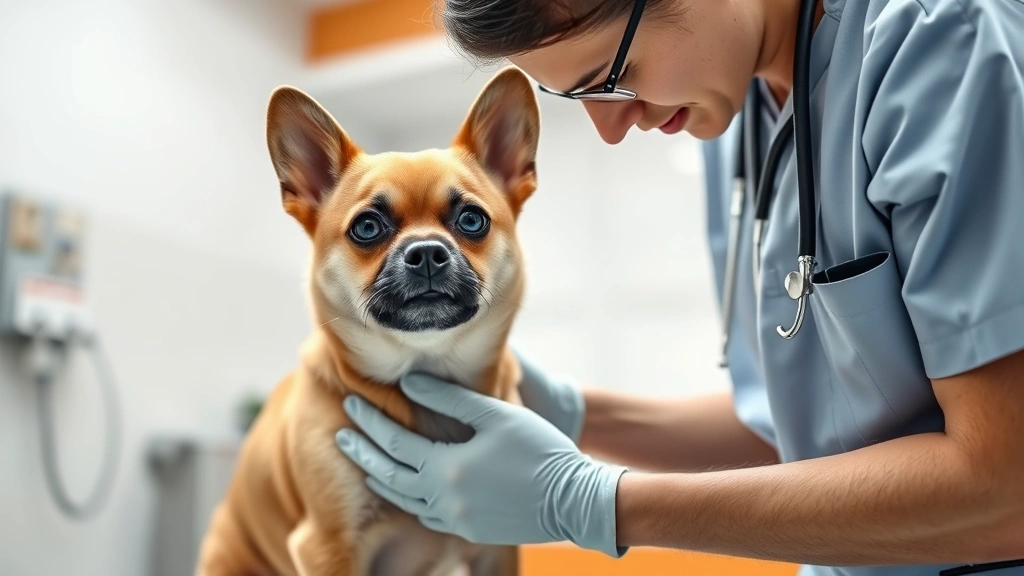
If you notice any combination of these symptoms and suspect eucalyptus exposure, don’t wait around hoping it’ll pass. Contact your veterinarian or emergency vet clinic immediately. Time matters with toxin exposure.
Eucalyptus Toxicity vs. Other Toxic Plants for Dogs
While eucalyptus is definitely on the no-go list, it’s helpful to understand how it compares to other common household toxins. Similar to harmful substances discussed in our guide on harmful foods for cats, many plants and substances affect both species. Chocolate, xylitol, grapes, and onions are actually more immediately dangerous in smaller quantities than eucalyptus, but that doesn’t mean eucalyptus gets a free pass.
Other toxic plants to watch out for include lilies (especially for cats), sago palm, oleander, and foxglove. The key is creating a pet-safe environment by being aware of what’s around you.

What to Do If Your Dog Eats or Is Exposed to Eucalyptus
Stay calm—panicking won’t help your pup. Here’s your action plan:
- Remove the source immediately if it’s still accessible
- Note the type of eucalyptus product (essential oil, plant material, topical cream) and how much you think was consumed
- Call your veterinarian or emergency vet clinic right away—don’t wait to see if symptoms develop
- Have the product packaging or ingredient list ready when you call
- Be honest about timing—when did the exposure happen?
- Follow your vet’s instructions exactly—they might recommend induced vomiting or activated charcoal depending on the situation
Your vet might recommend bringing your dog in for observation, especially if they ingested a significant amount. For guidance on managing reactions, check out our resource on online vet advice for food reactions.
Treatment Options Your Vet Might Recommend
There’s no specific antidote for eucalyptus toxicity, so treatment is supportive and symptomatic. Your veterinarian will focus on managing symptoms and helping your dog’s body eliminate the toxin. This might include:
- Induced vomiting—if caught early enough (usually within 2-4 hours)
- Activated charcoal—to bind toxins in the digestive system
- IV fluids—to support kidney and liver function
- Anti-nausea medications—if your dog is vomiting
- Pain management—if your dog is experiencing abdominal discomfort
- Monitoring—watching vital signs and bloodwork
Most dogs recover well with prompt treatment, but severe cases involving seizures or respiratory distress might require more intensive care. This is why calling your vet immediately is so important.
Prevention: The Best Medicine
Rather than dealing with a potential emergency, let’s talk prevention. Here’s how to keep your home safe for your dog:
- Ditch the eucalyptus diffuser—seriously, just get rid of it or only use it in rooms where your dog absolutely cannot access
- Store all essential oils securely—in a locked cabinet or high shelf
- Check product labels on anything you bring into your home
- Be cautious with topical products—if you use eucalyptus balm on yourself, wash your hands immediately
- Avoid eucalyptus-scented candles around your dog
- Tell guests about your dog’s safety needs—they might bring products you haven’t anticipated
- Research any new plants before bringing them home
Creating a pet-safe environment is part of responsible dog ownership, similar to maintaining proper pet dietary restrictions.
Safe Alternatives to Eucalyptus for Your Home
If you love the fresh, minty scent that eucalyptus provides, there are safe alternatives for your dog-friendly home:
- Peppermint (in moderation)—small amounts are generally safe, though concentrated oils should still be avoided
- Dog-safe essential oils—frankincense and cedarwood in proper dilutions
- Natural air fresheners—baking soda, vinegar, or activated charcoal
- Dog-safe candles—specifically formulated for pet homes
- Fresh flowers—roses, sunflowers, and zinnias are safe for dogs
The safest bet? Keep strong scents minimal and always prioritize your dog’s health over home fragrance. If you’re concerned about your dog’s overall wellness, including skin and coat health, our guide on skin and coat health foods offers nutritional support options.
When to Seek Emergency Care
Don’t hesitate to seek emergency veterinary care if your dog shows any of these signs after eucalyptus exposure:
- Severe vomiting or diarrhea
- Difficulty breathing or rapid breathing
- Seizures or loss of consciousness
- Inability to stand or severe lethargy
- Uncontrolled tremors
- Signs of extreme pain
Many emergency vet clinics are open 24/7 and have poison control specialists on staff. If you’re unsure whether your dog needs emergency care, call anyway—it’s always better to be safe. Your vet can also connect you with pet telehealth services for non-emergency questions during off-hours.
Frequently Asked Questions
Can dogs have eucalyptus oil on their skin?
No. Eucalyptus oil should never be applied to your dog’s skin, even in diluted forms. Dogs can absorb toxins through their skin, and they’ll likely lick it off anyway, leading to ingestion. Stick to veterinarian-approved topical products only.
Is eucalyptus essential oil dangerous if diffused in the home?
Yes, absolutely. Diffusing eucalyptus essential oil in your home exposes your dog to the toxin through inhalation and through contact with misted surfaces they might lick. If you must use eucalyptus oil, do it only in rooms where your dog has zero access, with doors firmly closed.
What about eucalyptus in cough drops or lozenges?
These should be kept completely away from dogs. Not only is the eucalyptus toxic, but many cough drops contain xylitol, which is extremely toxic to dogs. Keep all medications and medicated candies in secure locations.
How much eucalyptus is toxic to dogs?
There’s no safe amount. Even small quantities can cause symptoms in sensitive dogs or smaller breeds. The toxicity depends on the concentration, the dog’s size, and individual sensitivity. When in doubt, assume any amount is too much.
Can I use eucalyptus-scented shampoo on my dog?
Most commercial dog shampoos are formulated to be safe for topical use, but eucalyptus-scented products designed for human use absolutely should not be used on dogs. Stick to shampoos specifically labeled for dogs, and always check the ingredient list.
What’s the prognosis if my dog ingests eucalyptus?
Most dogs recover well with prompt veterinary treatment. The key is getting help quickly—don’t wait to see if symptoms develop. Dogs treated early typically have excellent outcomes with supportive care.
Final Thoughts: Keep Your Pup Safe
So, is eucalyptus safe for dogs? Absolutely not. But now you know exactly why, where to find it, what symptoms to watch for, and how to prevent exposure. Your dog depends on you to keep their environment safe, and avoiding eucalyptus is one of the easiest ways to do that.
Remove eucalyptus products from your home or secure them completely. Watch for symptoms if exposure happens. Call your vet immediately if you suspect your dog has eaten or been exposed to eucalyptus. And remember—when it comes to your dog’s health, there’s no such thing as overreacting.
Your furry friend is counting on you to keep them safe. You’ve got this!





