
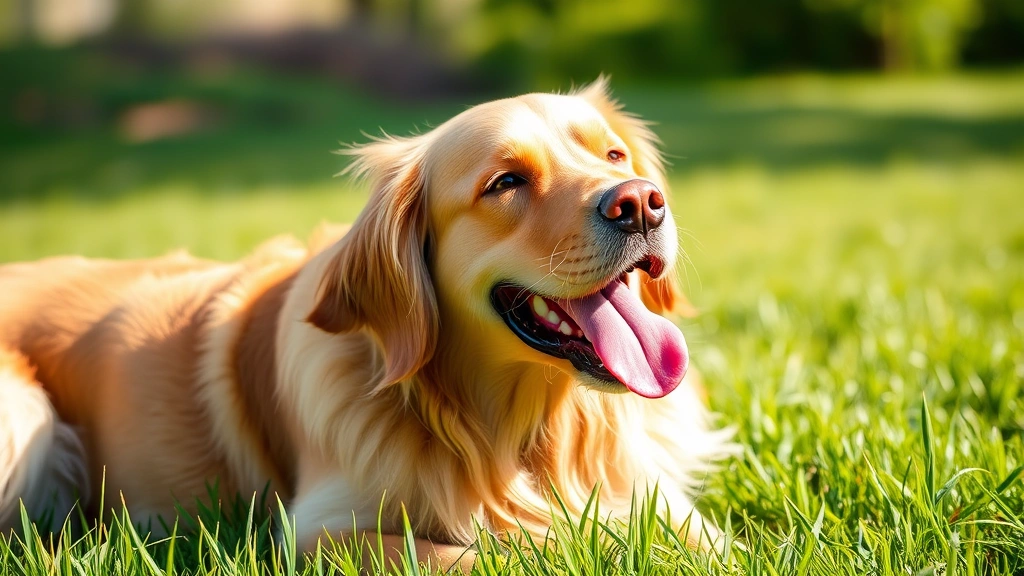
Is Excessive Drooling in Dogs an Emergency? What Vets Say
If you’ve ever wondered whether your dog’s drool puddles are just part of their charm or a sign of something serious, you’re not alone. Excessive drooling in dogs can range from completely normal to genuinely concerning, and knowing the difference could save your pup from serious health issues. The truth is, while some dogs are just natural slobber machines, sudden or excessive drooling can indicate anything from a simple dental problem to a medical emergency requiring immediate veterinary attention.
Your furry friend’s excessive drooling might seem like just another quirky dog behavior, but it’s worth paying attention to. As responsible pet parents, understanding when drool is harmless and when it signals trouble is crucial for keeping your dog healthy and happy. In this comprehensive guide, we’ll explore what vets say about excessive drooling, when it becomes an emergency, and what you should do if you notice your pup drooling more than usual.
Let’s dive into the facts and help you become an expert at reading your dog’s drool signals.
Normal vs. Excessive Drooling: Know the Difference
Before we panic about every drop of saliva, let’s establish what’s normal for dogs. All dogs drool to some degree—it’s a natural bodily function that helps with digestion and keeping their mouths moist. Some breeds are notorious droolers, including Bulldogs, Saint Bernards, Mastiffs, and Bloodhounds. These breeds have loose lips and are genetically predisposed to produce more saliva than others.
Normal drooling typically occurs during meals, when dogs are excited, or when they’re thinking about food. You might notice a little drool when your pup is playing fetch or when they see you heading toward the treat jar. This is completely normal and nothing to worry about. However, there’s a significant difference between the occasional drool string and excessive drooling that seems out of character for your dog.
Excessive drooling is when your dog suddenly starts producing abnormal amounts of saliva, leaves drool stains on furniture, or drools constantly throughout the day. If your dog isn’t typically a drooler but has recently started leaving puddles everywhere, that’s a red flag worth investigating. Changes in drooling patterns are often more telling than the drooling itself.
To understand what’s happening with your dog, it helps to know why dogs drool in the first place. Dogs use saliva for multiple purposes beyond just digestion, and disruptions to normal saliva production or swallowing can result in excessive drooling.
Common Causes of Excessive Drooling
Excessive drooling can stem from numerous causes, ranging from minor annoyances to serious health concerns. Understanding the potential culprits is the first step in determining whether you need to schedule a vet appointment or head to the emergency clinic.
Dental Disease: One of the most common reasons dogs drool excessively is dental disease. Tooth decay, gum infections, and loose teeth can all trigger increased salivation. Your dog’s mouth is trying to protect itself by producing extra saliva, but this often indicates significant discomfort and infection.
Foreign Objects: Sometimes dogs get something stuck between their teeth or lodged in their mouth. This could be a piece of bone, a splinter, grass, or even a piece of toy. The irritation causes excessive drooling as the dog attempts to dislodge the object.
Mouth Injuries: Cuts, ulcers, or burns inside the mouth will definitely cause excessive drooling. Dogs might injure their mouths by chewing on sharp objects, eating something too hot, or getting into fights with other animals.
Nausea: Just like humans, dogs drool more when they feel nauseous. This could be related to why your dog is throwing up or other gastrointestinal issues. Excessive drooling combined with vomiting warrants prompt veterinary evaluation.
Stress and Anxiety: Nervous dogs often drool more than usual. If your pup drools excessively during thunderstorms, car rides, or vet visits, anxiety might be the culprit.
Emergency Signs: When to Call the Vet Immediately
Not all excessive drooling requires emergency care, but certain situations absolutely do. If you notice any of these signs alongside excessive drooling, contact your veterinarian or emergency clinic right away.
- Difficulty swallowing: If your dog seems to be struggling to swallow or is pawing at their mouth, something might be obstructing their airway or throat.
- Labored breathing: Excessive drooling combined with difficulty breathing is a medical emergency. This could indicate why your dog is panting so much or a more serious respiratory issue.
- Inability to eat or drink: If your dog wants to eat but can’t, or if they’re dropping food from their mouth, something is definitely wrong.
- Excessive salivation with fever: Check how to tell if a dog has a fever and combine that knowledge with excessive drooling—this could indicate a serious infection.
- Bleeding from the mouth: Any blood mixed with drool is an emergency. This could mean internal injuries or severe dental disease.
- Facial swelling: Swelling around the face and mouth combined with drooling could indicate an allergic reaction or abscess.
- Behavioral changes: If your dog is acting confused, disoriented, or unusually aggressive alongside excessive drooling, neurological issues might be present.
- Sudden onset with other symptoms: If your dog suddenly starts drooling excessively and also shows signs of illness like lethargy, loss of appetite, or fever, seek veterinary care promptly.
Dental Problems and Drooling
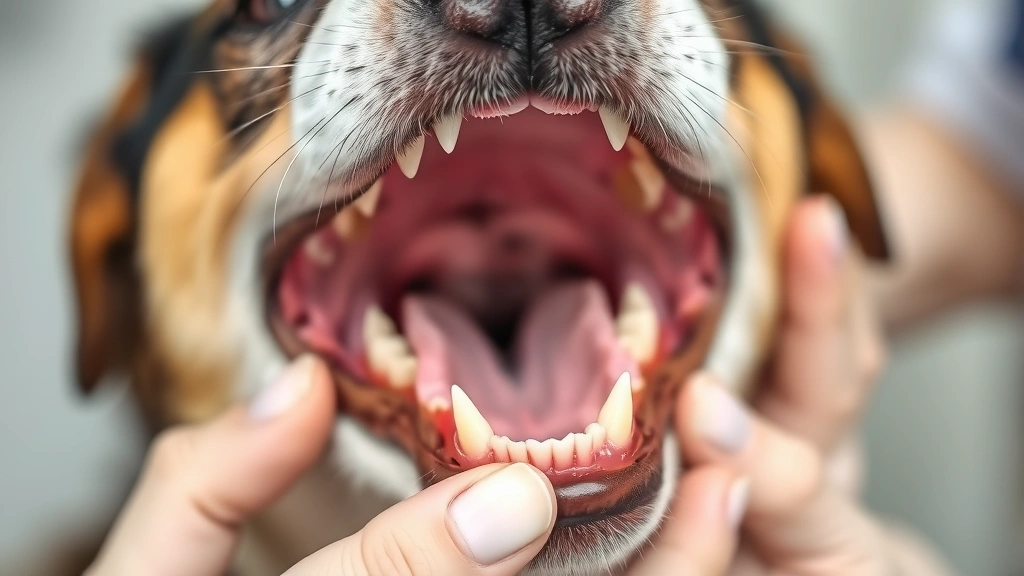
Dental disease is the leading cause of excessive drooling in dogs, and it’s far more common than many pet owners realize. According to the American Veterinary Medical Association, dental disease affects the majority of dogs over the age of three.
When bacteria accumulate on your dog’s teeth, they form plaque, which hardens into tartar. This buildup irritates the gums, causing inflammation and infection. As the infection progresses, it can lead to tooth loss, bone damage, and systemic infections that affect other organs. The excessive drooling is your dog’s body’s way of trying to manage the discomfort and fight off infection.
Signs of dental disease include:
- Bad breath that’s noticeably worse than usual
- Red or swollen gums
- Loose or missing teeth
- Pawing at the mouth
- Reluctance to eat hard food
- Excessive drooling or drool with blood
- Facial swelling
If you suspect your dog has dental disease, your veterinarian will likely recommend a professional cleaning. This procedure involves anesthesia and thorough cleaning above and below the gum line. While it might seem scary to put your dog under anesthesia, the benefits far outweigh the risks, and untreated dental disease can lead to serious complications.
Neurological Concerns Behind the Slobber
While less common than dental issues, neurological problems can cause excessive drooling. These conditions affect the nerves and brain regions responsible for swallowing and saliva production.
Seizures: Dogs experiencing seizures or recovering from them often drool excessively. If you notice your dog drooling heavily and acting confused or disoriented, they may have had a seizure.
Rabies: This is a serious concern. Excessive drooling, especially combined with behavioral changes, aggression, or hypersensitivity to light and sound, could indicate rabies. This is a medical emergency and a public health concern. If you suspect rabies, contact your veterinarian and local animal control immediately.
Facial Nerve Paralysis: Damage to the facial nerve can prevent proper swallowing and cause drooling. This might occur after ear infections, injuries, or as part of other neurological conditions.
Megaesophagus: This condition involves enlargement of the esophagus, making it difficult for dogs to swallow properly. Excessive drooling is often one of the first signs.
Neurological conditions require professional veterinary diagnosis through physical examination, sometimes neurological testing, and potentially imaging studies. If you suspect neurological issues, don’t delay—get your dog evaluated promptly.
Infections and Illnesses That Cause Drooling
Various infections and illnesses can trigger excessive drooling in dogs. Some of these are more serious than others, but all warrant veterinary attention.
Viral Infections: Conditions like whether dogs can get the flu often cause excessive drooling along with other symptoms. Viral infections can make your dog feel generally unwell, leading to increased salivation.
Oral Thrush: This fungal infection of the mouth causes excessive drooling, difficulty eating, and a white coating inside the mouth. It’s more common in dogs with compromised immune systems.
Tonsillitis: Inflammation of the tonsils from infection causes sore throat, difficulty swallowing, and excessive drooling.
Salivary Gland Infection: Dogs have salivary glands throughout their mouth and throat. Infection or inflammation of these glands can cause significant drooling and discomfort.
Lyme Disease: Transmitted by ticks, Lyme disease can cause various symptoms including excessive drooling in some cases.
For any infection-related drooling, your vet will perform diagnostic tests to identify the specific cause. Treatment varies depending on whether it’s bacterial, viral, or fungal, but prompt identification and treatment are essential.
Treatment Options and What to Expect
Treatment for excessive drooling depends entirely on the underlying cause. Your veterinarian will start with a thorough physical examination and may recommend additional diagnostic tests.
Dental Treatment: If dental disease is the culprit, professional cleaning is typically the first step. Your vet might also recommend extractions for severely damaged teeth and prescribe antibiotics if infection is present.
Medication: Depending on the cause, your dog might need antibiotics for bacterial infections, anti-nausea medication, or other pharmaceuticals to address the underlying issue.
Dietary Changes: For some conditions, switching to softer food or making other dietary adjustments can help manage drooling and improve comfort.
Surgical Intervention: In cases of foreign objects, severe injuries, or certain neurological conditions, surgery might be necessary.
Supportive Care: For dogs with conditions like megaesophagus, management might involve feeding them in an elevated position and keeping them upright after meals.
Your veterinarian will discuss the best treatment plan for your specific dog and explain what to expect during recovery. Always follow post-treatment care instructions carefully to ensure the best outcome.
Prevention Tips for Excessive Drooling
While you can’t prevent all causes of excessive drooling, you can take steps to reduce the risk of some common culprits.
- Maintain excellent dental hygiene: Brush your dog’s teeth daily if possible, or at least several times a week. Regular dental care is the single best way to prevent dental disease-related drooling.
- Schedule professional dental cleanings: Most vets recommend professional cleanings annually for adult dogs, though some dogs might need them more or less frequently depending on their individual risk.
- Provide appropriate chew toys: Give your dog safe chew toys that won’t splinter or cause injuries. Avoid bones, hard plastics, and other items that could damage teeth or cause mouth injuries.
- Monitor food and treats: Be mindful of what you’re feeding your dog. Avoid extremely hot food, hard treats that could crack teeth, and items that might lodge in their mouth.
- Regular vet check-ups: Annual wellness exams help catch dental disease and other health issues early, before they become serious.
- Keep vaccinations current: Staying current with vaccinations helps prevent certain viral infections that could cause drooling.
- Manage stress and anxiety: If your dog drools when anxious, work on reducing stressors and consider anxiety management strategies. You might explore why your dog licks you excessively, as this sometimes correlates with anxiety.
- Keep toxic items away: Prevent accidental poisoning or injuries by keeping dangerous items out of reach.
- Watch for early signs: Catching changes in drooling patterns early allows for prompt treatment before conditions become serious.
Prevention is always better than treatment, and maintaining your dog’s overall health significantly reduces the likelihood of excessive drooling issues.
Frequently Asked Questions
Is excessive drooling always a sign of a serious problem?
Not necessarily. While some causes of excessive drooling are serious, others are minor. However, any sudden change in drooling patterns warrants investigation. Some breeds naturally drool more, but if your individual dog’s drooling increases significantly, it’s worth getting checked out.
My dog drools when excited. Is that normal?
Yes, absolutely. Excitement-related drooling is completely normal and nothing to worry about. The key is whether this is normal for your specific dog or a new behavior.
Can anxiety cause excessive drooling?
Yes, anxiety and stress can definitely increase drooling. If you notice your dog drools more during stressful situations like thunderstorms or vet visits, anxiety is likely the cause. These situations typically don’t require emergency care, but managing your dog’s anxiety can help reduce the drooling.
How much does a professional dental cleaning cost?
Dental cleaning costs vary widely depending on your location, your veterinarian, and your dog’s individual needs. Prices typically range from $200 to $500, though some cases requiring extractions or additional treatment may cost more. Many vets offer payment plans or dental care packages to help manage costs.
What should I do if my dog suddenly starts drooling excessively?
First, observe your dog for any other symptoms. Check their mouth for obvious problems like lodged objects or injuries. Note when the drooling started and any other behavioral changes. If it persists for more than a few hours, or if it’s accompanied by other symptoms, contact your veterinarian. If your dog is having difficulty breathing or eating, seek emergency care immediately.
Can I treat excessive drooling at home?
Home treatment depends on the cause. For minor stress-related drooling, anxiety management might help. For dental disease or infections, professional veterinary treatment is necessary. Never attempt to treat serious conditions at home—this could allow the problem to worsen and cause your dog significant suffering.
Is drooling a sign that my dog needs to go to the bathroom?
Not typically. While some dogs might drool when they need to go outside, this isn’t a standard sign. Increased drooling is more commonly related to mouth discomfort, nausea, or other health issues rather than bathroom needs.
Do all dog breeds drool equally?
No, some breeds are predisposed to drool more than others. Breeds with loose lips and wrinkly faces, like Bulldogs, Saint Bernards, and Mastiffs, are naturally heavier droolers. However, within each breed, individual dogs vary. If your breed-typical drooler suddenly drools significantly more than usual, that’s worth investigating.
When should I go to the emergency vet instead of my regular vet?
Go to the emergency vet if your dog shows signs of distress like difficulty breathing, inability to swallow, facial swelling, bleeding from the mouth, or behavioral changes suggesting neurological issues. Also seek emergency care if the drooling started suddenly and is accompanied by other acute symptoms.
Can I prevent my dog from drooling?
You can’t prevent all drooling—it’s a natural bodily function. However, you can prevent excessive drooling caused by preventable conditions like dental disease through good dental hygiene and regular vet care. Managing anxiety can also reduce stress-related drooling.





