

Is false pregnancy in dogs dangerous? The short answer is: it can be, but most cases resolve without major complications if you know what you’re dealing with. False pregnancy, also called pseudopregnancy or phantom pregnancy, happens when your dog’s body goes through all the motions of pregnancy without actually carrying puppies. It’s weird, it’s uncomfortable for your pup, and it definitely needs attention—but don’t panic just yet.
Table of Contents
- What Exactly Is False Pregnancy in Dogs?
- Recognizing False Pregnancy Symptoms in Your Pup
- Is False Pregnancy Dangerous? Understanding the Real Risks
- Mastitis: The Complication You Should Watch For
- Behavioral Changes and Psychological Effects
- How Long Does False Pregnancy Last?
- Prevention: Spaying Is Your Best Defense
- Managing False Pregnancy at Home
- When to Call Your Vet About False Pregnancy
- Treatment Options Your Vet Might Suggest
- False Pregnancy vs. Real Pregnancy: How to Tell the Difference
- Long-Term Health Implications
- Supporting Your Dog Emotionally
- Breed Predisposition and Risk Factors
- Frequently Asked Questions
- The Bottom Line: Is False Pregnancy in Dogs Dangerous?
What Exactly Is False Pregnancy in Dogs?
False pregnancy occurs when a dog’s hormones convince her body she’s pregnant when she absolutely isn’t. After your dog’s heat cycle, her progesterone levels remain elevated for several weeks, mimicking what happens during an actual pregnancy. Her body starts preparing for motherhood—milk production kicks in, her belly might swell, and she might even start nesting like crazy. The whole thing is nature’s way of misfiring, and it’s surprisingly common in unspayed female dogs.
Recognizing False Pregnancy Symptoms in Your Pup
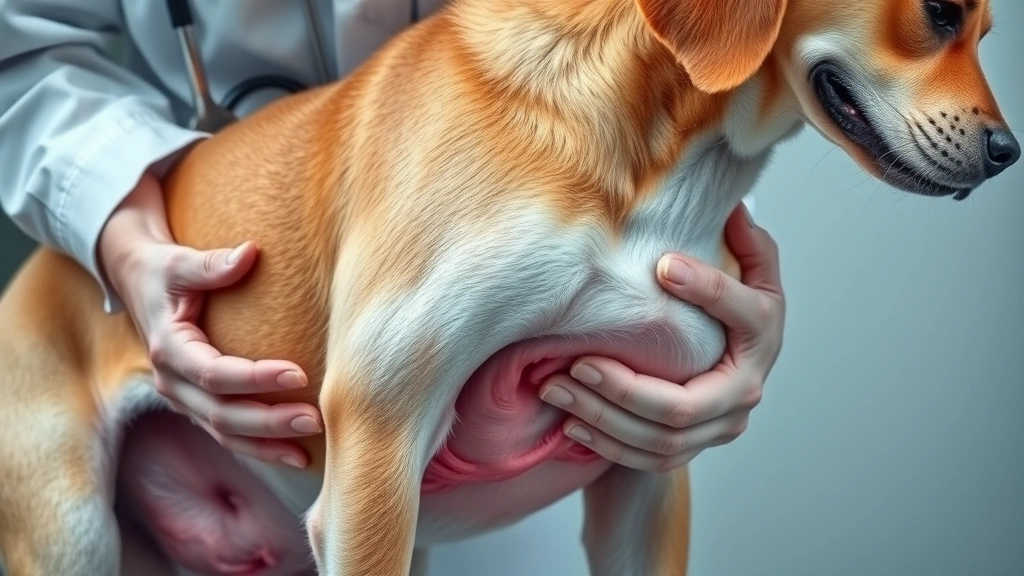
You’ll know something’s up when your dog starts acting like she’s expecting. Common false pregnancy symptoms include swollen mammary glands, milk production (yes, really), nesting behavior where she drags blankets and toys to create a den, loss of appetite, lethargy, and behavioral changes. Some dogs become anxious or clingy, while others get grumpy and withdrawn. A few even experience morning sickness-like symptoms. If you notice these signs after your dog’s heat cycle, false pregnancy is likely the culprit.

Is False Pregnancy Dangerous? Understanding the Real Risks
Here’s where we address the main concern: is false pregnancy in dogs dangerous? The condition itself isn’t immediately life-threatening, but complications can develop. The biggest risk is mastitis—a bacterial infection of the mammary glands that causes inflammation, pain, and potentially serious systemic infection if left untreated. Your dog might also develop behavioral problems or anxiety that linger longer than the physical symptoms. In rare cases, repeated false pregnancies can contribute to reproductive health issues down the road.
Mastitis: The Complication You Should Watch For
Mastitis is the heavyweight champion of false pregnancy complications. When milk sits in the mammary glands without being nursed away, bacteria can move in and throw a party. You’ll notice hard, swollen, warm, or discolored teats; your dog might run a fever or act lethargic; and she might refuse to eat. This isn’t something to handle with home remedies—mastitis requires antibiotics and veterinary care. If you spot these signs, call your vet immediately rather than waiting it out.

Behavioral Changes and Psychological Effects
Beyond the physical stuff, false pregnancy can mess with your dog’s head. Some dogs become obsessively protective of toys or blankets they’ve designated as “puppies,” refusing to let anyone near them. Others develop separation anxiety or aggression. These behavioral shifts usually fade once hormones normalize, but they can be stressful for both dog and owner. In some cases, the anxiety lingers, especially if your dog experiences multiple false pregnancies. This is where online vet advice can help you identify whether behavioral support is needed.
How Long Does False Pregnancy Last?
Most false pregnancies resolve within two to three weeks as hormone levels drop back to normal. However, some stubborn cases can drag on for six to eight weeks. During this time, your dog’s symptoms might fluctuate—some days she’ll seem almost normal, other days she’ll be full-on nesting mode. The duration depends on your individual dog’s hormonal makeup and how her body responds to the hormonal shifts.

Prevention: Spaying Is Your Best Defense
The most effective way to prevent false pregnancy is spaying your dog before her first heat cycle. Spaying eliminates the hormonal rollercoaster that triggers pseudopregnancy in the first place. If your dog has already experienced false pregnancy, spaying afterward prevents future episodes and eliminates the risk of ovarian and uterine cancers. It’s not just about preventing false pregnancy—it’s comprehensive reproductive health management. Talk to your vet about the best timing for your dog’s spay surgery.
Managing False Pregnancy at Home
While your dog’s going through a false pregnancy, you can make her more comfortable. Avoid excessive petting of her mammary glands, which can stimulate milk production further. Don’t encourage nesting behavior by providing lots of blankets and toys—instead, redirect her to normal activities like walks and play. Consider using anti-inflammatory foods for pets to support her overall wellness during this hormonal upheaval. Keep her cool and comfortable, and monitor her closely for any signs of infection.

When to Call Your Vet About False Pregnancy
Contact your veterinarian if your dog shows signs of mastitis, refuses to eat for more than a day or two, runs a fever, seems depressed or anxious for extended periods, or if the false pregnancy symptoms persist beyond eight weeks. Your vet might recommend hormone treatments to speed up resolution, antibiotics if infection develops, or behavioral support strategies. Don’t wait around hoping it’ll pass if something seems seriously wrong—false pregnancy complications can escalate quickly.
Treatment Options Your Vet Might Suggest
Veterinarians have several tools to manage false pregnancy. Hormone treatments like cabergoline can suppress prolactin and speed up symptom resolution. In some cases, anti-anxiety medications help manage behavioral symptoms. Antibiotics are essential if mastitis develops. Your vet might also recommend dietary adjustments—reducing calorie intake slightly can help reduce milk production. The specific treatment plan depends on your dog’s symptoms, severity, and overall health status.

False Pregnancy vs. Real Pregnancy: How to Tell the Difference
Confused about whether your dog’s actually pregnant or just having a false pregnancy scare? Your vet can confirm with an ultrasound or X-rays, which will show whether there are actual puppies on board. Bloodwork can also measure progesterone levels. Don’t try to guess—false pregnancy can look incredibly convincing, and you need professional confirmation to know whether you’re actually expecting puppies or dealing with a hormonal hiccup.
Long-Term Health Implications
Repeated false pregnancies might seem harmless, but they can increase your dog’s risk of developing pyometra (a life-threatening uterine infection) and mammary tumors later in life. This is yet another reason why spaying is such a smart move—it eliminates these risks entirely. If your dog has had multiple false pregnancies, discuss long-term reproductive health strategies with your vet. Some conditions require preventive action rather than just reactive treatment.

Supporting Your Dog Emotionally
Your dog’s going through something confusing and uncomfortable. She needs reassurance and stability during false pregnancy. Maintain her normal routine, keep exercise moderate (avoid strenuous activity that might aggravate mammary tissue), and provide calm, consistent attention. Don’t make a huge fuss over her symptoms, which can reinforce anxious behaviors. If behavioral issues develop, consult with your vet about whether professional behavioral training might help. In serious cases, telehealth advice for pet poisoning services can connect you with specialists who can help assess whether medications or additional support is needed.
Breed Predisposition and Risk Factors
Some breeds seem more prone to false pregnancy than others, though any unspayed female dog can experience it. Certain breeds have stronger maternal instincts, which might make false pregnancy symptoms more pronounced. Age also plays a role—false pregnancy is more common in dogs between two and ten years old. If you have a breed known for strong maternal instincts or if your dog has experienced false pregnancy before, be extra vigilant about recognizing early symptoms.

Frequently Asked Questions
Can false pregnancy harm my dog’s future ability to have real puppies?
False pregnancy itself doesn’t damage your dog’s reproductive system. However, repeated false pregnancies increase the risk of serious conditions like pyometra and mammary tumors. If you plan to breed your dog, discuss false pregnancy history with your vet to ensure her reproductive health is solid.
Is false pregnancy painful for dogs?
False pregnancy can be uncomfortable, especially if mammary glands become engorged or infected. The hormonal changes might also cause mood swings and anxiety. It’s not typically described as painful in the way an injury is, but it’s definitely an unpleasant experience for your pup.
Can I give my dog anything to stop false pregnancy faster?
Don’t self-treat with supplements or home remedies without vet approval. Your veterinarian can prescribe medications like cabergoline that safely speed up symptom resolution. Some vets recommend dietary adjustments, but these should be discussed with your vet first.
Will my dog have false pregnancy every heat cycle?
Not necessarily. Some dogs experience it once and never again, while others have it repeatedly. The pattern varies by individual. If your dog has had one false pregnancy, there’s a reasonable chance she’ll have another, which is why spaying becomes an even more attractive option.

Is false pregnancy contagious to other dogs?
Absolutely not. False pregnancy is a hormonal condition specific to your individual dog. It won’t spread to other dogs in your household or anywhere else.
Can a dog have false pregnancy without going into heat first?
False pregnancy occurs after the heat cycle, during the luteal phase when progesterone levels remain elevated. You won’t see false pregnancy symptoms without a preceding heat cycle.

The Bottom Line: Is False Pregnancy in Dogs Dangerous?
Is false pregnancy in dogs dangerous? It’s not an emergency in most cases, but it requires attention and monitoring. The condition itself usually resolves within a few weeks, but complications like mastitis can develop and demand immediate veterinary care. Behavioral changes might linger longer than physical symptoms, affecting your dog’s quality of life. The best approach is prevention through spaying, which eliminates false pregnancy entirely while protecting against serious reproductive cancers. If your dog is currently experiencing false pregnancy, watch closely for signs of infection, maintain her comfort, and contact your vet if symptoms persist or worsen. For unspayed dogs, understanding false pregnancy helps you recognize symptoms early and seek treatment before complications develop. Your vet is your best resource for managing this condition and planning long-term reproductive health strategies. With proper care and attention, most dogs navigate false pregnancy without serious lasting effects—but prevention through spaying remains the gold standard for protecting your dog’s health.
For additional health concerns and professional guidance, don’t hesitate to reach out to pet poison hotline services or your veterinarian when you need expert advice.





