

So, is fresh pet good for dogs? That’s the million-dollar question every dog parent asks while standing in the pet food aisle, wondering if they should splurge on those fancy refrigerated meals or stick with the kibble they’ve been buying for years. Let me cut to the chase: Fresh Pet has become a legitimate player in the premium dog food market, and for good reason. But like any pet food choice, it’s not a one-size-fits-all solution.
Table of Contents
- What Exactly Is Fresh Pet Dog Food?
- Understanding Canine Nutrition and Fresh Pet Ingredients
- The Pros: Why Dogs Love Fresh Pet
- The Cons: The Reality Check You Need
- Digestive Health and Fresh Pet Performance
- Comparing Fresh Pet to Other Premium Brands
- Fresh Pet and Skin and Coat Health
- Is Fresh Pet Safe? Addressing Safety Concerns
- Fresh Pet for Different Life Stages and Health Conditions
- Cost-Benefit Analysis: Is Fresh Pet Worth It?
- Frequently Asked Questions
- The Bottom Line: Is Fresh Pet Good for Dogs?
What Exactly Is Fresh Pet Dog Food?
Fresh Pet isn’t your grandmother’s canned dog food. It’s a brand that specializes in refrigerated, minimally processed meals designed to mimic what dogs would naturally eat. Think of it as the “farm-to-table” movement but for your furry best friend. The company uses USDA-grade ingredients and skip the artificial preservatives, colors, and flavors that give traditional kibble that suspicious shelf-stability.
The Fresh Pet lineup includes various products like Fresh Pet Select, Fresh Pet Vital, and Fresh Pet Homestyle Meals. Each formulation targets different nutritional needs and taste preferences. Some dogs go absolutely bonkers for it, while others might turn their nose up. It’s all about finding what works for your individual pup.
Understanding Canine Nutrition and Fresh Pet Ingredients
Before diving into whether Fresh Pet is good for your dog, let’s talk about what dogs actually need nutritionally. Dogs are facultative carnivores, meaning they can thrive on a diet that includes both meat and plant-based ingredients. According to the Association of American Feed Control Officials (AAFCO), dog foods must meet specific nutritional standards.
Fresh Pet uses real meat as the first ingredient—usually chicken, beef, or turkey. They include vegetables, grains, and other whole foods. The absence of rendered meals, artificial preservatives, and mystery meat by-products is what separates them from budget-friendly alternatives. However, “natural” and “fresh” don’t automatically mean “nutritionally superior.” It’s about the complete nutritional profile, not just the ingredient list.
For more insight into what your dog actually needs, check out our Pet Nutrition Advice guide.
The Pros: Why Dogs Love Fresh Pet
Let’s be honest—most dogs will enthusiastically eat Fresh Pet. The palatability factor is real. Because it’s refrigerated and made with whole ingredients, it smells and tastes more like actual food than kibble does. If you’ve got a picky eater, Fresh Pet might be the solution you’ve been searching for.
The ingredient quality is genuinely impressive. No corn syrup, no artificial colors, no BHA or BHT preservatives. For dogs with sensitive stomachs or allergies, this can make a real difference. Many dog owners report shinier coats, better digestion, and more stable energy levels after switching to Fresh Pet.
Additionally, the brand maintains rigorous quality control standards and conducts regular testing. This transparency is something you don’t always get from larger pet food corporations. They’re also responsive to recalls when needed, which speaks to their commitment to safety.
The Cons: The Reality Check You Need
Here’s where we get real: Fresh Pet is expensive. We’re talking 2-3 times the cost of premium kibble. For a 50-pound dog eating Fresh Pet exclusively, you could easily spend $300-400 monthly. That’s a serious commitment to your pet’s diet.
Storage is another consideration. Because Fresh Pet lacks artificial preservatives, it requires refrigeration and has a shorter shelf life than traditional kibble. This can be inconvenient if you travel frequently or live in a small apartment. Speaking of travel, check out our article on Pet Food Safety During Travel for tips on managing fresh foods on the go.
There’s also the transition factor. Some dogs experience digestive upset when switching to Fresh Pet, especially if they’ve been on kibble their entire lives. A gradual transition over 7-10 days is essential.
Digestive Health and Fresh Pet Performance
One of the biggest selling points of fresh pet dog food is improved digestive health. Because the ingredients are whole and minimally processed, they’re often easier for dogs to digest. This means better nutrient absorption and, frankly, less unpleasant surprises in your backyard.
Dogs with sensitive stomachs often see remarkable improvements on Fresh Pet. The lack of fillers, artificial additives, and low-quality protein sources means their digestive system doesn’t have to work overtime. However, this doesn’t mean Fresh Pet is a cure-all for inflammatory bowel disease or other serious digestive conditions.
If your dog has specific allergies, Fresh Pet does offer limited ingredient options. For more information on managing allergies through diet, our guide on Human Foods for Pets with Food Allergies provides additional strategies.
Comparing Fresh Pet to Other Premium Brands
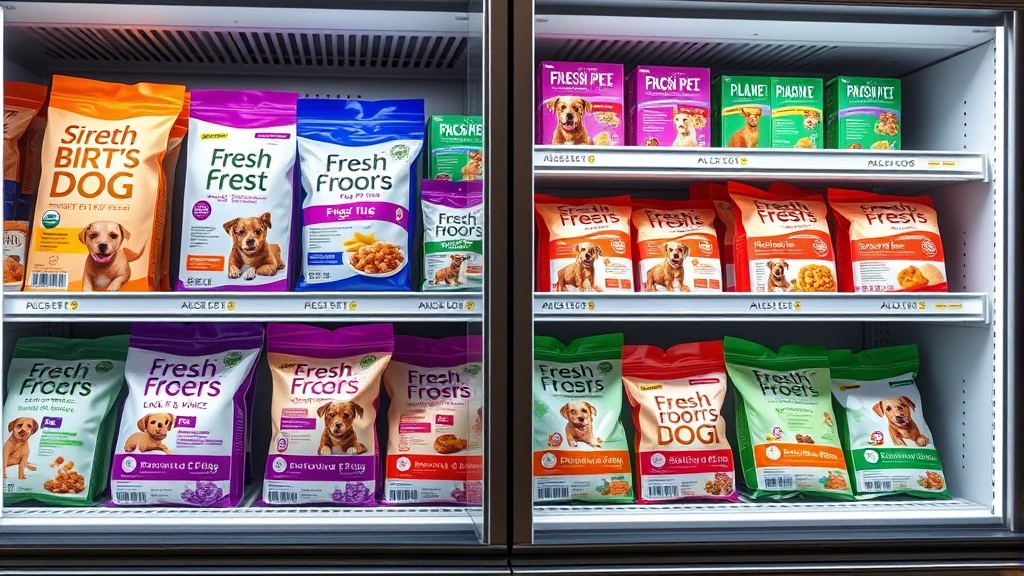
The premium dog food market is crowded. You’ve got Nom Nom, The Farmer’s Dog, Ollie, and countless others competing for your dollars. Fresh Pet stands out because it’s available in regular pet stores, not just through subscription services. This accessibility is huge for consumers who want to try it without committing to a subscription.
Price-wise, Fresh Pet is generally more affordable than subscription fresh food delivery services, though more expensive than premium kibble brands like Orijen or Acana. Quality-wise, they’re comparable, though some competitors might have slightly higher protein percentages.
The real differentiator is convenience. You can grab Fresh Pet during your weekly grocery run. No waiting for deliveries, no subscription commitments. For busy dog parents, this is a game-changer.
Fresh Pet and Skin and Coat Health
A shiny coat and healthy skin are often the first signs that a dog is thriving on their food. Fresh Pet’s whole-food ingredients, including omega-3 and omega-6 fatty acids, contribute to better skin and coat quality. Many owners report their dogs’ coats looking noticeably healthier within 4-6 weeks of switching to Fresh Pet.
The inclusion of real meat and vegetables provides bioavailable nutrients that processed kibble simply can’t match. If you’re concerned about your dog’s coat quality, explore our comprehensive article on Skin and Coat Health Foods.
Is Fresh Pet Safe? Addressing Safety Concerns
Fresh Pet has had recalls, like most pet food companies. However, their response to recalls has been swift and transparent. They maintain USDA inspection standards and conduct regular quality testing. According to PetMD, Fresh Pet maintains good safety records compared to industry standards.
The main safety consideration with fresh foods is proper storage and handling. Keep Fresh Pet refrigerated, follow expiration dates, and don’t leave it sitting in your dog’s bowl for extended periods. Treat it like you would human food—because it basically is human food.
Fresh Pet for Different Life Stages and Health Conditions
Fresh Pet offers formulations for puppies, adult dogs, and senior dogs. Each is designed with age-appropriate nutritional profiles. For puppies, they provide higher calories and calcium for growth. For seniors, they might include joint-supporting ingredients.
Dogs with specific health conditions—like kidney disease or diabetes—might benefit from Fresh Pet’s whole-food approach, but you should absolutely consult your veterinarian before making dietary changes. Some conditions require prescription diets that Fresh Pet doesn’t offer.
Cost-Benefit Analysis: Is Fresh Pet Worth It?
Here’s the honest breakdown: Fresh Pet is worth it if you can afford it and your dog thrives on it. If your dog is healthy on kibble and you’re budget-conscious, there’s no shame in sticking with a quality premium kibble brand.

However, if your dog has digestive issues, allergies, or you simply want to provide the highest quality nutrition possible, Fresh Pet’s benefits often justify the cost. Think of it as preventative healthcare—potentially avoiding expensive vet bills down the road.
For budget-friendly alternatives, our article on Safe Human Snacks for Pets explores supplementing commercial diets with whole foods. And if you’re concerned about harmful ingredients, check out our guide on Harmful Foods for Dogs.
Frequently Asked Questions
Can I feed my dog Fresh Pet exclusively?
Yes, Fresh Pet is nutritionally complete and balanced for daily feeding. However, introduce it gradually to avoid digestive upset, and monitor your individual dog’s response.
How long does Fresh Pet last once opened?
Most Fresh Pet products last 4-5 days in the refrigerator once opened. Always check the package for specific guidelines and expiration dates.
Is Fresh Pet good for dogs with pancreatitis?
Fresh Pet’s lower fat options might be suitable, but pancreatitis requires veterinary guidance. Consult your vet before switching foods for a dog with this condition.
Can I mix Fresh Pet with kibble?
Absolutely! Many dog owners use Fresh Pet as a topper for kibble, which stretches the budget while still providing whole-food benefits.
Does Fresh Pet cause weight gain?
Fresh Pet isn’t inherently fattening, but portion control matters. Because it’s more nutrient-dense than kibble, you might need to feed less volume to maintain weight.
Are there grain-free Fresh Pet options?
Yes, Fresh Pet offers grain-free formulations for dogs with grain sensitivities, though grain-free diets remain somewhat controversial in veterinary nutrition.
The Bottom Line: Is Fresh Pet Good for Dogs?
So, circling back to our original question: is fresh pet good for dogs? The answer is yes, but with important caveats. Fresh Pet is a genuinely high-quality dog food option made with whole, minimally processed ingredients. Most dogs thrive on it, enjoying better digestion, healthier coats, and genuine enthusiasm for mealtime.
The trade-offs are cost and convenience. It’s not the cheapest option, and it requires refrigeration. But if you’re looking for a premium fresh food option that’s accessible, widely available, and backed by solid quality standards, Fresh Pet delivers.
The best dog food is ultimately the one your individual dog thrives on. Some dogs do great on Fresh Pet, while others do perfectly fine on quality kibble. Your veterinarian is your best resource for determining what’s right for your specific dog’s age, health status, and nutritional needs.
Fresh Pet isn’t a miracle cure or necessary for every dog’s health. But for dog parents who want to provide premium nutrition and can afford it, Fresh Pet is a legitimate, science-backed choice that delivers on its promises. Your dog’s individual response will be your best indicator of whether it’s the right fit for your household.





