

Is Gingerbread Bad for Dogs? Safety Tips Every Pet Parent Should Know
The holiday season brings cozy vibes, twinkling lights, and the unmistakable aroma of gingerbread wafting through our homes. While we humans can’t resist reaching for a warm gingerbread cookie, our four-legged friends might be eyeing those treats with equal enthusiasm. But here’s the thing: what tastes like holiday magic to us could spell trouble for our beloved canine companions. So, is gingerbread bad for dogs? The answer is more nuanced than a simple yes or no, and it’s absolutely worth exploring before your pup gets their paws on your festive baking.
The truth is, gingerbread exists in a gray zone when it comes to dog safety. Some ingredients commonly found in gingerbread treats are perfectly fine for dogs, while others can range from mildly problematic to downright dangerous. The key to keeping your furry friend safe during the holidays is understanding exactly what’s in that gingerbread and knowing which components pose genuine risks. Let’s break down everything you need to know about gingerbread and dogs, so you can make informed decisions about what your pup can safely enjoy.
Whether you’re baking homemade gingerbread from scratch or purchasing store-bought versions, this comprehensive guide will help you navigate the holiday season without compromising your dog’s health and happiness. We’ll explore the ingredients, identify potential hazards, and share practical tips for keeping your four-legged family member safe while you indulge in seasonal treats.
Understanding Gingerbread Ingredients
Before we can determine whether gingerbread is safe for dogs, we need to understand what actually goes into this beloved holiday treat. Traditional gingerbread recipes typically include flour, sugar, butter, eggs, molasses, and a blend of spices that give gingerbread its distinctive flavor profile. The spice mixture usually contains ginger, cinnamon, cloves, and nutmeg—ingredients that have been used in holiday baking for centuries.
The base ingredients like flour and eggs are generally harmless to dogs in small quantities. However, the sugar content in gingerbread is quite high, which can contribute to obesity, dental problems, and even pancreatitis in dogs. This is particularly concerning for smaller breeds or dogs with pre-existing health conditions. Additionally, many store-bought gingerbread products contain artificial sweeteners, preservatives, and other additives that may not be ideal for your pup’s digestive system.
When you’re examining whether dogs can eat gingerbread, it’s essential to look at the complete ingredient list rather than just assuming all gingerbread treats are created equal. Homemade versions give you control over what goes into the recipe, while commercial products often contain hidden ingredients that might concern pet owners.
The spices themselves deserve special attention. While ginger for dogs is actually considered safe and even beneficial in appropriate amounts, some of the other spices commonly paired with ginger in gingerbread recipes require more caution. Understanding each spice’s impact on your dog’s health is crucial for making the right decision about whether to share your gingerbread with your furry friend.
Toxic and Dangerous Ingredients for Dogs
Now let’s talk about the serious stuff—ingredients that can actually harm your dog. This is where gingerbread moves from being a questionable treat to a potential hazard, depending on the recipe and preparation method.
Chocolate: If your gingerbread contains chocolate (and many gourmet versions do), this is a major red flag. Why dogs can’t have chocolate relates to a compound called theobromine, which is toxic to canines. Dark chocolate and baking chocolate are particularly dangerous, though even milk chocolate can cause problems in sufficient quantities.
**Xylitol:** This artificial sweetener is increasingly common in sugar-free gingerbread products and is extremely toxic to dogs. Even small amounts can cause severe hypoglycemia (low blood sugar), leading to seizures, liver failure, and potentially death. If you’re purchasing any gingerbread product marketed as sugar-free or low-sugar, checking for xylitol is absolutely essential.
Macadamia Nuts: Some gingerbread recipes include nuts, and macadamia nuts are toxic to dogs. They can cause weakness, depression, vomiting, and tremors. Even if the gingerbread doesn’t contain macadamia nuts, it might contain other nuts that could pose choking hazards or digestive issues.
Raisins and Grapes: While less common in traditional gingerbread, some recipes incorporate these ingredients. Both grapes and raisins are toxic to dogs and can cause kidney failure. Always check ingredient lists carefully, as these might appear in unexpected places.
High Sugar and Fat Content: Beyond specific toxic ingredients, the sheer amount of sugar and fat in gingerbread can cause significant problems. Pancreatitis, a potentially life-threatening inflammation of the pancreas, can be triggered by high-fat foods. Obesity is another serious concern, as it contributes to numerous health problems in dogs.
Spices in Excess: While small amounts of cinnamon and ginger are generally safe, consuming large quantities can cause digestive upset. Nutmeg, in particular, should be avoided as it can cause neurological issues in dogs at high concentrations.
Understanding these dangerous ingredients helps explain why dogs shouldn’t eat cake and other sugary treats without careful consideration. The same principles apply to gingerbread and other holiday baked goods.
Safe Gingerbread Alternatives for Dogs
The good news is that you don’t have to completely exclude your dog from holiday treat time. There are several safe alternatives and modifications you can make to ensure your pup gets to enjoy the festive season.
Dog-Friendly Gingerbread Treats: Consider baking gingerbread specifically formulated for dogs. These recipes use dog-safe ingredients like whole wheat flour, unsweetened applesauce instead of sugar, and appropriate spice levels. Many pet-friendly recipes are available online and can be just as delicious for your pup as traditional gingerbread is for humans.
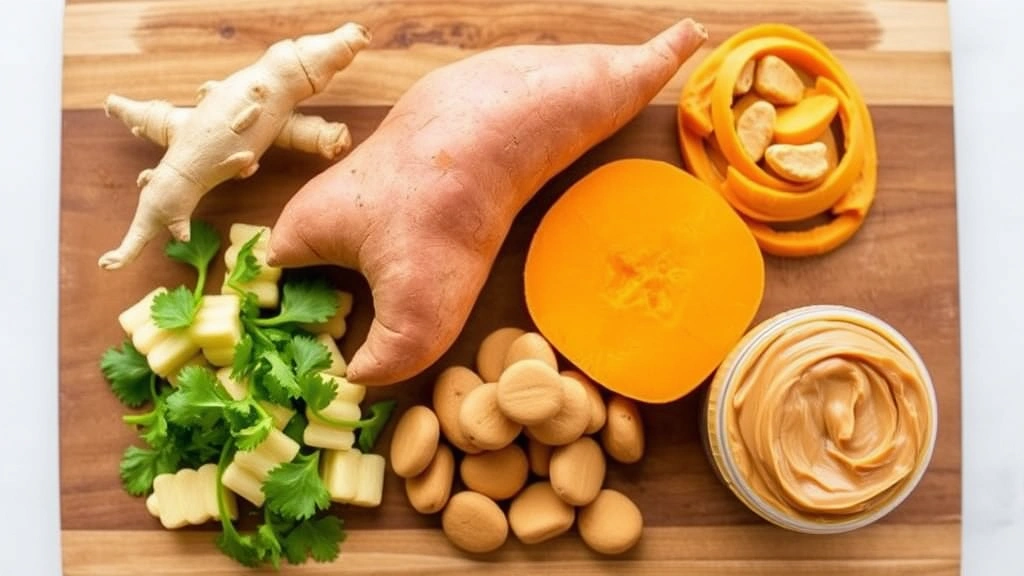
Plain Ginger: Fresh ginger root, in small amounts, is actually beneficial for dogs and can help with digestion and nausea. You can offer your dog a small piece of fresh ginger as a treat, or incorporate it into homemade dog treats. This captures the essence of the gingerbread flavor your dog might be curious about, without the problematic ingredients.
Other Holiday-Themed Dog Treats: Peanut butter, pumpkin, and sweet potato are all dog-safe ingredients that can be shaped into fun holiday treats. You can create festive gingerbread-shaped cookies using dog-safe ingredients that will make your pup feel included in the holiday celebrations.
Commercial Dog Treats: Many pet supply companies now offer holiday-themed treats specifically designed for dogs. These are formulated to be nutritionally appropriate and free from harmful ingredients. Look for products with recognizable ingredients and check for any potential allergens your dog might have.

Portion Control with Safe Ingredients: If you want to give your dog a tiny taste of your gingerbread, ensure it doesn’t contain chocolate, xylitol, macadamia nuts, raisins, or grapes. Even then, limit it to a very small piece and consider it part of their daily caloric intake. Remember that treats should comprise no more than 10% of your dog’s daily calories.
The key to including your dog in holiday festivities is creativity and planning. By preparing dog-safe alternatives in advance, you ensure your pup won’t feel left out while you enjoy your gingerbread cookies.
What to Do If Your Dog Eats Gingerbread
Despite our best efforts, sometimes dogs manage to sneak a bite (or more) of something they shouldn’t. If your dog has consumed gingerbread, here’s what you need to do.
Step 1: Identify What They Ate
First, determine exactly what your dog consumed. Was it homemade or store-bought? Do you know the ingredients? How much did they eat? This information is crucial for your veterinarian to assess the risk level accurately.
Step 2: Check for Dangerous Ingredients
Immediately check the ingredient list for chocolate, xylitol, macadamia nuts, grapes, and raisins. If any of these are present, contact your veterinarian or an animal poison control center right away. What to do if your dog eats chocolate provides specific guidance for that scenario, but the principle applies to other toxic ingredients as well.
Step 3: Monitor for Symptoms
Watch your dog closely for signs of distress or illness. Symptoms of gingerbread toxicity or digestive upset can include vomiting, diarrhea, lethargy, loss of appetite, abdominal pain, tremors, or seizures. The severity and timing of symptoms depend on what ingredient caused the problem and how much was consumed.
Step 4: Contact Your Veterinarian
When in doubt, call your veterinarian. They can provide guidance based on your dog’s size, health status, and what was consumed. For after-hours emergencies, contact an emergency veterinary clinic or the ASPCA Animal Poison Control Center at (888) 426-4435.
Step 5: Follow Professional Advice
Your veterinarian might recommend observation at home, induced vomiting, activated charcoal, or emergency treatment depending on the situation. Follow their guidance precisely, as prompt treatment can make a significant difference in outcomes.
Having this action plan in place before the holidays means you can respond quickly and effectively if your dog does get into gingerbread or other problematic foods.
Prevention Tips for the Holiday Season
The best approach to keeping your dog safe during the holidays is prevention. Here are practical strategies to minimize the risk of your dog consuming dangerous gingerbread or other holiday treats.
Store Treats Securely
Keep all gingerbread, cookies, and holiday treats stored in secure containers that your dog cannot access. This includes items on countertops, tables, and in bags. Dogs are surprisingly resourceful when motivated by the smell of delicious food, so secure storage is essential.
Educate Family Members
Make sure everyone in your household and visiting guests understands the rules about feeding your dog. Children, in particular, might not realize that sharing their gingerbread cookie with the family dog is dangerous. Set clear boundaries and explain why certain foods are off-limits.
Create Dog-Friendly Alternatives
Prepare special treats for your dog in advance so they have something festive to enjoy when everyone else is eating gingerbread. Having these ready means your pup won’t feel deprived, and you won’t be tempted to share your treats.
Supervise Closely
During holiday gatherings, keep a close eye on your dog. Guests might unknowingly drop food, or your dog might find discarded crumbs. Increased vigilance during parties and celebrations can prevent accidental consumption.
Establish a Safe Space
Consider creating a quiet, comfortable space where your dog can retreat during holiday festivities. This reduces stress for your pup and limits their exposure to food-related temptations.
Know Your Ingredients
If you’re baking gingerbread or other treats, maintain a clear list of ingredients. This makes it easier to quickly assess risk if your dog does consume something, and it helps you make informed decisions about what’s safe to give your dog.
Consult Your Veterinarian
Before the holiday season kicks into high gear, have a conversation with your veterinarian about your dog’s specific health needs and any dietary restrictions. They can provide personalized guidance based on your dog’s age, weight, and health status.
Frequently Asked Questions
Can dogs eat plain gingerbread without any added ingredients?
Even plain gingerbread can be problematic due to its high sugar content and the spices it contains. While a tiny taste of plain gingerbread is unlikely to cause serious harm to a healthy adult dog, it’s not recommended. The sugar can contribute to obesity and dental problems, and the spices might cause digestive upset. It’s better to offer dog-safe alternatives.
Is ginger safe for dogs?
Yes, ginger is actually safe for dogs and can be beneficial in appropriate amounts. Dogs can eat ginger, and it may help with nausea and digestion. However, the amount of ginger in gingerbread is typically minimal, and the other ingredients make gingerbread an unsuitable treat. Fresh ginger root in small pieces is a better option if you want to give your dog the benefits of ginger.
What if my dog ate a small piece of gingerbread?
A tiny piece of gingerbread without dangerous ingredients is unlikely to cause serious harm, but monitor your dog for any signs of digestive upset like vomiting or diarrhea. If the gingerbread contained chocolate, xylitol, macadamia nuts, grapes, or raisins, contact your veterinarian immediately regardless of the amount consumed.
Are store-bought gingerbread treats safer than homemade ones?
Not necessarily. Store-bought versions might contain artificial sweeteners like xylitol, which are extremely toxic to dogs. Homemade gingerbread where you control the ingredients is potentially safer, provided you avoid toxic ingredients. Always check labels carefully regardless of the source.
Can I give my dog gingerbread as part of their regular diet?
No, gingerbread should not be part of your dog’s regular diet. It’s high in sugar and fat, which can lead to obesity, pancreatitis, and other health problems. Dogs have different nutritional needs than humans, and treats like gingerbread are not formulated to meet those needs. Stick with dog-appropriate treats and a balanced diet.
What are signs that my dog has eaten something toxic?
Signs of toxicity vary depending on the ingredient but may include vomiting, diarrhea, lethargy, loss of appetite, abdominal pain, tremors, seizures, excessive drooling, or difficulty breathing. If you notice any of these symptoms, especially after your dog has consumed gingerbread or other potentially harmful foods, contact your veterinarian immediately.
How can I tell if gingerbread contains xylitol?
Check the ingredient list on packaged gingerbread products. Xylitol is typically listed as an ingredient, often in sugar-free or reduced-sugar products. If you’re unsure, contact the manufacturer or simply avoid products labeled as sugar-free unless specifically marketed as dog-safe. When in doubt, assume it might contain xylitol and keep it away from your dog.
Can puppies have gingerbread?
No, puppies should definitely not have gingerbread. Puppies have even more sensitive digestive systems than adult dogs, and they’re more vulnerable to the effects of sugar and high-fat foods. Additionally, puppies are more likely to be curious and get into things they shouldn’t, so extra vigilance is needed during the holidays.
What’s a good substitute for gingerbread to share with my dog?
Consider dog-safe treats like plain cereals, or better yet, prepare homemade dog treats using pumpkin, sweet potato, peanut butter (xylitol-free), or apples. You can shape these into festive gingerbread shapes using cookie cutters to make them special for your pup.
Is molasses safe for dogs?
Molasses itself is not toxic to dogs, but it’s very high in sugar. The concern with molasses in gingerbread isn’t toxicity but rather the excessive sugar content and potential for digestive upset. In small amounts, it’s unlikely to cause serious harm, but it’s not recommended as a regular treat.





