

So you’re wondering: is Good Dog legit? You’ve probably seen their slick ads promising to connect you with ethical breeders, and honestly, it sounds too good to be true—which is exactly why we’re diving deep into this today.
Table of Contents
- What Exactly Is Good Dog?
- The Good Dog Legitimacy Question: Red Flags vs. Green Lights
- How Good Dog Vets Breeders (And Why It Might Not Be Enough)
- Comparing Good Dog to Traditional Breeder Routes
- Real User Experiences: What Customers Actually Say
- Health Testing and Genetic Screening: The Critical Gap
- Good Dog’s Pricing Model: Who Benefits?
- The Puppy Guarantee: What You Actually Get
- Better Alternatives to Good Dog
- What to Ask Any Breeder (Good Dog or Otherwise)
- Is Good Dog Legit? The Verdict
- The Bottom Line
- Frequently Asked Questions
What Exactly Is Good Dog?
Good Dog is an online marketplace that positions itself as a breeder-matching platform. Think of it like the Airbnb of dog breeding—they claim to vet breeders, verify their credentials, and help potential puppy parents find their perfect match. The platform launched with the mission to reduce impulse puppy purchases and connect people with responsible breeders rather than sketchy backyard operations or puppy mills.
The app lets you browse available puppies, chat with breeders, and supposedly handles some of the vetting process for you. Sounds convenient, right? But convenience and legitimacy aren’t always best friends in the pet industry.
The Good Dog Legitimacy Question: Red Flags vs. Green Lights
Let’s be real—there’s legitimate concern about whether Good Dog actually delivers on its promises. Here’s what we found:
Green Flags: The company is registered, has real funding, and operates openly. They do attempt to verify breeder information and have a rating system. They’re transparent about their fees (typically 10% of the puppy price).
Red Flags: Many users report that Good Dog’s vetting process isn’t as rigorous as advertised. Some breeders on the platform have been flagged by breed clubs and rescue organizations. The company doesn’t require in-person visits or health testing verification before listing. Additionally, Good Dog takes a commission but doesn’t provide the same guarantees as established breed clubs or the American Kennel Club (AKC).
How Good Dog Vets Breeders (And Why It Might Not Be Enough)
Good Dog claims to verify breeders through background checks and communication with past customers. However, the process is largely self-reported. A breeder can claim they do health testing, but Good Dog doesn’t always independently verify genetic screening results like OFA (Orthopedic Foundation for Animals) certifications.
This is a critical distinction. Responsible breeders typically register with breed-specific clubs and maintain transparent health records. A legitimate breeder network should require proof of health testing before allowing breeding animals to produce puppies.
Comparing Good Dog to Traditional Breeder Routes
When you go through the AKC or breed-specific clubs, you’re getting breeders who’ve committed to a code of ethics. They’re accountable to an organization with actual enforcement power. Good Dog? They’re more of a middleman taking a commission.
The difference matters when you end up with a puppy that has genetic health issues. Traditional breed clubs often have return policies and will hold breeders accountable. Good Dog’s protection is more limited—they offer a “health guarantee” but it varies by breeder and often requires expensive vet visits to prove problems.
Real User Experiences: What Customers Actually Say
We dug through reviews, and the feedback is mixed. Some people had great experiences and found healthy puppies from responsible breeders. Others? Not so much.
Common complaints include:
- Breeders listed as “verified” who later turned out to run sketchy operations
- Puppies arriving with undisclosed health issues
- Difficulty getting refunds or support when problems arose
- Lack of transparency about breeder practices
- Communication that feels automated rather than personalized
The platform’s strength—convenience and selection—is also its weakness. Because it’s so easy to list, it attracts both good and questionable breeders.
Health Testing and Genetic Screening: The Critical Gap
Here’s where things get serious. Responsible breeders do extensive health testing before breeding dogs. This includes hip and elbow evaluations, eye certifications, and breed-specific genetic tests. Good Dog doesn’t require documentation of these tests before a breeder can list puppies.
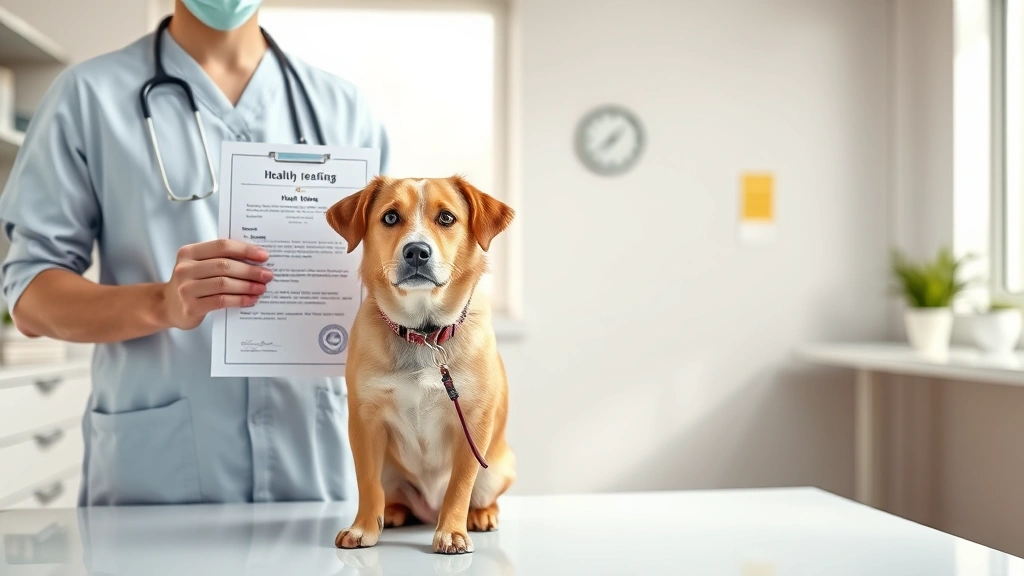
According to the American Kennel Club, proper health screening is non-negotiable for ethical breeding. Yet Good Dog’s vetting process doesn’t mandate this. Some breeders on the platform do it anyway—but it’s not a requirement.
If you’re considering a puppy from Good Dog, ask for health certifications. Demand them. A legitimate breeder won’t hesitate to provide OFA numbers, PennHIP results, or genetic testing reports.
Good Dog’s Pricing Model: Who Benefits?
Good Dog takes a 10% commission on every puppy sale. That’s their business model, and it creates an interesting incentive structure. The more puppies sold, the more money they make—regardless of whether those puppies come from ideal breeding practices.
Compare this to breed clubs, which are usually non-profit and focused on breed preservation rather than profit. They have different incentives, which often align better with puppy buyer protection.
The Puppy Guarantee: What You Actually Get
Good Dog advertises buyer protection, but read the fine print. Their guarantee typically covers genetic defects, but proving a genetic defect often requires expensive vet visits. And if the breeder disputes it? You’re in for a headache.
Most guarantees require you to return the puppy within a certain timeframe—which is emotionally brutal if you’ve already bonded with your new family member. Some breeders offer replacement puppies instead, but that doesn’t help if you wanted that specific dog.
For comparison, many responsible pet care resources recommend going through breeders with lifetime guarantees and return policies that don’t force you to give up your dog.
Better Alternatives to Good Dog
If you’re looking for a puppy, consider these routes:
Breed Clubs: The American Kennel Club maintains a breeder directory. Breed-specific clubs have codes of ethics and hold members accountable.
Rescue Organizations: Thousands of amazing dogs need homes. Breed-specific rescues exist for almost every breed and do extensive vetting of adopters.
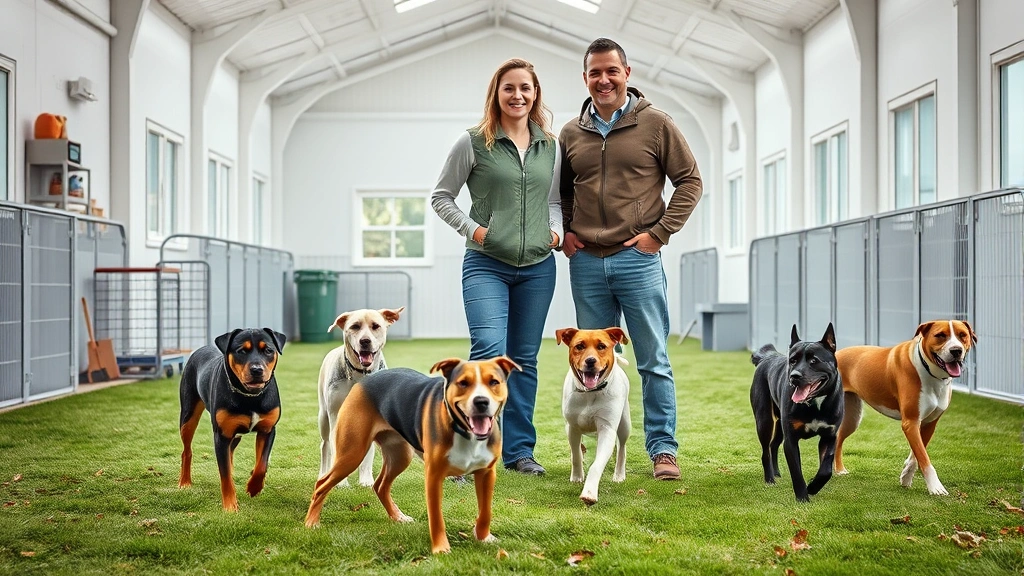
Local Breeders: Visit breeders in person. See their facilities, meet the parents, and ask questions. A breeder who won’t let you visit is a red flag.
Puppy Mills vs. Responsible Breeders: Know the difference. Puppy mills prioritize profit over health. Responsible breeders limit litter frequency, do health testing, and maintain relationships with puppy buyers for life.
What to Ask Any Breeder (Good Dog or Otherwise)
- Can you provide health testing documentation for both parents?
- What genetic issues are common in this breed, and how do you screen for them?
- Can I meet the parents in person?
- Do you have references from previous puppy buyers?
- What’s your return policy if the puppy has health issues?
- Are you registered with breed clubs or the AKC?
- How often do you breed your dogs?
- Will you be available for questions throughout the dog’s life?
A legitimate breeder will answer all of these confidently and provide documentation.
Is Good Dog Legit? The Verdict
Good Dog is a legitimate company operating legally, but “legit” doesn’t mean it’s the best option for finding a puppy. They’ve created a convenient platform, but convenience and thoroughness don’t always go hand-in-hand.
The platform’s vetting process is less rigorous than traditional breed club standards. While some breeders on Good Dog are genuinely responsible, others slip through the cracks. You’re essentially doing your own due diligence anyway, so why not skip the middleman and go directly to breed clubs or local breeders?
If you do use Good Dog, treat it like any online marketplace: verify everything independently, ask for health documentation, and trust your gut. If something feels off, it probably is.
For ongoing puppy care and nutrition questions, resources like telehealth pet nutrition consultations can help you ensure your new puppy gets the best start in life, regardless of where you source them from.
The Bottom Line
Good Dog isn’t a scam, but it’s not the gold standard for finding ethical breeders either. It’s a convenience tool with mixed results. The responsibility for vetting falls largely on you, the buyer. Do your homework, ask tough questions, and don’t let the platform’s branding make you skip due diligence.
Your future puppy’s health and happiness depend on choosing a breeder who prioritizes both over profit—whether that’s through Good Dog or another route entirely.
Frequently Asked Questions
Is Good Dog a puppy mill?
No, Good Dog itself isn’t a puppy mill—it’s a marketplace. However, some breeders on the platform operate like mills or have questionable practices. Good Dog’s vetting doesn’t prevent this entirely, so buyer beware.
Has Good Dog been sued?
Good Dog has faced complaints and legal issues from unhappy customers, but no major class-action lawsuits have made headlines. Still, individual disputes occur regularly based on user reviews.
Can I get my money back if I’m unhappy with my Good Dog puppy?
It depends on the breeder’s policy and the terms you agreed to. Good Dog facilitates the transaction but doesn’t always guarantee refunds. You’re essentially working with the individual breeder’s guarantee, not Good Dog’s.
Are Good Dog breeders AKC registered?
Not all of them. Some are, some aren’t. AKC registration isn’t a guarantee of quality, but it’s a step in the right direction. Always verify independently.
What’s the average price of a Good Dog puppy?
Prices vary widely by breed and breeder—anywhere from $800 to $3,000+. Good Dog takes 10% on top, so factor that into your budget.
Is it safer to buy from a local breeder instead?
Local breeders can be great if they’re responsible and transparent. You can visit in person, meet the parents, and build a relationship. But “local” doesn’t automatically mean ethical—do the same vetting regardless of location.





