
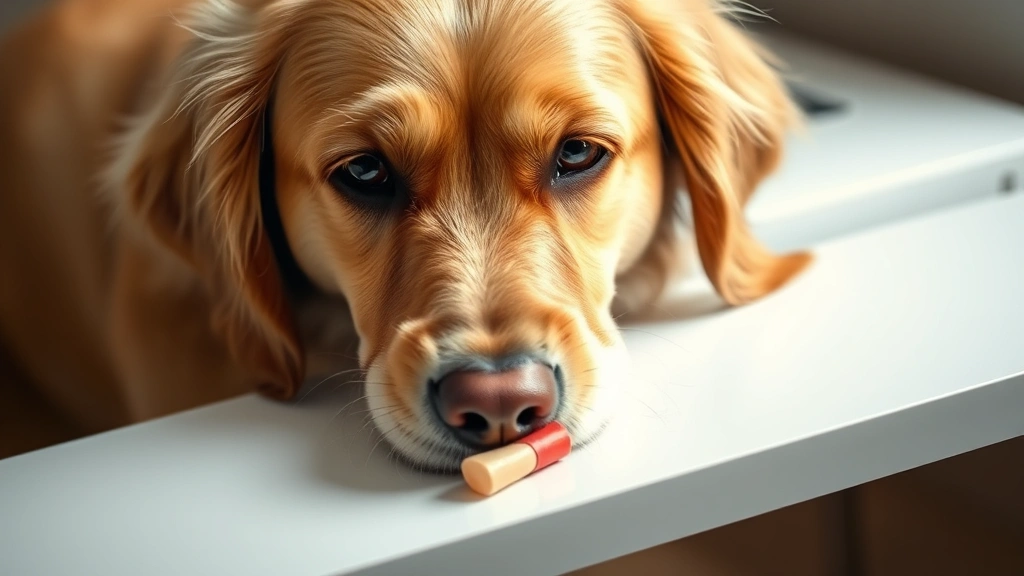
So, is gum bad for dogs? Short answer: absolutely yes, and it’s way worse than you might think. While your pup might look adorable begging for that stick of gum you’re chewing, giving it to them could land you in the emergency vet’s office faster than you can say “sugar-free.” Let’s talk about why this seemingly innocent treat is actually a canine health hazard that every dog owner needs to understand.
Table of Contents
- The Xylitol Nightmare: Why Sugar-Free Gum is Extra Dangerous
- Choking Hazards and Intestinal Blockages: The Mechanical Danger
- Regular Gum with Sugar: Dental Disaster and Obesity
- Artificial Sweeteners Beyond Xylitol: Other Toxic Additives
- What About Gum Wrappers? Hidden Dangers Hiding in Plain Sight
- Recognizing Poisoning Symptoms: What to Watch For
- Safe Alternatives: What Can Dogs Actually Chew?
- Teaching Your Dog to Refuse Gum and Other Dangerous Items
- Understanding Dog Toxicology: Why Dogs Aren’t Mini Humans
- Prevention is Everything: Creating a Dog-Safe Home
- When to Call the Vet vs. When to Go to Emergency
- Frequently Asked Questions
- The Bottom Line: Keep Gum Away From Your Dog
The Xylitol Nightmare: Why Sugar-Free Gum is Extra Dangerous
Here’s where things get serious. Many sugar-free gums contain xylitol, an artificial sweetener that’s absolutely toxic to dogs. Unlike humans, dogs metabolize xylitol differently, and even small amounts can cause severe damage. We’re talking about a substance that can trigger rapid insulin release, leading to dangerously low blood sugar levels (hypoglycemia) within just 10-30 minutes of ingestion.
The scary part? A single piece of sugar-free gum might contain enough xylitol to poison a small dog. Your 10-pound Chihuahua could be in serious trouble from just one stick. If you suspect your dog has eaten xylitol-containing gum, head straight to the vet or call the Xylitol Poisoning in Dogs resource for immediate guidance. This isn’t something to wait out at home.
Choking Hazards and Intestinal Blockages: The Mechanical Danger
Even if the gum doesn’t contain xylitol, there’s still a major problem: dogs can’t digest gum. At all. When your dog swallows gum, it doesn’t break down like regular food. Instead, it sits in their digestive system like a rubbery lump, potentially causing blockages that require surgery to remove.
Choking is the immediate risk, especially for enthusiastic chewers and smaller breeds. But the real nightmare scenario? The gum makes its way past the throat and lodges in the intestines, causing a complete blockage. Symptoms include vomiting, loss of appetite, lethargy, and abdominal pain. This is a surgical emergency that can cost thousands of dollars and put your dog’s life at risk.
Regular Gum with Sugar: Dental Disaster and Obesity
If the gum doesn’t have xylitol, it probably has loads of sugar instead. Regular gum is basically candy, and feeding it to your dog is like setting them up for dental problems and weight gain. Dogs can develop cavities and tooth decay just like humans, and excess sugar accelerates the process.
Beyond dental issues, the empty calories from sugary gum contribute to obesity in dogs, which opens the door to diabetes, joint problems, and heart disease. Your dog doesn’t need the sugar rush—they need proper nutrition from actual dog food and healthy treats.
Artificial Sweeteners Beyond Xylitol: Other Toxic Additives
While xylitol gets the most attention, other artificial sweeteners in gum can also be problematic for dogs. Some gums contain sorbitol and maltitol, which can cause gastrointestinal upset, diarrhea, and vomiting. Your dog’s digestive system isn’t built to handle these chemical compounds, and even if they’re not immediately life-threatening like xylitol, they’ll definitely make your pup feel miserable.
Always check the ingredient list before assuming any gum is safe. When in doubt, keep it away from your dog entirely. The safest gum for dogs is the gum that never enters their mouth in the first place.
What About Gum Wrappers? Hidden Dangers Hiding in Plain Sight
Here’s something many pet owners overlook: the wrapper. Dogs often swallow gum wrappers along with the gum itself, and plastic wrappers can cause intestinal blockages on their own. Even if your dog somehow manages to spit out the gum, they might still end up with a piece of plastic lodged in their digestive tract.
Plus, some gum wrappers contain foil or metallic coatings that can cause additional complications. Keep gum (and all wrappers) in sealed containers or trash cans that your dog can’t access. Better yet, chew your gum away from your dog’s curious eyes and nose.
Recognizing Poisoning Symptoms: What to Watch For
If your dog has eaten gum, especially sugar-free gum with xylitol, watch for these warning signs: weakness, loss of coordination, vomiting, seizures, tremors, lethargy, and loss of appetite. Xylitol poisoning can cause liver damage within 72 hours, so time is critical.
Symptoms of intestinal blockage include persistent vomiting, inability to defecate, abdominal distension, loss of appetite, and extreme lethargy. If you notice any of these signs, don’t wait. Contact your vet immediately or visit an emergency veterinary clinic. Bring the gum packaging with you if possible—it helps your vet understand exactly what your dog ingested and how to treat them.
For more information on emergency situations, check out our guide on Emergency Vet for Food Poisoning.
Safe Alternatives: What Can Dogs Actually Chew?
Your dog has a natural urge to chew—that’s not going away. Instead of gum, offer them safe alternatives that satisfy this instinct without the danger. Dental chews designed specifically for dogs actually help clean their teeth while they chew. Raw carrots and apples (without seeds) are great options that are low in calories and good for dental health.
Bully sticks, yak chews, and other natural dog chews are excellent choices that keep your pup occupied for hours. Kong toys stuffed with peanut butter or dog-safe treats provide mental stimulation and satisfy the chewing urge. For more ideas, explore our article on Healthy Snack Alternatives for Dogs.
Teaching Your Dog to Refuse Gum and Other Dangerous Items
Training your dog to drop items on command is one of the best safety measures you can implement. Teach the “drop it” command using high-value treats so your dog learns to release whatever’s in their mouth when you ask. This skill can literally save your dog’s life if they grab something dangerous.
Also, train your dog not to eat things off the ground or from your hands without permission. Use positive reinforcement and consistency. Make it clear that only food given directly in their bowl or by your hand with a specific cue is acceptable. This prevents them from grabbing your gum, chocolate, or other toxic substances when you’re not paying close attention.
Understanding Dog Toxicology: Why Dogs Aren’t Mini Humans
This is crucial to understand: a dog’s metabolism is fundamentally different from ours. What’s safe for humans can be deadly for dogs, and vice versa. Xylitol is the perfect example—it’s considered safe for human consumption but triggers an insulin response in dogs that humans don’t experience.
Similarly, dogs process foods differently than we do. Their digestive systems are shorter and more acidic, designed for meat-based diets. They lack certain enzymes that help humans break down plant matter and processed foods. This is why Pet Food Safety is so critical—what seems harmless to us might be catastrophic for them.
Prevention is Everything: Creating a Dog-Safe Home
The best treatment is prevention. Keep all gum, candy, and sweetened products in sealed containers on high shelves or in cabinets your dog can’t access. When you’re chewing gum, be mindful of where you spit it out—don’t leave it on tables, nightstands, or anywhere your curious pup might find it.
Educate family members, especially kids, about the dangers of sharing gum or candy with dogs. Make sure babysitters, guests, and anyone else who spends time with your dog knows the rules. One well-meaning relative who doesn’t understand the dangers could put your dog in the hospital.
When to Call the Vet vs. When to Go to Emergency
If you know your dog ate sugar-free gum, call your vet immediately—don’t wait to see if symptoms develop. Xylitol poisoning can be treated if caught early, but waiting could mean the difference between a full recovery and liver failure. Your vet might induce vomiting or give activated charcoal to prevent absorption.

Go straight to an emergency vet clinic if your dog is showing symptoms like seizures, severe lethargy, vomiting, or inability to stand. If it’s after hours and you’re unsure, call an emergency clinic for guidance. Many offer phone consultations to help you determine urgency. Consider our Pet Telehealth options for non-emergency advice when your regular vet isn’t available.
Frequently Asked Questions
Can dogs have any type of gum safely?
No. No type of gum is safe for dogs. Even gum without xylitol poses choking hazards and intestinal blockage risks. The best policy is zero gum for dogs, period.
How much xylitol is toxic to dogs?
Even small amounts can be dangerous. Toxicity depends on your dog’s weight and the xylitol concentration, but as little as 0.1 grams per kilogram of body weight can cause hypoglycemia. A single piece of sugar-free gum might contain 0.5-1 gram of xylitol, which is enough to poison a small dog.
What should I do if my dog ate gum an hour ago?
Call your vet or emergency clinic immediately. If it was sugar-free gum, this is urgent. Your vet can induce vomiting or provide other treatments to prevent absorption. Don’t wait for symptoms to appear.
Are there any gums made specifically for dogs?
Some products marketed as “dog gum” exist, but they’re not actually gum in the traditional sense—they’re typically dental chews. Always read the ingredient list carefully. If it contains xylitol or other artificial sweeteners, avoid it.
What are the first signs of xylitol poisoning?
Weakness, tremors, loss of coordination, and vomiting typically appear within 10-30 minutes. Seizures can develop in severe cases. Liver damage can occur within 72 hours, so early intervention is critical.
Can activated charcoal help if my dog ate gum?
Activated charcoal can help prevent absorption of some toxins, but it’s not effective for xylitol. Your vet might recommend inducing vomiting instead, which is why professional help is essential.
The Bottom Line: Keep Gum Away From Your Dog
Is gum bad for dogs? Absolutely. Whether it’s the xylitol toxicity, choking hazards, intestinal blockages, or empty calories, gum poses multiple serious risks to your canine companion. There’s literally no benefit to letting your dog have gum and plenty of reasons not to.
Protect your pup by keeping gum sealed away, educating everyone in your household about the dangers, and offering safe chewing alternatives instead. If your dog does eat gum, especially sugar-free gum, treat it as a potential emergency and contact your vet immediately. Your quick action could save your dog’s life. When it comes to your dog’s health and safety, there’s no such thing as being too cautious.





