

So, is ham bad for dogs? The short answer: it’s complicated, and honestly, ham sits in that gray zone where vets give you the side-eye. Let me break down exactly what you need to know before your pup scores a piece of that holiday ham.
Table of Contents
- The Ham Situation: What’s Actually in That Slice?
- Sodium Overload: Why Your Dog’s Kidneys Aren’t Fans
- Fat Content: The Pancreatitis Problem
- Nitrates and Nitrites: The Preservatives Problem
- Can Dogs Eat Ham at All? The Honest Answer
- Special Consideration: Honey-Baked and Glazed Ham
- What About Ham Bones? Are They Safe?
- Dog Breeds and Ham Sensitivity: Does Breed Matter?
- The Hidden Dangers: What Happens After Ingestion
- Better Alternatives: What Can You Give Instead?
- The Pancreatitis Connection: Why This Matters
- Frequently Asked Questions
- The Bottom Line: Is Ham Bad for Dogs?
The Ham Situation: What’s Actually in That Slice?
Ham is processed pork, and here’s where things get spicy (pun intended). Commercial ham is packed with sodium—we’re talking 300-400mg per ounce. For perspective, a 50-pound dog should consume around 200mg of sodium per day. One slice of ham? That’s already pushing it. Add in the nitrates, nitrites, and various preservatives, and you’ve got a trifecta of ingredients that make veterinarians nervous.
The real culprit isn’t the pork itself—it’s the processing. If you gave your dog plain, unseasoned pork, you’d be fine. But that’s not what ham is. Ham is basically salt, smoke, and chemistry in meat form.
Sodium Overload: Why Your Dog’s Kidneys Aren’t Fans
Excessive sodium can lead to serious health issues in dogs, including high blood pressure, kidney problems, and pancreatitis. Some dogs are more sensitive than others. Senior dogs, those with heart conditions, or pups with kidney disease? They should avoid ham entirely. Even healthy adult dogs don’t need the sodium spike.
When dogs consume too much salt, they get thirsty, drink more water, and their electrolyte balance gets thrown off. It’s not an immediate emergency with one small piece, but consistent ham snacking? That’s a recipe for trouble. Check out our guide on holiday foods pets should avoid for more seasonal culprits.
Fat Content: The Pancreatitis Problem
Ham is fatty. Really fatty. And fatty meats are notorious for triggering pancreatitis in dogs—an inflammation of the pancreas that ranges from mildly uncomfortable to life-threatening. Some dogs have a genetic predisposition to pancreatitis, and a fatty ham snack can be the spark that ignites a painful episode.
Signs of pancreatitis include vomiting, abdominal pain, lethargy, and loss of appetite. If your dog shows these symptoms after eating ham, contact your vet immediately. This isn’t something to mess around with.
Nitrates and Nitrites: The Preservatives Problem
Most commercial hams contain sodium nitrate or sodium nitrite as preservatives. These chemicals have been linked to health concerns in both humans and animals. While the amounts in a single slice probably won’t cause acute toxicity, regular consumption could be problematic. Some research suggests these compounds may increase cancer risk with long-term exposure.
This is where the “occasional tiny piece” argument breaks down. There’s no safe threshold established for dogs, so why risk it?
Can Dogs Eat Ham at All? The Honest Answer
Technically, a small piece of ham won’t poison your dog. But “won’t poison” and “is good for” are miles apart. Veterinarians generally recommend avoiding ham altogether, or if you absolutely must share, limiting it to tiny portions as an occasional treat—and only for healthy adult dogs.
The American Kennel Club (AKC) suggests that treats should comprise no more than 10% of your dog’s daily caloric intake. For most dogs, that’s about 50-100 calories. One slice of ham? That’s 50-60 calories and 400mg of sodium. It’s not worth the nutritional trade-off.
Looking for better treat options? Our article on safe human snacks for pets has plenty of alternatives your dog will actually love.
Special Consideration: Honey-Baked and Glazed Ham
If regular ham is questionable, glazed and honey-baked varieties are downright dangerous. These are coated in sugar, honey, and often contain additional seasonings like garlic and spices. Some glazes include xylitol, a sugar substitute that’s toxic to dogs even in small amounts. Honey-baked ham can cause rapid blood sugar spikes and digestive upset.

Never, ever give your dog glazed ham. The risk isn’t worth the momentary cuteness of their begging face.
What About Ham Bones? Are They Safe?
Ham bones are tempting to give dogs—they’re natural, right? Wrong. Cooked ham bones are actually more dangerous than the meat itself. They splinter easily, can cause intestinal blockages, and pose choking hazards. Plus, they still contain all that sodium and fat.
If you want to give your dog a bone, go with raw, meaty bones under supervision, or opt for safe chew alternatives. Never give cooked bones from any processed meat.
Dog Breeds and Ham Sensitivity: Does Breed Matter?
Some dog breeds are more prone to pancreatitis and digestive issues than others. Miniature Schnauzers, Dachshunds, and Cocker Spaniels have higher predisposition rates. If you own one of these breeds, ham should be completely off-limits. Overweight dogs are also at higher risk for pancreatitis, so if your pup is carrying extra pounds, definitely skip the ham.
Puppies have developing digestive systems and shouldn’t have processed meats. Senior dogs with any health conditions? Ham is a no-go. Really, the only dogs who could theoretically handle a tiny piece are healthy, adult, normal-weight dogs—and even then, it’s not recommended.
The Hidden Dangers: What Happens After Ingestion
Let’s say your dog got into the ham on the counter. What should you watch for? Vomiting, diarrhea, and abdominal discomfort are the most common short-term issues. Some dogs might experience excessive thirst and urination due to the sodium content. In severe cases or with predisposed dogs, pancreatitis can develop within 24-72 hours.
If your dog consumed a significant amount of ham, contact your veterinarian or an emergency vet clinic. They can assess the situation and provide appropriate care. Don’t wait to see if symptoms develop.
For diet-related questions and concerns, consider a virtual vet consultation for diet questions to get professional guidance specific to your dog.
Better Alternatives: What Can You Give Instead?
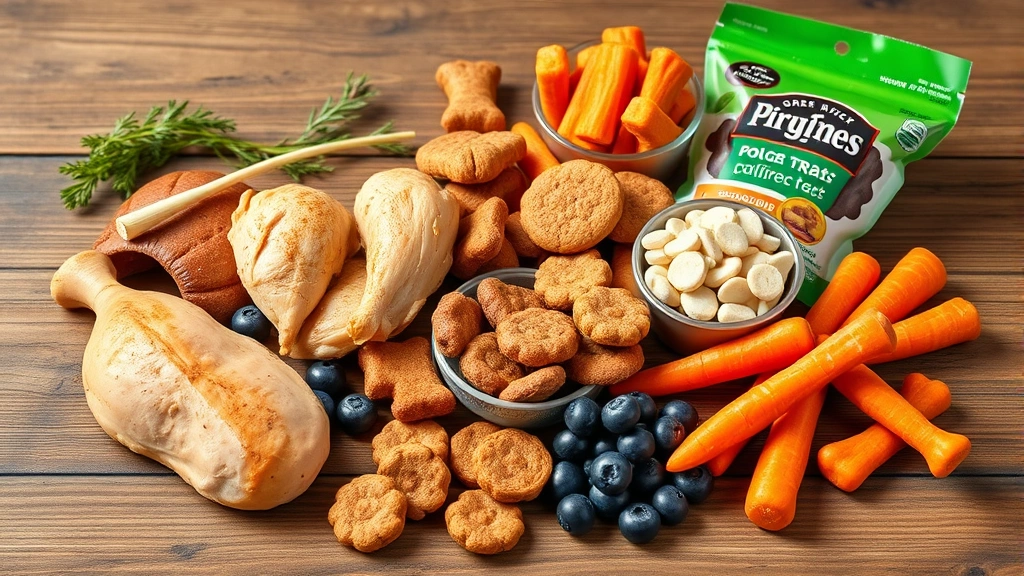
Your dog doesn’t need ham to feel special. Plenty of safer alternatives exist: plain, cooked chicken breast, turkey, lean beef, or fish. Fruits like apples (without seeds), bananas, and blueberries are great. Vegetables like carrots, green beans, and pumpkin are nutritious and safe.
If you’re looking for human foods for picky eaters, there are tons of options that won’t compromise your dog’s health. The goal is to reward your dog while keeping them healthy—ham doesn’t accomplish that.
Some people swear by using high-quality dog treats instead. They’re formulated to be safe and nutritionally appropriate. Yes, they’re less “human” than sharing your meal, but your dog’s long-term health is worth it.
The Pancreatitis Connection: Why This Matters
I keep mentioning pancreatitis because it’s serious. This condition can cost hundreds or thousands in veterinary bills, cause chronic pain, and in severe cases, be life-threatening. Acute pancreatitis often requires hospitalization, IV fluids, and pain management. Chronic pancreatitis means your dog deals with digestive issues for life.
All of this could potentially be triggered by one fatty ham treat. Is that risk worth it? Most veterinarians would say absolutely not, and I’d have to agree.
Frequently Asked Questions
Is a small piece of ham really that bad for dogs?
A single tiny piece probably won’t cause immediate harm to a healthy adult dog, but it’s still not recommended. The sodium and fat content make it nutritionally inappropriate, and there’s no benefit to your dog’s health. Why risk it when safer alternatives exist?
What if my dog already ate ham?
Stay calm. If it was a small piece, monitor your dog for vomiting, diarrhea, or abdominal discomfort over the next 24-48 hours. If your dog consumed a large amount, is a senior, has health conditions, or shows any symptoms, contact your veterinarian immediately. Don’t induce vomiting unless instructed by a vet.
Can dogs have ham broth or ham juice?
No. Ham broth and cooking liquids concentrate the sodium and fat. They’re even worse than the meat itself. Stick to plain water or low-sodium bone broth made specifically for dogs.
Is prosciutto safer than regular ham?
Prosciutto is actually worse. It’s even more processed, saltier, and fattier than regular ham. If regular ham is a no-go, prosciutto is definitely a no-go.
What about ham for dogs with pancreatitis?
Absolutely not. Dogs with pancreatitis need a low-fat diet. Ham is high in fat and sodium, making it completely inappropriate for this condition. Stick to prescribed dietary recommendations from your veterinarian.
Can I give my dog ham as a training treat?
There are much better options. Use small pieces of plain chicken, turkey, or commercial dog treats designed for training. They’re lower in sodium and fat, and your dog will be equally motivated. Save the ham for the humans.
The Bottom Line: Is Ham Bad for Dogs?
Yes, ham is bad for dogs. While a microscopic piece won’t cause immediate catastrophe, the risks outweigh any benefits. The sodium, fat content, preservatives, and potential to trigger pancreatitis make ham an unnecessary risk. Your dog doesn’t need it, and their health is too important to gamble with.
Veterinarians across the board recommend avoiding ham entirely. If you want to share human food with your dog, choose something nutritious and safe. Your pup will be just as happy with a piece of plain chicken or a dog-safe treat, and you’ll have peace of mind knowing you’re not putting their health at risk.
During holidays or special occasions, it’s tempting to share your meal. But the best gift you can give your dog is good health. Skip the ham, choose a safer alternative, and everyone wins. For more guidance on keeping your dog healthy through proper nutrition, check out our resources on anti-inflammatory foods for pets and consult with your veterinarian about your dog’s specific dietary needs.





