
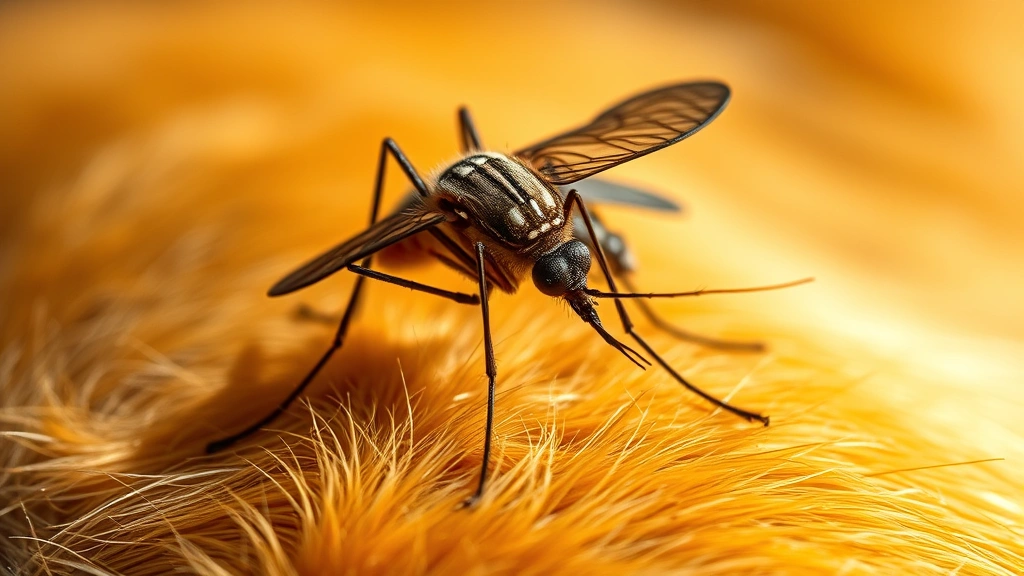
So, is heartworm contagious in dogs? The short answer is no—but hold on, because the real story is way more interesting (and a little creepy) than that simple answer suggests. Heartworm disease is one of the most misunderstood conditions in veterinary medicine, and pet parents often have wildly incorrect ideas about how it spreads. Let’s dig into the truth about heartworm transmission, why your dog can’t catch it from their buddy at the dog park, and what actually puts your pup at risk.
Table of Contents
- Understanding Heartworm Disease Basics
- How Mosquitoes Transmit Heartworm Parasites
- Why Dog-to-Dog Transmission Doesn’t Happen
- Geographic Risk Factors for Heartworm Exposure
- Heartworm Prevention: Your Best Defense Strategy
- Testing and Early Detection Methods
- Symptoms of Advanced Heartworm Disease
- Treatment Options for Infected Dogs
- Lifestyle Changes to Reduce Mosquito Exposure
- Heartworm in Different Dog Breeds and Ages
- Common Misconceptions About Heartworm Contagion
- Frequently Asked Questions
- Summary: Protecting Your Dog from Heartworm Disease
Understanding Heartworm Disease Basics
Heartworm disease isn’t some mysterious illness that spreads through dog saliva or shared water bowls. It’s caused by a parasitic worm called Dirofilaria immitis, and the transmission process is surprisingly specific. Your dog can’t get heartworms from another dog’s sneeze, their pee, their poop, or even by sharing toys. The disease requires a very particular middleman to spread: the mosquito. Without these buzzing little vampires, heartworm would essentially disappear from the dog population. This is why understanding heartworm transmission is crucial for protecting your furry friend.
How Mosquitoes Transmit Heartworm Parasites
Here’s where it gets genuinely fascinating. Heartworm transmission is an indirect process that involves mosquitoes as vectors. When a mosquito bites an infected dog, it ingests microfilariae (baby heartworms) from the dog’s bloodstream. These microscopic larvae develop inside the mosquito for about 10-14 days. Then, when that mosquito bites your dog, it deposits the larvae into your pup’s skin. The larvae migrate through the body over several months, eventually reaching the heart and blood vessels where they mature into adult worms. This is why heartworm prevention is so critical—it’s not about avoiding other dogs; it’s about preventing mosquito bites.
Why Dog-to-Dog Transmission Doesn’t Happen
Your dog cannot directly infect another dog with heartworms, no matter how much they play together or share food bowls. This is genuinely good news for multi-dog households. The heartworm lifecycle is specifically designed (by nature’s cruel hand) to require a mosquito as the transmission vector. Even if you have an infected dog in your home, your other dogs are safe from direct infection. The only way they could get heartworms is if they’re bitten by an infected mosquito. This is a common misconception that causes unnecessary stress for dog owners, but the science is clear: heartworm disease is not contagious between dogs through direct contact.
Geographic Risk Factors for Heartworm Exposure
Your location dramatically affects your dog’s heartworm risk. Heartworm is endemic in many parts of the United States, particularly in the South, Southeast, and along the Mississippi River Valley. However, cases have been documented in all 50 states. Warm, humid climates are ideal for mosquitoes, which means more mosquitoes equals more potential for heartworm transmission. If you live in a northern state with harsh winters, your dog’s risk is lower (though not zero) because mosquitoes can’t survive freezing temperatures. Conversely, if you’re in Florida, Louisiana, or Texas, your dog faces year-round mosquito exposure and therefore year-round heartworm risk. This geographic variation is why your vet’s heartworm prevention recommendations might differ from your friend’s vet in another state.
Heartworm Prevention: Your Best Defense Strategy
Since mosquitoes are the only way dogs get heartworms, prevention focuses on two approaches: preventing mosquito bites and killing heartworm larvae if a bite does occur. Monthly preventive medications like ivermectin, milbemycin, or selamectin are highly effective at killing immature heartworms before they can establish in your dog’s heart. These medications are available as tablets, topical treatments, or injections. Some vets recommend year-round prevention, while others suggest seasonal prevention depending on your climate. The best approach is to consult with your veterinarian about your specific situation. You can even discuss heartworm prevention options through Virtual Pet Checkup services if you want professional guidance without leaving home. Additionally, reducing mosquito exposure around your home—eliminating standing water, using screens, and keeping your dog indoors during peak mosquito hours—provides extra protection.
Testing and Early Detection Methods
Regular heartworm testing is essential for early detection, especially if you live in high-risk areas or have missed doses of prevention medication. Most vets recommend annual heartworm tests for all dogs, with some recommending tests every six months in endemic regions. The standard test detects antigens (proteins produced by adult female heartworms) in the bloodstream. A positive test means your dog has adult heartworms in their heart or blood vessels. Microfilariae tests can detect the presence of baby worms. Early detection is crucial because heartworm disease progresses silently—your dog might have no symptoms while the worms are causing serious damage to their heart and lungs. If you suspect exposure or want to discuss testing protocols, Telehealth Vet Appointments can connect you with a veterinarian who can advise on the best testing schedule for your dog.
Symptoms of Advanced Heartworm Disease
While early-stage heartworm infection often shows no symptoms, advanced disease causes serious clinical signs. Your dog might develop a persistent cough, especially when exercising. They may become fatigued easily, lose weight, or develop a swollen abdomen (from fluid accumulation). Some dogs experience difficulty breathing or collapse during exercise. These symptoms occur because adult worms damage the heart muscle and blood vessels, reducing the heart’s ability to pump blood effectively. In severe cases, heartworm disease can cause sudden death. This is why prevention is infinitely better than treatment—catching the disease early through regular testing gives you better treatment options and outcomes.

Treatment Options for Infected Dogs
If your dog tests positive for heartworms, treatment is possible but complex and expensive. The standard treatment involves injections of an arsenic-based compound called melarsomine, which kills adult worms. This treatment is serious business—it requires strict rest and monitoring because dead worms can lodge in blood vessels and cause complications. Newer treatment protocols may involve a combination approach using heartworm preventatives and antibiotics to target the bacteria living inside the worms. Treatment can cost $1,000-$3,000 or more, depending on your dog’s condition and the treatment protocol. This financial and emotional burden makes prevention absolutely worthwhile. Discuss treatment options and prognosis with your vet, or get a second opinion through Online Vet Advice services if you’re facing a heartworm diagnosis.
Lifestyle Changes to Reduce Mosquito Exposure
Beyond medication, you can take practical steps to minimize your dog’s mosquito exposure. Remove standing water from your yard—mosquitoes breed in birdbaths, clogged gutters, flower pots, and any container holding water. Keep grass trimmed and remove brush piles where mosquitoes rest. Use window and door screens to keep mosquitoes out of your home. Consider applying dog-safe insect repellents during peak mosquito season. Keep your dog indoors during dawn and dusk when mosquitoes are most active. In high-risk areas, some owners even use mosquito netting around outdoor resting areas. These measures work best in combination with preventive medication, creating multiple layers of protection against heartworm transmission.
Heartworm in Different Dog Breeds and Ages
All dogs are susceptible to heartworms regardless of breed, age, or size. However, some factors influence severity. Older dogs and large-breed dogs may experience more severe symptoms because their hearts are already working harder. Young puppies can get heartworms, though puppies under 6 months old typically show fewer microfilariae in their blood (which might result in false-negative tests). Certain breeds with predispositions to heart disease may suffer more complications from heartworm infection. This is why heartworm prevention is important for every dog, from tiny Chihuahuas to giant Great Danes, from puppies to senior dogs.
Common Misconceptions About Heartworm Contagion
Pet owners often believe heartworm spreads through shared food bowls, water bowls, or bedding. It doesn’t. Some think neutering or spaying prevents heartworms. It doesn’t. Others believe indoor dogs don’t need prevention because they’re not exposed to mosquitoes. This is dangerously false—mosquitoes can enter homes through screens and doors. Some people think heartworm only affects dogs in warm climates. While risk is higher in warm areas, cases occur nationwide. The most dangerous misconception is that heartworm is contagious between dogs, which leads some owners to isolate infected dogs unnecessarily. Understanding the actual transmission method—mosquito-borne, not dog-to-dog—eliminates unnecessary worry and helps you focus on what actually matters: mosquito prevention.
Frequently Asked Questions
Can my dog get heartworms from another dog?
No. Heartworms cannot be transmitted directly from dog to dog. The disease requires a mosquito as a vector. Your infected dog poses no direct risk to other dogs in your household, at the dog park, or anywhere else.
Is heartworm contagious to humans?
No. Heartworm is species-specific and only affects dogs, cats, and some wildlife. Humans cannot contract heartworm from dogs or mosquitoes.
How long can a dog live with untreated heartworms?
This varies greatly depending on the worm burden and the dog’s overall health. Some dogs survive several years with untreated heartworms, while others may die within months. The disease progressively damages the heart, making survival increasingly unlikely without treatment.

Can heartworm prevention be given year-round in cold climates?
While some vets recommend year-round prevention for maximum safety, many veterinarians in cold climates recommend seasonal prevention (typically April through November) since mosquitoes cannot survive freezing temperatures. Discuss the best approach for your location with your vet.
What’s the success rate of heartworm treatment?
Treatment success rates are generally good (85-95%) when dogs are treated in the early stages of disease. Success rates decrease significantly for dogs with advanced heartworm disease, making prevention far superior to treatment.
Does my indoor dog need heartworm prevention?
Yes. Mosquitoes can enter homes through open doors, windows, and screens. Indoor dogs are at risk of heartworm infection, especially if they spend any time outdoors or live in areas with high mosquito populations.
Summary: Protecting Your Dog from Heartworm Disease
So, is heartworm contagious in dogs? The answer is definitively no—not between dogs, anyway. Heartworm disease requires a mosquito for transmission, making it impossible for your dog to catch from another dog. However, this doesn’t mean you should be complacent about heartworm prevention. The disease is serious, potentially fatal, and expensive to treat. The good news is that prevention is highly effective and relatively inexpensive compared to treatment costs. Year-round or seasonal heartworm preventive medication, combined with regular testing and mosquito exposure reduction, gives your dog excellent protection. Talk to your veterinarian about the best prevention strategy for your dog’s age, health status, and geographic location. If you have questions about heartworm or need professional guidance, resources like Virtual Pet Checkup and Telehealth Vet Appointments make it easier to get expert advice without hassle. Remember: heartworm prevention is one of the most important health decisions you can make for your dog, and understanding how the disease actually spreads is the first step toward keeping your pup safe.
External Resources: For more information on heartworm disease, visit the American Kennel Club (AKC), PetMD’s heartworm section, or consult resources from the American Heartworm Society.





