
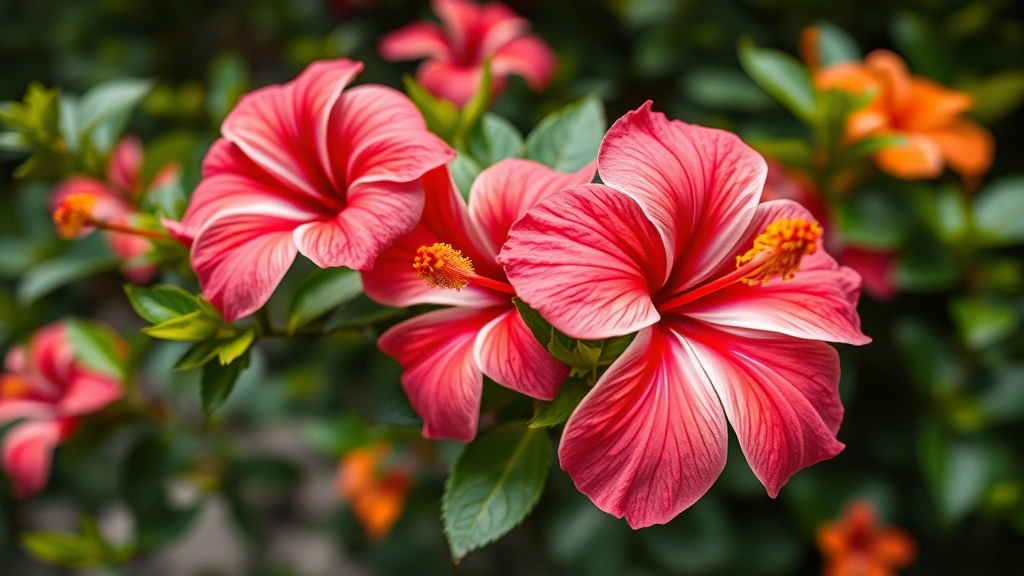
Is Hibiscus Poisonous to Dogs? Complete Safety Guide
If you’re a dog parent who loves gardening, you’ve probably wondered whether your favorite flowering plants are safe for your furry best friend. Hibiscus flowers are stunning additions to any landscape, with their vibrant colors and tropical vibes—but should you be worried if your pup decides to nibble on them? The short answer is: it depends on the type of hibiscus, and fortunately, most varieties are relatively safe for dogs. However, there are some important nuances you need to understand to keep your canine companion protected.
As someone who wants the best for their dog, it’s natural to feel anxious about potential toxins lurking in your garden. The good news is that hibiscus is far less dangerous than some other common ornamental plants. That said, understanding the specific risks and knowing what to watch for can make all the difference between a thriving garden and a trip to the emergency vet clinic. Let’s dig into the details so you can make informed decisions about what plants belong in your dog-friendly home.
In this comprehensive guide, we’ll explore everything you need to know about hibiscus and dogs, from toxicity levels to symptoms of ingestion, and what steps to take if your pup gets into your flower beds. We’ll also compare hibiscus to other potentially dangerous plants and give you practical tips for protecting your garden.
Is Hibiscus Actually Toxic to Dogs?
The straight answer is that hibiscus is generally considered non-toxic to dogs according to the ASPCA’s poison control database. Most varieties of hibiscus won’t cause severe poisoning if your dog munches on a leaf or petal. However, “non-toxic” doesn’t mean “completely harmless”—there’s an important distinction here that every dog owner should understand.
When veterinarians classify a plant as non-toxic, they typically mean it won’t cause life-threatening poisoning. That said, hibiscus can still cause mild gastrointestinal upset in some dogs, particularly if they consume large quantities or have sensitive stomachs. The plant contains compounds that can irritate the digestive tract, leading to mild symptoms that usually resolve on their own without veterinary intervention.
The American Kennel Club also lists hibiscus as safe for dogs, making it one of the better choices if you want flowering plants in a yard where pets roam freely. Still, just because something is safe doesn’t mean your dog should eat it as a snack—moderation and prevention remain your best strategies.
Different Types of Hibiscus: What You Should Know
Not all hibiscus plants are created equal, and understanding the differences can help you make better choices for your household. The most common varieties include tropical hibiscus (Hibiscus rosa-sinensis), hardy hibiscus (Hibiscus syriacus), and rose of Sharon, which is technically a hardy hibiscus variety. Each has slightly different characteristics and growing requirements.
Tropical Hibiscus is the variety most people picture when they think of hibiscus—those large, showy flowers in bold colors. These are generally non-toxic to dogs, though they’re more sensitive to cold weather and require warmer climates. If you live in a tropical or subtropical region, this is probably what you’re growing.
Hardy Hibiscus can withstand colder temperatures and is often grown in northern gardens. Rose of Sharon, a type of hardy hibiscus, is also non-toxic to dogs and makes an excellent choice for dog-owning gardeners who want year-round interest in their landscapes. These varieties are particularly popular because they’re low-maintenance and beautiful.
The key takeaway is that all common hibiscus varieties you’re likely to encounter are safe for dogs. If you’re concerned about a specific plant, you can always verify the species name before bringing it home. When in doubt, checking with your veterinarian or a local nursery can provide peace of mind.
Symptoms of Hibiscus Ingestion in Dogs
While hibiscus isn’t toxic, your dog might still experience mild symptoms if they decide to feast on your flowers. Knowing what to watch for helps you determine whether a vet visit is necessary or if home monitoring is sufficient.
Common symptoms include:
- Mild vomiting or retching
- Diarrhea or loose stools
- Loss of appetite
- Mild stomach upset or discomfort
- Excessive drooling
- Lethargy or decreased activity
These symptoms, when they occur, are typically mild and temporary. Most dogs who nibble on hibiscus flowers experience nothing more than a brief digestive upset that resolves within a few hours. However, if your dog consumed a large quantity of hibiscus or shows severe symptoms, contacting your veterinarian is the right call.
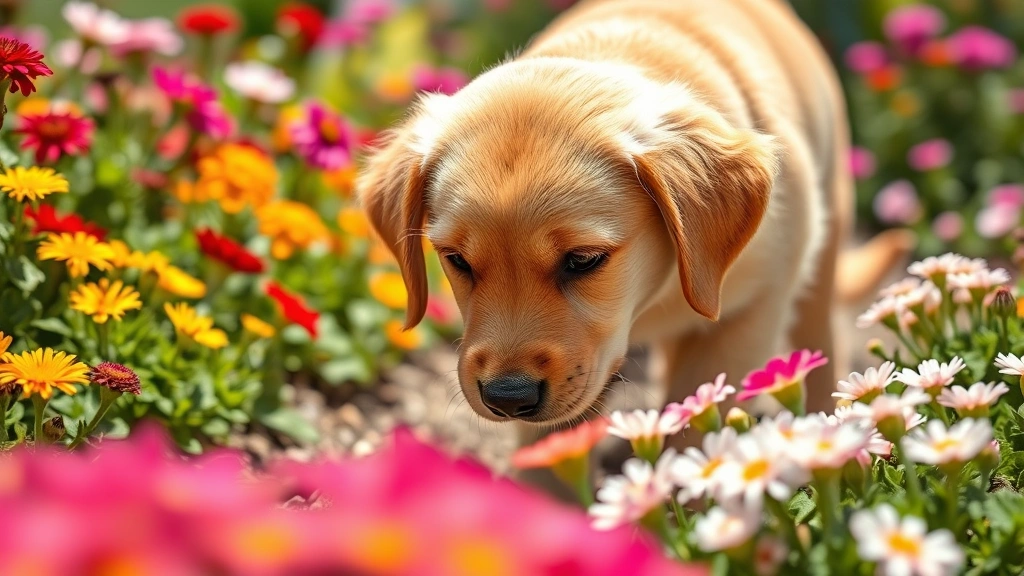
It’s worth noting that individual dogs may react differently to the same plant. A dog with a sensitive digestive system might experience more pronounced symptoms than a dog with an iron stomach. Puppies and senior dogs might also be more susceptible to mild gastrointestinal upset. If your dog falls into any of these categories, extra caution and prevention are especially important.
What to Do If Your Dog Eats Hibiscus
Discovering that your dog has been munching on your hibiscus flowers can be stressful, but panic isn’t necessary. Here’s a step-by-step guide to handling the situation:
Step 1: Stay Calm and Assess Take a deep breath. Your dog likely hasn’t ingested anything life-threatening. Try to determine how much hibiscus your dog actually consumed. Did they eat just a few petals, or did they demolish an entire flower head? The quantity matters.
Step 2: Remove Access Move your dog away from the plant immediately to prevent further consumption. If you have hibiscus plants in your yard, consider fencing them off or relocating them to an area your dog can’t access.
Step 3: Monitor for Symptoms Watch your dog closely over the next 24 hours for any signs of gastrointestinal distress. Keep an eye out for vomiting, diarrhea, or unusual behavior. Most dogs remain completely symptom-free, but monitoring is important.
Step 4: Contact Your Vet If Needed If your dog shows severe symptoms like persistent vomiting, bloody diarrhea, or signs of distress lasting more than a few hours, contact your veterinarian. Provide them with information about what your dog ate and when. This information helps them make appropriate recommendations.
Remember that knowing what to do when your dog eats something concerning is just as important as prevention. Having your vet’s number readily available and knowing the location of your nearest emergency animal hospital can be lifesaving in worst-case scenarios.
Creating a Dog-Safe Garden
If you want to grow hibiscus while keeping your dog safe, creating a dog-friendly garden design is essential. This doesn’t mean you have to give up your beautiful flowers—it just means being strategic about placement and design.
Designated Garden Zones Consider creating a separate garden area that’s fenced off from where your dog spends most of their time. This allows you to grow a wider variety of plants without worrying about your pup’s access. Many dog owners successfully maintain ornamental gardens this way while keeping their pups safe.
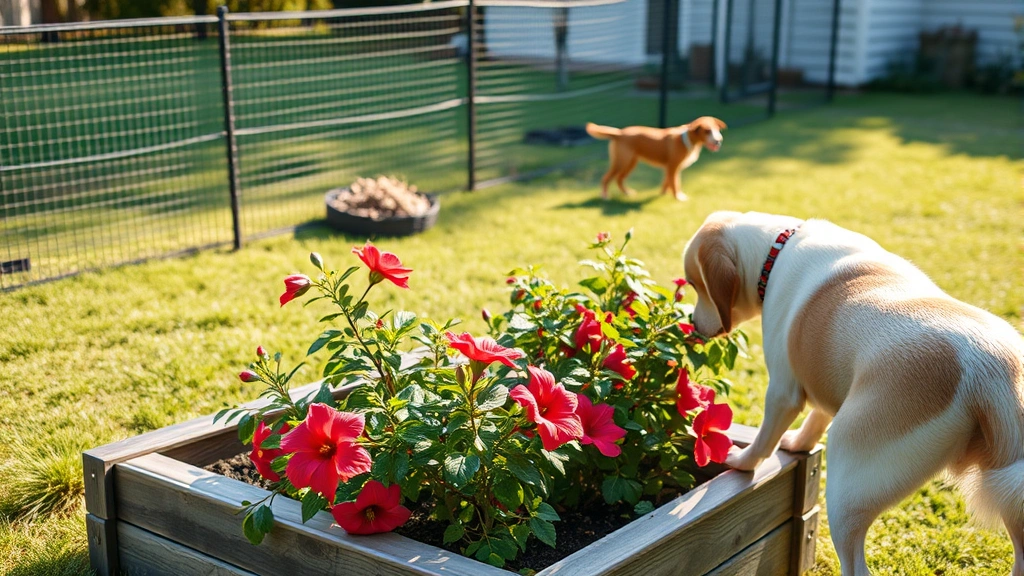
Raised Beds and Planters Hibiscus grows well in containers and raised beds, which naturally limit your dog’s access. Elevating your plants makes them less tempting targets for curious canines. Plus, container gardening gives you more control over soil quality and watering schedules.
Strategic Fencing A simple low fence around garden beds can discourage your dog from investigating. Many dogs respect boundaries, especially if you’ve trained them consistently. Combine fencing with positive reinforcement when your dog respects the designated area.
When comparing hibiscus to other common ornamental plants, you’ll find it’s actually quite safe. Unlike lilies, which are extremely toxic to dogs, or azaleas, which contain toxic compounds, hibiscus poses minimal risk. This makes it an excellent choice for dog-owning gardeners.
Comparing Hibiscus to Other Toxic Plants
Understanding how hibiscus stacks up against other common garden plants helps you make informed decisions about what to grow. While hibiscus is relatively safe, many popular ornamental plants pose serious dangers to dogs.
Lilies: Extremely Toxic Lilies are among the most toxic plants for dogs, particularly for cats. Even small amounts can cause severe kidney damage. If you have dogs, lilies should be off your planting list entirely.
Azaleas: Highly Toxic Azaleas contain grayanotoxins that can cause serious poisoning, leading to vomiting, diarrhea, and potentially life-threatening heart problems. These beautiful shrubs are definitely not dog-safe.
Geraniums: Mildly Toxic Geraniums can cause mild gastrointestinal upset, making them slightly riskier than hibiscus. While not typically severe, they’re better avoided if safer alternatives exist.
Hibiscus: Generally Safe In comparison, hibiscus is clearly the winner for dog-owning gardeners. It poses minimal risk and can be safely grown with proper management and supervision.
For vegetables and safe foods your dog might enjoy, learning about safe options like pumpkin gives you alternatives to ornamental plants. Some dogs are naturally drawn to plants because they’re seeking specific nutrients or experiencing digestive issues.
Prevention Strategies
The best approach to keeping your dog safe around hibiscus is prevention. These strategies will help you maintain a beautiful garden while protecting your furry friend:
Training and Supervision Train your dog not to eat plants in your garden. Consistent commands like “leave it” can be lifesaving. Supervise outdoor time, especially with puppies or dogs with a history of eating plants. Understanding why dogs eat dirt and plants can help you address the underlying behavior.
Provide Alternatives Some dogs eat plants out of boredom or to satisfy a natural urge to chew. Providing appropriate chew toys and engaging activities can redirect this behavior. Interactive toys and puzzle feeders keep dogs mentally stimulated and less likely to seek entertainment by munching on your garden.
Regular Garden Maintenance Keep your garden tidy by removing fallen flowers and leaves. This reduces the temptation for your dog to investigate and nibble. A well-maintained garden is naturally less appealing to curious pups.
Plant Selection When choosing plants, prioritize dog-safe varieties. In addition to hibiscus, consider dog-friendly plants like spider plants, Boston ferns, and African violets. Many beautiful options exist that pose no threat to your canine companion.
Veterinary Consultation If your dog has a history of eating plants or shows unusual interest in your garden, discuss it with your veterinarian. They can rule out nutritional deficiencies or medical conditions that might be driving the behavior.
Frequently Asked Questions
Is hibiscus toxic to dogs?
No, hibiscus is generally non-toxic to dogs according to the ASPCA Animal Poison Control Center. While it’s not poisonous, consuming large quantities might cause mild gastrointestinal upset in some dogs.
What symptoms might my dog show if they eat hibiscus?
Most dogs experience no symptoms at all. If symptoms occur, they’re typically mild and may include vomiting, diarrhea, or loss of appetite. These usually resolve without intervention within a few hours.
Should I remove my hibiscus plant if I have a dog?
No, you don’t need to remove hibiscus. With proper management—such as fencing off garden areas, using raised beds, or strategic placement—you can safely grow hibiscus while protecting your dog.
How much hibiscus would be dangerous for a dog?
Hibiscus is so mildly toxic that it’s unlikely to cause serious harm even in large quantities. However, consuming excessive amounts could cause more pronounced digestive upset. Moderation and prevention remain important.
Can puppies eat hibiscus?
Puppies shouldn’t eat hibiscus, though it’s not highly toxic. Puppies have more sensitive digestive systems and are more prone to upset from plant material. Keep puppies away from hibiscus flowers and leaves.
Is Rose of Sharon toxic to dogs?
No, Rose of Sharon (a type of hardy hibiscus) is not toxic to dogs. It’s as safe as tropical hibiscus varieties and makes an excellent choice for dog-friendly gardens.
What should I do if my dog eats a large amount of hibiscus?
Monitor your dog closely for 24 hours. If they show severe or persistent symptoms, contact your veterinarian. In most cases, large quantities cause only mild upset that resolves independently.
Are there other plants I should definitely avoid around dogs?
Yes, definitely avoid lilies, azaleas, sago palms, oleander, and foxglove. These plants pose serious health risks to dogs. When in doubt about a specific plant, consult your veterinarian or the ASPCA’s poison control resources.





