
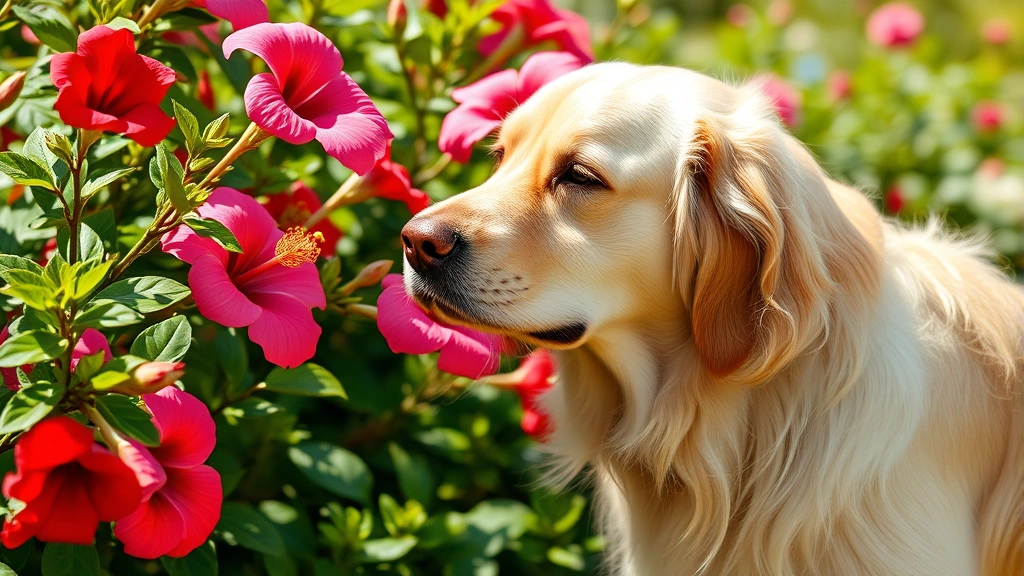
So, is hibiscus toxic to dogs? The short answer is: it depends on the type, but most hibiscus plants are generally safe for your furry friend. However, before you let Fido loose in your tropical garden, there’s definitely more to know about keeping your pup safe around these beautiful flowers.
Table of Contents
- Understanding Hibiscus Plants and Their Varieties
- What Makes a Plant Toxic to Dogs?
- Hibiscus and Dogs: The Safety Profile
- Potential Side Effects of Hibiscus Ingestion in Dogs
- Symptoms to Watch For After Hibiscus Exposure
- Creating a Dog-Friendly Garden with Hibiscus
- Comparing Hibiscus to Truly Toxic Plants
- What Should You Do If Your Dog Eats Hibiscus?
- Alternative Safe Plants for Your Dog-Friendly Garden
- Prevention Tips: Keeping Your Dog Safe in Any Garden
- Frequently Asked Questions
- Conclusion: Hibiscus and Your Pup Can Coexist Peacefully
Understanding Hibiscus Plants and Their Varieties
Hibiscus comes in several varieties, and not all of them pose the same risk to dogs. The most common hibiscus found in North American gardens is the tropical hibiscus (Hibiscus rosa-sinensis), which is widely considered non-toxic to dogs. However, rose of Sharon (Hibiscus syriacus), a hardy hibiscus variety, is also safe for canines. The confusion often arises because people sometimes mix up hibiscus with other ornamental plants that ARE toxic to dogs.
When we talk about hibiscus toxicity in dogs, it’s important to distinguish between different species. The ASPCA’s database on toxic plants for dogs doesn’t list common hibiscus varieties as poisonous, which is good news for pet owners who love these vibrant blooms.
What Makes a Plant Toxic to Dogs?
Before diving deeper into hibiscus specifically, let’s understand what actually makes plants toxic. Dogs can experience poisoning from plants through ingestion of leaves, flowers, stems, or roots. Toxins can affect the gastrointestinal system, nervous system, heart, or kidneys depending on the plant’s chemical composition.
Some plants contain alkaloids, glycosides, or other compounds that trigger adverse reactions in canines. The severity depends on the amount ingested and your dog’s size and health status. For a comprehensive overview of truly dangerous plants, check out our guide on toxic plants for dogs.
Hibiscus and Dogs: The Safety Profile
Here’s the good news: hibiscus flowers and leaves are not listed among the common toxic plants for dogs by major veterinary organizations. Your dog can nibble on hibiscus petals without facing life-threatening consequences. That said, “non-toxic” doesn’t mean “safe to eat in large quantities.”
Dogs eating hibiscus might experience mild digestive upset, especially if they consume significant amounts. The plant’s fibrous nature means it’s not easily digestible by canine stomachs. Think of it like your dog eating grass – it might cause some vomiting or diarrhea, but it’s not an emergency situation.
Potential Side Effects of Hibiscus Ingestion in Dogs
Even though hibiscus isn’t toxic, your dog might still have an unpleasant experience if they decide to munch on your garden. Here’s what you might observe:
- Mild gastrointestinal upset: Vomiting or diarrhea from the fibrous plant material
- Mouth irritation: The plant’s texture might irritate sensitive gums or lips
- Loss of appetite: Your pup might feel queasy temporarily
- Lethargy: General malaise from digestive discomfort
These symptoms are typically mild and resolve within 24-48 hours without treatment. However, if your dog shows severe symptoms or they persist, contact your veterinarian immediately.
Symptoms to Watch For After Hibiscus Exposure
While serious hibiscus poisoning is unlikely, you should monitor your dog for any unusual behavior after they’ve sampled your garden. Warning signs include persistent vomiting, bloody stools, extreme lethargy, or abdominal pain. If your dog displays any of these symptoms, don’t wait – seek veterinary care.
Most dogs who nibble hibiscus experience nothing at all, which is why so many pet owners are surprised to learn their pups have been snacking on these flowers without incident. However, individual dogs have different sensitivities, so what’s fine for one dog might upset another’s stomach.
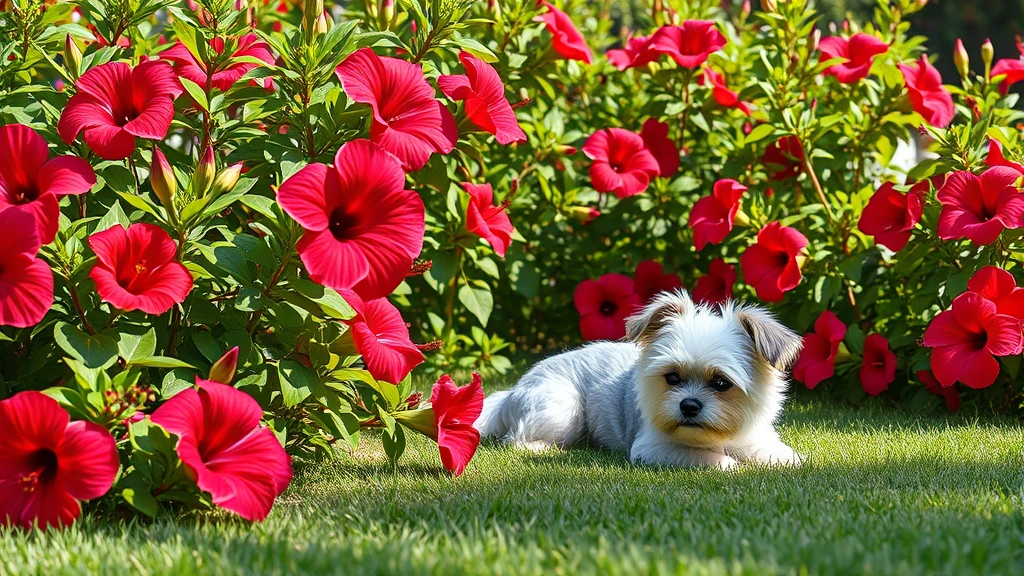
Creating a Dog-Friendly Garden with Hibiscus
If you want to keep hibiscus in your yard while protecting your dog, consider these strategies:
- Physical barriers: Use fencing or garden gates to restrict access to hibiscus plants
- Strategic placement: Plant hibiscus in areas your dog doesn’t frequent
- Supervision: Monitor outdoor time, especially with curious young dogs or puppies
- Training: Teach your dog to avoid plants using positive reinforcement
Remember, even non-toxic plants can pose risks through pesticides or fertilizers. Always use pet-safe gardening products if you have dogs roaming your yard.
Comparing Hibiscus to Truly Toxic Plants
To put things in perspective, hibiscus is far safer than many common ornamental plants. Lilies, sago palms, oleander, and foxglove are genuinely dangerous to dogs and can cause severe poisoning or death. Hibiscus doesn’t come close to this danger level. For more information on plants that are actually hazardous, read our detailed article on toxic plants for dogs.
The reason hibiscus gets lumped into safety discussions is simply because pet owners are rightfully cautious about what grows in their yards. It’s better to ask questions than to assume everything is safe.
What Should You Do If Your Dog Eats Hibiscus?
If you catch your dog red-pawed with hibiscus flowers or leaves, don’t panic. First, remove any remaining plant material from their mouth. Observe them for the next 24-48 hours for any signs of digestive upset. Most dogs will be completely fine.
If your dog shows concerning symptoms, contact your veterinarian or call the ASPCA Animal Poison Control Center at (888) 426-4435. Have information ready about how much hibiscus your dog consumed and when.
For specific guidance on emergency situations, our resource on telehealth advice for pet poisoning can help you determine if immediate veterinary care is necessary.
Alternative Safe Plants for Your Dog-Friendly Garden
If you’re still worried about hibiscus, plenty of beautiful, genuinely dog-safe plants exist. Consider spider plants, Boston ferns, African violets, or zinnias. These options provide color and beauty without any toxicity concerns whatsoever.
Creating a pet-safe environment doesn’t mean sacrificing aesthetics. Many gorgeous plants are completely safe for dogs to be around, and some are even beneficial. Check our guide on safe human snacks for pets for ideas on edible plants your dog might actually enjoy.
Prevention Tips: Keeping Your Dog Safe in Any Garden
Beyond hibiscus concerns, here are general best practices for maintaining a dog-safe outdoor space:
- Know your plants: Research everything growing in your yard
- Avoid pesticides: Use organic or pet-safe gardening products exclusively
- Remove fallen debris: Dead leaves and flowers can harbor mold or bacteria
- Provide fresh water: Dogs might eat plants out of boredom or thirst
- Regular supervision: Even with safe plants, watch your pup outdoors
A well-maintained, dog-aware garden is a happy garden where everyone – human and canine – can enjoy the outdoors safely.
Frequently Asked Questions
Is hibiscus flower toxic to dogs?
No, hibiscus flowers are not toxic to dogs. The ASPCA and most veterinary sources do not list hibiscus as a poisonous plant for canines. However, consuming large amounts might cause mild gastrointestinal upset due to the plant’s fibrous nature.
Can dogs eat hibiscus leaves safely?
Yes, hibiscus leaves are non-toxic to dogs. Like the flowers, they won’t cause poisoning, though they might cause mild digestive issues if your dog eats a significant quantity. Most dogs experience no problems at all.
What should I do if my dog ate hibiscus and is vomiting?
Monitor your dog closely. Mild vomiting from plant material usually resolves within 24 hours. However, if vomiting is persistent, severe, or accompanied by other symptoms like blood in stool or extreme lethargy, contact your veterinarian immediately. You can also reach the ASPCA Poison Control for guidance.
Are all types of hibiscus safe for dogs?
The common hibiscus varieties found in North American gardens – tropical hibiscus (Hibiscus rosa-sinensis) and rose of Sharon (Hibiscus syriacus) – are both safe for dogs. Always verify the specific variety you have if you’re concerned.
How can I prevent my dog from eating my hibiscus plants?
Use physical barriers like fencing or garden gates, plant hibiscus in areas your dog doesn’t access, supervise outdoor time, and consider training your dog to avoid plants using positive reinforcement methods.
What are signs of plant poisoning in dogs?
Signs include vomiting, diarrhea, drooling, loss of appetite, lethargy, abdominal pain, tremors, or difficulty breathing. If your dog shows any of these symptoms after eating an unknown plant, seek veterinary care immediately.
Conclusion: Hibiscus and Your Pup Can Coexist Peacefully
So, is hibiscus toxic to dogs? The answer is a reassuring no. Common hibiscus varieties are non-toxic to canines and won’t cause serious poisoning if your dog nibbles on them. While mild digestive upset is possible from consuming large amounts, hibiscus is generally considered safe for dogs.
That said, responsible pet ownership means understanding what grows in your yard and taking preventive measures to ensure your dog doesn’t have access to anything potentially problematic. Even though hibiscus isn’t dangerous, other plants definitely are. Create a dog-safe environment by researching your plants, using pet-safe products, and maintaining proper supervision.
If you’re ever uncertain about a plant’s safety or your dog shows concerning symptoms after eating something, don’t hesitate to contact your veterinarian or the ASPCA Poison Control Center. Better safe than sorry when it comes to your furry best friend’s health and happiness.





