

So your pup is eyeing that slice of honeydew melon you’re about to devour, and you’re wondering: is honeydew good for dogs? The short answer? Yes, honeydew can be a refreshing treat for your furry friend—but there’s definitely a “but” coming. Let’s dig into what you need to know before tossing your dog a chunk of this sweet, juicy melon.
Table of Contents
- Can Dogs Eat Honeydew Safely?
- Nutritional Benefits of Honeydew for Canines
- The Sugar Content Problem
- Digestive Issues and Honeydew in Dogs
- Choking Hazards and Seed Safety
- Portion Control: How Much Honeydew Is Safe?
- Best Practices for Serving Honeydew to Dogs
- Dogs with Special Health Conditions
- Healthier Alternatives to Honeydew
- What to Do If Your Dog Eats Too Much Honeydew
- Expert Veterinary Perspective
- Frequently Asked Questions
- Final Verdict: Is Honeydew Good for Dogs?
Can Dogs Eat Honeydew Safely?
The good news is that honeydew melon itself isn’t toxic to dogs. Unlike grapes and raisins (which are seriously dangerous), honeydew won’t poison your pup. In fact, many dogs love the sweet taste and refreshing texture, especially on hot summer days. However, safe doesn’t automatically mean it’s a free-for-all snack. There are some important caveats to understand before making honeydew a regular part of your dog’s diet.
Nutritional Benefits of Honeydew for Canines
Honeydew does pack some legitimate nutritional perks for dogs. It’s about 90% water, making it an excellent hydrating snack during warm weather. The melon also contains vitamin C, which supports immune function, and small amounts of B vitamins that aid in energy metabolism. Plus, it’s low in calories and fat, so you’re not adding excessive weight to your pup’s waistline. Check out our guide on safe fruits for dogs to see how honeydew compares to other fruity options.
The Sugar Content Problem
Here’s where things get tricky. While honeydew is natural, it’s also loaded with sugar. A single cup of honeydew contains about 13 grams of sugar—that’s more than a tablespoon of the sweet stuff. For small dogs, even a few pieces can represent a significant sugar intake. Excess sugar in your dog’s diet can lead to obesity, dental problems, and even diabetes over time. This is especially concerning for dogs that are already overweight or have metabolic issues. Moderation isn’t just a suggestion; it’s essential.
Digestive Issues and Honeydew in Dogs
Some dogs have sensitive stomachs, and introducing new foods—even harmless ones—can trigger digestive upset. The high water content in honeydew, while hydrating, can also cause diarrhea if your dog eats too much. If your pup has a history of gastrointestinal sensitivity, start with tiny pieces and monitor their reaction. Better safe than sorry when it comes to bathroom emergencies. For more information on what to avoid, check our article on toxic fruits for dogs.
Choking Hazards and Seed Safety
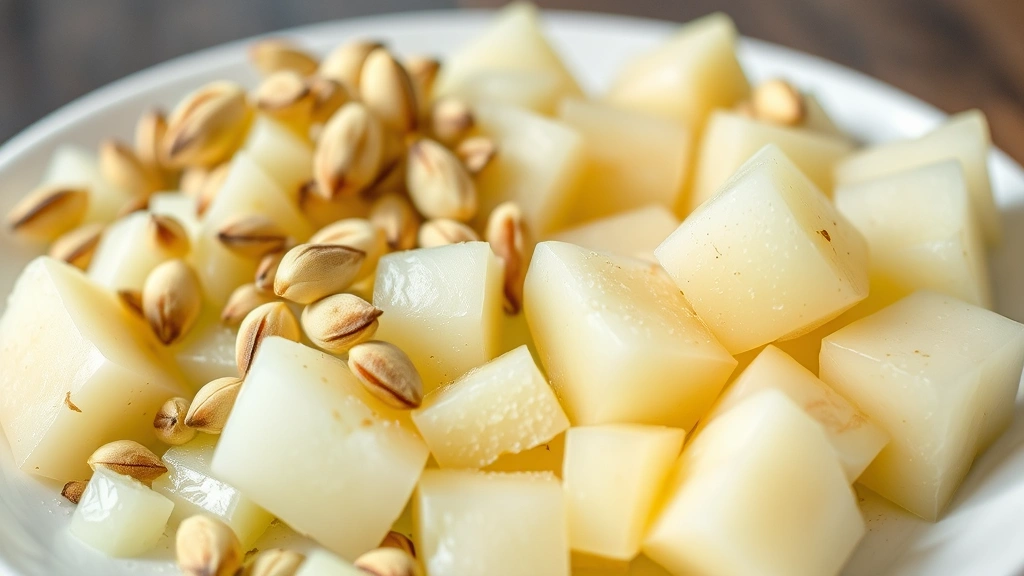
The seeds in honeydew are a legitimate concern. While they’re not toxic, they can pose a choking hazard, especially for smaller dogs or enthusiastic eaters who don’t chew properly. Always remove all seeds before offering honeydew to your dog. The rind is also a no-go zone—it’s tough, fibrous, and can cause intestinal blockages if swallowed. Stick to the soft, seedless flesh only, cut into appropriately sized pieces for your dog’s mouth.
Portion Control: How Much Honeydew Is Safe?
If you decide to give your dog honeydew, think “occasional treat,” not “daily snack.” A good rule of thumb is that treats should make up no more than 10% of your dog’s daily caloric intake. For a 50-pound dog eating about 1,000 calories daily, that’s roughly 100 calories from treats. A few small cubes of honeydew—maybe 2-3 pieces—would fit nicely into this budget. Larger dogs can handle slightly more, while toy breeds should get even tinier portions. Our guide on human food portion sizes for pets offers more detailed breakdowns.
Best Practices for Serving Honeydew to Dogs
If you’re going to share your honeydew with Fido, do it right. First, wash the outside thoroughly to remove any pesticides. Cut the melon in half, scoop out all the seeds (every single one), and remove the rind completely. Cut the flesh into small, bite-sized cubes appropriate for your dog’s size. You can serve it fresh and chilled—dogs often enjoy the refreshing factor on hot days—or even freeze small pieces for a longer-lasting treat. Never serve honeydew that’s been sitting out for hours, as it can develop harmful bacteria.
Dogs with Special Health Conditions
Certain dogs should skip honeydew altogether. If your pup has diabetes, obesity, or kidney disease, the sugar and water content could complicate their condition. Dogs with pancreatitis should also avoid high-sugar fruits. Senior dogs with dental issues might struggle with the texture. Always consult your vet before introducing new foods if your dog has any pre-existing health conditions. This is especially important if your dog is on a prescription diet. Visit vet approved human foods for pets for foods that have professional endorsement.
Healthier Alternatives to Honeydew
Want to give your dog a refreshing, hydrating treat without the sugar spike? Consider watermelon (seedless and rind-removed), which has even less sugar than honeydew. Blueberries are packed with antioxidants and come in perfect portion-control packages. Carrots offer a crunchy, low-calorie option that’s great for dental health. Pumpkin puree is nutrient-dense and supports digestion. If you’re looking for a comprehensive list of better options, check out healthy snack alternatives for dogs.
What to Do If Your Dog Eats Too Much Honeydew
Accidentally gave your pup the entire half of a honeydew melon? Don’t panic. A one-time overindulgence is unlikely to cause serious harm, but watch for signs of digestive distress over the next 24-48 hours. Vomiting, diarrhea, lethargy, or abdominal pain warrant a call to your vet. If your dog ate the seeds or rind, monitor for signs of intestinal blockage like loss of appetite, vomiting, or constipation. When in doubt, contact your veterinarian—they know your dog’s health history best.
Expert Veterinary Perspective
According to the American Kennel Club (AKC), while honeydew isn’t inherently dangerous, it shouldn’t be a dietary staple for dogs. PetMD emphasizes the importance of moderation with any human food, particularly those high in natural sugars. Veterinary nutritionists consistently recommend that dog owners focus on complete, balanced commercial diets and use human foods only as occasional treats. The consensus is clear: honeydew is fine in tiny amounts, but it’s not necessary for your dog’s health.
Frequently Asked Questions
Is honeydew toxic to dogs?
No, honeydew melon itself is not toxic to dogs. However, the seeds and rind can pose choking hazards or cause intestinal blockages, so always remove these parts before serving.
Can I give my dog honeydew every day?
No, you shouldn’t give your dog honeydew daily. The high sugar content makes it unsuitable as a regular snack. Limit it to occasional treats, just a few small pieces at a time.
How much honeydew can a dog eat?
Most dogs can safely eat 2-3 small cubes of honeydew as an occasional treat. Larger dogs might handle slightly more, while toy breeds should get even smaller portions. Always prioritize moderation.

Are honeydew seeds dangerous for dogs?
Yes, honeydew seeds can be a choking hazard and may cause intestinal blockages if swallowed. Always remove all seeds before offering any honeydew to your dog.
What’s better for dogs: honeydew or watermelon?
Watermelon is slightly better for dogs than honeydew because it contains less sugar. Both should be seedless and rind-removed, and both should be given only occasionally in small amounts.
Can honeydew cause diarrhea in dogs?
Yes, the high water content in honeydew can trigger diarrhea, especially in dogs with sensitive stomachs or those eating too much. Start with tiny portions and monitor your dog’s digestive response.
Should I ask my vet before giving my dog honeydew?
If your dog has diabetes, obesity, pancreatitis, kidney disease, or other health conditions, definitely consult your vet first. For healthy dogs, a small piece occasionally is generally fine, but your vet knows your dog’s individual needs best.
Final Verdict: Is Honeydew Good for Dogs?
So, circling back to the original question: is honeydew good for dogs? The answer is nuanced. Honeydew is safe for dogs in small, occasional amounts, but it’s not particularly beneficial either. The sugar content and potential choking hazards mean it should never be a dietary staple. If your dog shows interest in a piece, you can share a small cube as an occasional treat—just make sure you’ve removed all seeds and rind first. For regular treat options, you’re better off exploring what not to feed your dog and the healthier alternatives we’ve discussed. Your dog’s health is worth the extra effort of choosing better snack options. When in doubt, stick with vet-approved treats and save the honeydew for yourself!





