
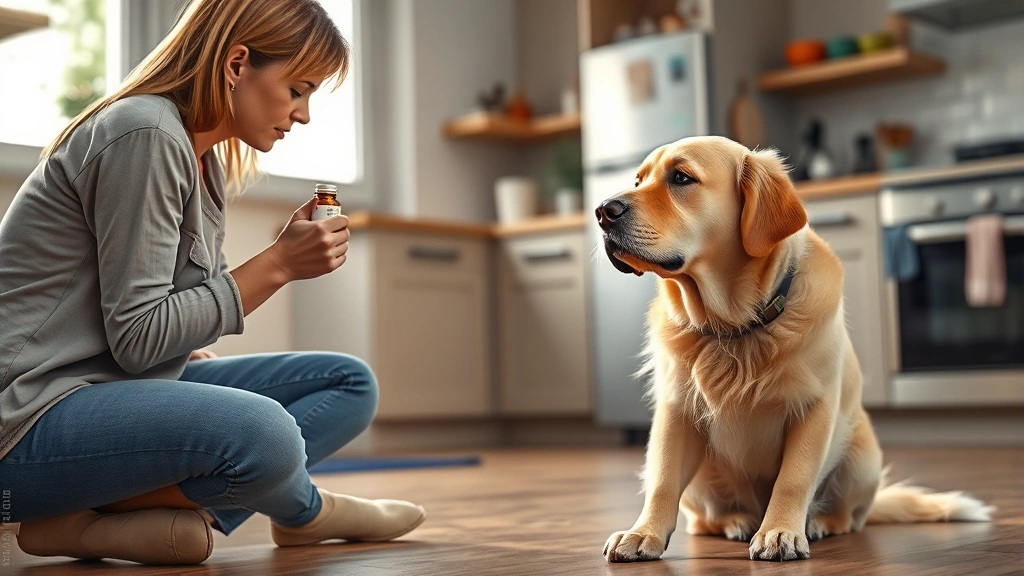
Is imodium safe for dogs? This is one of those questions that keeps pet parents up at night, especially when Fido’s got a case of the runs that won’t quit. The short answer? It’s complicated, and honestly, you should talk to your vet before reaching for that bottle in your medicine cabinet.
Table of Contents
- What Exactly Is Imodium and How Does It Work?
- Can Dogs Take Imodium? The Vet’s Perspective
- When Imodium Might Be Prescribed (And When It Absolutely Shouldn’t)
- Breed-Specific Risks: The MDR1 Gene Issue
- Signs Your Dog’s Diarrhea Needs Vet Attention (Not Imodium)
- Safe Alternatives to Imodium for Dogs
- What About Over-the-Counter Alternatives?
- The Importance of Professional Diagnosis
- Dosage Concerns and Overdose Risks
- When to Call Your Vet vs. When to Go to the ER
- Frequently Asked Questions
- Summary: The Bottom Line on Imodium for Dogs
What Exactly Is Imodium and How Does It Work?
Imodium (loperamide) is an over-the-counter anti-diarrheal medication that’s been a bathroom emergency hero for humans since the 1970s. It works by slowing down gut motility—basically telling your intestines to chill out and stop moving things along so fast. For people, it’s a game-changer. For dogs? Well, that’s where things get murky.
The medication binds to opioid receptors in the gut, which sounds fancy but essentially means it puts the brakes on intestinal movement. Your dog’s digestive system, however, operates under different rules than yours, and what works for you might not work the same way for your furry friend.
Can Dogs Take Imodium? The Vet’s Perspective
Here’s the thing: veterinarians don’t love Imodium for dogs, and there’s a legitimate reason. While PetMD acknowledges that some vets might prescribe it in specific situations, the consensus is pretty clear—there are better options available. In fact, many vets recommend avoiding it altogether unless they’ve specifically given you the green light.
The main concern? Imodium can trap bacteria and toxins inside your dog’s intestines, which is especially dangerous if your pup has an infection or inflammatory bowel condition. It’s like locking the doors when there’s a fire inside—not ideal.
When Imodium Might Be Prescribed (And When It Absolutely Shouldn’t)
Believe it or not, there are rare situations where a veterinarian might actually recommend Imodium for dogs. These are typically cases involving simple, non-infectious diarrhea in otherwise healthy dogs. We’re talking about that one-off digestive upset from eating something they shouldn’t have—not chronic diarrhea or serious gastrointestinal issues.
However, Imodium is absolutely contraindicated (fancy vet word for “don’t you dare use it”) in these scenarios:
- Infectious diarrhea: Bacterial, viral, or parasitic infections need to run their course, not be blocked up.
- Inflammatory bowel disease: Your dog’s immune system is already throwing a tantrum; Imodium will make it worse.
- Certain breeds: Some dogs, particularly herding breeds like Collies and Shelties, have genetic sensitivities to loperamide.
- Puppies and senior dogs: Their systems are more vulnerable to complications.
- Dogs with abdominal pain: If your pup is showing signs of distress, masking symptoms is dangerous.
Breed-Specific Risks: The MDR1 Gene Issue
Here’s something that doesn’t get talked about enough: some dog breeds carry a genetic mutation called MDR1 that makes them hypersensitive to certain medications, including loperamide. Collies, Australian Shepherds, Shetland Sheepdogs, and some mixed breeds can experience severe neurological side effects from Imodium.
If your dog is a herding breed or has herding breed ancestry, you absolutely need to discuss this with your vet before considering any anti-diarrheal medication. We’re talking potential tremors, dilated pupils, and neurological complications—serious stuff.
Signs Your Dog’s Diarrhea Needs Vet Attention (Not Imodium)
Before you even think about self-medicating your dog, recognize these red flags that scream “get to the vet immediately”:
- Blood or mucus in the stool
- Vomiting alongside diarrhea
- Lethargy or loss of appetite
- Fever or signs of pain
- Diarrhea lasting more than 24-48 hours
- Your puppy or senior dog having digestive issues
When you spot these signs, skip Imodium entirely and head straight to your veterinarian. They can run tests to identify the actual cause and prescribe appropriate treatment. This is also the perfect time to discuss your dog’s overall health and get pet nutrition advice tailored to their specific needs.
Safe Alternatives to Imodium for Dogs
The good news? There are actually several safer options for managing your dog’s diarrhea that vets prefer:
Probiotics and Prebiotics: These support healthy gut bacteria and are genuinely effective for many cases of simple diarrhea. Brands like Proviable and FortiFlora are vet-approved and work with your dog’s natural digestive system rather than against it.
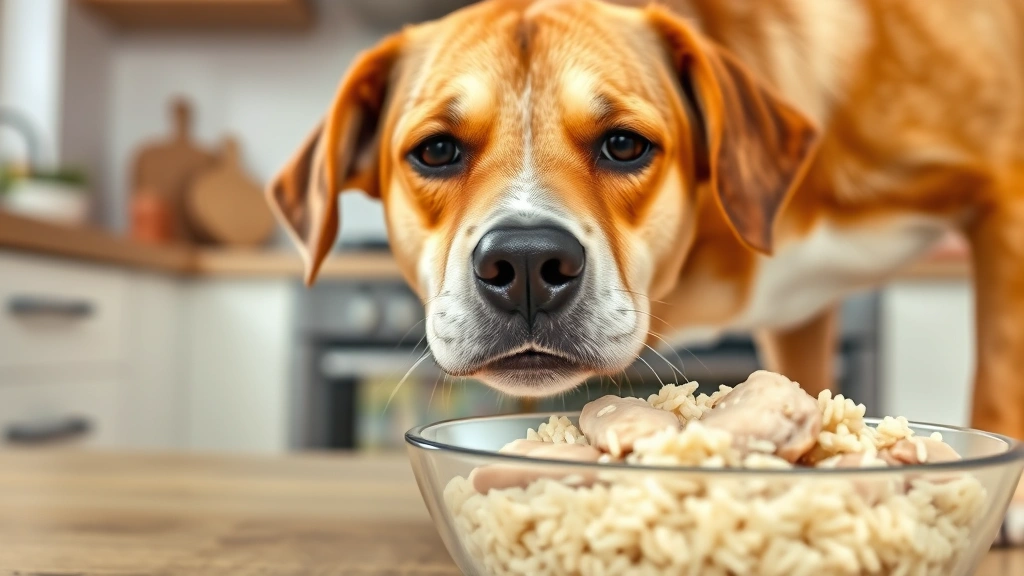
Bland Diet: The classic approach of boiled chicken and plain rice isn’t just old wives’ tale—it actually works. Give your dog’s digestive system a break from rich foods while it recovers.
Prescription Medications: Your vet might recommend medications like metronidazole or sulfasalazine, which address underlying causes rather than just masking symptoms.
Fiber Supplements: Psyllium husk or pumpkin puree can help regulate intestinal movement without the risks associated with Imodium.
For more detailed information about medication safety in dogs, check out our guide on carprofen dosage for dogs, which covers similar safety considerations for canine medications.
What About Over-the-Counter Alternatives?
If you’re determined to go the OTC route, there are better choices than Imodium. Kaolin-pectin products are gentler and less likely to cause complications. However—and this is important—even these should only be used under veterinary guidance.
The reality is that your vet has access to diagnostic tools you don’t. They can determine whether your dog’s diarrhea is something simple that can be managed at home or something requiring prescription treatment. Self-diagnosis and self-medication, even with “safer” options, can delay proper treatment and put your dog at risk.
The Importance of Professional Diagnosis
Here’s what really matters: diarrhea is a symptom, not a disease. It’s your dog’s body’s way of saying something’s wrong, and you need to figure out what that something is. Is it a food sensitivity? A bacterial infection? Stress? A foreign object in the intestines? Inflammatory bowel disease?
Imodium doesn’t address any of these underlying causes—it just hides the symptom. It’s like putting duct tape on your check engine light instead of fixing the engine. Your vet can help you identify the root cause and treat it properly.
If you’re worried about emergency situations, consider looking into emergency food poisoning telehealth services that can provide quick professional guidance when your regular vet isn’t available.
Dosage Concerns and Overdose Risks
Even if your vet does recommend Imodium (and they might, in very specific circumstances), dosing is critical. The typical dose for dogs is 0.1 mg per pound, given two to three times daily. But here’s the thing—most Imodium products sold for humans come in doses meant for adult people, not 15-pound Chihuahuas.
Overdose can cause serious complications including constipation, bloating, and neurological issues. This is another reason why self-medication is risky. You need professional guidance to ensure proper dosing, monitoring, and follow-up care.
When to Call Your Vet vs. When to Go to the ER
Not every case of doggy diarrhea requires an emergency visit, but some definitely do. Call your regular vet during business hours if diarrhea lasts more than a couple of days or if your dog seems otherwise healthy but has loose stools. Head to the emergency vet immediately if you notice blood, severe pain, vomiting, fever, or if your dog is a puppy or senior.
Your vet can guide you through home management for mild cases and prescribe appropriate treatment for more serious situations. They might recommend supportive care like IV fluids for dehydrated dogs or specific medications targeting the underlying cause.
Frequently Asked Questions
Can I give my dog Imodium without a vet’s approval?
Technically, you can buy it without a prescription, but you shouldn’t. Imodium poses real risks for dogs, and using it without professional guidance could harm your pet. Always consult your veterinarian first.
What’s the safest way to treat my dog’s diarrhea at home?
For mild, uncomplicated diarrhea, try a bland diet of boiled chicken and rice, ensure your dog stays hydrated, and add a quality probiotic. If symptoms persist beyond 24-48 hours, contact your vet.
Are there dog-specific anti-diarrheal medications?
Yes, your vet can prescribe medications specifically formulated for dogs that are safer than human Imodium. They’ll also address the underlying cause rather than just masking symptoms.
Is Imodium safe for all dog breeds?
No. Herding breeds carrying the MDR1 gene mutation are particularly at risk. Even for other breeds, the risks often outweigh benefits. Your vet should evaluate your specific dog’s health status.
How long is diarrhea normal in dogs?
A single episode isn’t concerning, but if it lasts more than 24-48 hours, involves blood, or your dog shows other symptoms, it’s time to call the vet.
Summary: The Bottom Line on Imodium for Dogs
So, is Imodium safe for dogs? The honest answer is: probably not, and definitely not without veterinary approval. While it might seem like a convenient solution to your dog’s digestive troubles, the risks—from trapping harmful bacteria to causing neurological complications in sensitive breeds—make it a poor choice for most situations.
Your dog’s health is too important to gamble with over-the-counter medications. Instead, reach out to your vet, describe what’s going on, and let them guide you toward safe, effective treatment. In most cases of simple diarrhea, supportive care with probiotics, a bland diet, and time will do the trick. And for more complicated cases, your vet has better tools in their arsenal than Imodium.
Remember, diarrhea is your dog’s body’s way of communicating that something needs attention. Listen to that message, consult a professional, and help your pup feel better the right way.





