
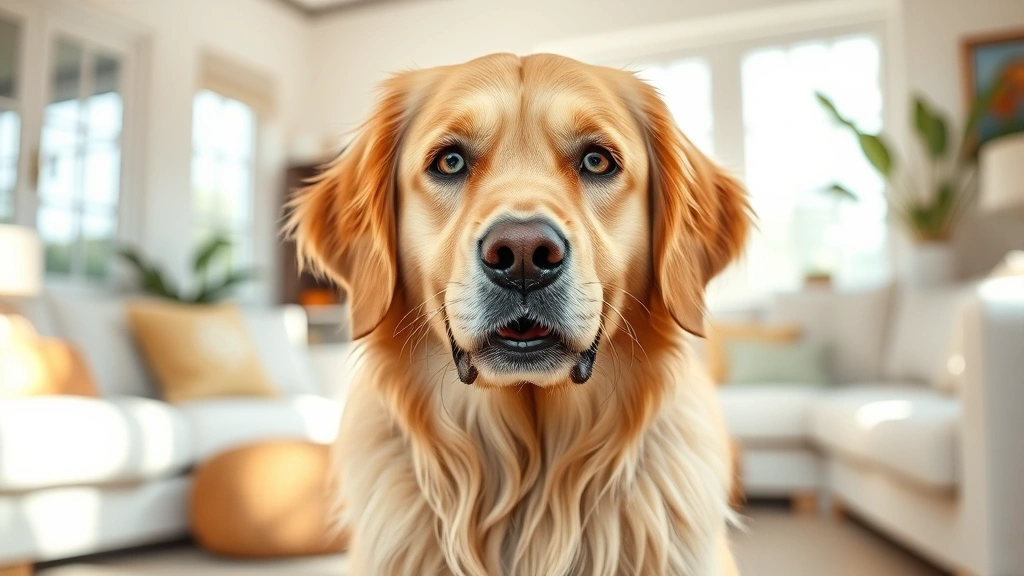
So you’re wondering: is it cruel to keep a blind dog? The short answer is absolutely not—and honestly, it might be one of the most rewarding experiences you’ll ever have as a pet owner. Blind dogs aren’t suffering from some tragic fate that demands they be put down. In fact, most blind dogs adapt remarkably well and continue living happy, fulfilling lives with their families.
Table of Contents
- Why Blind Dogs Aren’t Suffering the Way You Think
- Understanding Canine Vision Loss and Adaptation
- Creating a Safe Environment for Your Blind Dog
- Nutrition and Health Considerations for Blind Dogs
- Exercise and Play for Vision-Impaired Dogs
- The Emotional Bond Between Blind Dogs and Their Owners
- Addressing the “Quality of Life” Concern
- When Euthanasia Might Be Considered
- Real Stories: Blind Dogs Living Their Best Lives
- Making the Decision: Keeping Your Blind Dog
- Frequently Asked Questions
- Conclusion: The Truth About Blind Dogs
Let me be real with you: when a dog goes blind, it’s not the end of the world for them. Dogs don’t experience blindness the way humans do. They don’t spend their days mourning their lost sight or feeling sorry for themselves. Instead, they rely on their other incredible senses—smell, hearing, and touch—to navigate their world. Many blind dog owners report that their pets seem just as happy, playful, and engaged as they were before losing their vision.
Why Blind Dogs Aren’t Suffering the Way You Think
Here’s the thing about dogs: they live in the moment. They don’t have the existential crisis that we might imagine. A blind dog doesn’t understand that it’s “supposed” to see. It just knows that it can smell its favorite treat from across the room, hear its owner’s footsteps, and feel the couch beneath its paws.
Dogs have approximately 300 million olfactory receptors compared to our measly 6 million. That means a blind dog is literally experiencing a richer sensory world through smell than you are through sight. They’re not at a disadvantage—they’re just using a different toolkit to understand their environment.
Understanding Canine Vision Loss and Adaptation
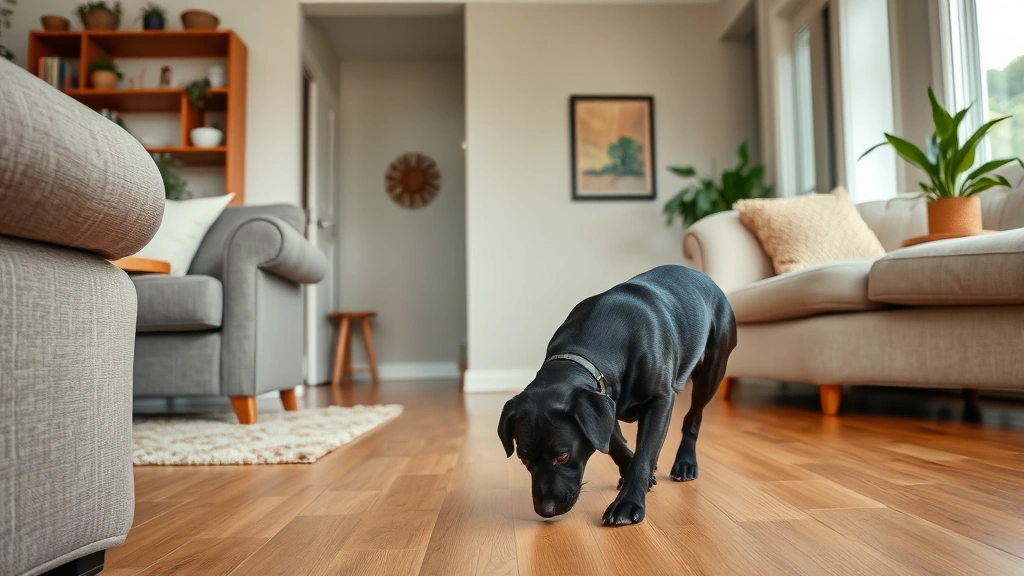
When dogs lose their vision, whether from age-related conditions, cataracts, or other health issues, their brains are incredibly plastic. They adapt faster than you’d think. Within a few weeks, most blind dogs figure out the layout of their home and move around with surprising confidence. They learn to navigate stairs, avoid obstacles, and locate their food and water bowls without any trouble.
The adjustment period is usually harder on the owner than the dog. We’re the ones feeling guilty and worried. Our blind dogs? They’re just getting on with their lives. Studies show that blind dogs have the same quality of life and longevity as sighted dogs when properly cared for.
Creating a Safe Environment for Your Blind Dog
Keeping a blind dog safe does require some adjustments to your home, but these are straightforward and manageable. You’ll want to keep furniture in consistent places so your dog knows where things are. Baby gates become your friends for blocking off stairs or dangerous areas. Some owners use scent markers—like vanilla extract on furniture corners—to help their dogs navigate.
Many blind dogs benefit from consistent routines. They learn when it’s time for walks, meals, and playtime. This predictability actually makes them feel more secure and confident. It’s not cruel—it’s just smart pet parenting.
Nutrition and Health Considerations for Blind Dogs
Blind dogs need the same nutritional support as sighted dogs, though you might need to adjust how you feed them. Some owners find that pet dietary restrictions become relevant if their blind dog also develops other age-related conditions. Keeping your blind dog at a healthy weight is actually more important than ever, since excess weight can make navigation harder.
If your blind dog is on medication, appetizing foods for pets on medication can help ensure they’re taking their meds without stress. And don’t forget about healthy snack alternatives for dogs—blind dogs still love treats, and using treats as positive reinforcement during training is incredibly effective.
Exercise and Play for Vision-Impaired Dogs
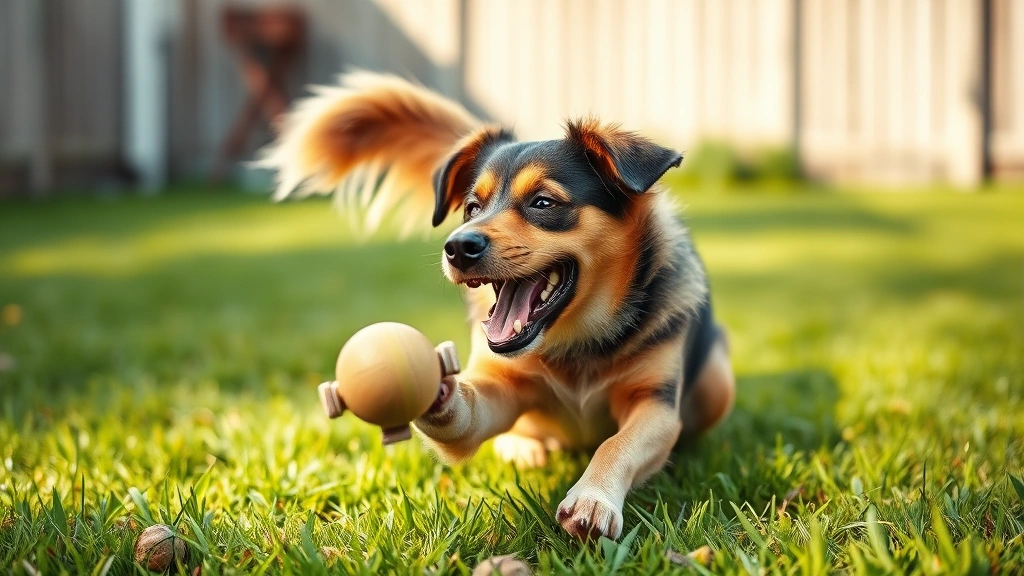
You might think a blind dog can’t play, but you’d be wrong. Blind dogs can absolutely enjoy exercise and play, though you’ll need to adapt activities. Swimming is fantastic because the water provides feedback about their body position. Leashed walks let them explore safely. Many blind dogs enjoy playing with toys that make noise or smell interesting.
Some owners use verbal cues and hand signals to play fetch or other games. Others discover that their blind dogs are perfectly happy just lounging around—and that’s fine too. Every dog has different energy levels, blind or not.
The Emotional Bond Between Blind Dogs and Their Owners
Here’s something beautiful that blind dog owners consistently report: the bond deepens. When you’re caring for a dog with special needs, you become more attuned to their personality and preferences. You learn to read their subtle cues. You celebrate small victories. And your blind dog becomes incredibly bonded to you because you’re their guide and their safety.
Blind dogs often become more affectionate and clingy than they were before, and honestly, most owners don’t mind one bit. There’s something special about being someone’s eyes in the world.
Addressing the “Quality of Life” Concern
The real question behind “is it cruel to keep a blind dog” is usually about quality of life. So let’s address it directly: blind dogs have excellent quality of life when they’re loved, cared for, and given appropriate accommodations. They play, they eat, they sleep in sunny spots, they snuggle with their humans. They do all the things dogs do.
The only time it becomes cruel is if an owner refuses to make any accommodations and expects their blind dog to navigate a hazardous environment. But that’s not keeping a blind dog—that’s neglect, and it applies to sighted dogs too. If you’re asking this question, you’re already thinking about your dog’s welfare, which means you’re not the problem.
When Euthanasia Might Be Considered
Let’s be honest: there are situations where euthanasia might be the kindest choice, but blindness alone is never one of them. If a dog is in constant, untreatable pain, or if they have multiple serious conditions that severely impact their quality of life, then end-of-life decisions make sense. But a healthy, blind dog? That dog deserves a life.
Your veterinarian can help you assess your specific dog’s situation and overall health. They can discuss what conditions might genuinely impact quality of life versus what’s simply a sensory adjustment.
Real Stories: Blind Dogs Living Their Best Lives
There are thousands of blind dogs thriving in homes across the country right now. They’re hiking with their owners, playing with other dogs, and bringing joy to their families every single day. Some blind dogs are even therapy animals, helping humans who are struggling. If that doesn’t prove that blindness doesn’t define a dog’s worth or happiness, I don’t know what does.
Senior dogs often go blind from conditions like soft treat recipes for senior pets can help support—they adapt beautifully. Young dogs who lose their sight due to injury or illness bounce back with remarkable resilience. Dogs are incredible creatures.
Making the Decision: Keeping Your Blind Dog
If you’re at a crossroads wondering whether to keep your newly blind dog or not, here’s my perspective: give it time. Give your dog a chance to adjust. Make reasonable accommodations. Consult with your vet about their overall health. Most blind dogs will surprise you with their resilience and joy.
The decision to keep a blind dog is not cruel—it’s compassionate. It’s saying, “You’re still my family member, and your blindness doesn’t change that.” Dogs don’t judge themselves by their abilities. They just want to be with their people.
Frequently Asked Questions
Can a blind dog live a normal lifespan?
Yes, absolutely. Blindness itself doesn’t shorten a dog’s lifespan. A blind dog can live just as long as a sighted dog, assuming they’re healthy otherwise. Many blind dogs live well into their senior years, enjoying their retirement alongside their families.
How long does it take a blind dog to adjust?
Most blind dogs adjust within 2-4 weeks, though some adapt even faster. The key is maintaining consistent routines and keeping their environment safe and predictable. You’ll likely see significant improvement in their confidence and navigation skills within the first month.
Do blind dogs need special food or supplements?
Not necessarily, though you should discuss nutrition with your vet. Some conditions that cause blindness might benefit from specific supplements, but blindness itself doesn’t require dietary changes. Focus on maintaining a healthy weight and providing balanced nutrition, just like with any dog.
Is it safe to take a blind dog on walks?
Yes, with proper precautions. Use a short leash to keep them close, avoid busy streets, and stick to familiar routes. Many blind dogs love their walks because they get to explore with their nose. Just be mindful of obstacles and hazards.
Will my blind dog be depressed?
Dogs don’t experience depression about their disabilities the way humans do. If your blind dog seems depressed, it’s usually due to lack of stimulation or engagement, not blindness itself. Keep them mentally and physically active, and most will remain happy and engaged.
Can blind dogs play with other dogs?
Many can, yes. Some blind dogs enjoy playing with other dogs just fine, especially if they know the other dog well. Others prefer solo play or interaction with humans. It depends on the individual dog’s personality and comfort level.
Conclusion: The Truth About Blind Dogs
Is it cruel to keep a blind dog? No. It’s kind, compassionate, and often incredibly rewarding. Blind dogs aren’t suffering from some fate worse than death. They’re living, loving, thriving members of their families who happen to navigate the world differently than sighted dogs.
What’s actually cruel is the misconception that blindness equals a life not worth living. It doesn’t. Blind dogs deserve the same love, care, and second chances that any dog deserves. They’ll teach you about resilience, adaptation, and unconditional love in ways you never expected.
If you’re considering keeping your dog after vision loss, do it. Make the accommodations, consult your vet, and give your dog the chance to show you just how amazing they can be. You won’t regret it.





