
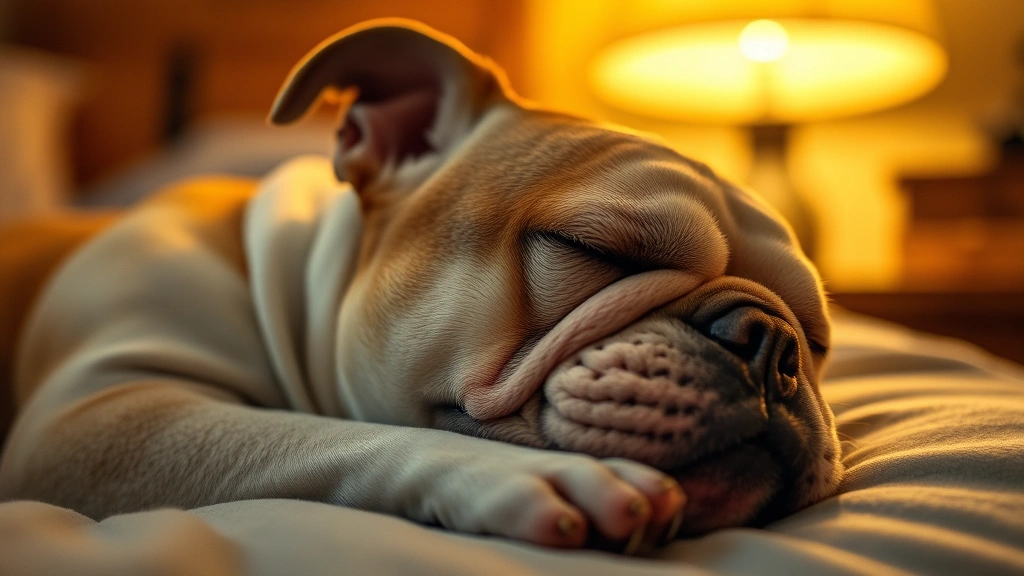
Is it normal for a dog to snore? Yes, absolutely—but like your Uncle Jerry’s chainsaw-like sounds at Thanksgiving, there’s a spectrum of normalcy here. Some dogs snore softly and adorably, while others sound like they’re auditioning for a heavy metal band. Let’s dig into why your furry friend has become a nighttime noise machine and when you should actually worry about it.
Table of Contents
- Why Do Dogs Snore? The Anatomy Behind the Noise
- Breed Predisposition: Which Dogs Are Natural Snorers?
- Common Causes of Dog Snoring: More Than Just Anatomy
- When Dog Snoring Becomes a Health Concern
- Sleep Apnea in Dogs: The Serious Side of Snoring
- Simple Solutions to Reduce Your Dog’s Snoring
- When to Schedule a Vet Visit
- Surgical Options for Severe Cases
- The Bottom Line: Is Your Dog’s Snoring Normal?
- Frequently Asked Questions
Why Do Dogs Snore? The Anatomy Behind the Noise
Dogs snore for pretty much the same reason humans do: airway obstruction during sleep. When your pup drifts off, their muscles relax—including those in the throat and soft palate. If the airway narrows even slightly, air passing through creates vibrations, and boom, you’ve got snoring. It’s physics, really. The sound happens in the pharynx, that area at the back of the throat where air travels to the lungs.
Think of it like a partially closed window during a windstorm. The wind (air) pushes through the gap (narrowed airway) and creates a whistling sound (snoring). Some dogs are just anatomically predisposed to this. Their breed, size, and individual throat structure all play a role in whether they’ll become your bedroom’s personal sleep soundtrack.
Breed Predisposition: Which Dogs Are Natural Snorers?
Certain breeds are basically born snorers. Brachycephalic breeds—those with flat, pushed-in faces—are the usual suspects. We’re talking Bulldogs, Pugs, Shih Tzus, Boxers, and French Bulldogs. These guys have shorter muzzles, which means their airways are naturally more crowded. It’s like trying to fit a highway’s worth of traffic through a country road.
But here’s the thing: not all snoring in these breeds is harmless. While light snoring might just be their normal breathing pattern, heavier snoring could indicate brachycephalic obstructive airway syndrome (BOAS), which is a legitimate health concern. Even smaller breeds like Chihuahuas can develop snoring habits, though it’s less breed-typical.
Common Causes of Dog Snoring: More Than Just Anatomy
Beyond breed characteristics, several factors can trigger or worsen snoring in dogs:
Obesity: Excess weight puts pressure on the airway and makes snoring more likely. Dogs carrying extra pounds have fatty deposits around the throat that narrow the breathing passage. This is one reason maintaining your dog’s healthy weight is crucial. If your pup is overweight, check out our guide on obesity and human food treats to understand how diet impacts weight.
Allergies: Seasonal or environmental allergies cause inflammation in the nasal passages and throat, leading to snoring. If your dog snores more during certain seasons, allergies might be the culprit.
Infections: Upper respiratory infections, sinus infections, or even dental disease can cause temporary snoring. Usually, these resolve once the infection clears.
Sleep Position: Dogs sleeping on their backs or in certain curled positions might snore more than others. It’s just how their airway aligns when they’re in that particular pose.
Age: Older dogs tend to snore more as their throat muscles lose tone. It’s part of the aging process, similar to humans.
When Dog Snoring Becomes a Health Concern
Here’s where we separate the cute snores from the concerning ones. Not all snoring is created equal. You should contact your vet if you notice:
Gasping or choking episodes: If your dog seems to stop breathing momentarily or gasps awake, this could indicate sleep apnea.

Excessive daytime sleepiness: If your pup is lethargic and sleeping way more than usual, poor sleep quality from breathing issues might be the cause.
Difficulty breathing while awake: Snoring that’s accompanied by labored breathing during the day is a red flag.
Sudden onset: If your dog never snored and suddenly starts, something has changed—allergies, infection, or weight gain.
Accompanied by other symptoms: Snoring plus coughing, wheezing, nasal discharge, or reverse sneezing warrants a vet visit.
Conditions like CHF in dogs can cause fluid accumulation that leads to breathing difficulties and snoring, so it’s worth getting checked out if you’re concerned.
Sleep Apnea in Dogs: The Serious Side of Snoring
Canine sleep apnea is when a dog’s breathing repeatedly stops and starts during sleep. It’s more common in brachycephalic breeds and overweight dogs. Unlike regular snoring, sleep apnea actually disrupts sleep quality and can strain the heart over time.
Signs include gasping awake, restless sleep, or waking up seeming confused. If you suspect your dog has sleep apnea, your vet can perform tests and recommend interventions. Weight loss is often the first line of treatment, followed by surgical options if necessary for severe cases.
Simple Solutions to Reduce Your Dog’s Snoring
Maintain a Healthy Weight: This is the single most impactful thing you can do. Extra weight directly contributes to airway obstruction. Work with your vet to develop a weight management plan. Choosing appropriate healthy pet treats can help you maintain your dog’s weight without sacrificing snack time.
Adjust Sleep Position: Try placing a bed that encourages side-sleeping rather than back-sleeping. Some dogs naturally adjust when given the right support.
Use a Humidifier: Adding moisture to the air can reduce airway inflammation and ease snoring, especially if allergies are involved.
Elevate the Head: Raising your dog’s head while sleeping can help keep the airway more open. Use an elevated dog bed or extra cushions.
Address Allergies: If seasonal allergies are the culprit, work with your vet on allergy management. This might include supplements, medications, or dietary changes like adding calming foods for anxious pets that can support overall wellness.

Keep Airways Clear: Regular grooming, especially for breeds with facial folds, prevents infections that cause swelling and snoring.
When to Schedule a Vet Visit
Your vet is your best resource for determining whether your dog’s snoring is normal or concerning. They can perform a physical exam, listen to your dog’s breathing, and recommend diagnostic tests if needed. Modern veterinary medicine offers tools like remote pet health monitoring to track your dog’s sleep patterns and breathing over time, which can help identify issues early.
Bring a video of your dog snoring to the appointment if possible. This helps your vet assess the severity and characteristics of the snoring.
Surgical Options for Severe Cases
If your dog’s snoring is caused by structural issues and conservative treatments haven’t helped, surgery might be an option. Procedures like soft palate reduction or nares enlargement (widening the nostrils) can help brachycephalic breeds breathe more easily. These surgeries are typically performed by veterinary surgeons and can significantly improve quality of life.
The Bottom Line: Is Your Dog’s Snoring Normal?
Light snoring in healthy dogs, especially brachycephalic breeds, is generally normal and harmless. It’s just part of who they are. However, loud snoring, especially if it’s new or accompanied by other symptoms, deserves attention. The key is knowing your dog’s baseline and recognizing changes.
Most importantly, don’t dismiss snoring as purely cute and harmless without at least mentioning it to your vet during check-ups. Early intervention for breathing issues can prevent serious complications down the road.
Frequently Asked Questions
Is snoring in dogs a sign of sleep apnea?
Snoring alone doesn’t automatically mean sleep apnea, but it can be a symptom. Sleep apnea involves actual breathing pauses, not just noise. If your dog gasps awake or seems to stop breathing, that’s more concerning than simple snoring.
Can dog snoring be cured?
It depends on the cause. Weight-related snoring improves with weight loss. Infection-related snoring resolves when the infection clears. Breed-related snoring is harder to eliminate without surgery, but it can often be managed with lifestyle adjustments.
Is snoring worse in older dogs?
Yes, snoring typically increases with age as throat muscles lose elasticity and tone. This is normal aging, but it’s still worth monitoring for changes or worsening symptoms.
Should I be worried if my dog snores loudly?
Loud snoring isn’t automatically dangerous, but it warrants a vet evaluation, especially if it’s new or accompanied by breathing difficulties during the day. Your vet can determine if it’s just noise or if there’s an underlying issue.
Can allergies cause dog snoring?
Absolutely. Allergies cause inflammation in the nasal passages and throat, which narrows the airway and triggers snoring. If snoring is seasonal, allergies are a likely culprit.
Do all Bulldogs snore?
Most Bulldogs snore to some degree due to their brachycephalic structure, but the severity varies. Some snore quietly while others sound like they’re running a chainsaw.





