

So your cat just devoured half your dog’s dinner, and now you’re spiraling into pet parent panic mode. Is it ok for cats to eat dog food? The short answer: occasionally, it won’t cause immediate catastrophe, but regularly feeding your feline friend dog food is like asking them to survive on pizza—technically possible, but nutritionally disastrous. Let’s dig into why cats and dogs need completely different fuel tanks.
Table of Contents
- Why Cats and Dogs Have Different Nutritional Needs
- The Taurine Problem: Why Your Cat Needs It and Dog Food Lacks It
- Protein Content: More Isn’t Always Better, But Less Is Definitely Worse
- Fat and Caloric Density Differences
- Vitamin and Mineral Imbalances to Watch Out For
- What Happens If Your Cat Eats Dog Food Occasionally?
- Signs Your Cat Is Suffering from Poor Nutrition
- How to Stop Your Cat from Eating Dog Food
- The Bottom Line on Cat Nutrition
- When to Call Your Vet About Your Cat’s Diet
- Frequently Asked Questions
Why Cats and Dogs Have Different Nutritional Needs
Here’s the thing: cats are obligate carnivores, while dogs are opportunistic omnivores. That’s not just fancy vet speak—it’s a fundamental difference in how their bodies process food. Cats evolved as hunters who needed massive amounts of protein and specific amino acids like taurine to survive. Dogs? They’re more flexible eaters who can actually synthesize certain nutrients from plant-based sources.
This means your cat’s digestive system is basically a specialized protein-processing machine. When you feed them dog food consistently, you’re essentially asking a Ferrari to run on regular unleaded instead of premium fuel. It works temporarily, but the engine starts complaining real fast.

The Taurine Problem: Why Your Cat Needs It and Dog Food Lacks It
Let’s talk about taurine, the MVP of feline nutrition. This amino acid is absolutely critical for cats—it supports heart health, vision, and reproductive function. Here’s the kicker: cats can’t manufacture taurine on their own like dogs can. They need it from their diet, specifically from meat sources.

Most quality cat foods are fortified with taurine because manufacturers know this is non-negotiable. Dog food? Not so much. Many dog foods contain adequate taurine for canine needs, but not nearly enough for a cat’s requirements. Feed your cat dog food long-term, and you’re looking at potential heart disease (dilated cardiomyopathy) down the line. That’s not a risk worth taking.

Protein Content: More Isn’t Always Better, But Less Is Definitely Worse
Dog food typically contains 18-25% protein, which is perfectly fine for your pup. Cat food? It should have 30-40% protein minimum. This isn’t arbitrary—cats literally need more protein to maintain muscle mass and metabolic function.

When you feed your cat dog food, they’re getting underfed on their most critical macronutrient. It’s like serving a bodybuilder rice cakes for every meal. Eventually, muscle wasting becomes a real concern, and your once-robust kitty starts looking like a furry skeleton.

Fat and Caloric Density Differences
Dog food is often lower in fat content than cat food because dogs don’t need as much dietary fat for optimal health. Cats, on the other hand, thrive on higher fat content—they actually metabolize it more efficiently than dogs do.

The caloric mismatch also matters. If your cat eats dog food, they might need to consume larger quantities to get the calories they need, which can lead to weight gain and digestive issues. It’s a lose-lose situation nutritionally speaking.

Vitamin and Mineral Imbalances to Watch Out For
Cat-specific formulations are carefully balanced with the right ratios of vitamins and minerals that feline bodies require. Dog food doesn’t prioritize these the same way. Vitamin A levels, for instance, need to be higher in cat food because cats can’t convert beta-carotene into usable vitamin A like dogs can.

Over time, these nutritional gaps create deficiencies that manifest as dull coat, weak immune function, and increased susceptibility to illness. Check out our guide on pet dietary restrictions to understand how species-specific nutrition actually works.
What Happens If Your Cat Eats Dog Food Occasionally?
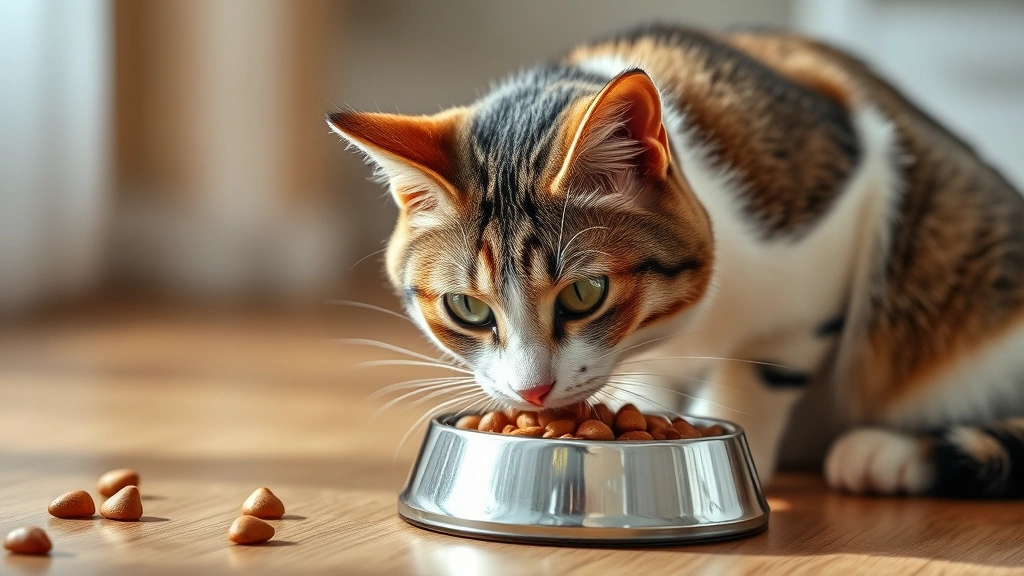
Here’s where I give you the reassuring news: if your cat sneaks a few kibbles of dog food or finishes the bowl once in a blue moon, they’re not going to develop scurvy or drop dead on the spot. Cats are resilient creatures. One-time or occasional consumption isn’t an emergency.

The danger zone is regular or exclusive feeding of dog food. That’s when nutritional deficiencies start compounding, and health problems emerge. Think of it like this: your cat can survive on dog food the way you could survive on gas station hot dogs, but it’s not a lifestyle plan.

Signs Your Cat Is Suffering from Poor Nutrition
If your cat has been eating dog food regularly, watch for these warning signs: dull, flaky coat; weight loss or excessive weight gain; lethargy; vomiting or diarrhea; and poor litter box habits. Some cats develop behavioral issues too—increased aggression or anxiety can sometimes signal nutritional stress.
The most serious concern is cardiomyopathy from taurine deficiency, which might not show obvious symptoms until it’s advanced. This is why preventative nutrition matters so much. For more information on what foods can actually harm your cat, review our article on harmful foods for cats.
How to Stop Your Cat from Eating Dog Food
Prevention is way easier than treatment. Here are practical strategies: feed your pets in separate rooms, use timed feeders that open only for specific pets, elevate the cat’s food bowl so the dog can’t reach it, or feed them on different schedules. Some pet parents use microchip feeders that only open for the correct animal—technology solving pet problems since 2010.
Make sure your cat’s food is actually appealing and fresh. Sometimes cats eat dog food simply because it’s available and their own meal is boring or stale. Rotate protein sources, keep food fresh, and make mealtime enticing.
The Bottom Line on Cat Nutrition
Your cat evolved to eat meat, specifically formulated diets that meet their unique nutritional requirements. Dog food doesn’t cut it as a primary diet, even though it’s tempting to think “it’s all just pet food, right?” Wrong. Species-specific nutrition isn’t marketing hype—it’s biology.
Invest in quality cat food formulated specifically for felines. Your veterinarian can recommend brands that meet AAFCO standards for complete and balanced cat nutrition. It’s genuinely worth the extra cost when you consider the medical bills you’ll avoid down the road. For guidance on maintaining overall pet food safety, check out our pet food safety resource.
When to Call Your Vet About Your Cat’s Diet
If your cat has been eating dog food exclusively for weeks or months, schedule a vet appointment. Your veterinarian can run bloodwork to check for nutritional deficiencies and assess your cat’s overall health. They might recommend supplements or a gradual transition back to proper cat food.
Also reach out if you notice any of those warning signs mentioned earlier—behavioral changes, digestive issues, or physical deterioration. Your vet can determine whether it’s diet-related or something else entirely. Early intervention prevents serious complications.
Frequently Asked Questions
Can cats eat dog food for a few days?
Yes, occasional consumption won’t cause immediate harm. However, avoid making it a regular habit. A few days of dog food won’t create deficiencies, but it shouldn’t become the norm. If you’re in a pinch, it’s a temporary solution, not a long-term strategy.
Is dog food toxic to cats?
Dog food itself isn’t toxic in the way that chocolate or xylitol would be. However, it lacks essential nutrients cats need and contains inadequate taurine, making it nutritionally inappropriate for feline health when fed regularly.
What should I do if my cat only eats dog food?
Transition gradually to cat food by mixing increasing amounts of proper cat food with the dog food over 7-10 days. If your cat refuses cat food entirely, consult your vet. They can identify underlying issues or recommend specific cat food formulations that might appeal to your picky eater.
Can I feed my cat and dog the same food?
Not as a primary diet for the cat. While some premium pet foods are formulated to meet both species’ needs, these are rare and specifically labeled. Standard dog food simply doesn’t meet feline nutritional requirements. Stick with species-specific options.
How much taurine does a cat need daily?
Cats require approximately 10-20 mg of taurine per kilogram of body weight daily. Most quality commercial cat foods contain adequate taurine, but dog food typically doesn’t. This is why the distinction matters.
Will my cat get sick from eating dog food once?
One meal or a few stolen kibbles won’t cause illness. Cats have some nutritional flexibility for short periods. Chronic feeding of dog food is what creates health problems. Don’t panic if your cat sneaks some dog food occasionally.





