
Is It Safe for Dogs to Eat Cat Food? What Vets Say
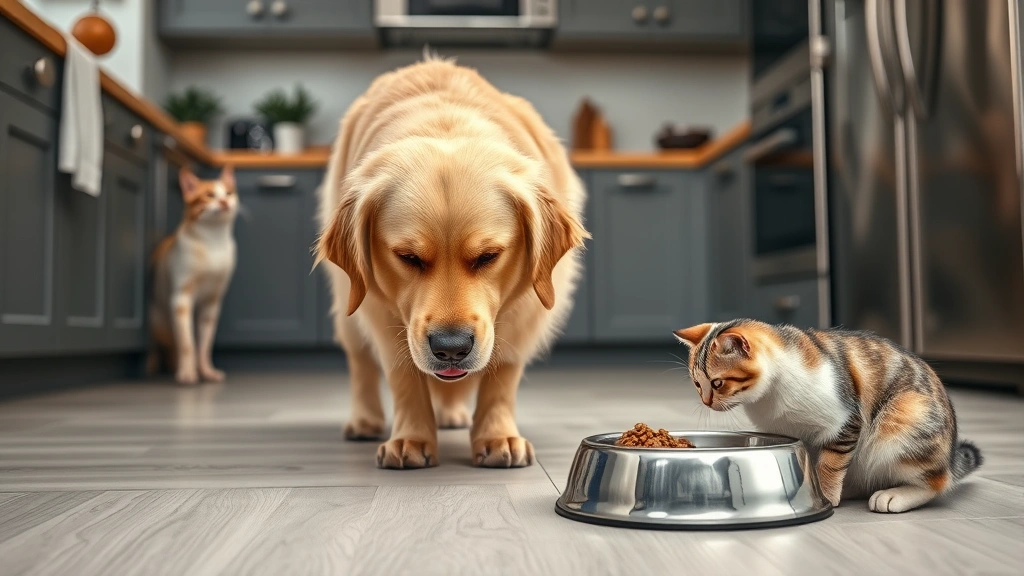
Picture this: you’re standing in your kitchen, and your beloved canine companion has just snuck a mouthful of kibble from your cat’s bowl. Your heart skips a beat. Is this a veterinary emergency, or are you overthinking it? The truth is, most dogs who occasionally nibble on cat food won’t suffer serious consequences, but it’s definitely not something you should encourage. Let’s dive into what veterinarians actually say about this surprisingly common household dilemma.
The relationship between dogs and cat food is more complicated than a simple yes or no answer. While an occasional snack from the feline’s dinner bowl probably won’t land your pup in the emergency vet clinic, making it a habit could lead to some genuine health concerns. Understanding the nutritional differences, potential risks, and practical solutions will help you keep both your furry friends healthy and happy.
As a multi-pet household owner, you’re likely wondering whether you need to completely restructure your feeding routine or if you can relax a little. The answer lies in understanding why cat food and dog food are formulated differently in the first place, and what happens when dogs regularly consume a diet designed for their feline housemates.
Nutritional Differences Between Cat and Dog Food
The fundamental reason why cat food and dog food are different comes down to biology. Cats are obligate carnivores, meaning they absolutely require meat-based nutrients to survive. Dogs, on the other hand, are facultative carnivores—they can survive on a more varied diet that includes plant-based ingredients. This evolutionary difference is reflected in how their respective foods are formulated.
Cat food typically contains significantly higher protein levels, often ranging from 30 to 40 percent or more. Dog food, by contrast, usually contains between 15 and 25 percent protein, which is perfectly adequate for canine nutritional needs. This isn’t just a minor difference—it’s a fundamental distinction in dietary philosophy. When you’re considering whether it’s okay for dogs to eat cat food, this protein difference is your first red flag.
Another critical distinction involves taurine, an amino acid that cats cannot produce on their own and must obtain from their diet. Dog food doesn’t need to be supplemented with taurine because dogs synthesize it naturally. Cat food, however, is fortified with taurine to meet feline requirements. While this isn’t harmful to dogs, it’s unnecessary and represents the fundamental difference in nutritional priorities between species.
Fat content also differs between the two. Cat food contains higher fat levels to provide the concentrated calories cats need, while dog food is formulated with more moderate fat content. Additionally, cat food often contains different vitamin and mineral ratios tailored to feline metabolism. Understanding these differences helps explain why cat food can be bad for dogs when consumed regularly.
Why Cat Food Can Be Problematic for Dogs
The excessive protein and fat content in cat food poses the most significant concern for dogs. When dogs consistently eat food designed for cats, they’re essentially consuming a diet that’s too rich for their digestive systems. This imbalance can trigger a cascade of health issues that range from mildly uncomfortable to genuinely serious.
The high fat content is particularly problematic because it can lead to pancreatitis, an inflammation of the pancreas that causes severe abdominal pain and requires immediate veterinary attention. According to the ASPCA’s nutrition guidelines, dogs require a balanced diet specifically formulated for their species. The excessive calories and fat in cat food can also contribute to obesity, which opens the door to numerous secondary health problems including joint issues, diabetes, and heart disease.
Beyond pancreatitis, the high protein content can strain a dog’s kidneys over time, particularly in senior dogs or those with pre-existing kidney conditions. While healthy adult dogs can handle higher protein levels than typically recommended, doing so unnecessarily puts stress on their organs. If your dog has any underlying health conditions, eating cat food regularly could exacerbate them significantly.
There’s also the issue of digestive upset. Many dogs develop loose stools or diarrhea when they eat cat food regularly because their digestive enzymes aren’t optimized for processing the specific nutrient ratios in feline diets. If your pup has already experienced digestive issues, you’ll want to be especially vigilant about preventing access to the cat’s bowl. Our guide on what to feed a dog with diarrhea covers dietary management strategies that might help if problems arise.
Short-Term Effects of Eating Cat Food
If your dog has just eaten a small amount of cat food, you’re probably not facing an emergency. The short-term effects of occasional cat food consumption are usually mild and temporary. Most commonly, you might notice some gastrointestinal upset within a few hours. Your dog could experience loose stools, vomiting, or general digestive discomfort as their system processes an unfamiliar nutrient profile.
Some dogs might experience increased thirst and urination after eating cat food, which is a direct result of the higher protein content. Their kidneys work harder to process the excess protein, leading to increased water consumption and bathroom trips. This usually resolves within 24 to 48 hours once the cat food has moved through their digestive system.
Lethargy or temporary loss of appetite can also occur as your dog’s digestive system adjusts. If your pup seems unusually tired or uninterested in their regular meals after sneaking some cat food, this is typically just a temporary response and should resolve quickly. However, if these symptoms persist beyond 48 hours or worsen significantly, contact your veterinarian.
The key distinction here is that occasional, accidental consumption of small amounts of cat food is different from a dog regularly eating from the cat’s bowl. One incident won’t cause lasting damage, but repeated exposure is where serious problems can develop.
Long-Term Health Consequences
When dogs consistently eat cat food over weeks or months, the temporary digestive upset evolves into more serious health complications. Chronic pancreatitis can develop from the repeated high-fat meals, causing ongoing abdominal pain and potentially leading to diabetes. This condition is expensive to treat and significantly impacts a dog’s quality of life.
Obesity is another major concern with long-term cat food consumption. The calorie density of cat food, combined with the higher fat content, makes it incredibly easy for dogs to pack on excess weight. Understanding how much food you should feed your dog becomes even more critical in multi-pet households where dietary mixing is possible. Obesity in dogs leads to joint problems, reduced mobility, shortened lifespan, and increased risk of various diseases.
Kidney and liver stress can accumulate over time from processing the excess protein and fat. While a healthy dog’s kidneys are resilient, putting unnecessary strain on them throughout their life can accelerate age-related kidney decline. Senior dogs are particularly vulnerable to this type of cumulative damage.
Research from the American Kennel Club Canine Health Foundation emphasizes that maintaining proper nutrition throughout a dog’s life significantly impacts their longevity and quality of life. Dogs who eat species-appropriate diets consistently outperform those with nutritional imbalances in long-term health outcomes.
Additionally, dogs who regularly eat cat food may develop unhealthy food-seeking behaviors. They learn that the cat’s bowl contains desirable food and become more persistent about accessing it, creating ongoing household tension and making it harder to manage both pets’ diets effectively.
Prevention Strategies and Practical Solutions
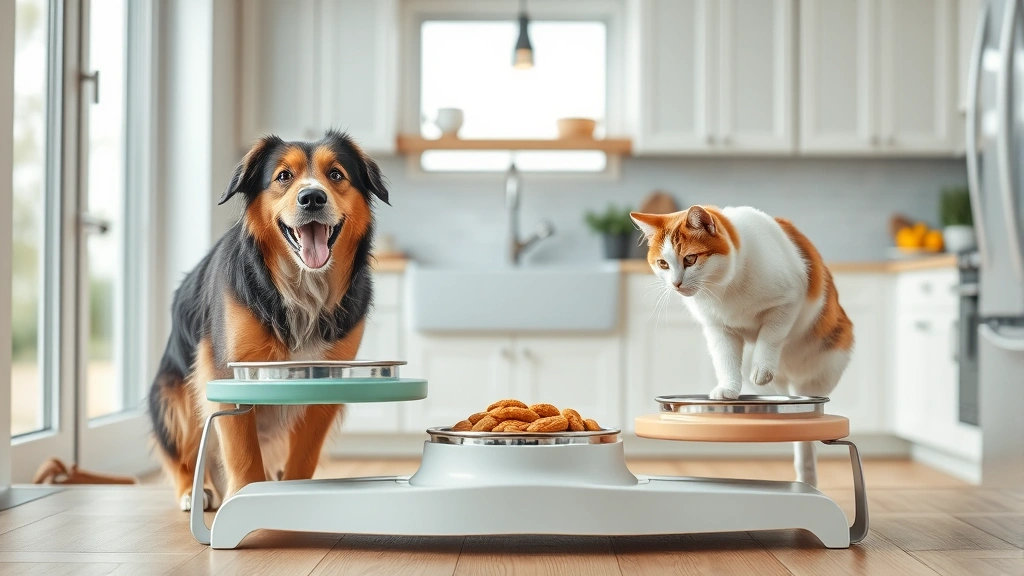
The best approach to this problem is prevention. Creating a feeding environment where your dog can’t access cat food requires some strategic planning, but it’s entirely manageable. The most effective solution is to feed your pets in separate locations. Set up your cat’s feeding area in a room or space where your dog cannot go—perhaps a bedroom with a baby gate, a laundry room, or a closet where the cat can enter but the dog cannot.
Elevated feeders can also help, as many cats prefer eating above ground level anyway. Placing the cat’s food on a shelf, windowsill, or elevated platform makes it inaccessible to your dog while accommodating your cat’s natural preferences. This solution works particularly well for dogs who can’t jump high or navigate obstacles.
Feeding your pets on a schedule rather than leaving food out all day is another game-changer. When you control feeding times, you can supervise the process and remove any uneaten food promptly. This also helps with monitoring your pets’ appetites and detecting health issues early. Set aside 15 to 20 minutes for each pet to eat, then remove the bowls immediately after.
Microchip-activated feeders are a more high-tech solution. These bowls only open when they detect your cat’s microchip, completely preventing your dog from accessing the contents. While more expensive than traditional bowls, they’re incredibly effective and eliminate the need for physical separation during feeding times.
Training your dog to respect the cat’s bowl is also important. Use commands like “leave it” and reward your dog for ignoring the cat’s feeding area. Positive reinforcement makes this much more effective than punishment-based approaches. Consistency is key—everyone in your household needs to enforce the same boundaries.
When to Contact Your Veterinarian
While occasional cat food consumption rarely requires veterinary intervention, certain signs warrant immediate attention. If your dog vomits repeatedly or experiences persistent diarrhea lasting more than 48 hours, contact your vet. Severe abdominal pain, indicated by whining, restlessness, or a hunched posture, could signal pancreatitis and requires urgent care.
If your dog shows signs of lethargy, loss of appetite, or behavioral changes that persist beyond 24 hours after eating cat food, this could indicate a more serious issue. Excessive thirst and urination that doesn’t resolve within a few days should also prompt a veterinary visit, as it might indicate kidney stress or other complications.
Dogs with pre-existing health conditions, particularly those with pancreatitis, kidney disease, or digestive issues, need extra vigilance. If you have a senior dog or one with known health problems, discuss the cat food risk with your veterinarian and create a specific prevention plan. Your vet might recommend additional monitoring or dietary adjustments if your dog has already eaten cat food regularly.
If you suspect your dog has eaten a large quantity of cat food or is showing any concerning symptoms, don’t wait—contact your veterinarian or emergency clinic. It’s always better to err on the side of caution with your pet’s health. Your vet can perform diagnostics if needed and provide peace of mind or early intervention if problems are developing.
Frequently Asked Questions
Can a dog die from eating cat food?
While cat food itself isn’t toxic to dogs, chronic consumption could potentially lead to life-threatening conditions like pancreatitis or complications from obesity. However, a single incident or even occasional snacking from the cat’s bowl is unlikely to be fatal. The risk increases significantly with repeated, long-term access to cat food.
What should I do if my dog ate cat food?
If your dog ate a small amount of cat food once, monitor them for any signs of digestive upset over the next 24 to 48 hours. Most dogs experience no ill effects from a single incident. If your dog ate a large quantity or shows symptoms like vomiting, diarrhea, or abdominal pain, contact your veterinarian.
Is cat food toxic to dogs?
Cat food isn’t toxic in the sense of containing poisonous substances, but it’s not formulated for dogs’ nutritional needs. The excessive protein and fat can cause health problems with regular consumption. Most veterinarians recommend keeping cat food away from dogs as a preventive measure.
Can dogs eat kitten food?
Kitten food is even more protein and fat-dense than adult cat food, making it even less suitable for dogs. The same concerns apply, just intensified. Keep kitten food just as secure as adult cat food.
How long does it take for cat food to affect a dog?
Digestive upset from cat food can appear within a few hours. Other effects like pancreatitis or obesity develop over weeks or months of regular consumption. The timeline depends on the amount consumed and your individual dog’s sensitivity.
Can dogs be allergic to cats?
Dogs can develop allergies to cats, though this is different from the nutritional concerns with cat food. If you’re wondering about allergic reactions, our article on whether dogs can be allergic to cats provides detailed information about cross-species allergies and how to recognize them.
What’s the difference between dog food and cat food nutritionally?
Cat food contains 30-40% protein and higher fat, while dog food typically has 15-25% protein and moderate fat. Cat food includes taurine supplementation, while dog food doesn’t need it. These differences reflect the distinct metabolic needs of each species.
Should I worry if my dog eats chicken nuggets?
Commercial chicken nuggets intended for human consumption have different concerns than cat food. If you’re curious about what human foods are safe for dogs, our guide on whether dogs can eat chicken nuggets covers this topic in detail with veterinary guidance.





