

Is It Safe for Dogs to Eat Grass? Vet Insights and What You Need to Know
If you’ve ever watched your furry best friend munch on grass like they’re grazing in a meadow, you’ve probably wondered: is this normal? Should I be worried? The truth is, grass-eating is one of the most common behaviors dog owners witness, yet it remains surprisingly mysterious. Your pup could be doing it for completely innocent reasons, or it might signal something worth investigating.
As pet parents, we often jump to conclusions when we see our dogs engaging in unusual behaviors. But before you panic about your dog’s newfound vegetarian habits, let’s dig into what veterinarians actually say about this quirky canine tendency. The good news? In most cases, it’s perfectly safe for dogs to eat grass—though there are definitely some important caveats you should understand.
In this comprehensive guide, we’ll explore why dogs eat grass, whether it’s safe, when you should be concerned, and how to manage this behavior. We’ll also tackle some common myths that might be floating around your local dog park.
Why Do Dogs Eat Grass?
The million-dollar question: why on earth does your dog find grass so irresistible? Veterinarians have identified several legitimate reasons for this behavior, and understanding them can help you feel more confident about your dog’s dietary choices.
Nutritional Curiosity and Fiber Content
One of the most popular theories is that dogs eat grass because they’re seeking fiber. Since dogs are primarily carnivores, they don’t necessarily need plant-based fiber, but they can certainly benefit from it. Some researchers believe that when dogs’ digestive systems are out of balance, they instinctively seek out grass to help regulate their digestion. This is similar to how cats seek out grass when they need to vomit up hairballs.
According to a study published in Applied Animal Behaviour Science, grass-eating is actually a normal, instinctive behavior in dogs rather than a sign of nutritional deficiency or illness.
Boredom and Behavioral Factors
Let’s face it—sometimes your dog is just bored. If your pup isn’t getting enough mental stimulation or physical exercise, they might munch on grass simply because it’s available and somewhat entertaining. This is especially common in dogs who spend long periods alone in the backyard without interactive toys or activities.
Taste and Texture Preference
Some dogs simply enjoy the taste and texture of grass. If your dog seems to gravitate toward certain types of grass or specific areas of your lawn, they might just have developed a preference. Think of it like how some humans crave certain foods—your dog might just really like how fresh grass feels in their mouth.
Seeking Attention
Dogs are clever creatures. If your pup has learned that eating grass gets you to react (even negatively), they might repeat the behavior to get your attention. This is particularly true if they’ve noticed you running outside to stop them every time they start grazing.
Is Grass Safe for Dogs to Eat?
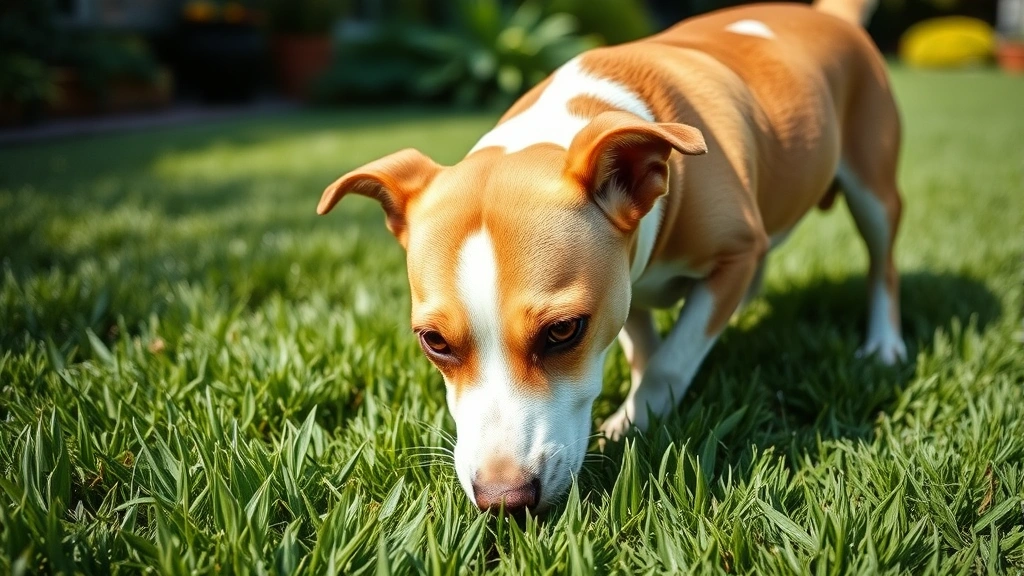
Here’s the reassuring part: plain, untreated grass is generally safe for dogs to eat. The grass itself won’t harm your furry friend. Dogs have been eating grass for thousands of years, and it’s considered a normal part of canine behavior by most veterinary professionals.
The Vomiting Question
You might have heard that dogs eat grass to make themselves vomit, and there’s actually some truth to this. However, it’s not quite as common as the myth suggests. According to the American Animal Hospital Association, only about 10% of dogs that eat grass actually vomit afterward. For most dogs, grass passes through their system without incident.
If your dog is regularly vomiting after eating grass, or if you’re seeing issues like your dog vomiting yellow bile, that’s worth discussing with your veterinarian, as it could indicate a digestive issue unrelated to the grass itself.
Digestive Benefits
In fact, many veterinarians believe that grass can actually be beneficial for dogs. The fiber content can help with digestion, and the act of chewing grass can be soothing for some dogs. If your dog’s diet is lacking in fiber, a little grass snacking might actually be helping their digestive system function more smoothly.
The key is moderation and ensuring the grass is clean and safe. A dog occasionally munching on grass is nothing to worry about. It becomes a concern only when it’s excessive or when the grass has been treated with harmful chemicals.
The Real Danger: Pesticides and Fertilizers
While grass itself is safe, the real concern for dog owners should be what’s on the grass. This is where the danger lies, and it’s a legitimate worry worth taking seriously.
Chemical Treatments and Toxins
Many homeowners treat their lawns with pesticides, herbicides, and fertilizers to keep them looking lush and green. These chemicals can be toxic to dogs, especially if ingested in large quantities. Common lawn chemicals include:
- Herbicides (weed killers)
- Insecticides
- Fungicides
- Granular fertilizers
- Liquid fertilizers
If your dog eats grass that’s been treated with these chemicals, they could experience symptoms ranging from mild gastrointestinal upset to more serious poisoning. This is particularly concerning for puppies and small breed dogs, who can be affected by smaller amounts of toxins.
Symptoms of Chemical Exposure
If your dog has ingested grass treated with harmful chemicals, watch for these warning signs:
- Vomiting or diarrhea
- Excessive drooling
- Lethargy or weakness
- Loss of appetite
- Tremors or muscle twitching
- Difficulty breathing
If you notice any of these symptoms and suspect chemical exposure, contact your veterinarian or the ASPCA Animal Poison Control Center immediately.
When Should You Be Concerned?
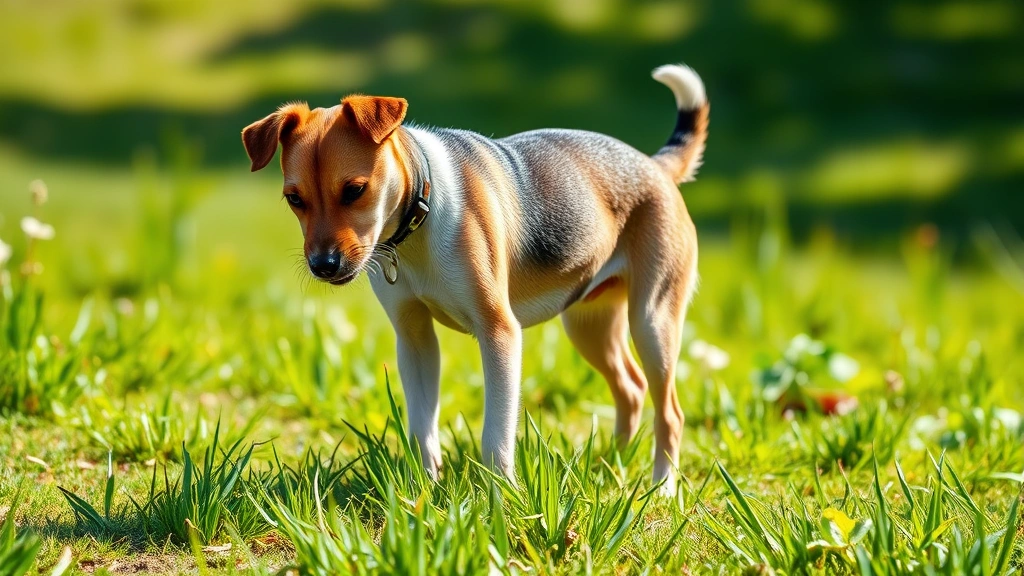
While occasional grass-eating is normal, there are situations where you should pay closer attention to your dog’s behavior.
Excessive Grass-Eating
If your dog is constantly eating grass—like multiple times per day or for extended periods—this could indicate an underlying issue. Excessive grass consumption might signal:
- Nutritional deficiencies in their diet
- Gastrointestinal parasites
- Food allergies or sensitivities
- Inflammatory bowel disease
- Anxiety or stress-related behaviors
In these cases, a conversation with your veterinarian is warranted. They can assess your dog’s diet, run any necessary tests, and determine if there’s an underlying health condition.
Grass-Eating Combined with Other Symptoms
Pay attention if grass-eating occurs alongside other behavioral or physical changes. If your dog is eating grass AND showing signs like weight loss, diarrhea, lethargy, or behavioral changes, these could be red flags. Similarly, if you notice your dog is also eating dirt or other non-food items, this could indicate pica—a condition where dogs compulsively eat non-food substances.
Toxic Grass Species or Contaminated Areas
Not all grass is created equal. Some grass species are toxic to dogs, and some areas might be contaminated with things you can’t see. Avoid letting your dog eat grass in:
- Areas recently treated with lawn chemicals
- Public spaces where other dogs frequent (risk of parasites)
- Near roadways (exhaust fumes and chemicals)
- Parks or areas where pesticides are commonly used
How to Manage Grass-Eating Behavior
If your dog’s grass-eating habit is making you nervous, or if you want to minimize the behavior, there are several strategies you can employ.
Keep Your Lawn Chemical-Free
The first and most important step is ensuring your lawn is safe. Avoid using pesticides, herbicides, and chemical fertilizers. Instead, opt for organic lawn care methods. This protects not only your dog but also your family and local wildlife.
Provide More Exercise and Mental Stimulation
If boredom is driving your dog’s grass-eating, increase their daily exercise and mental enrichment. This might include longer walks, interactive play sessions, puzzle toys, or training activities. A tired dog is less likely to engage in self-entertaining behaviors like grass grazing.
Improve Dietary Fiber
If you suspect your dog’s diet is lacking in fiber, talk to your veterinarian about adjusting their food. Adding fiber-rich foods like broccoli or spinach (in appropriate amounts) might satisfy their need to eat plant-based materials. Your vet can recommend specific dietary adjustments based on your dog’s individual needs.
Redirect the Behavior
When you catch your dog starting to eat grass, redirect them to an appropriate toy or activity. Reward them for engaging with the toy instead. This teaches them that there are better, more rewarding things to do than munch on your lawn.
Create a Dog-Friendly Outdoor Space
Consider designating a specific area of your yard where your dog can engage in natural behaviors like digging or sniffing without you worrying about chemical exposure. This might reduce their desire to eat grass in other areas.
Safe Alternatives to Outdoor Grass
If you’re concerned about your dog eating outdoor grass, or if you want to provide them with a safer alternative, consider these options:
Indoor Dog Grass
You can purchase or grow wheatgrass or other dog-safe grasses indoors. These are grown without pesticides and provide a clean, safe option for your dog to nibble on. Many pet stores sell these pre-grown grass kits specifically designed for dogs.
Vegetable-Based Treats
Instead of letting your dog forage for grass, provide them with dog-safe vegetables. Options include:
- Carrots (great for dental health too)
- Green beans
- Pumpkin
- Sweet potato
- Zucchini
Always introduce new foods gradually and consult your vet about appropriate portion sizes.
Commercial Dog Treats with Plant Materials
There are many commercially available treats that include plant-based ingredients designed to satisfy dogs’ natural desire to chew and eat varied textures. Look for high-quality options with minimal additives.
Chew Toys and Enrichment Toys
Providing appropriate chew toys and enrichment toys can satisfy your dog’s need to engage their mouth and mind, potentially reducing their interest in grass altogether.
Frequently Asked Questions
Is it normal for dogs to eat grass every day?
Occasional daily grass consumption is generally normal, especially if it’s just a few bites. However, if your dog is spending significant time eating grass or consuming large quantities daily, it’s worth investigating. This could indicate boredom, dietary deficiency, or an underlying health issue. Consult your veterinarian if the behavior seems excessive.
Can grass make my dog sick?
Plain, untreated grass won’t make your dog sick. However, grass treated with pesticides, herbicides, or fertilizers can cause illness. Additionally, if your dog eats too much grass too quickly, they might experience mild gastrointestinal upset. If your dog seems ill after eating grass, contact your vet.
Why does my dog eat grass and then throw up?
While not all dogs that eat grass vomit, some do. This can happen for a few reasons: the grass might irritate their stomach lining, they might be trying to induce vomiting to clear their digestive tract, or they might have eaten too much too quickly. If this happens occasionally, it’s usually not concerning. If it’s frequent, discuss it with your veterinarian.
Should I stop my dog from eating grass?
If your dog is eating grass in a safe area (chemical-free lawn or your own treated grass), there’s no need to stop them. It’s a normal behavior. However, if they’re eating grass in potentially contaminated areas or if the behavior is excessive, you might want to redirect them. The key is ensuring they’re eating safe grass in safe locations.
What’s the difference between grass-eating and pica?
Normal grass-eating is a dog eating grass occasionally as part of natural foraging behavior. Pica is a compulsive disorder where dogs eat non-food items (including grass, dirt, rocks, etc.) excessively. If your dog is eating grass along with other non-food items, or if the behavior is obsessive, they might have pica, which requires veterinary attention.
Are there any grass species that are toxic to dogs?
Most common lawn grasses are safe for dogs. However, some ornamental grasses and plants that look like grass can be toxic. For example, the American Kennel Club notes that certain ornamental grasses can cause digestive upset. If you’re unsure about plants in your yard, consult your veterinarian or check pet poison databases.
Can I use grass-eating to tell if my dog is healthy?
Occasional grass-eating isn’t necessarily an indicator of health status either way. However, if grass-eating suddenly increases or is accompanied by other symptoms, it could indicate a health issue. Changes in behavior are worth noting and discussing with your vet, especially if they’re significant or sudden.
Should I be worried if my dog eats grass from a park?
Park grass is riskier than your own lawn because you don’t know what chemicals have been applied or what parasites might be present. Many parks use pesticides and herbicides. Additionally, grass frequented by many dogs has a higher risk of parasitic contamination. If your dog occasionally eats grass at a park, it’s probably fine, but it’s better to discourage the behavior in public spaces and watch for any signs of illness afterward.





