

Is Ketchup Bad for Dogs? Safety Tips Every Pet Owner Should Know
Picture this: you’re at a backyard barbecue, your pup is giving you those irresistible puppy-dog eyes, and there’s a plate of hot dogs with ketchup sitting right in front of you. Before you share a bite with your furry best friend, let’s talk about whether ketchup is actually safe for dogs. The short answer? It’s complicated, and we’re here to break it down for you.
Many pet owners assume that because ketchup is made from tomatoes, it must be fine for dogs. After all, tomatoes are natural, right? But the reality is that commercial ketchup contains several ingredients that can be problematic for our four-legged companions. From added sugars to potentially harmful additives, this condiment deserves a closer look before it lands in your dog’s bowl.
In this comprehensive guide, we’ll explore the ingredients in ketchup that concern veterinarians, discuss the potential health risks, and provide you with practical safety tips to keep your pup healthy and happy. Whether you’re a first-time dog owner or a seasoned pet parent, this information will help you make informed decisions about what your dog can and cannot eat.
What’s Actually in Ketchup?
Before we can determine whether ketchup is bad for dogs, we need to understand what’s actually in that bottle. Most commercial ketchup brands contain a surprisingly long list of ingredients, and not all of them are pet-friendly.
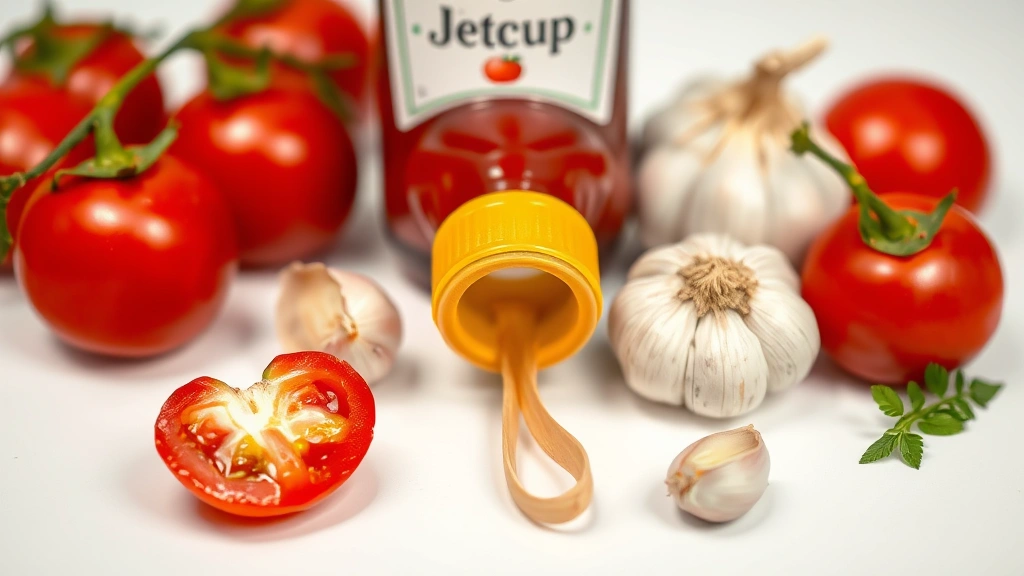
The primary ingredient in ketchup is tomato concentrate, which is derived from ripe tomatoes. While tomatoes can be safe for dogs in certain forms, the processing and additional ingredients in ketchup change the equation significantly. Beyond tomatoes, you’ll typically find sugar, vinegar, salt, spices, and various preservatives.
Some brands also include garlic powder and onion powder as flavoring agents. This is where things get particularly concerning, as both garlic and onions are toxic to dogs. Additionally, many ketchup products contain high fructose corn syrup, artificial flavors, and preservatives like sodium benzoate. The combination of these ingredients makes commercial ketchup far from ideal for canine consumption.
The Main Ingredients That Concern Vets
Veterinarians have identified several specific ingredients in ketchup that pose potential risks to dogs. Let’s examine each one:
Sugar and Sweeteners
The sugar content in ketchup is one of the primary concerns. A single tablespoon of ketchup can contain up to 4 grams of sugar—that might not sound like much to us, but for dogs, it’s significant. Excessive sugar consumption can lead to obesity, dental problems, and even diabetes in dogs. The ASPCA emphasizes the importance of monitoring sugar intake in pet diets.
Garlic and Onion Powders
Many ketchup brands contain garlic powder and onion powder for flavoring. Both of these ingredients belong to the allium family and are toxic to dogs. They can damage red blood cells and lead to hemolytic anemia. Learn more about why dogs shouldn’t eat onions and related allium vegetables.
Salt Content
Ketchup is relatively high in sodium, which isn’t ideal for dogs. Excessive salt can lead to increased thirst, urination, and in severe cases, sodium ion poisoning. Dogs require much less salt than humans do, making high-sodium condiments inappropriate for regular consumption.
Sodium Benzoate
This common preservative is used to prevent mold and bacterial growth in ketchup. While sodium benzoate is generally recognized as safe by the FDA, it’s another substance that dogs don’t need in their diet.

Potential Health Risks for Dogs
Understanding the potential health risks associated with ketchup consumption helps pet owners make informed decisions about their dog’s diet. The severity of these risks depends on several factors, including the amount consumed, your dog’s size, age, and overall health status.
Gastrointestinal Upset
The most common issue dogs experience after eating ketchup is digestive distress. The high sugar content and various additives can irritate a dog’s stomach, leading to vomiting, diarrhea, or general digestive upset. This is especially true for dogs with sensitive stomachs or existing digestive issues.
Toxicity from Allium Compounds
If the ketchup contains garlic or onion powder, there’s a risk of allium toxicity. This is more serious than simple digestive upset. Symptoms of allium toxicity include weakness, lethargy, reduced appetite, pale gums, and reddish-colored urine. If you suspect your dog has consumed ketchup with significant amounts of garlic or onion powder, seek veterinary attention immediately.
Weight Gain and Metabolic Issues
Regular consumption of sugary condiments contributes to weight gain in dogs. Obesity in dogs is linked to numerous health problems, including joint disease, diabetes, heart disease, and reduced lifespan. The American Animal Hospital Association recommends careful monitoring of pet nutrition to prevent obesity-related conditions.
Dental Problems
The sugar in ketchup promotes bacterial growth in the mouth, contributing to tooth decay and gum disease. Dogs are already prone to dental issues, and unnecessary sugar exposure accelerates these problems.
Small Amounts: Is a Lick Really That Bad?
Here’s where we can offer some reassurance: a tiny amount of ketchup—like a single lick or a small taste—is unlikely to cause serious harm to most dogs. If your dog has accidentally licked a small amount of ketchup off your plate, don’t panic.
The concern escalates with quantity and frequency. A small, one-time exposure to ketchup is typically not an emergency situation. However, regular consumption or larger quantities are definitely problematic. The key is understanding the difference between an accidental taste and intentional feeding.
For large-breed dogs, a small lick poses minimal risk. Smaller breeds are more vulnerable to the effects of sugar and sodium, so even small amounts are less ideal for toy breeds or small dogs. If you’re ever unsure about what your dog has consumed, knowing when and how to help your dog throw up can be valuable knowledge, though it’s best to contact your vet first.
Safer Condiment Alternatives
If you want to share the burger-and-condiment experience with your pup, there are definitely safer options available. Understanding what seasonings dogs can have opens up more possibilities than you might think.
Dog-Safe Condiment Options
- Plain tomato sauce: Without added sugars or garlic, plain tomato sauce can be a safer alternative, though it should still be given sparingly.
- Pumpkin puree: A fantastic, nutritious alternative that’s naturally sweet and great for digestive health.
- Plain yogurt: Unsweetened, plain yogurt can add flavor and provides beneficial probiotics.
- Bone broth: A protein-rich, savory option that dogs absolutely love and that’s genuinely good for them.
- Applesauce: Unsweetened applesauce provides natural sweetness without refined sugar.
You might also wonder about other common condiments. For instance, whether dogs can eat mustard is another frequently asked question, and it’s worth exploring if you’re curious about condiment safety in general.
Homemade Dog-Friendly Condiments
If you’re feeling creative, you can make your own dog-safe condiments. A simple blend of plain tomato puree (without added ingredients), a tiny bit of apple, and dog-safe herbs can create a homemade version that’s much healthier than commercial ketchup. Always avoid adding salt, garlic, onion, or other toxic ingredients.
What to Do If Your Dog Eats Ketchup
If your dog has consumed ketchup, here’s what you should do:
Assess the Situation
First, determine how much ketchup your dog ate and which brand it was. Check the ingredient list if possible—specifically looking for garlic powder or onion powder. Consider your dog’s size, age, and health status. A large dog that licked a small amount of ketchup from a plate faces minimal risk, while a small dog or puppy that consumed a significant quantity is more concerning.
Monitor for Symptoms
Watch your dog closely for the next 24-48 hours. Look for signs of gastrointestinal distress like vomiting, diarrhea, or loss of appetite. Monitor for any signs of lethargy, weakness, or unusual behavior that might indicate toxicity.
Contact Your Veterinarian
If your dog consumed a large quantity of ketchup, particularly if it contains garlic or onion powder, contact your veterinarian. Similarly, if your dog shows any concerning symptoms, seek professional advice. It’s always better to err on the side of caution. The Association of American Feed Control Officials provides guidelines on safe pet nutrition that veterinarians reference.
Prevent Future Incidents
Store ketchup and other condiments out of your dog’s reach. Be mindful during meals and social gatherings when your pup might be tempted by human food. Educate family members and guests about what foods are unsafe for your dog.
If your dog has a history of getting into foods they shouldn’t, consider whether you need to implement additional safety measures. Some pet owners benefit from crate training or keeping their dog in a separate area during meals.
Frequently Asked Questions
Can dogs eat ketchup at all?
Technically, small amounts of plain ketchup without garlic or onion powder won’t typically cause serious harm to most dogs. However, it’s not recommended as a regular part of their diet due to high sugar content and other additives. It’s best avoided entirely.
What if the ketchup contains garlic powder?
Garlic is toxic to dogs and can damage their red blood cells. If your dog consumed ketchup with garlic powder, monitor closely for symptoms of toxicity including weakness, pale gums, and discolored urine. Contact your veterinarian if you’re concerned.
Is homemade ketchup safer for dogs?
Homemade ketchup without added sugar, salt, garlic, or onion can be safer than commercial versions. However, plain tomato products are still better options, and even then should only be given occasionally and in small amounts.
What are the signs my dog ate too much ketchup?
Signs include vomiting, diarrhea, loss of appetite, lethargy, and abdominal discomfort. If allium compounds are present, you might also see weakness, pale gums, or reddish urine. Contact your vet if you notice any of these symptoms.
Can puppies have ketchup?
No, puppies should definitely avoid ketchup. Their digestive systems are more sensitive, and they’re more vulnerable to the effects of sugar and sodium. Puppies require a carefully balanced diet to support healthy development.
Is tomato paste or tomato sauce different from ketchup?
Plain tomato sauce without added ingredients is different from ketchup, though it should still be given sparingly. Tomato paste is more concentrated and also should be limited. The main difference is that ketchup contains added sugars and other additives that make it worse for dogs.
What should I do if my dog accidentally ate ketchup?
Stay calm. If it was a small amount, monitor your dog for any signs of distress. If it was a large quantity or contains garlic/onion, contact your veterinarian. Provide details about the amount consumed and the brand if possible.





