

Is Lamb Good for Dogs? Nutritional Insights
If you’ve ever wondered whether lamb deserves a spot in your dog’s dinner bowl, you’re not alone. Many pet parents are curious about this protein powerhouse and how it stacks up against more traditional options. The good news? Lamb can be an excellent addition to your furry friend’s diet, offering unique nutritional benefits that make it stand out from the crowd.
Lamb is increasingly popular in premium dog foods and homemade diets, and for good reason. This rich, flavorful meat packs a nutritional punch that can support everything from muscle development to a healthy coat. Whether your pup has a sensitive stomach or you’re simply looking to diversify their protein sources, lamb might be exactly what your four-legged companion needs.
In this comprehensive guide, we’ll explore the nutritional profile of lamb, examine its benefits for dogs, discuss potential concerns, and help you determine whether this delicious meat is the right choice for your beloved pet. Let’s dig in!
Nutritional Profile of Lamb
Lamb is a nutrient-dense protein source that offers far more than just amino acids. This red meat is rich in essential vitamins and minerals that support canine health at every life stage. When you examine the nutritional breakdown, it’s easy to see why veterinarians and nutritionists recommend lamb for many dogs.
First and foremost, lamb contains high-quality complete proteins with all nine essential amino acids your dog needs. These amino acids are the building blocks for muscle tissue, enzymes, and hormones. Beyond protein, lamb delivers impressive amounts of B vitamins, particularly B12, which supports nervous system function and energy metabolism. The iron content in lamb is also noteworthy, as it helps prevent anemia and supports oxygen transport throughout your dog’s body.
Lamb is particularly rich in selenium, zinc, and phosphorus. Selenium acts as a powerful antioxidant, protecting your dog’s cells from damage, while zinc supports immune function and skin health. Phosphorus works alongside calcium to maintain strong bones and teeth. Additionally, lamb contains carnitine, an amino acid-like compound that helps convert fat into energy, which is especially beneficial for active dogs or those watching their weight.
The fat content in lamb is moderate, ranging from 15-25% depending on the cut and preparation method. This fat includes omega-3 and omega-6 fatty acids, which promote a lustrous coat and healthy skin. Unlike some processed proteins, lamb’s natural fat profile makes it an excellent choice for dogs requiring additional calories or those with dry, flaky skin conditions.
Health Benefits for Dogs
Understanding whether dogs can eat lamb is just the starting point. The real question is: what specific health benefits does this protein offer? The answer is quite impressive.
For dogs with sensitive stomachs or food allergies, lamb offers a novel protein option. Since many commercial dog foods rely heavily on chicken and beef, lamb provides an excellent alternative for dogs whose systems have developed sensitivities to more common proteins. This makes it particularly valuable for dogs with digestive issues or diarrhea, as lamb is often included in limited-ingredient diets recommended by veterinarians.
The high-quality protein in lamb supports lean muscle development and maintenance, making it ideal for growing puppies, active adult dogs, and senior dogs who need to preserve muscle mass. The amino acid profile supports tissue repair after exercise or injury, helping your dog bounce back faster.
Lamb’s antioxidant properties shouldn’t be overlooked. The combination of selenium, vitamins A and E, and other protective compounds helps combat oxidative stress in your dog’s body. This is particularly important for aging dogs, as oxidative stress contributes to cognitive decline and joint problems. Regular consumption of lamb may help support brain health and mobility in senior companions.
The iron and B vitamins in lamb work synergistically to boost energy levels. If your dog seems sluggish or lacks enthusiasm for playtime, lamb might provide the nutritional support needed to restore their vitality. Dogs engaged in agility training, service work, or simply those with high energy levels can particularly benefit from lamb’s energy-supporting nutrients.
Furthermore, lamb’s natural fat content promotes skin and coat health from the inside out. Dogs fed lamb regularly often display shinier coats, healthier skin, and fewer issues with dry, flaky patches. This benefit extends to dogs with skin conditions like dermatitis, though dietary changes should always be made under veterinary guidance.

Different Lamb Preparations
Not all lamb is created equal when it comes to feeding your dog. The preparation method significantly impacts the nutritional value and safety of the meat.
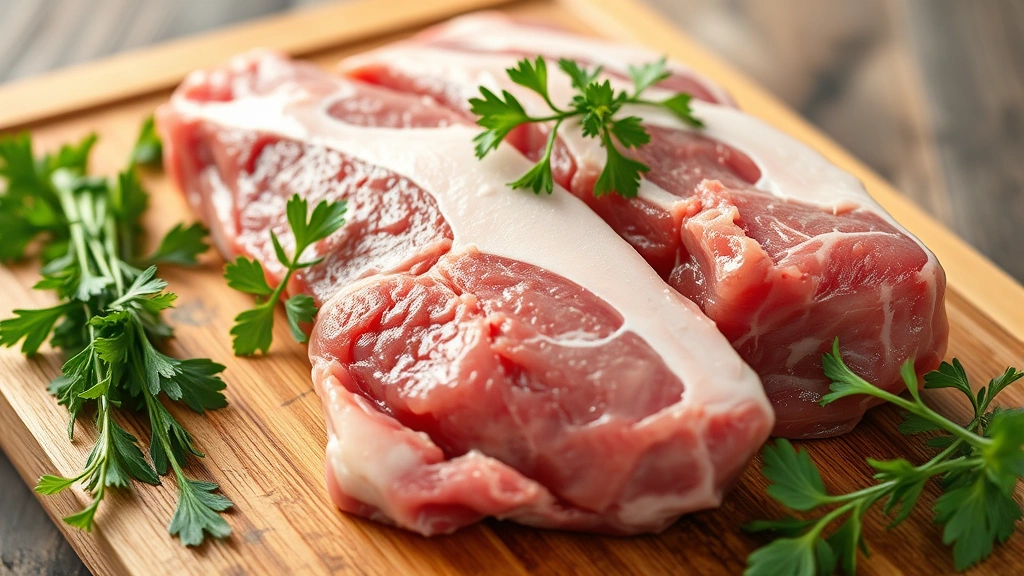
Raw Lamb: Some pet parents follow raw feeding diets, which include raw lamb. While raw meat can retain certain enzymes and nutrients, it carries increased risks of bacterial contamination like E. coli and Salmonella. If you choose raw feeding, source your lamb from reputable suppliers who follow strict food safety protocols and handle the meat with care.
Cooked Lamb: Cooking lamb makes it safer and easier for your dog to digest. Plain, unseasoned cooked lamb is the ideal preparation. Boiling, baking, or slow-cooking without added salt, garlic, or onions preserves most nutrients while eliminating pathogens. Always remove any fat trimmings before serving to reduce pancreatitis risk, though moderate amounts of fat are beneficial.
Lamb Meal and Lamb by-products: These are common ingredients in commercial dog foods. Lamb meal is rendered lamb tissue, while lamb by-products include organ meats. While these are less appetizing to describe, they’re actually nutrient-dense and can be excellent dietary additions when sourced from reputable manufacturers.
Ground Lamb: Ground lamb offers convenience and easy portion control. Like ground beef, it should be cooked thoroughly and drained of excess fat before serving.
Lamb Bones: This is where caution becomes essential. While many people assume bones are natural and safe, lamb bones require careful consideration. Cooked lamb bones can splinter and cause serious digestive tract injuries. If you’re interested in bones for your dog, raw lamb bones are generally safer than cooked ones, though they still carry risks. Always supervise your dog and consult your veterinarian before offering bones.
Digestibility and Allergies
One of lamb’s greatest advantages is its digestibility profile. Dogs typically digest lamb more efficiently than some other proteins, making it an excellent choice for dogs with sensitive digestive systems.
Lamb has a lower allergenic potential compared to chicken and beef, which are among the most common food allergens in dogs. This doesn’t mean lamb allergies never occur, but they’re relatively rare. If your dog has been struggling with food sensitivities, introducing lamb might finally provide relief.
The digestibility of lamb also means your dog’s body can absorb and utilize more of the nutrients it contains. This is particularly important for senior dogs or those with compromised digestive systems. A more digestible protein source means better nutrient absorption and potentially less stool volume, which is a sign of efficient digestion.
When introducing lamb to your dog’s diet for the first time, do so gradually. Mix small amounts with their current food over 7-10 days, gradually increasing the proportion of lamb. This gradual transition helps prevent digestive upset and allows you to monitor for any adverse reactions. Watch for signs of allergies like itching, vomiting, diarrhea, or skin issues.
If your dog has a known protein allergy, consult your veterinarian before introducing lamb. They can help determine whether lamb is likely to trigger a reaction based on your dog’s specific allergic profile.
How to Feed Lamb to Your Dog
Now that you understand the benefits, let’s discuss practical feeding guidelines. Proper portion control ensures your dog gets the benefits of lamb without consuming excess calories.
For whole-food diets, lamb should comprise 10-30% of your dog’s daily caloric intake, depending on their age, activity level, and overall diet composition. A 50-pound moderately active dog might consume 1-1.5 cups of cooked lamb daily as part of a balanced diet that includes vegetables, grains or grain alternatives, and other protein sources.
If feeding commercial dog food containing lamb, follow the manufacturer’s feeding guidelines based on your dog’s weight and age. Most quality lamb-based dog foods are formulated to provide complete and balanced nutrition, so you won’t need to add additional supplements unless your veterinarian recommends them.
For dogs with specific health conditions, your veterinarian might recommend specific lamb preparations or portions. Senior dogs, puppies, and dogs with medical conditions may have different requirements than healthy adult dogs.
Lamb works best as part of a varied diet that includes multiple protein sources. Rotating between lamb, chicken, fish, and other proteins provides a broader spectrum of nutrients and reduces the risk of developing sensitivities to any single protein source.
Safety Concerns and Precautions
While lamb is generally safe for most dogs, several precautions warrant attention.
Fat Content: Excessive fat can trigger pancreatitis, a serious and potentially life-threatening condition. Always trim visible fat from lamb before serving, and avoid giving your dog fatty lamb scraps from your dinner table. Dogs prone to pancreatitis should consume lamb in moderation and in leaner preparations.
Seasoning: Never serve lamb seasoned with garlic, onions, salt, or spices. These additions can harm your dog and negate the health benefits of the meat itself. Plain, unseasoned lamb is always the safest choice.
Bones: As mentioned earlier, cooked lamb bones pose choking and digestive hazards. Remove all bones before serving, and be cautious with raw bones as well.
Portion Control: Lamb is calorie-dense, and overfeeding can lead to weight gain. Monitor your dog’s weight and adjust portions accordingly to maintain a healthy body condition.
Quality and Sourcing: Purchase lamb from reputable sources to minimize the risk of contamination or poor quality meat. When possible, choose organic, grass-fed lamb for the highest nutritional value.
Individual Sensitivities: While rare, some dogs may develop sensitivities to lamb. If you notice any unusual symptoms after introducing lamb, discontinue feeding and consult your veterinarian.
Comparing Lamb to Other Proteins
Understanding how lamb stacks up against other protein options helps you make informed dietary choices for your dog.
Lamb vs. Chicken: Both are excellent proteins, but they offer different benefits. Chicken is leaner and lower in calories, making it ideal for weight management. Lamb contains more iron, B vitamins, and fat, making it better for dogs needing additional calories or those with dry skin. Chicken is good for dogs, but lamb provides a richer nutrient profile.
Lamb vs. Beef: Both are red meats with similar nutritional profiles, but beef is more commonly used in dog foods, making lamb a better novel protein option for dogs with beef sensitivities. Lamb is also often considered more digestible.
Lamb vs. Fish: Fish offers omega-3 fatty acids that lamb contains in lower amounts. However, lamb provides more iron and B vitamins. Ideally, your dog’s diet includes both fish and lamb at different times.
Lamb vs. Turkey: Turkey is leaner than lamb but contains fewer micronutrients. Turkey is excellent for weight management, while lamb is better for dogs needing higher fat and calorie content.
The best approach is variety. Rotating between different proteins, including lamb, ensures your dog receives a comprehensive spectrum of nutrients and reduces the risk of developing sensitivities.
Frequently Asked Questions
Is lamb better than chicken for dogs?
Neither is universally “better”—they offer different benefits. Lamb provides more iron, B vitamins, and calories, making it ideal for active or underweight dogs and those with chicken sensitivities. Chicken is leaner and better for weight management. Both are excellent proteins; the best choice depends on your individual dog’s needs.
Can puppies eat lamb?
Yes, puppies can safely eat lamb. The high-quality protein supports growth and development. However, ensure lamb is part of a complete and balanced diet formulated for puppies, as they have specific nutritional requirements that differ from adult dogs. Consult your veterinarian about appropriate portions for your puppy’s age and expected adult size.
How often should I feed my dog lamb?
Lamb can be fed several times per week or even daily as part of a balanced diet. The frequency depends on your dog’s overall dietary composition and caloric needs. Many dogs thrive on diets where lamb comprises 10-30% of their protein intake, with other proteins included for variety.
Can dogs with allergies eat lamb?
Dogs with chicken or beef allergies can often safely eat lamb, as it’s a novel protein with lower allergenic potential. However, dogs with multiple protein allergies or severe food sensitivities should be introduced to lamb gradually under veterinary supervision. If your dog has a known lamb allergy (rare but possible), obviously avoid it.
What’s the best way to prepare lamb for dogs?
Plain, cooked, unseasoned lamb is ideal. Boil, bake, or slow-cook without salt, garlic, onions, or spices. Remove all bones and trim excess fat before serving. Ground lamb should be cooked thoroughly and drained. Avoid processed lamb products with added seasonings or preservatives.
Can dogs eat lamb every day?
Yes, dogs can eat lamb daily as part of a balanced diet. However, it shouldn’t be the only protein source. Variety in protein sources provides a broader nutritional spectrum and reduces the risk of developing sensitivities.
Is lamb safe for dogs with pancreatitis?
Lamb can be risky for dogs with pancreatitis due to its fat content. If your dog has pancreatitis, consult your veterinarian before introducing lamb. They may recommend a lean preparation or suggest alternative proteins that are lower in fat.
How much lamb should I feed my dog?
Portion sizes depend on your dog’s weight, age, activity level, and overall diet. As a general guideline, lamb should comprise 10-30% of daily caloric intake for most dogs. A 50-pound dog might consume 1-1.5 cups of cooked lamb daily, but individual needs vary. Consult your veterinarian for personalized recommendations.





