
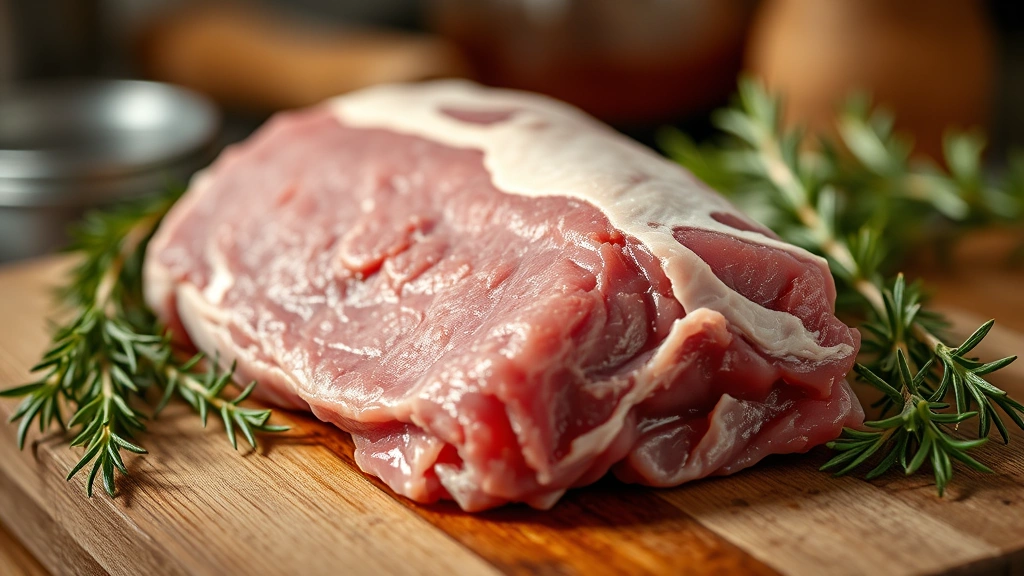
So you’re wondering: is lamb meat good for dogs? The short answer is yes—lamb can be an excellent protein source for your furry best friend. But before you start tossing lamb chops at Fido, let’s dig into what makes lamb such a pawsome option and how to serve it safely.
Table of Contents
- Why Lamb is a Canine Superstar
- Lamb as a Novel Protein for Picky Eaters
- The Nutritional Breakdown of Lamb Meat
- Raw vs. Cooked Lamb: Which is Safer?
- Portion Control: How Much Lamb Can Your Dog Eat?
- Lamb and Dogs with Sensitive Stomachs
- What About Lamb Bones and Other Parts?
- Potential Risks and When to Avoid Lamb
- Commercial Lamb Dog Foods vs. Homemade Lamb Diets
- How to Introduce Lamb to Your Dog’s Diet
- Lamb and Your Dog’s Coat Quality
- Frequently Asked Questions
- Final Thoughts: Is Lamb Right for Your Dog?
Why Lamb is a Canine Superstar
Lamb meat has earned its reputation as one of the best protein sources for dogs, and there’s solid science backing this up. Unlike chicken or beef, which dominate most commercial dog foods, lamb offers a unique nutritional profile that many dogs absolutely thrive on. It’s packed with essential amino acids, B vitamins (especially B12 and niacin), and minerals like iron and zinc—all critical for maintaining your dog’s muscle mass, energy levels, and immune function.
What really sets lamb apart is its digestibility. Dogs can break down and absorb lamb protein more efficiently than many other meat sources. This makes it particularly valuable for pups with sensitive stomachs or food sensitivities. If your dog has been struggling with digestive issues, lamb might be the game-changer you’ve been searching for.
Lamb as a Novel Protein for Picky Eaters
Here’s where things get interesting: lamb is considered a “novel protein.” This fancy term simply means it’s not one of the most common proteins fed to dogs historically. Why does this matter? Dogs with allergies or food sensitivities often react to proteins they’ve eaten their whole lives (hello, chicken and beef). Introducing a novel protein like lamb can help you identify if your dog has legitimate food allergies or if they’re just bored with their regular kibble.
Many veterinary nutritionists recommend lamb-based diets for dogs with suspected food allergies. It’s like giving your dog’s digestive system a fresh start. Just make sure you’re introducing it gradually—we’ll talk about that later.
The Nutritional Breakdown of Lamb Meat
Let’s get nerdy for a second. A 100-gram serving of cooked lamb contains roughly:
- 25-30 grams of protein
- 15-20 grams of fat (mostly healthy fats)
- 0 grams of carbohydrates
- Iron, zinc, selenium, and B vitamins
- Omega-3 and omega-6 fatty acids
That fat content? Don’t freak out. Dogs need dietary fat for healthy skin, coat, and brain function. The fats in lamb are actually beneficial, supporting your dog’s anti-inflammatory foods for pets diet naturally. Plus, lamb contains conjugated linoleic acid (CLA), which some research suggests may support healthy weight management.
Raw vs. Cooked Lamb: Which is Safer?
This is where things get spicy—literally and figuratively. Both raw and cooked lamb can be fed to dogs, but they come with different considerations.
Cooked Lamb: This is the safest bet for most dog owners. Cooking kills harmful bacteria like E. coli and Salmonella that might be lurking in raw meat. It also makes the meat easier to digest for some dogs. The downside? Some nutrients are lost during cooking, and you need to skip the seasonings entirely. No garlic, onions, salt, or spices—your dog’s taste buds might be disappointed, but their stomach will thank you.
Raw Lamb: Some dog owners swear by raw diets (BARF—Biologically Appropriate Raw Food). Raw lamb retains all its nutrients and enzymes. However, there’s a legitimate risk of bacterial contamination. If you go the raw route, source from reputable suppliers and handle it like you would raw chicken for yourself. Always consult your vet before switching to a raw diet.
Portion Control: How Much Lamb Can Your Dog Eat?
Just because lamb is good doesn’t mean your dog should eat it at every meal. Moderation is key. For most dogs, lamb should make up no more than 10% of their daily caloric intake if it’s supplementing their regular food. If you’re feeding a complete lamb-based diet, follow the guidelines on commercial lamb dog foods or consult your vet.
A general rule of thumb: dogs need about 25 calories per pound of body weight daily. So a 50-pound dog needs roughly 1,250 calories. If lamb is 10% of that diet, you’re looking at about 125 calories, which translates to roughly 4-5 ounces of cooked lamb per day.
Lamb and Dogs with Sensitive Stomachs
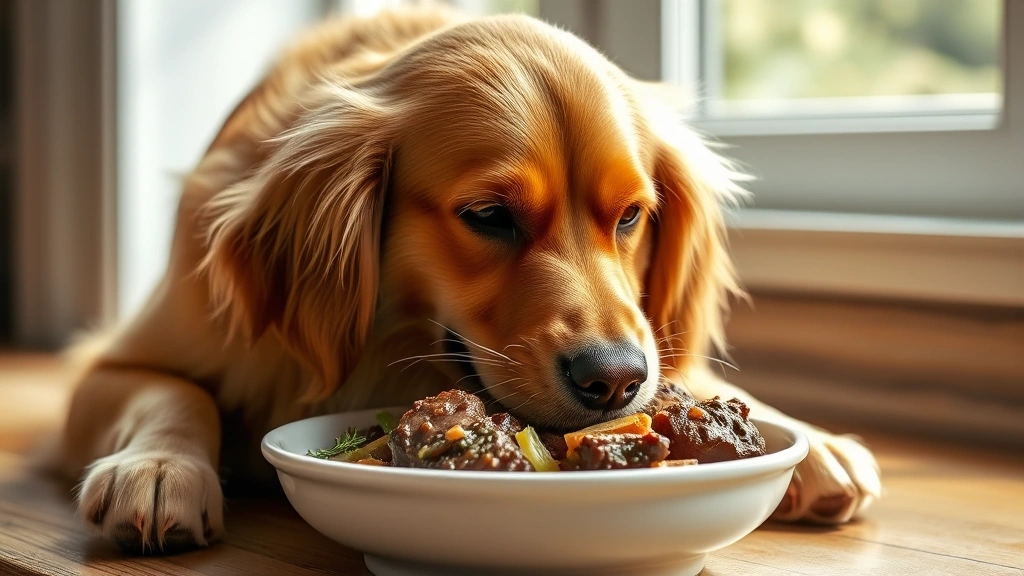
Dogs with sensitive stomachs often do remarkably well on lamb-based diets. The digestibility factor we mentioned earlier becomes even more important here. If your pup has been dealing with diarrhea, vomiting, or general digestive upset, human foods for pets with sensitive stomachs like plain cooked lamb might provide relief.
Start with small amounts—we’re talking a tablespoon or two mixed into their regular food. Gradually increase the portion over 7-10 days, watching for any adverse reactions. If your dog’s digestive issues improve, you might have found your answer. If things get worse, stop immediately and contact your vet.
What About Lamb Bones and Other Parts?
Here’s where we need to pump the brakes. While lamb meat is great, lamb bones are a different story. Cooked bones become brittle and can splinter, potentially causing intestinal blockages or perforations. Raw lamb bones are safer than cooked ones, but they still carry risks of choking and bacterial contamination.
Lamb organs (liver, kidneys, heart) are nutritional powerhouses and can be fed in small amounts—think 5% of your dog’s diet. They’re packed with vitamins and minerals that support organ function. Just keep portions tiny; too much organ meat can cause digestive upset.
Potential Risks and When to Avoid Lamb
Lamb isn’t for every dog, and there are situations where you should steer clear. Dogs with pancreatitis should avoid high-fat meats, and lamb’s fat content might be problematic. Similarly, overweight dogs might need lower-fat protein sources.
Some dogs develop allergies to lamb over time, especially if it becomes their primary protein. This is why rotating protein sources is smart—feed lamb for a few months, then switch to beef or fish, then back to lamb. This prevents your dog from developing sensitivities.
Also, check the what not to feed your dog guide to ensure you’re not accidentally combining lamb with dangerous ingredients. Never season lamb with garlic, onions, excessive salt, or spices.
Commercial Lamb Dog Foods vs. Homemade Lamb Diets
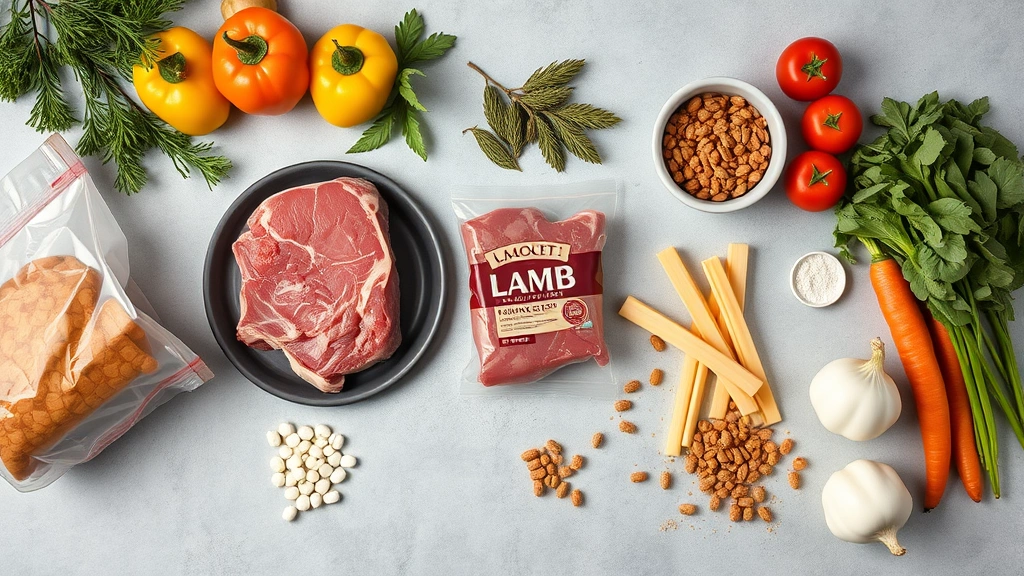
You’ve got options here. Commercial lamb-based dog foods (kibble, wet food, or freeze-dried) are convenient and formulated to meet AAFCO standards, ensuring your dog gets complete nutrition. They’re also safer from a food safety perspective.
Homemade lamb diets require more work but give you complete control over ingredients. If you go this route, consult a veterinary nutritionist to ensure you’re meeting all your dog’s nutritional needs. Feeding only lamb and water isn’t going to cut it—your dog needs vegetables, healthy fats, and mineral supplements.
For puppy safe human foods, lamb can be included, but puppies have different nutritional requirements than adult dogs. They need more calcium and phosphorus for bone development. Always verify with your vet before making dietary changes for puppies.
How to Introduce Lamb to Your Dog’s Diet
Patience is a virtue, especially when introducing new foods. Here’s the proper way to do it:
- Days 1-3: Mix 10% cooked lamb with 90% of their regular food
- Days 4-6: Increase to 25% lamb, 75% regular food
- Days 7-10: Go 50/50
- Days 11-14: 75% lamb, 25% regular food
- Day 15+: Full transition if no issues arise
Watch for signs of digestive upset: loose stools, vomiting, excessive gas, or lethargy. If any occur, slow down the transition or consult your vet. Some dogs need an even slower introduction.
Lamb and Your Dog’s Coat Quality
One of the coolest benefits of lamb? It can dramatically improve your dog’s coat. The omega-3 and omega-6 fatty acids in lamb support skin health and promote a shiny, lustrous coat. If your dog’s been looking dull or dealing with dry skin, lamb might be the superfood solution.
You’ll typically notice improvements within 4-6 weeks of consistent lamb feeding. The skin becomes less itchy, the coat becomes shinier, and your dog might even shed less. It’s not magic—it’s just proper nutrition doing its job.
Frequently Asked Questions
Can puppies eat lamb meat?
Yes, puppies can eat lamb, but it should be part of a balanced diet formulated for growth. Puppies need specific ratios of calcium, phosphorus, and other nutrients. Commercial puppy formulas with lamb are safer than homemade options. Always consult your vet before changing a puppy’s diet.
Is lamb better than chicken for dogs?
Neither is inherently “better”—it depends on your dog. Lamb is more digestible for some dogs and works better for those with chicken sensitivities. Chicken is leaner and might be better for overweight dogs. Rotating between proteins is ideal for most dogs.
Can dogs with kidney disease eat lamb?
Dogs with kidney disease should avoid high-protein diets, and lamb’s protein content might be problematic. Consult your vet before feeding lamb to a dog with kidney issues. They might recommend lower-protein alternatives.
How often can I feed my dog lamb?
Lamb can be fed daily as part of a complete, balanced diet. If you’re supplementing their regular food with lamb, keep it to 10% of daily calories. Rotation with other proteins is recommended to prevent sensitivities.
Is lamb safe for dogs with allergies?
Yes, lamb’s status as a novel protein makes it excellent for dogs with allergies to common proteins. However, some dogs can develop allergies to lamb over time. If your dog has a specific allergy diagnosis, confirm with your vet that lamb is safe.
What’s the best way to store cooked lamb for my dog?
Store cooked lamb in an airtight container in the refrigerator for up to 3-4 days. You can also freeze it for up to 3 months. Thaw in the refrigerator before serving. Never leave cooked lamb at room temperature for more than 2 hours.
Can I feed my dog lamb from my dinner table?
Only if it’s plain, unseasoned, and cooked without garlic, onions, or excessive salt. Most human-prepared lamb has seasonings that are unsafe for dogs. It’s safer to cook plain lamb specifically for your dog.
Does lamb cause weight gain in dogs?
Lamb’s fat content is higher than some proteins, but it won’t cause weight gain if portions are controlled. The key is calculating total daily calories and adjusting other foods accordingly. For weight-conscious dogs, leaner proteins might be better.
Final Thoughts: Is Lamb Right for Your Dog?
So, is lamb meat good for dogs? Absolutely. It’s a nutrient-dense, highly digestible protein that works wonderfully for most dogs, especially those with sensitive stomachs or food sensitivities. The key is introducing it properly, controlling portions, and ensuring it fits into a complete, balanced diet.
Every dog is unique, so what works for your neighbor’s Golden Retriever might not work for your Dachshund. When in doubt, consult your veterinarian before making significant dietary changes. They know your dog’s health history and can provide personalized recommendations.
Whether you’re looking to switch to a lamb-based diet, supplement your dog’s regular food, or just want to give them a healthy treat, lamb is a solid choice. Your dog’s wagging tail (and improved coat) will thank you.
For more information on safe feeding practices, check out our guide on pet food safety to ensure you’re handling all meats properly.





